

Live betting platforms consume extraordinary amounts of energy. Every real-time odds calculation, instant data transmission, and seamless user interaction demands continuous power—creating an environmental footprint that rivals small data centres. As Australia’s digital betting industry experiences explosive growth, with platforms like 29 bet bônus offering round-the-clock services, the sector faces mounting pressure to address its energy consumption sustainably.
Bioenergy presents a transformative solution that’s both practical and immediately implementable. Unlike intermittent solar or wind power, bioenergy facilities generate consistent baseload electricity perfect for platforms requiring uninterrupted operations. Australian betting companies can power their servers using locally sourced agricultural waste, forestry residues, and organic materials—transforming what would be disposal problems into reliable energy assets.
The business case strengthens beyond environmental responsibility. Queensland’s Sugar Research Australia has demonstrated how sugarcane bagasse—previously burned as waste—now powers operations with surplus energy sold back to the grid. Betting platforms adopting similar bioenergy partnerships reduce operational costs while securing energy independence from volatile fossil fuel markets.
Forward-thinking operators recognize this opportunity. By integrating bioenergy into their infrastructure, live betting platforms demonstrate corporate accountability, appeal to environmentally conscious users, and future-proof operations against stricter emissions regulations. The technology exists, the feedstock is abundant across regional Australia, and the economic benefits are measurable. What’s needed now is industry-wide commitment to transition from problem to solution—proving that even high-intensity digital platforms can operate sustainably without compromising performance.
The Hidden Energy Appetite of Live Betting Platforms
When you place a live bet on your favourite AFL match from your smartphone, you’re tapping into an invisible web of energy-hungry infrastructure that would surprise most punters. That seemingly simple wager on whether the next goal will be scored in the third quarter triggers an extraordinary chain of digital operations across the globe.
Live betting platforms operate like digital cities that never sleep. Behind each bet lies a sprawling network of server farms, often the size of several football fields, working around the clock to process millions of data points every second. These facilities must track real-time statistics from dozens of matches simultaneously, recalculate odds instantly as the game unfolds, and deliver streaming video to thousands of users watching the action live.
Consider what happens in the fifteen seconds it takes to place a bet during a cricket match. Servers process current game statistics, analyse historical performance data, factor in weather conditions, assess the betting patterns of thousands of other users, generate new odds, transmit this information to your device, process your wager, and update the system globally. All of this requires massive computational power and, consequently, enormous amounts of electricity.
The streaming component alone is particularly energy-intensive. When you watch live odds change while streaming the match on the same platform, you’re drawing power from multiple server locations, content delivery networks, and data centres that maintain redundant systems to ensure you never experience downtime. Industry estimates suggest that a single large betting platform can consume as much electricity as a small Australian town.
These platforms can’t afford outages, especially during major sporting events like the Melbourne Cup or State of Origin, when betting activity spikes dramatically. This means maintaining excess capacity and backup systems that run continuously, even during quieter periods. The 24/7 nature of global sports ensures these digital engines never rest, creating a constant and substantial energy demand that’s only growing as live betting becomes increasingly sophisticated and popular.

Why Sports Betting Companies Are Going Green
The Business Case for Renewable Energy
For live betting platforms exploring renewable energy, the business case for bioenergy extends well beyond environmental credentials. The financial advantages make this transition increasingly compelling for forward-thinking operators.
Long-term cost savings represent the most immediate benefit. While initial infrastructure investment exists, bioenergy systems typically deliver substantial savings within three to five years. Australian betting platforms that have adopted renewable solutions report energy cost reductions of up to 30 percent, with predictable pricing that shields businesses from volatile fossil fuel markets.
Brand reputation enhancement has become equally valuable. Today’s punters increasingly support businesses demonstrating genuine environmental commitment. A Melbourne-based betting operator recently reported a 15 percent increase in customer engagement after highlighting their renewable energy transition, with younger demographics particularly responsive to sustainability messaging.
Future-proofing provides perhaps the strongest argument. Australia’s evolving carbon pricing mechanisms and energy regulations mean companies acting now avoid future compliance costs and potential penalties. Early adopters position themselves as industry leaders while competitors scramble to meet tightening environmental standards.
The digital betting industry’s 24/7 operations demand reliable, cost-effective power. Bioenergy delivers both whilst building resilience against energy price fluctuations and regulatory changes. For platforms committed to long-term success, renewable energy isn’t just environmentally responsible—it’s smart business strategy that protects profit margins and strengthens competitive positioning in an increasingly conscious marketplace.
Meeting Modern Punter Expectations
Today’s punters are savvier than ever, and sustainability matters to them. Research shows that nearly 70% of Australian millennials prefer brands demonstrating environmental responsibility, and this sentiment is reshaping the betting industry landscape. Live betting platforms that embrace renewable energy aren’t just reducing their carbon footprint—they’re building trust with a growing demographic that votes with their wallets.
Several forward-thinking platforms have already seized this opportunity. Internationally, betting sites powered by renewable energy have reported increased customer loyalty and positive brand perception, particularly among younger demographics. In Australia, where environmental consciousness runs deep, platforms showcasing their green credentials are standing out in a crowded marketplace. This isn’t just good ethics—it’s smart business.
The competitive advantage goes beyond marketing appeal. Bioenergy-powered platforms can genuinely claim carbon neutrality, a powerful differentiator when attracting environmentally conscious customers. Some operators have successfully incorporated their sustainability story into their brand identity, turning what was once a backend operational decision into a front-facing value proposition.
As betting becomes increasingly mainstream, particularly with younger Australians, platforms that fail to address environmental concerns risk being left behind. Those embracing bioenergy solutions are positioning themselves as industry leaders, proving that profitability and environmental stewardship can go hand in hand.
Bioenergy: The Perfect Match for Live Betting Infrastructure
Reliable Power for Non-Stop Operations
Live betting platforms operate around the clock, with punters placing wagers during matches happening across different time zones. When the Melbourne Cup runs, the cricket finals heat up, or international football tournaments capture global attention, these platforms simply cannot afford downtime. That’s where bioenergy demonstrates its true value as a powerhouse for continuous operations.
Unlike solar panels that go dark after sunset or wind turbines that sit idle on still days, bioenergy facilities produce electricity consistently, day and night. This baseload reliability makes bioenergy perfectly suited for supporting betting platforms that need guaranteed power during those crucial moments when thousands of users are simultaneously placing live bets on a last-minute goal or a game-changing wicket.
Consider the practical reality: a major sporting event like the Australian Open generates millions of betting transactions over two weeks. Any power interruption during a thrilling five-set match could mean lost revenue, frustrated customers, and damaged reputation. Bioenergy systems, fueled by agricultural waste, food scraps, or purpose-grown crops, provide that essential stability. The organic matter feeding these facilities is readily available and easily stored, ensuring fuel security even during extended periods of high demand.
Several forward-thinking data centres in regional Australia have already embraced bioenergy to power their operations, demonstrating how renewable doesn’t have to mean unreliable. These success stories show that betting platforms can run on clean energy without compromising the split-second reliability their business demands, proving sustainability and performance go hand in hand.
Australian Biomass Opportunities
Australia’s abundant organic waste streams present a remarkable opportunity to power energy-intensive industries like live betting platforms while supporting rural economies. Our nation generates millions of tonnes of biomass annually that could be transformed into clean, reliable energy rather than left to decompose or burn.
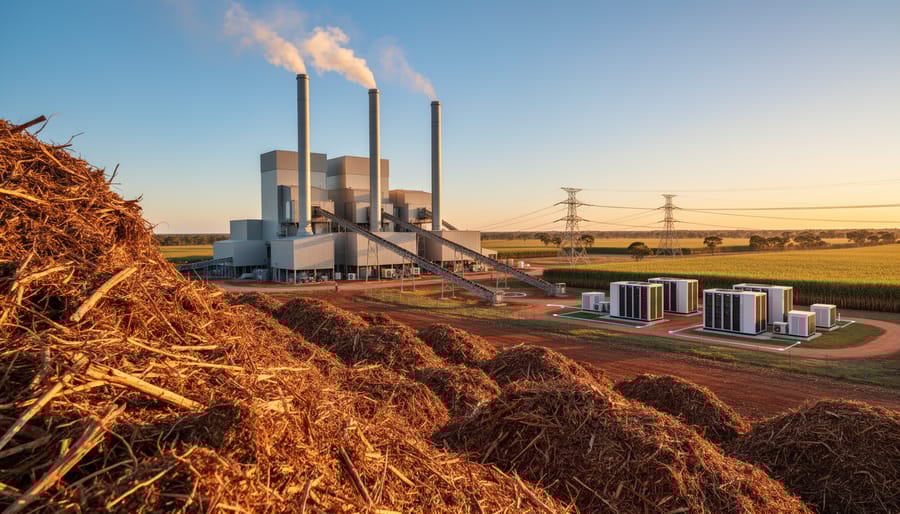
Take Queensland’s sugarcane industry, which produces roughly 10 million tonnes of bagasse and cane trash each year. This fibrous residue, once considered waste, now represents a goldmine for bioenergy resources. Several Queensland sugar mills already generate their own electricity from bagasse, and this model could easily expand to supply data centres hosting betting platforms. The beauty of this arrangement is that it creates additional income streams for sugarcane farmers while reducing the industry’s carbon footprint.
Australia’s forestry sector offers another compelling resource. Forestry residues like bark, sawdust, and offcuts from sustainable timber operations could fuel bioenergy facilities strategically located near digital infrastructure hubs. Regional areas across Tasmania, Victoria, and New South Wales could benefit economically from this circular approach, turning timber processing byproducts into valuable energy assets.
Beyond these sectors, agricultural bioenergy encompasses an impressive range of feedstocks including wheat stubble, cotton gin trash, and livestock manure. Grain-growing regions across Western Australia and South Australia produce substantial crop residues that could power betting operations while reducing paddock burning and associated emissions.
This isn’t just theoretical. By partnering with regional biomass producers, betting platforms could secure reliable renewable energy while directly supporting Australian farming communities. It’s a fair dinkum win-win that demonstrates how innovative energy solutions can benefit both industry and agriculture simultaneously.
Real-World Applications Already Happening
The transition to bioenergy isn’t just a future possibility—it’s already powering some of the world’s most energy-intensive operations, and the betting industry is beginning to take notice.
Microsoft has emerged as a pioneer in this space, with their data centres now partially powered by biogas from organic waste. Their Irish facility demonstrates how tech giants are embracing agricultural waste streams to reduce carbon footprints while maintaining the lightning-fast processing speeds their services demand. Google has followed suit, investing in biogas projects across Europe that convert landfill waste into clean energy for their server farms.
These examples matter for betting platforms because the technology requirements are remarkably similar. Both industries rely on massive data centres that process millions of transactions simultaneously, require 24/7 uptime, and consume enormous amounts of electricity. If bioenergy can power Microsoft’s cloud computing operations, it can certainly handle live odds calculations and real-time betting data.
Closer to home, Australian tech companies are making their mark too. Several Brisbane-based data centres have begun partnering with regional agricultural operations, converting sugarcane waste and other biomass into reliable baseload power. This approach makes particular sense in Queensland, where sugar production generates substantial organic waste that previously had limited commercial value.
Within the gaming sector itself, some European online casinos have started highlighting their renewable energy credentials as a competitive advantage. While still early days for Australian betting platforms, the regulatory environment here is increasingly favourable for such transitions. Forward-thinking operators are already exploring partnerships with bioenergy providers, recognizing that sustainability credentials appeal to environmentally conscious punters.
The betting platform Kindred Group has committed to climate-positive operations, showcasing how gaming companies can lead rather than follow on environmental issues. These early adopters prove the technology works, the economics stack up, and customers genuinely care about where their digital entertainment gets its power. The pathway is clear—now it’s about more Australian betting platforms following through.
The Ripple Effect: Beyond Carbon Reduction
When live betting platforms switch to bioenergy, the positive impacts extend far beyond emissions reductions. This transition creates a powerful ripple effect that touches lives, strengthens communities, and reshapes Australia’s position in the global sustainable technology landscape.
One of the most significant benefits comes through job creation in regional communities. Establishing biomass supply chains requires workers across multiple sectors—from agricultural workers harvesting crop residues and forestry byproducts to logistics coordinators managing transport networks, and technicians operating bioenergy facilities. These aren’t temporary positions either. They’re long-term, skilled jobs that help reverse the trend of young people leaving regional areas for city opportunities.
Agricultural communities particularly benefit from this arrangement. Farmers can now generate additional income by selling crop waste that would otherwise be burned or left to decompose. Sugarcane growers supply bagasse, wheat farmers provide straw, and timber operations contribute wood chips. This transforms waste into valuable resources, creating diversified income streams that strengthen farm viability during tough seasons.
The waste reduction aspect deserves attention too. Australia generates millions of tonnes of agricultural and forestry waste annually. Rather than burning this material—which releases carbon anyway—or allowing it to decompose in landfills, bioenergy converts it into clean power. It’s a practical solution that addresses two challenges simultaneously.
Perhaps most exciting is how this positions Australia globally. By demonstrating that even high-tech industries like live betting platforms can operate sustainably using locally-sourced bioenergy, we’re showing the world a blueprint for the future. International data centres and digital platforms are watching. When they see Australian betting operations thriving with bioenergy, they’ll want to replicate that success. This creates export opportunities for Australian expertise, technology, and know-how in sustainable digital infrastructure—a new frontier for our nation’s innovation economy.
What’s Next for Green Betting in Australia
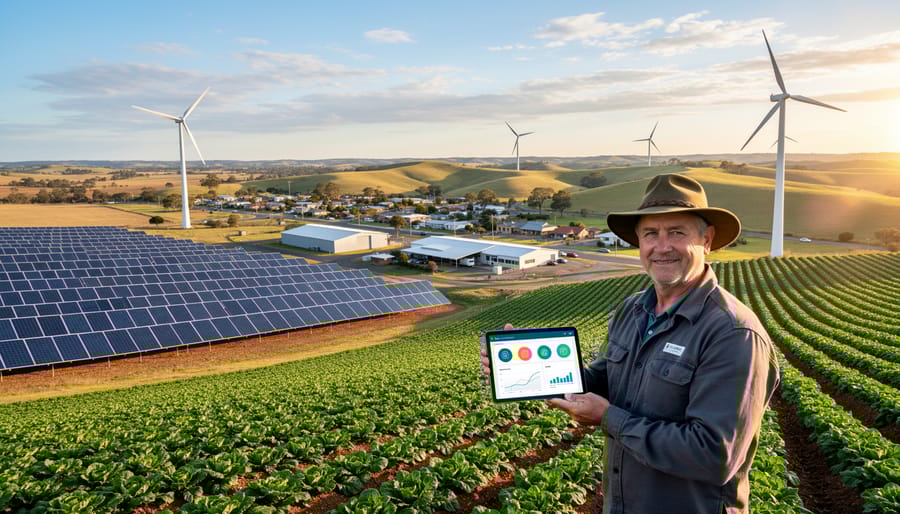
The future of green betting in Australia is looking remarkably bright, with momentum building across multiple fronts. We’re already seeing pioneering betting platforms in Melbourne and Sydney opening conversations with bioenergy providers about long-term power purchase agreements. These partnerships represent more than just corporate greenwashing – they’re genuine commitments to running data centres and server infrastructure on renewable energy derived from agricultural waste and organic materials.
Industry insiders predict that within the next three years, we’ll see the first fully bioenergy-powered betting platform operating in Australia, setting a benchmark for competitors to follow. This friendly rivalry will drive innovation and investment in the sector, creating a ripple effect that benefits everyone from cane farmers in Queensland to tech workers in urban centres.
Policy developments are also encouraging. State governments are exploring incentive programs that reward digital platforms for transitioning to renewable energy sources, with bioenergy featuring prominently in these discussions. For punters, this shift means being able to enjoy live betting with a clear conscience, knowing your flutter on the footy isn’t contributing to environmental degradation.
The beauty of this transition is that nobody loses. Betting companies reduce their energy costs and carbon footprint, bioenergy producers gain reliable customers, regional communities access new revenue streams, and everyday Australians can participate in online entertainment without the environmental guilt. It’s a fair dinkum win-win-win scenario that demonstrates how innovative thinking can transform even the most unexpected industries into sustainability champions.
The future of live betting in Australia doesn’t have to come at the expense of our environment. Right now, as you read this, data centres powering thousands of real-time wagers are drawing energy from the grid. But imagine a different scenario: every live bet placed during the Melbourne Cup, every in-play cricket match wager, every real-time odds calculation powered by energy from Australian sugarcane bagasse, forestry waste, or agricultural residues. This isn’t a far-fetched dream but a practical reality within our grasp.
The synergy between bioenergy and digital platforms like live betting offers a compelling blueprint for sustainable innovation. Our farms and forests are already producing the raw materials needed to generate clean, reliable electricity. What’s needed now is commitment from the betting industry to prioritize renewable energy contracts and invest in bioenergy infrastructure. For operators, this transition represents more than environmental responsibility; it’s a competitive advantage in an era where consumers increasingly value sustainability.
To punters and platform users, your choices matter too. Support operators who demonstrate genuine commitment to renewable energy. Ask questions about where the power comes from when you place that next live bet.
The transition to bioenergy-powered betting platforms isn’t just possible; it’s the sensible path forward for an industry built on calculated risks. Let’s bet on a cleaner future, powered by the very land that defines us as Australians.