
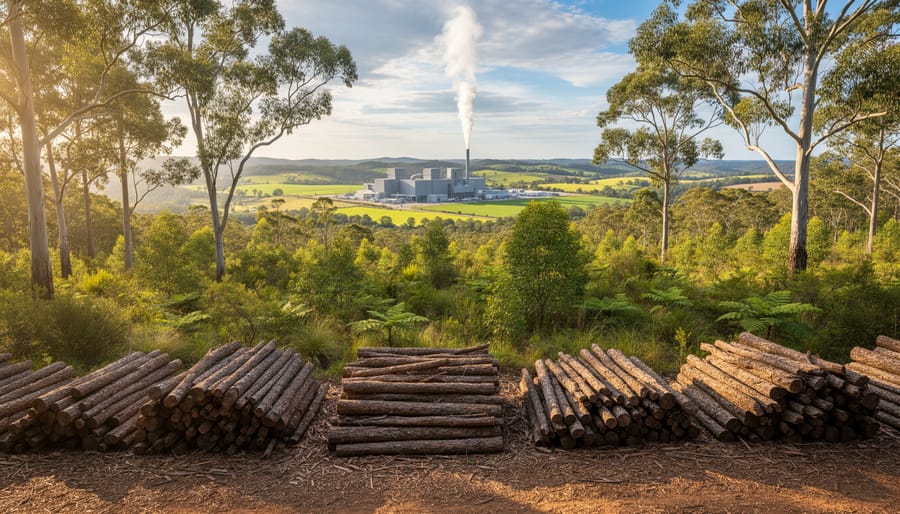
Yes, biomass is technically renewable, but here’s what that actually means for Australia’s environment and energy future.
Organic materials like agricultural waste, purpose-grown energy crops, and forestry residues can regrow within human timescales, making them fundamentally different from fossil fuels that took millions of years to form. When a wheat farmer in the Riverina converts crop stubble into energy, or when a Queensland sugar mill powers itself using bagasse, they’re tapping into a cycle that repeats annually. The carbon released during combustion roughly equals what the plants absorbed while growing, creating a closed loop that fossil fuels can never match.
However, the renewable label doesn’t automatically mean sustainable. A forest cleared faster than it can regrow isn’t truly renewable in practice, even if trees theoretically can regenerate. This is where the conversation becomes crucial for anyone concerned about biodiversity conservation and genuine climate action. The difference between biomass as an environmental solution and an ecological disaster lies entirely in how we source and manage it.
Australia stands at a crossroads. We generate over 70 million tonnes of agricultural and forestry waste annually, much of which currently rots or burns in uncontrolled fires, releasing carbon anyway. Meanwhile, dedicated energy crops could restore degraded farmland while providing income for regional communities. The potential is extraordinary, transforming waste streams into renewable energy while supporting native habitats through strategic planting.
Understanding this nuance matters because biomass can either accelerate our transition to clean energy or become greenwashing that harms the landscapes we’re trying to protect. The path we choose will shape Australia’s environmental legacy for generations.
The Renewable Resource Paradox
What Actually Makes Biomass Renewable
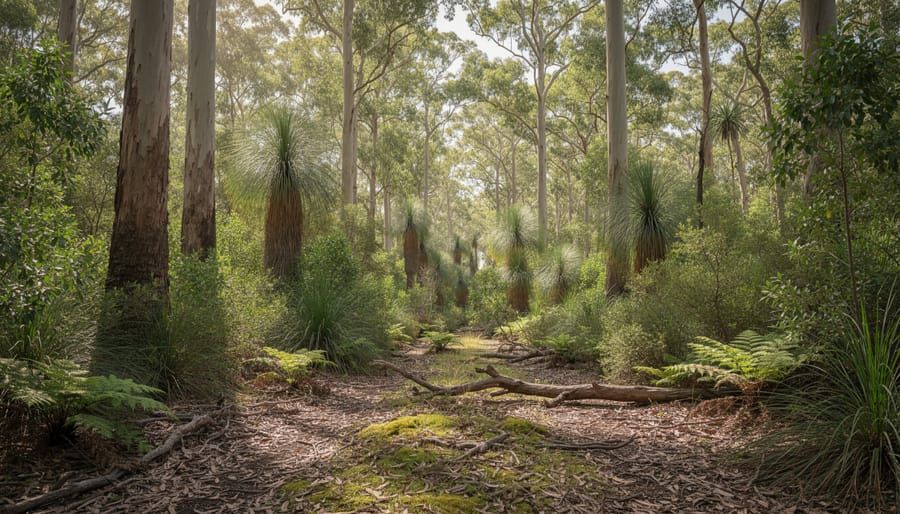
Yes, biomass is genuinely renewable, but here’s what makes it tick. Unlike fossil fuels that took millions of years to form, biomass operates on a human timescale through a beautiful natural cycle. Plants absorb carbon dioxide from the atmosphere as they grow, store that carbon in their trunks, branches, and leaves, then release it when burned for energy. The magic happens when new plants grow back, pulling that carbon right out of the air again.
Think of Australia’s eucalyptus forests, which have evolved to regenerate quickly after natural fires. When we harvest these trees sustainably for energy, then allow them to regrow, we’re essentially creating a closed carbon loop. The same principle applies to biomass sources like sugarcane bagasse or wheat stubble—agricultural waste that would exist anyway becomes valuable fuel, and next season’s crops begin the cycle afresh.
The key word here is “managed properly.” For biomass to remain truly renewable, we need to ensure plants regrow at the same rate or faster than we harvest them. This natural carbon recapture process distinguishes biomass from fossil fuels, which release ancient carbon without any corresponding removal from the atmosphere.
When done right, Australian farmers and foresters are already demonstrating this regenerative approach, turning organic waste into clean energy while maintaining healthy, productive landscapes for future generations.
Where the Renewable Label Falls Short
Here’s the reality: just because something can technically regrow doesn’t automatically make it good for the environment. Biomass sits in this tricky space where the renewable label can actually be misleading.
Think of it like this – a forest can regenerate after harvesting, which sounds brilliant on paper. But if we’re clearing native bushland faster than it can recover, or burning whole trees that took decades to grow, we’re releasing stored carbon immediately while waiting years for replacement growth to absorb it again. That’s not a sustainable cycle, even if it’s technically renewable.
The challenge becomes even clearer when we look at real-world practices. Some operations have cleared biodiverse Australian forests to plant single-species energy crops, destroying habitat and soil health in the process. Others source wood from overseas suppliers with questionable forestry practices. In these cases, biomass energy can actually increase greenhouse gas emissions compared to fossil fuels.
This gap between theory and practice matters enormously. Poor management transforms biomass from a potential climate solution into an environmental problem. The good news? Understanding this distinction helps us identify and support truly sustainable bioenergy projects that deliver both renewable energy and genuine environmental benefits.
When Biomass Becomes a Threat to Wildlife
The Hidden Cost of Native Forest Logging
While biomass remains technically renewable, the source of that biomass matters enormously for both carbon outcomes and biodiversity. When we harvest native forests for biomass energy, we’re often trading long-term environmental health for short-term renewable energy credentials.
Consider what happens when a native forest becomes a biomass source. These ecosystems, which have taken decades or centuries to develop, provide irreplaceable habitat for species like the greater glider and Leadbeater’s possum. When logging occurs, these creatures don’t simply relocate—they lose their homes, food sources, and the complex ecosystem relationships they depend upon.
The carbon equation tells an equally concerning story. Native forests store carbon in trees, soil, and undergrowth accumulated over generations. Harvesting and burning this biomass releases that stored carbon immediately, while regrowth—if it occurs at all—takes decades to recapture those emissions. Research from the Australian National University shows that burning native forest biomass can actually produce more emissions per unit of energy than coal in the short to medium term.
Tasmania’s forestry sector provides a real-world example. Native forest wood chips exported for biomass energy have sparked ongoing debate about whether this practice genuinely reduces emissions or simply shifts them elsewhere whilst damaging irreplaceable ecosystems.
The good news? We’re increasingly recognizing these hidden costs and shifting toward genuinely sustainable alternatives. Agricultural residues, purpose-grown energy crops on cleared land, and waste streams offer biomass options that don’t compromise native forests. By choosing our biomass sources carefully, we can harness renewable energy whilst protecting the biodiversity that makes Australia unique.
Monoculture Plantations: The Biodiversity Desert
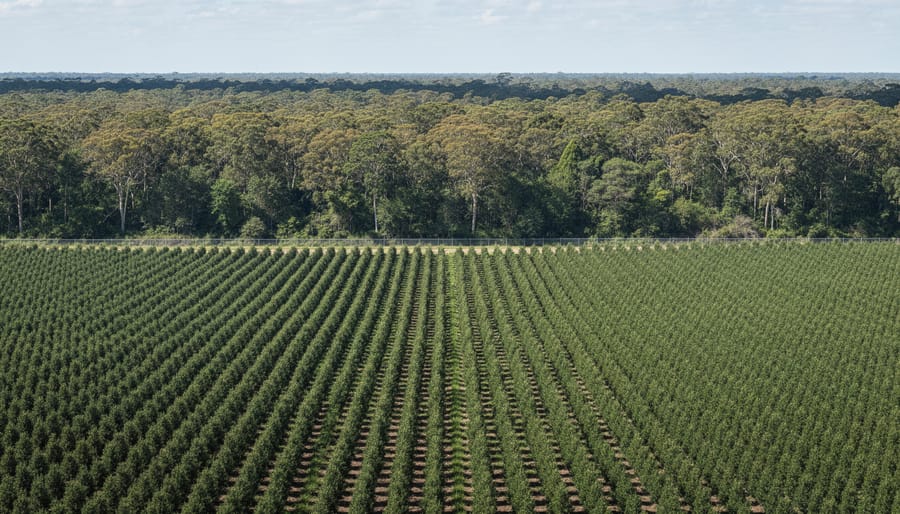
When we picture renewable energy, we often imagine clean, green solutions. Yet there’s a troubling reality lurking within some biomass operations: vast monoculture plantations that function as ecological dead zones. These single-species crops, while technically renewable, can devastate local biodiversity and transform thriving ecosystems into what scientists call “green deserts.”
Consider the difference between a natural Australian forest and a plantation of identical trees planted in perfect rows. The native forest buzzes with life—koalas, possums, countless bird species, insects, and understory plants all playing their part in a complex web. The monoculture plantation, by contrast, often supports minimal wildlife. Single-species crops lack the structural diversity and food sources that native animals need to survive.
Large-scale energy crop plantations frequently displace diverse native vegetation with fast-growing species like certain eucalyptus varieties or pine. While these grow quickly for harvesting, they create habitat deserts. Ground-dwelling species lose their homes, native birds find insufficient nesting sites, and the intricate relationships between plants, pollinators, and predators simply disappear.
The consequences extend beyond wildlife. Monocultures are more vulnerable to pests and diseases, often requiring increased pesticide use. They typically demand intensive irrigation and fertilisation, straining local water resources and potentially contaminating waterways. The soil itself suffers, losing the rich microbial communities that healthy ecosystems depend upon.
This doesn’t mean biomass cannot be renewable and sustainable—it means we must be discerning. The good news? Australians are pioneering better approaches. Rather than monocultures, innovative projects incorporate native species plantings, maintain biodiversity corridors, and integrate energy crops with existing agricultural landscapes. These methods prove that biomass can genuinely serve both renewable energy goals and ecological conservation.
The Smart Way to Harvest Energy and Protect Nature
Agricultural Waste: The Win-Win Resource
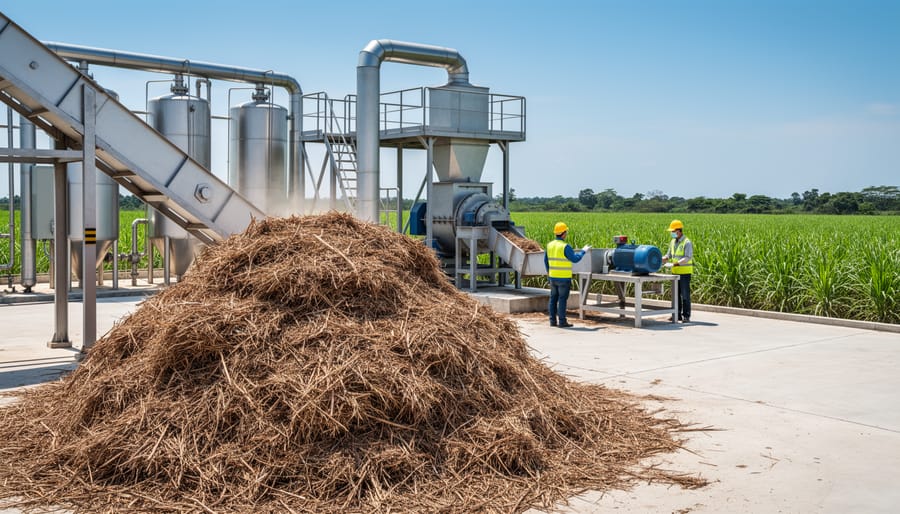
Here’s where biomass truly shines as a renewable resource: transforming what would otherwise go to waste into valuable energy. Agricultural byproducts like crop residues, sugarcane bagasse, and grain husks offer an exceptional win-win scenario. Rather than burning these materials in open fields or leaving them to decompose, converting agricultural waste into energy produces power without touching pristine forests or natural ecosystems.
Australian sugar mills have pioneered this approach brilliantly. Queensland’s sugar industry now generates enough electricity from bagasse to power entire regional communities while maintaining production operations. What was once considered waste now provides reliable, carbon-neutral energy that doesn’t compete with food production or natural habitats.
Cotton gin trash in New South Wales, wheat stubble across Victoria, and rice husks in the Riverina all represent untapped energy potential sitting right there on farms. Farmers gain additional income streams, regional communities access locally produced power, and the environment benefits from reduced methane emissions and avoided field burning.
The beauty of agricultural residue biomass lies in its simplicity: it’s already harvested, already collected, and already at the farm gate. There’s no need to clear land, plant energy crops, or transport materials across vast distances. This ready-made resource represents biomass renewable energy at its most sustainable, turning yesterday’s waste into tomorrow’s power whilst protecting the native ecosystems that truly matter.
Strategic Thinning That Helps Forests Thrive
When managed thoughtfully, forest thinning for biomass collection can actually strengthen ecosystems rather than diminish them. It’s a concept that might seem counterintuitive at first, but the evidence tells a compelling story.
Australia’s forests face mounting pressures from climate change, with catastrophic bushfires becoming increasingly common. Strategic thinning removes excess undergrowth and smaller trees that would otherwise serve as dangerous fuel loads during fire season. By reducing this material through biomass harvesting, land managers create firebreaks and healthier forest structures that can better withstand blazes. The 2019-2020 Black Summer fires demonstrated just how crucial this prevention work has become.
Beyond fire mitigation, smart harvesting practices help address invasive species that crowd out native vegetation. In regions like the Blue Mountains and Victorian forests, targeted removal of weeds and competing species allows threatened native plants to flourish again, creating space for wildlife corridors and diverse habitats.
The key lies in selectivity. Rather than clear-felling, properly managed operations remove specific materials while preserving old-growth trees, hollow-bearing logs essential for wildlife, and the complex forest structure that supports biodiversity. Queensland’s plantation forests demonstrate this balance beautifully, where thinning operations have improved habitat quality for species like the greater glider while generating renewable energy feedstock.
This approach transforms potential waste into resource, turning forest health management into a win-win scenario for both conservation and clean energy production.
Native Vegetation Integration Models
A quiet revolution is reshaping how we think about biomass production in Australia. Rather than viewing energy crops as separate from conservation, forward-thinking projects are demonstrating that biomass can actually strengthen native ecosystems when done right.
Take the approach pioneered by several Australian landholders who are integrating native species like eucalypts, acacias, and casuarinas into their biomass operations. These trees aren’t just carbon stores waiting to become energy—they’re creating living corridors that connect fragmented bushland, giving wildlife safe passage across agricultural landscapes. In Queensland’s Darling Downs, one innovative farm has planted native species along waterways specifically for sustainable harvesting while simultaneously reducing erosion and providing habitat for local birds and marsupials.
The beauty of native vegetation integration lies in its dual purpose. Strategic planting of indigenous species for biomass creates shelter belts that protect crops, draws beneficial insects that control pests naturally, and improves soil health through nitrogen fixation. When harvest time arrives, selective thinning mirrors natural disturbance patterns, maintaining ecosystem function while generating renewable energy.
In Western Australia, restoration projects are incorporating biomass harvest into vegetation recovery programs. Rather than clearing invasive species and leaving them to rot, these initiatives process woody weeds into bioenergy while simultaneously establishing native seedlings. The result? Landscapes that look healthier, support more biodiversity, and contribute to renewable energy targets.
This approach proves that biomass production needn’t compete with nature—it can actively enhance it, creating landscapes that serve both people and wildlife.
What Sustainable Biomass Certification Actually Means
Reading Between the Green Labels
Not all biomass operations are created equal, and that’s where certification standards become your compass for navigating genuine sustainability. In Australia, several key frameworks help distinguish responsible biomass production from practices that might harm our unique ecosystems.
The Renewable Energy Target (RET) scheme sets fundamental criteria for what qualifies as renewable energy, including biomass sources. For forest-based biomass, the Responsible Wood certification adapts international standards to Australian conditions, ensuring timber comes from sustainably managed forests where biodiversity thrives alongside harvesting.
The Australian Forestry Standard (AFS) takes things further, measuring everything from native species protection to water quality impacts. These certifications aren’t just paperwork—they require regular audits, transparent reporting, and evidence that wildlife corridors remain intact and regeneration happens naturally.
When evaluating biomass projects, look for operations certified under these schemes. They demonstrate commitment to protecting habitat for koalas, gliders, and countless other species that call our forests home. A Queensland timber mill using AFS-certified residues, for instance, operates within strict guidelines that prevent over-harvesting and maintain ecosystem health.
Think of certifications as a bridge between renewable energy goals and biodiversity conservation—proof that biomass can be both renewable and responsible when proper safeguards guide the industry forward.
Red Flags in Biomass Sourcing
Not all biomass operations are created equal, and knowing what to watch for can help you separate genuinely sustainable practices from greenwashing. One major red flag is sourcing from old-growth forests or areas with high biodiversity value. If a biomass project can’t clearly demonstrate it’s using agricultural waste, plantation timber, or dedicated energy crops, that’s cause for concern.
Watch out for vague claims about carbon neutrality without transparent lifecycle assessments. Sustainable operations should readily share information about their supply chains, including transport distances. If biomass is travelling thousands of kilometres to reach a facility, the carbon footprint quickly erodes any renewable benefits.
Another warning sign is lack of certification from recognised bodies like the Responsible Wood Programme or international standards. Projects that can’t demonstrate replanting schedules, soil health monitoring, or community consultation may be cutting corners that ultimately harm ecosystems.
In Australia, successful biomass ventures like those using sugarcane bagasse in Queensland demonstrate transparency and local sourcing. When evaluating any biomass project, don’t hesitate to ask tough questions about origin, processing methods, and environmental monitoring. Your scrutiny helps ensure biomass lives up to its renewable potential.
Australia’s Path Forward: Making Biomass Work for Nature
Pioneering Projects Leading the Way
Across Australia, forward-thinking projects are proving that biomass energy and biodiversity protection aren’t mutually exclusive—they’re complementary goals that strengthen each other when done right.
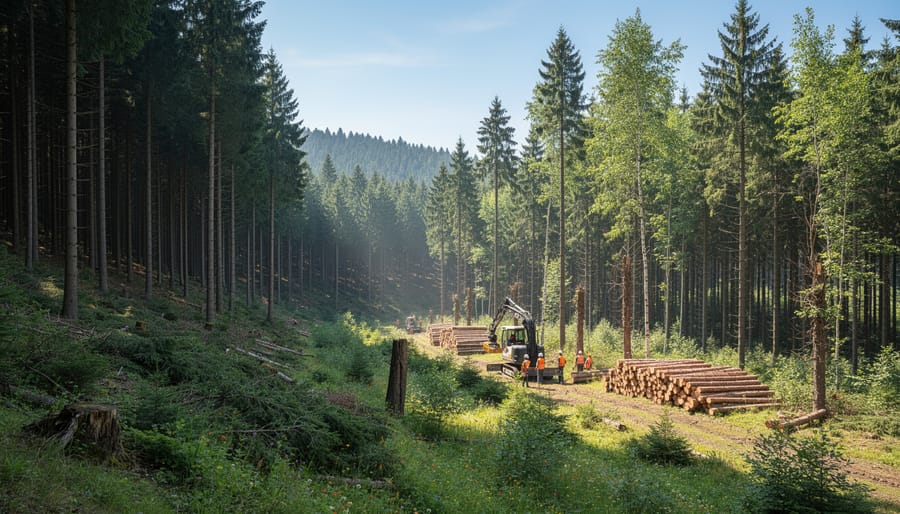
In South Australia, the Green Triangle region has become a testament to what’s possible. Forestry residues that once posed fire risks and disposal challenges now fuel local energy production while maintaining the ecological integrity of native habitats. By carefully harvesting only waste materials—branches, bark, and thinnings—operators support both renewable energy generation and forest health. The region’s approach includes comprehensive environmental monitoring that tracks wildlife populations and vegetation patterns, ensuring energy production never compromises the ecosystem. This model demonstrates how waste-to-energy approaches can simultaneously address multiple environmental challenges.
Meanwhile, Queensland’s sugar cane industry offers another inspiring example. Mills across the state now convert bagasse—the fibrous residue left after juice extraction—into electricity that powers operations and feeds into the grid. What makes this particularly impressive is the parallel commitment to protecting riparian corridors and wetlands surrounding cane fields. These buffer zones provide crucial habitat for native species while filtering agricultural runoff, showing that biomass production facilities can actively contribute to landscape restoration.
In Victoria, dairy farms are pioneering anaerobic digestion systems that transform manure into biogas. These operations carefully integrate wildlife-friendly practices, maintaining native vegetation patches and waterway setbacks that support local biodiversity. The lesson here is clear: when biomass projects prioritise ecological outcomes from day one, they create triple wins—renewable energy, waste management, and habitat conservation working together seamlessly.
Your Role in Renewable Energy That Protects Wildlife
You have more power than you might think to shape Australia’s renewable energy future while protecting our unique wildlife. Start by choosing energy providers committed to certified sustainable biomass or those investing in native ecosystem restoration projects. Ask your electricity retailer where their biomass comes from—consumer questions drive industry accountability.
For businesses, consider partnering with local biomass producers who demonstrate genuine biodiversity stewardship. A Melbourne-based brewery recently switched to biomass heating sourced exclusively from urban tree pruning waste, simultaneously reducing landfill and their carbon footprint without touching native forests.
Communities can advocate for council policies that prioritize biodiversity-positive biomass development. Support local environmental groups monitoring biomass operations and participating in planning consultations. Share success stories on social media to inspire others—positive examples spread faster than criticism.
If you’re a landowner, explore opportunities to supply agricultural waste to biomass facilities rather than burning it in the paddock, creating additional income while improving air quality. Garden enthusiasts can compost organic waste rather than sending it to landfill, embodying circular economy principles at home.
Remember, every purchasing decision, every question asked, and every voice raised for responsible biomass use contributes to protecting Australia’s precious wildlife while advancing our renewable energy goals. Your choices genuinely matter in shaping how we power our future.
So, is biomass a renewable resource? The answer is yes, but that’s only half the story. Biomass naturally replenishes through photosynthesis and biological cycles, making it fundamentally renewable. However, whether it’s genuinely sustainable depends entirely on how we manage it. A clear-felled old-growth forest converted to woodchips isn’t sustainable, regardless of its technical renewability. But agricultural waste powering a local community? That’s both renewable and responsible.
The good news is that Australia has tremendous potential to get this right. We’re blessed with abundant agricultural residues, innovative communities already pioneering waste-to-energy projects, and a growing understanding of how bioenergy can complement rather than compete with conservation goals. From sugarcane bagasse in Queensland to municipal waste facilities in Melbourne, success stories demonstrate that biomass can contribute meaningfully to our renewable energy mix without sacrificing our unique biodiversity.
The path forward requires thoughtful choices. We need robust regulations that protect native ecosystems, incentives for genuinely sustainable practices, and transparent certification systems that reward responsible producers. Most importantly, we need commitment from businesses, policymakers, and communities to prioritize both climate action and ecological protection.
This isn’t about choosing between energy and environment. It’s about recognizing that truly sustainable bioenergy supports both. Every decision to source biomass responsibly, every investment in waste-to-energy infrastructure, and every policy protecting native forests while supporting agricultural residue use moves us closer to a cleaner, greener future. Australia’s biodiversity and energy security aren’t competing interests—with smart biomass management, they’re complementary goals we can achieve together. The choice, ultimately, is ours to make.