

Imagine a building that learns your energy habits and automatically adjusts heating, cooling, and lighting to slash power consumption by up to 40 percent—without sacrificing comfort. This isn’t science fiction; it’s adaptive learning technology already transforming how Australian businesses and households approach energy efficiency. At the Melbourne Convention and Exhibition Centre, intelligent systems now predict occupancy patterns and optimise climate control, saving 200,000 kilowatt-hours annually while maintaining ideal conditions for visitors.
Adaptive learning applies artificial intelligence to energy management, creating systems that observe patterns, predict needs, and refine their performance over time. Unlike traditional programmable thermostats that follow rigid schedules, these intelligent platforms respond to real-world variables—weather fluctuations, occupancy changes, equipment performance—making smart energy choices automatic rather than manual. For Australian organisations pursuing sustainability targets, this technology offers a practical pathway to meaningful emissions reductions without operational disruption.
The connection between adaptive learning and renewable energy runs deeper than efficiency alone. Intelligent systems optimise when and how buildings consume power, aligning demand with periods of high renewable generation—particularly crucial as Australia’s grid incorporates more solar and wind capacity. In bioenergy applications, adaptive algorithms fine-tune biomass combustion systems, maximising heat output while minimising waste and emissions. These platforms essentially teach themselves to perform better, continuously improving as they gather more data about your specific energy environment.
This article explores how adaptive learning transforms energy efficiency from theoretical possibility into measurable reality, examining proven applications across Australian contexts, implementation strategies for different scales, and the remarkable synergy between intelligent systems and renewable energy sources like bioenergy.
What Makes Energy Systems ‘Adaptive’?
The Technology Behind the Learning
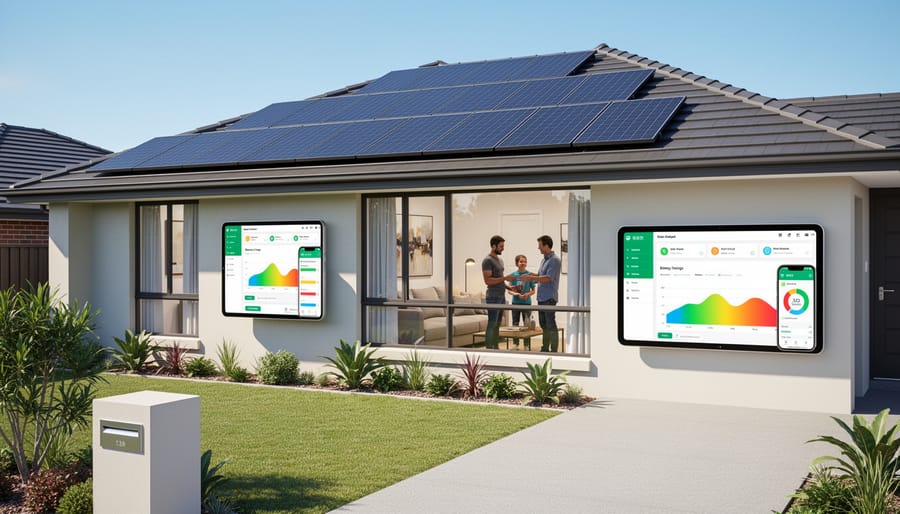
At the heart of adaptive learning systems lies a surprisingly straightforward concept: sensors gather information, algorithms analyse patterns, and systems automatically adjust to optimise energy use. Think of it as giving your building or industrial facility a smart nervous system that learns from experience.
The process begins with sensors collecting real-time data about energy consumption, temperature, occupancy, equipment performance, and environmental conditions. These might be simple temperature monitors or sophisticated smart meters tracking electricity usage patterns throughout the day. In Australian manufacturing facilities, for example, sensors monitor everything from peak demand periods during scorching summer afternoons to off-peak usage during cooler evenings.
This data flows into machine learning algorithms that identify patterns humans might miss. Rather than requiring complex programming for every scenario, these algorithms learn by observation. They recognise that certain combinations of weather conditions, time of day, and operational needs correlate with specific energy requirements. Over time, the system becomes increasingly accurate at predicting and responding to these patterns.
Modern digital platforms for energy management make this technology accessible without requiring technical expertise. The beauty is that these systems continuously improve themselves, becoming smarter with each day of operation. A biomass facility in regional Victoria, for instance, saw its adaptive system reduce unnecessary heating cycles by 30% within just three months of learning operational patterns, demonstrating how technology quietly works behind the scenes to deliver substantial energy savings.
Real-Time Adjustments That Save Energy
Adaptive learning systems act like attentive energy managers, constantly monitoring conditions and making smart adjustments throughout the day. When a cool change sweeps across Melbourne or a heatwave hits Brisbane, these intelligent systems respond immediately, optimizing heating and cooling before occupants even notice the temperature shift.
In Australian commercial buildings, adaptive systems track occupancy patterns with remarkable precision. A manufacturing facility in Adelaide recently reduced energy consumption by 28% after installing sensors that detect when workers arrive, adjusting lighting and climate control accordingly. The system learned that certain warehouse sections remained empty during lunch breaks and automatically powered down unnecessary equipment during those windows.
Weather pattern integration proves particularly valuable across Australia’s diverse climate zones. In Perth, adaptive systems reduce cooling loads by opening automated vents during the evening when ocean breezes bring relief. Meanwhile, facilities in Tasmania capitalize on predictable weather patterns, pre-heating buildings just before cold snaps using the most cost-effective energy sources available.
These systems also respond to grid demand signals, shifting energy-intensive operations to off-peak periods when renewable energy is abundant. A Queensland food processing plant now runs its refrigeration cycles during midday solar peaks, storing cold energy for later use. This approach not only slashes electricity bills but reduces strain on the grid during evening demand surges.
The beauty of real-time adjustments lies in their cumulative impact. Small, continuous optimizations throughout the day add up to substantial energy savings, often reducing consumption by 20-35% without compromising comfort or productivity.
Adaptive Learning in Australian Homes and Businesses
Smart Heating and Cooling Systems
Australia’s scorching summers and chilly winters make heating and cooling the biggest energy guzzlers in most homes and businesses, accounting for roughly 40% of household energy use. But here’s the good news: smart HVAC systems are changing the game by learning your patterns and adapting accordingly.
These clever systems work by monitoring when you’re home, tracking weather forecasts, and adjusting temperatures before you even notice the change. They learn that you leave for work at 8am Monday to Friday, so there’s no point cooling an empty house. They know you arrive home around 6pm, so they start cooling down at 5:30pm, ensuring comfort while avoiding peak tariff times. During Melbourne’s unpredictable spring days, the system checks tomorrow’s forecast and adjusts overnight temperatures accordingly.
The real beauty lies in the results. A Sydney office building recently installed adaptive HVAC controls and saved $23,000 annually on energy bills. A Brisbane family reduced their cooling costs by 35% in just one summer. These systems can reduce energy costs significantly while maintaining comfort.
When paired with renewable energy sources like biomass heating systems, the savings multiply. The technology preheats or precools your space using cheaper off-peak renewable energy, stored when the sun’s shining or biomass generators are running efficiently. It’s not just about comfort anymore; it’s about intelligent energy management that benefits your wallet and the environment simultaneously.
Intelligent Energy Storage and Distribution
Imagine your home or business as a living, breathing organism that learns to breathe with the rhythm of the sun and wind. That’s essentially what intelligent energy storage systems do when paired with adaptive learning technology. These clever systems transform how we manage power from solar panels and bioenergy sources, making split-second decisions that would take humans hours to calculate.
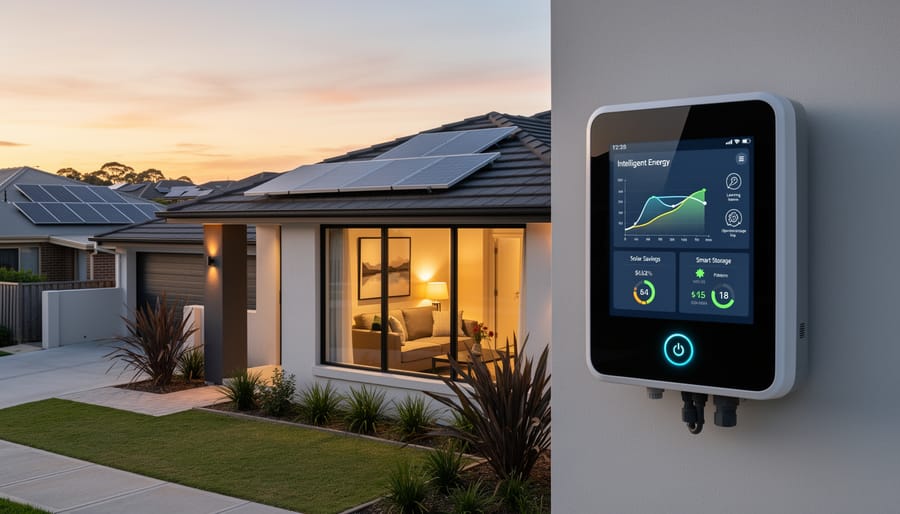
Here’s how it works in practice: adaptive algorithms continuously monitor your energy production, consumption patterns, weather forecasts, and real-time grid electricity prices. When your solar panels are pumping out excess energy on a sunny Queensland afternoon, the system decides whether to charge your batteries, power your operations immediately, or sell surplus energy back to the grid when prices peak. It’s like having a tireless energy manager working 24/7.
A manufacturing facility in regional Victoria recently installed this technology alongside their biomass energy system. Within six months, the adaptive system learned their production cycles and optimized battery charging during off-peak hours while selling energy during afternoon price surges. The result? A 35% reduction in energy costs and nearly complete energy independence during daylight hours.
The beauty of these systems lies in their continuous improvement. Each day, they become smarter, learning from seasonal patterns, equipment upgrades, and changing consumption habits. For Australian businesses juggling variable renewable energy output with operational demands, this technology bridges the gap between sustainability goals and practical energy management, making renewable energy not just environmentally responsible but financially savvy too.
Bioenergy Gets Smarter with Adaptive Technology
Optimizing Biomass Feed and Combustion
Adaptive learning systems are revolutionising how biomass facilities operate across Australia, transforming what was once guesswork into precision science. These intelligent systems continuously monitor and analyse biomass characteristics like moisture content, particle size, and composition, then automatically adjust processing parameters to squeeze every bit of energy from the feedstock.
Think of it as having a tireless operator who learns from every batch processed. When wet eucalyptus chips arrive from Tasmania’s forestry operations, the system recognises the higher moisture content and adjusts drying times and combustion air ratios accordingly. When drier sugarcane bagasse flows through from Queensland mills, it optimises for rapid processing without wasting energy on unnecessary drying.
The real magic happens over time. These systems learn seasonal patterns, recognise quality variations between suppliers, and predict optimal operating conditions before feedstock even enters the facility. A biomass plant in regional Victoria reported a 23 percent improvement in energy output after implementing adaptive controls, simply because the system learned to respond intelligently to their diverse agricultural waste streams.
By matching combustion conditions precisely to feedstock characteristics and energy demand patterns, these adaptive systems slash waste while maximising output. It’s efficiency that learns and improves daily, making renewable energy more viable and economically competitive for Australian communities.
Predicting Energy Demand from Agricultural Waste
Across rural Australia, farmers are sitting on a goldmine of potential energy, but the challenge has always been knowing how much agricultural waste they’ll have and when. That’s where adaptive learning systems are making a real difference. These intelligent platforms analyse historical crop yields, seasonal patterns, weather data, and farming practices to accurately forecast the availability of agricultural residues like wheat stubble, cotton gin trash, and sugar cane bagasse.
In Queensland’s sugar belt, adaptive learning algorithms help bioenergy facilities predict bagasse quantities months in advance by learning from years of crushing data and climate patterns. The system continuously refines its predictions as new information comes in, adjusting for unexpected drought conditions or bumper harvests. This means operators can plan maintenance schedules, negotiate energy contracts with confidence, and ensure their facilities run at optimal capacity.
For farmers, this technology provides clarity about the value of their waste streams throughout the year. In Western Australia, grain growers now receive reliable forecasts showing when their stubble will be most valuable for energy production, helping them make informed decisions about collection and delivery timing. The result? Better planning, reduced waste, and a more reliable renewable energy supply that benefits both agricultural communities and the broader push toward sustainable energy independence.
The Environmental and Economic Wins
When we talk about adaptive learning systems in energy efficiency, we’re not just discussing clever technology – we’re looking at a genuine game-changer for both our environment and our hip pockets. The numbers tell a compelling story that every Australian should hear.
Consider this: buildings equipped with adaptive learning systems typically reduce their energy consumption by 20 to 30 percent within the first year alone. For a medium-sized commercial building in Melbourne, that translates to roughly 50 tonnes of carbon dioxide emissions prevented annually – equivalent to taking ten cars off the road permanently. Across Australia’s commercial sector, widespread adoption could prevent millions of tonnes of greenhouse gas emissions, bringing us significantly closer to our net-zero targets.
The economic benefits are equally impressive. A manufacturing facility in Newcastle recently shared their experience after implementing adaptive learning controls across their operations. Their energy bills dropped by $180,000 in the first year, with the system paying for itself in under three years. But here’s where it gets really interesting – they reinvested those savings into solar panels and biomass heating systems, creating a virtuous cycle of sustainability that keeps delivering returns.
These systems don’t just save money through reduced consumption. They extend equipment lifespan by preventing unnecessary wear and tear, reducing maintenance costs by up to 25 percent. For Australian businesses navigating tight margins, this represents a practical pathway to improved competitiveness while doing right by the environment.
The job creation potential shouldn’t be overlooked either. As more organizations embrace these technologies, demand grows for skilled technicians, data analysts, and energy consultants. Industry reports suggest adaptive energy systems could generate over 15,000 new jobs in Australia by 2030, particularly in regional areas where manufacturing and agriculture intersect with renewable energy innovation.
By combining adaptive learning with lasting energy-saving habits, organizations create compound benefits that extend well beyond immediate cost reductions. This isn’t just about adopting new technology – it’s about building a more resilient, sustainable future that makes economic sense today.
Getting Started with Adaptive Energy Solutions
Accessible Technology for Every Budget
Getting started with adaptive learning technology doesn’t require a massive investment. Entry-level options like smart thermostats begin around $200-400, with popular Australian models from Honeywell and Google Nest learning your heating and cooling patterns to reduce energy waste by up to 20%. These devices pay for themselves within 18 months for most households.
Mid-range solutions include smart lighting systems ($800-2,000) that adjust brightness based on natural light and occupancy, perfect for small businesses and offices. Brisbane-based company Zeplin offers locally-developed options that integrate seamlessly with Australian electrical standards.
For comprehensive energy management, building management systems start from $5,000 for small commercial applications, scaling up to $50,000+ for large facilities. Melbourne’s Wattwatchers provides real-time monitoring systems that identify energy waste and optimize consumption patterns across entire buildings.
The beauty of this technology is its scalability. Start small with a smart thermostat, then expand as you see the savings add up. Many Australian suppliers offer bundled packages and installation support, making the transition straightforward. Government rebates and incentives in several states further reduce upfront costs, putting smart energy efficiency within reach of every budget.
Australian Grants and Support Programs
Good news for Aussies looking to embrace adaptive energy technologies – the Australian Government has rolled out substantial support programs to make the transition easier on your hip pocket. The Australian Renewable Energy Agency (ARENA) provides grants for innovative projects that incorporate smart energy management systems, including adaptive learning technologies for renewable installations. Meanwhile, the Clean Energy Finance Corporation (CEFC) offers competitive financing options specifically designed for businesses and organisations implementing intelligent energy solutions.
State-based incentives sweeten the deal further. Victoria’s Energy Saver Incentive program helps households and businesses upgrade to smarter, more efficient systems, while New South Wales offers rebates through the Empowering Homes program for battery storage with adaptive capabilities. South Australia leads the pack with its Home Battery Scheme, supporting energy storage systems that learn and optimise your consumption patterns.
For businesses integrating adaptive learning with bioenergy applications, the Emissions Reduction Fund provides carbon credits, creating an additional revenue stream while you reduce your environmental footprint. Regional communities can tap into specific funding through the Regional and Remote Communities Reliability Fund, making adaptive energy technology accessible beyond major cities. These programs demonstrate Australia’s commitment to building a smarter, cleaner energy future that benefits everyone.
Australia stands at the threshold of an energy revolution, and adaptive learning technologies represent a powerful pathway toward a cleaner, more sustainable future. The integration of intelligent systems into our energy infrastructure isn’t just about cutting costs or reducing consumption—it’s about fundamentally transforming how we interact with power in our homes, businesses, and communities. Every smart thermostat, every optimized solar panel, and every adaptive heating system contributes to a collective movement that’s reshaping our nation’s energy landscape.
The beauty of adaptive learning lies in its accessibility. You don’t need to be an engineer or environmental scientist to participate in this transformation. By embracing these technologies in your daily life, you become part of something much larger—a nationwide effort to build a more resilient, efficient energy future. The Australian success stories we’ve explored demonstrate that meaningful change begins with individual action multiplied across communities.
As we transition toward renewable energy sources like bioenergy, adaptive learning systems will play an increasingly vital role in maximizing efficiency and minimizing waste. The technology exists. The benefits are proven. Now it’s time to take action. Whether you’re a homeowner considering smart home upgrades, a business leader evaluating energy management systems, or a policymaker shaping future regulations, your choices matter. Together, through small steps and smart decisions, we’re creating an Australia powered by innovation, sustainability, and collective responsibility.