
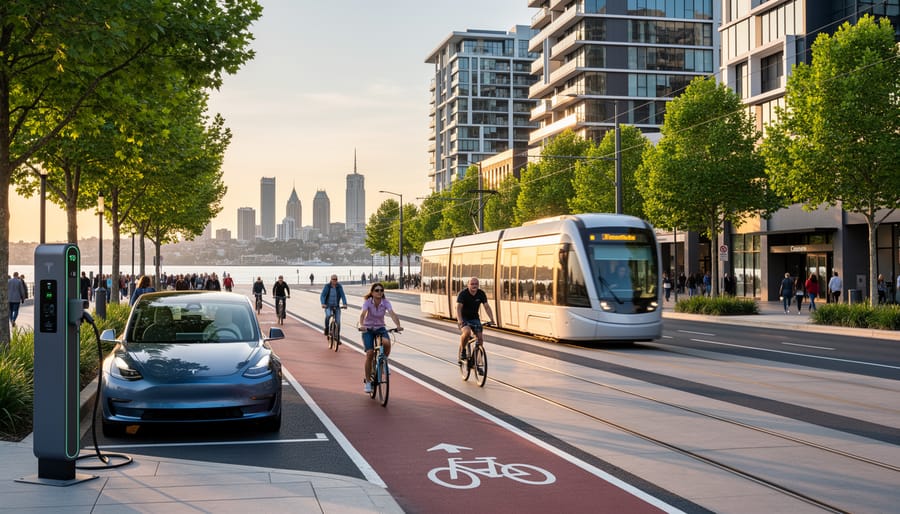
Every morning, millions of Australians face the same challenge: getting from point A to point B whilst navigating congested roads, unreliable transport, and the growing awareness that our current mobility habits are heating the planet. The good news? Cities across Australia and the world are reimagining how we move, creating urban mobility systems that prioritise people, sustainability, and livability over car-centric infrastructure.
Urban mobility systems represent the integrated networks of transport options, technologies, and policies that enable efficient, accessible movement within cities. Think beyond just buses and trains. These systems encompass bike-sharing schemes, electric vehicle charging networks, pedestrian-friendly streetscapes, smart traffic management, and innovative last-mile solutions that work together seamlessly. When designed thoughtfully, they transform urban spaces from pollution-choked corridors into vibrant, breathable communities.
Australian cities are already leading remarkable transformations. Melbourne’s extensive tram network moves thousands daily with minimal emissions. Brisbane’s CityCycle program and Sydney’s expanding light rail demonstrate how diverse transport modes can reduce car dependency. These aren’t distant dreams but working realities proving that sustainable mobility is both achievable and desirable.
The environmental benefits extend beyond reducing tailpipe emissions. When urban mobility systems incorporate renewable energy sources, including bioenergy-powered public transport fleets and green electricity for rail networks, cities dramatically shrink their carbon footprints. Integrated systems also encourage active transport like walking and cycling, improving public health whilst cutting emissions.
This shift matters for every Australian. Whether you’re a daily commuter frustrated by traffic, a parent concerned about air quality, or a business leader recognising sustainability’s economic advantages, urban mobility systems offer practical pathways toward cleaner, more efficient cities. The transformation is underway, and understanding these systems empowers you to participate in shaping Australia’s sustainable urban future.
What Urban Mobility Systems Actually Mean for Your Daily Commute
Urban mobility systems might sound like transport jargon, but they’re actually reshaping how Australians navigate their cities every day. Rather than simply referring to buses and trains, these systems represent an interconnected network of transport options designed to move people efficiently while reducing environmental impact.
Think about your typical weekday morning. Traditional transport meant choosing between driving your car or catching a specific bus route. Urban mobility systems flip this approach entirely. Now imagine checking an app that shows you can walk five minutes to a bike-share station, pedal to the train station, catch an electric train to work, then grab a shared e-scooter for the final stretch. That seamless journey, powered by renewable energy and smart technology, is what urban mobility is all about.
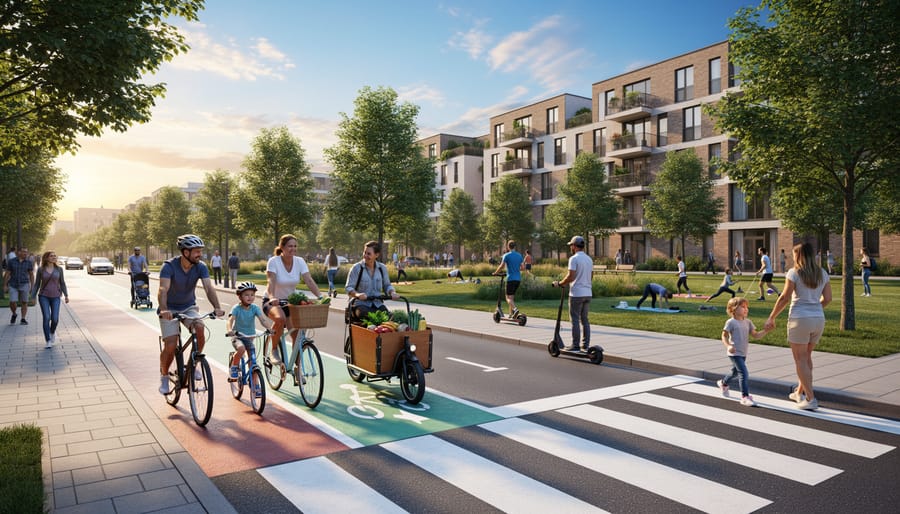
These sustainable transport solutions matter because they tackle real challenges facing Australian families. The school run becomes less stressful when dedicated cycling paths let your kids ride safely. Weekend trips to the footy or beach don’t require circling for parking when efficient light rail connects directly to entertainment precincts. Your work commute transforms from sitting in traffic to productive time reading or catching up on emails aboard clean-energy buses.
What sets urban mobility apart is integration and choice. Brisbane’s success story demonstrates this beautifully, where residents seamlessly combine CityCats, buses, and bike-share schemes throughout their day. Melbourne’s expanding tram network, increasingly powered by renewable sources, connects diverse neighbourhoods while reducing carbon emissions.
For environmentally conscious Australians, these systems deliver tangible benefits beyond convenience. Every trip taken via shared electric transport or biofuel-powered buses reduces your carbon footprint. When entire networks run on renewable energy, including bioenergy from local organic waste, your daily commute actively contributes to Australia’s sustainability goals rather than working against them.
The Transport Revolution Reshaping Australian Cities
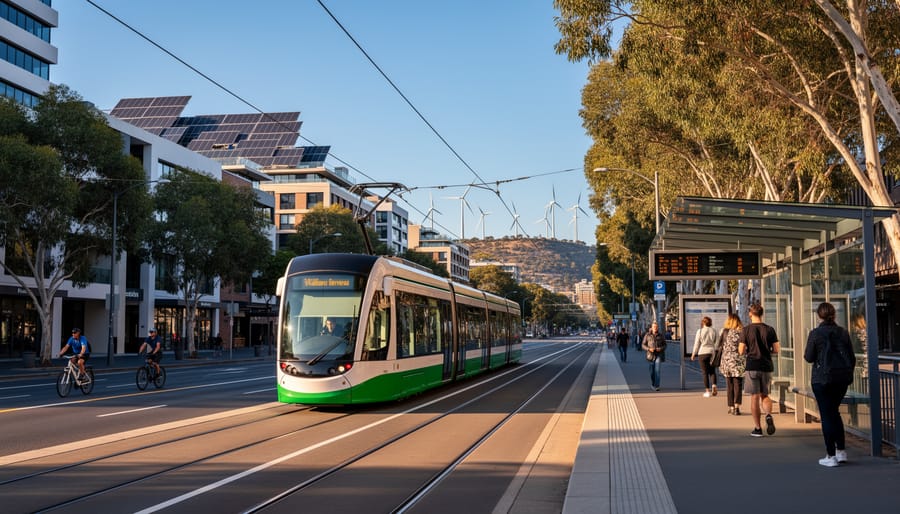
Electric and Biofuel-Powered Public Transport
Australia’s cities are proving that clean, efficient public transport isn’t just a future dream—it’s happening right now. Across the country, electric and biofuel-powered buses, trams, and trains are transforming how we move whilst slashing carbon emissions.
Brisbane leads the charge with Australia’s first electric bus fleet trials, where zero-emission vehicles are quietly gliding through the city’s busiest routes. These battery-powered buses produce no tailpipe emissions and run significantly cheaper than their diesel counterparts, saving councils money that can be reinvested in expanding renewable energy infrastructure.
Melbourne’s tram network, already one of the world’s largest, is increasingly powered by renewable energy sources, including biofuels derived from organic waste. This clever approach turns yesterday’s food scraps and agricultural residue into today’s clean transport fuel, creating a genuine circular economy.
In Sydney, hybrid and biodiesel buses are reducing emissions across the metropolitan network, with some routes now running entirely on fuel made from recycled cooking oil and organic materials. The results speak for themselves: cleaner air, quieter streets, and a significant reduction in greenhouse gases.
Regional centres aren’t missing out either. Adelaide has introduced hydrogen-powered buses, whilst the ACT is transitioning its entire fleet to zero-emission vehicles by 2040. These success stories demonstrate that sustainable public transport works at any scale, proving we can move millions of Australians daily whilst protecting the environment we all call home.
Shared Mobility Services That Actually Work
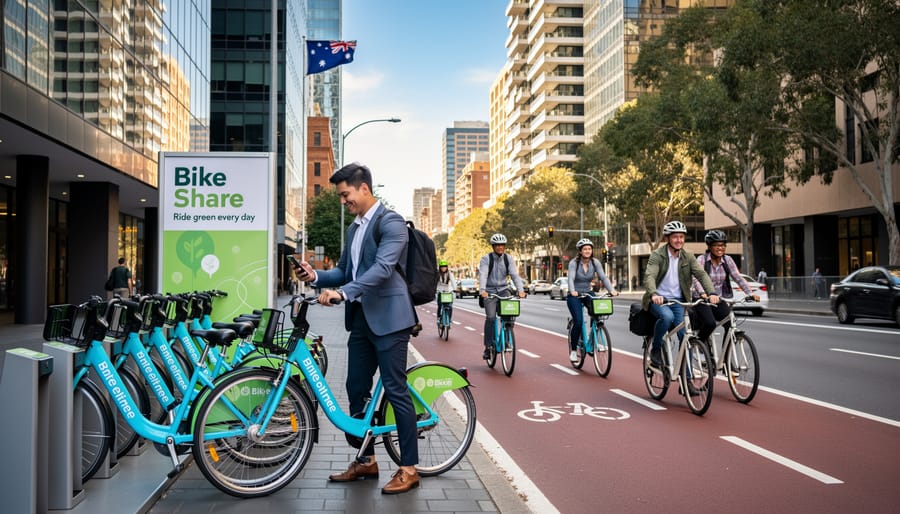
Shared mobility is transforming how Australians navigate cities, offering a practical alternative to private car ownership while delivering impressive environmental benefits. These services work by providing on-demand access to vehicles and bikes, reducing the number of cars on our roads and the emissions they produce.
Melbourne’s bike-sharing program stands out as a success story, with thousands of trips taken daily across the city. Users simply unlock a bike through their smartphone, ride to their destination, and park it for the next person. This model has proven particularly effective when integrated with public transport, allowing commuters to cover that tricky ‘last kilometre’ from train stations to their final destinations.
E-scooter programs in Brisbane and Adelaide have taken off remarkably quickly, appealing especially to younger urban residents. These zippy vehicles produce zero direct emissions and help reduce short car trips that are particularly polluting due to cold engine starts. What makes them work is thoughtful implementation – designated parking zones, speed limits in busy areas, and regular fleet maintenance keep riders safe and neighbourhoods tidy.
Car-sharing services like GoGet and Popcar have gained traction in Sydney and other major centres, demonstrating that Australians don’t necessarily need to own vehicles when shared options provide flexibility. Research shows that each shared car removes up to 10 private vehicles from the road, freeing up parking spaces and reducing manufacturing emissions.
The real magic happens when these services run on renewable energy – e-scooters and bikes charged by solar power, or electric shared cars powered by wind energy. This combination creates genuinely sustainable urban mobility that’s accessible, affordable, and better for our environment.
Smart Traffic Systems Cutting Fuel Waste
Picture this: you’re sitting at a red light, engine idling, watching the clock tick as precious fuel disappears into thin air. It’s a familiar frustration for Australian commuters, but innovative cities are now turning traffic lights intelligent. AI-powered traffic management systems are transforming how our streets flow, using real-time data to adjust signal timing and reduce unnecessary stopping. In Sydney and Melbourne, these smart systems are already cutting idle time by up to 25%, which translates directly into lower emissions and fuel savings.
Integrated transport apps are the second piece of this puzzle, helping commuters plan multimodal journeys that avoid congestion hotspots entirely. These platforms combine real-time bus, train, and tram data with traffic conditions, suggesting the quickest and cleanest routes. The result? Smoother journeys where vehicles spend more time moving efficiently and less time burning fuel while stationary. For everyday Aussies, this means arriving calmer, spending less at the bowser, and contributing to cleaner air in our cities. It’s practical technology delivering tangible environmental wins right now.
The Bioenergy Connection You Haven’t Heard About
Australia’s waste is fuelling a transport revolution you might not expect. Cities across the country are transforming organic waste and biomass into renewable energy that powers buses, collection vehicles, and charging infrastructure. Brisbane’s fleet of waste collection trucks now runs partly on gas captured from the very landfills they service, closing the loop in brilliant fashion. Meanwhile, Sydney’s buses are increasingly powered by biomethane derived from food waste and sewage treatment plants. This creates a circular economy where yesterday’s rubbish becomes today’s fuel, reducing landfill emissions whilst keeping transport moving. The beauty of this approach lies in its dual benefit: we’re tackling waste management challenges while simultaneously decarbonising urban transport. Some councils are even exploring algae-based biofuels for municipal vehicles, proving that innovative thinking can turn environmental challenges into practical solutions that benefit communities and the planet alike.
Real Australian Cities Making It Happen
Melbourne’s Transport Transformation
Melbourne is leading the charge in sustainable urban transport, showing what’s possible when cities commit to green mobility. The city’s iconic tram network, already the largest in the world, now runs entirely on renewable energy—a massive win for reducing transport emissions. Every journey on Melbourne’s trams is powered by wind and solar, cutting approximately 80,000 tonnes of greenhouse gas emissions annually.
Beyond greening existing infrastructure, Melbourne is pioneering mobility hubs that bring different transport options together in one convenient spot. These hubs combine bike-sharing, e-scooters, charging stations for electric vehicles, and seamless public transport connections, making it easier for residents to leave their cars at home. The City of Melbourne’s trial of pop-up mobility hubs in Carlton and Southbank has shown how these initiatives reduce congestion while improving air quality.
The city is also investing in biofuel-powered buses for routes where electrification isn’t yet practical, demonstrating how multiple renewable solutions can work together. These real-world examples prove that sustainable urban mobility isn’t just good for the environment—it creates more liveable, connected communities where getting around is simpler and cleaner for everyone.
Sydney’s Smart Mobility Wins
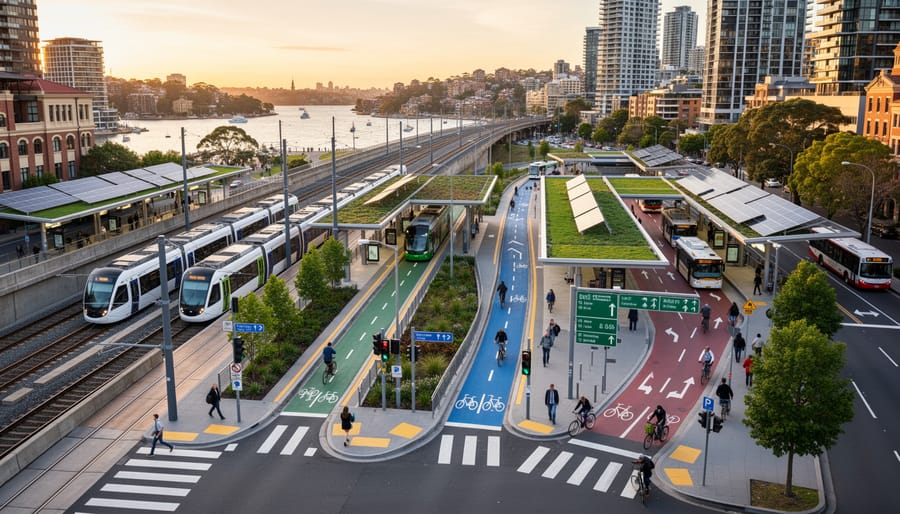
Sydney is leading the charge in Australia’s urban mobility transformation, proving that reducing car dependency isn’t just possible—it’s already happening. The city’s electric bus rollout has been a game-changer, with dozens of zero-emission vehicles now gliding through the streets, slashing carbon emissions while giving commuters a quieter, cleaner ride. These buses run on renewable electricity, creating a genuinely sustainable transport option that’s becoming the new normal for Sydney-siders.
The Opal card system has made catching public transport as easy as tapping your phone, seamlessly connecting trains, buses, ferries, and light rail into one integrated network. This smart ticketing approach has encouraged thousands of residents to ditch their cars for daily commutes, reducing congestion and improving air quality across the harbour city.
Perhaps most impressively, Sydney’s pedestrian-friendly zones around Circular Quay and Barangaroo have transformed formerly car-dominated areas into vibrant public spaces where people actually want to spend time. These precincts demonstrate how prioritising walking and cycling infrastructure creates healthier, more liveable communities. The results speak for themselves: reduced traffic, lower emissions, and streets buzzing with community life rather than exhaust fumes. Sydney’s success shows other Australian cities what’s achievable when sustainable mobility becomes the priority.
Regional Success Stories Worth Celebrating
Sustainable mobility isn’t reserved for Sydney or Melbourne. Regional centres across Australia are showing remarkable innovation with solutions perfectly suited to their unique landscapes and communities. Take Bendigo in Victoria, where a comprehensive bike-sharing scheme has transformed local travel patterns, reducing car dependency while connecting heritage precincts with residential areas. The program’s success lies in understanding that smaller cities don’t need complicated infrastructure—just smart, practical solutions that work with existing streetscapes.
Up in Byron Bay, electric shuttle services powered by locally-generated renewable energy have become a tourism drawcard while easing traffic congestion. Visitors and locals alike appreciate the comfortable, emissions-free transport connecting beaches, town centre, and surrounding areas. Meanwhile, Launceston has embraced electric buses for its public transport network, demonstrating that regional cities can lead rather than follow metropolitan trends.
What makes these stories particularly inspiring is their scalability. These cities haven’t waited for perfect conditions or massive budgets. Instead, they’ve identified their specific needs—whether that’s tourist transport, school runs, or connecting suburbs—and implemented targeted solutions. Their success proves that every Australian community, regardless of size, can create effective sustainable mobility systems that reduce emissions, improve air quality, and enhance livability for everyone.
The Benefits Beyond Just Getting From A to B
Healthier Communities and Cleaner Air
When cities embrace sustainable transport, the benefits extend far beyond cutting carbon emissions – they transform the very air we breathe and the health of our communities. Australian cities leading the charge in urban mobility are already witnessing remarkable improvements in air quality, with direct flow-on effects to public health.
Take Brisbane’s growing electric bus network as an inspiring example. Since introducing zero-emission buses across key routes, air quality monitoring stations in the CBD have recorded measurable reductions in harmful nitrogen oxides and particulate matter. Local councils report fewer respiratory complaints from residents living along busy transport corridors, whilst children attending schools near major bus routes are experiencing better breathing conditions during peak travel times.
The shift toward cleaner mobility creates quieter neighborhoods too – electric vehicles and improved cycling infrastructure mean less traffic noise, contributing to reduced stress levels and better sleep quality for urban residents. Melbourne’s recent pedestrian precinct expansions have seen nearby cafes and community spaces flourish, with residents spending more time outdoors in their newly accessible neighborhoods.
For older Australians and those with existing health conditions, cleaner air means fewer hospital admissions and a better quality of life. These aren’t just abstract environmental wins – they’re tangible improvements families notice every single day, from clearer skies to safer streets for kids riding bikes to school.
Economic Opportunities and Green Jobs
Australia’s shift toward sustainable urban mobility is sparking a genuine jobs revolution. The transition to electric buses, light rail networks, and cycling infrastructure isn’t just good for our environment—it’s creating thousands of meaningful employment opportunities across the nation.
Melbourne’s recent tram fleet upgrade generated over 1,200 manufacturing positions, with workers building next-generation vehicles right here in Victoria. Meanwhile, Perth’s hydrogen bus trials are driving demand for skilled technicians and engineers who can maintain these cutting-edge systems. The green jobs boom extends beyond vehicle production too.
Infrastructure projects like Sydney’s bike lane expansions employ planners, construction workers, and landscape architects reimagining our streetscapes. The technology sector is booming as well, with Brisbane-based startups developing smart mobility apps that optimize public transport routes and reduce emissions.
Biofuel production facilities supporting cleaner transport fuels have created regional employment hubs, particularly in Queensland and New South Wales, where agricultural waste transforms into sustainable energy. These aren’t just any positions—they’re future-proof careers offering competitive wages while contributing to a liveable planet. For young Australians and career-changers alike, sustainable mobility represents an exciting pathway to meaningful work that genuinely makes a difference.
Money Back in Your Pocket
Switching to sustainable urban mobility can put real money back in your pocket. Australian families are discovering that ditching the second car in favour of shared mobility services saves thousands annually on registration, insurance, and maintenance costs. In cities like Melbourne and Brisbane, residents using bike-share schemes, car-pooling apps, and improved public transport report spending up to 60% less on transport compared to traditional car ownership.
Electric shared vehicles offer particularly impressive savings, with running costs often a fraction of petrol-powered alternatives. The beauty of these systems is their flexibility – you pay only for what you use, rather than shouldering the full burden of vehicle ownership. Many councils now offer discounted public transport passes when bundled with bike-share memberships, creating even greater value. For young Aussies entering the workforce, embracing these options means avoiding hefty car loans whilst still enjoying complete mobility freedom. It’s a win for your wallet and the planet.
What You Can Do to Be Part of the Solution
The good news? You don’t need to wait for governments or corporations to lead the charge. Sustainable urban mobility starts with everyday choices that collectively create powerful change across Australian cities.
Start with your daily commute. If you live within five kilometres of work, consider cycling or e-biking at least a few days weekly. Melbourne’s expanding bike network now covers over 135 kilometres, whilst Brisbane’s CityCycle program has made bike-sharing dead easy for short trips. Can’t cycle? Public transport remains one of the most impactful choices you can make. A single commuter switching from car to train prevents roughly 1.5 tonnes of carbon emissions annually—that’s significant!
When you do need a car, explore car-sharing services like GoGet or Popcar rather than owning a vehicle that sits idle 95 percent of the time. This reduces the total number of vehicles on our roads whilst saving you thousands in registration, insurance, and maintenance costs. If purchasing a vehicle makes sense for your situation, electric options powered by renewable energy offer the cleanest solution. Many Australian councils now provide charging infrastructure at public car parks, making EVs increasingly practical.
For businesses, the opportunities run even deeper. Consider implementing flexible work arrangements that reduce commute frequency. Offer staff incentives for sustainable transport choices—companies across Sydney and Perth have found that providing bicycle storage, shower facilities, and public transport subsidies boost both employee wellbeing and your environmental credentials. Partner with local councils on last-mile delivery solutions using electric cargo bikes rather than vans for urban deliveries.
Community involvement amplifies your impact. Attend local council meetings to advocate for better cycling infrastructure, expanded bus routes, or pedestrian-friendly streetscapes. Join or establish active transport groups in your neighbourhood—grassroots movements have successfully transformed suburbs from car-dependent to walking-friendly right across Australia.
Finally, share your journey. When colleagues, friends, or family see you arriving energised after a morning cycle or saving serious money through car-sharing, they’ll take notice. Success stories spread organically, creating the cultural shift needed to make sustainable mobility the new normal rather than the exception.
Remember, sustainable cities aren’t built overnight—they’re created through thousands of small decisions made by people just like you, choosing better options one trip at a time.
The transformation of Australia’s urban mobility landscape isn’t a distant dream – it’s happening right now, on our streets, in our cities, and through the choices we make every day. From Melbourne’s expanding tram network powered increasingly by renewable energy to Brisbane’s bike-sharing revolution, we’re witnessing the birth of a cleaner, more connected future. The electric buses quietly gliding through Adelaide, the community car-sharing schemes flourishing in Sydney, and the innovative biofuel trials powering public transport across Queensland all tell the same story: sustainable mobility is here, and it’s working.
What makes this transformation particularly exciting is that every Australian can play a part. Whether you’re choosing to cycle to work, advocating for better public transport in your local council, or simply making more conscious decisions about how you move through your city, these actions ripple outward. They reduce emissions, improve air quality, create healthier communities, and demonstrate the demand for sustainable alternatives that encourages further investment and innovation.
The cities of tomorrow – cleaner, quieter, and more liveable – are being built by the collective choices we make today. So next time you plan your journey, consider this: you’re not just getting from point A to point B. You’re voting for the kind of Australia you want to live in, casting your ballot for cleaner air, thriving communities, and a sustainable future for generations to come. The road ahead is green, and it starts with your next trip.