
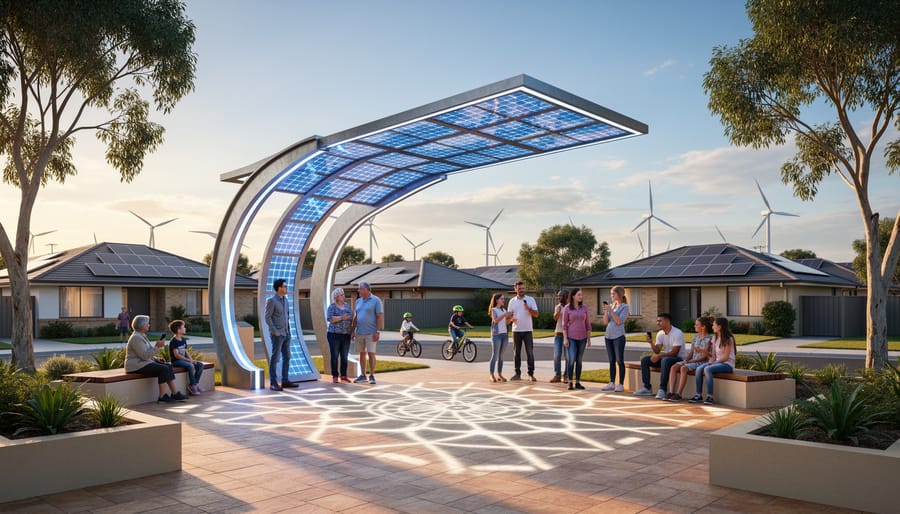
Leverage the Energy Community Adder to unlock up to 20% additional tax credits for renewable energy projects that genuinely engage local communities. This financial incentive transforms ordinary solar installations and bioenergy systems into collaborative ventures where neighbours become co-investors, artists translate sustainability into visual experiences, and entire communities share the benefits of clean energy generation.
Identify qualifying projects by ensuring at least 51% of economic benefits flow to community members within five kilometres of the installation, or that the project serves low-income households. Creative renewable energy art installations—such as solar-powered sculptures that illuminate public spaces or biogas digesters disguised as community gathering points—meet these requirements when designed with genuine community participation from conception through operation.
Secure the adder by documenting community ownership structures, participation agreements, or benefit-sharing mechanisms before project completion. Successful Australian examples include community-funded solar gardens with artistic arrays that double as outdoor galleries, and bioenergy facilities featuring interpretive installations that educate visitors about organic waste transformation into renewable power.
Combine the Energy Community Adder with other available incentives to maximise project viability. A well-designed community renewable energy art installation receiving the 20% adder alongside base tax credits can achieve financial returns that support ongoing community programs while creating landmarks that inspire broader renewable energy adoption.
The intersection of financial incentives, artistic expression, and community engagement creates powerful catalysts for Australia’s renewable energy transition—proving that sustainability initiatives can be both economically sound and culturally enriching.
What the Energy Community Adder Actually Means for Australian Projects
The energy community adder is essentially a financial boost designed to reward renewable energy projects that give back to their local communities. Think of it as a bonus payment that recognizes projects going beyond simply generating clean power—they’re actively strengthening community ties and delivering tangible local benefits.
In practical terms, this mechanism works by providing additional financial incentives, typically through enhanced feed-in tariffs or upfront grants, for renewable energy installations that meet specific community-focused criteria. These projects might be locally owned, provide community facilities, create local jobs, or engage residents in meaningful ways through education and participation.
For Australian community renewable energy projects, eligibility typically depends on demonstrating genuine community involvement. This could mean the project is majority-owned by local residents, governed by a community cooperative, or designed to provide direct benefits like discounted energy rates for nearby households. Many successful projects also incorporate community spaces or educational programs that help locals understand renewable energy firsthand.
The beauty of this approach lies in its simplicity. A solar installation atop a community hall that powers local events and feeds excess energy back to the grid might qualify. Similarly, a bioenergy facility using local agricultural waste that employs regional workers and offers community workshops could tick all the boxes.
The financial benefits can be significant—sometimes adding 20-30 percent to project returns—making previously marginal projects economically viable. More importantly, these adders ensure renewable energy development strengthens rather than bypasses local communities, creating shared ownership and lasting regional benefits. This transforms energy projects from industrial installations into community assets that locals champion and protect for generations.
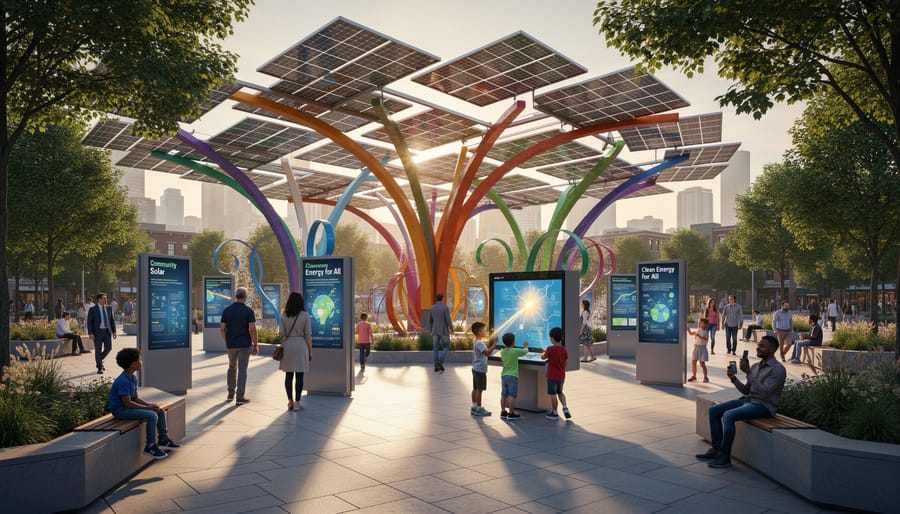
When Renewable Energy Becomes Public Art
Why Art Makes Renewable Energy Stick in People’s Minds
When renewable energy installations transform into public art, something remarkable happens in the minds of community members. Instead of fading into the background like conventional infrastructure, these creative projects spark conversations at the local café, become landmarks for giving directions, and turn into photo opportunities that spread across social media. A beautifully designed solar sculpture or a wind turbine painted by local artists becomes a daily reminder of the community’s commitment to sustainability—far more memorable than any government report or environmental statistic.
The psychological impact is profound. Abstract concepts like carbon reduction and energy independence suddenly have a physical presence you can point to, photograph, and feel proud about. These installations create what researchers call “sticky memories”—experiences that lodge themselves in our consciousness because they engage both our emotional and visual senses simultaneously.
For communities, artistic energy projects build collective identity and ownership. When locals contributed to designing a biomass facility’s exterior or when school students painted a solar array, the project becomes theirs. This emotional investment translates into stronger support for renewable energy initiatives and inspires neighbouring communities to follow suit. The artwork doesn’t just generate clean power—it generates conversations, pride, and lasting community engagement that keeps sustainability front-of-mind long after the ribbon-cutting ceremony.
Real Examples That Are Already Changing Communities
Inspiring projects worldwide are proving that renewable energy art installations can transform communities while generating clean power. In Adelaide, the Solar Grove installation at Tonsley Innovation District combines sculptural beauty with practicality. These striking solar trees generate 78 kilowatts of electricity while providing shade and community gathering spaces, demonstrating how art and energy can work together brilliantly.
Across the Pacific, California’s Solar Serpent in Oakland has become a neighbourhood icon. This 150-metre serpentine solar canopy produces enough renewable energy to power 50 homes annually while creating a vibrant public space that hosts markets and cultural events. The project secured community energy funding partly through its commitment to local engagement and education programs.
Meanwhile, Melbourne’s Bioenergy Art Hub showcases biomass innovation through interactive installations that process organic waste into energy. Visitors can watch the transformation process through artistic displays while learning about sustainable energy solutions. These community energy success stories share common threads: strong local participation, creative design thinking, and tangible environmental benefits. Each project demonstrates that energy infrastructure doesn’t need to be purely functional; it can inspire, educate, and bring people together while contributing meaningfully to our renewable energy targets.
How the Energy Community Adder Powers These Creative Projects
Here’s the reality: many community-focused renewable energy projects tick all the boxes for social and environmental impact, yet struggle to get off the ground because the numbers simply don’t stack up. This is where the energy community adder becomes a game-changer for creative installations that blend art with energy generation.
The adder provides a crucial financial boost—typically adding bonus incentives on top of standard renewable energy credits—that can transform a marginal project into a viable one. For art installations incorporating solar panels, biogas systems, or wind turbines, this extra funding often covers the additional costs of aesthetic design, community engagement programs, and educational components that pure energy projects wouldn’t prioritise.
Consider a community sculpture garden that integrates solar trees alongside bioenergy displays. Without the adder, developers might need to choose between the artistic vision and financial sustainability. The adder bridges that gap, making it possible to pursue both goals simultaneously.
What makes this particularly valuable for community-inspired projects is that it recognises the broader benefits these installations deliver beyond kilowatt-hours generated. The adder essentially monetises the community education, local engagement, and cultural value that traditional energy projects often overlook.
For organisations exploring this space, the adder can mean the difference between shelving an ambitious community project and bringing it to life. It’s not just about making renewable energy possible—it’s about making it beautiful, engaging, and truly community-owned while remaining financially sound.
From Idea to Installation: Making It Happen in Your Community
Getting Your Community On Board
The success of any community-inspired renewable energy project hinges on genuine local engagement from the very start. Building community support requires transparent conversations about what your installation will look like, where it’ll be positioned, and how it represents your neighbourhood’s character.
Start with open consultations at local community centres, schools, or markets where people naturally gather. Present preliminary design concepts and actively seek feedback – this isn’t just about ticking boxes, it’s about co-creating something meaningful. Consider forming a steering committee with diverse community voices, including Indigenous representatives, youth groups, and long-time residents.
Partner with local artists who understand your area’s cultural fabric and can translate community stories into visual elements. Collaborate with renewable energy professionals who can explain technical aspects in straightforward terms, helping residents understand both the artistic vision and the practical benefits.
Share progress updates through community newsletters, social media, and site tours. When people see their input reflected in the final design, ownership deepens. This grassroots involvement often unlocks unexpected support, from local businesses offering materials to volunteers helping with installation days, creating ripples of enthusiasm that extend well beyond the project itself.
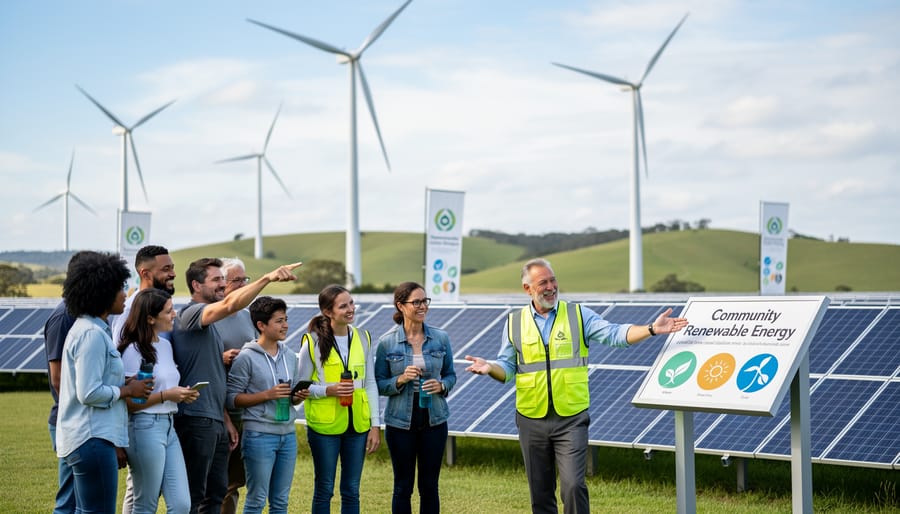
Navigating the Funding Landscape
Securing funding for renewable energy art installations doesn’t have to feel like navigating a maze. The energy community adder represents just one piece of a broader funding puzzle that can bring your creative vision to life.
This tax credit enhancement, available in the United States, provides additional financial incentive for projects located in energy communities—typically areas with legacy fossil fuel infrastructure or significant unemployment from energy sector transitions. While Australia doesn’t currently offer an identical program, understanding this model can inspire advocacy for similar mechanisms locally and inform international collaborations.
Beyond government incentives, successful projects often blend multiple funding sources. Grants from environmental foundations, state renewable energy programs, and local council initiatives provide crucial seed capital. Many Australian communities have tapped into programs supporting regional development and sustainability innovation.
Community investment models create powerful opportunities for shared ownership. When locals contribute financially to installations in their neighbourhoods, they become stakeholders invested in the project’s success. This approach has funded numerous community solar initiatives across regional Australia.
Crowdfunding platforms offer another avenue, particularly effective when paired with compelling storytelling about your project’s artistic vision and environmental impact. The most successful campaigns showcase clear benefits to both the environment and community wellbeing.
Structure your project to stack these funding sources strategically. Start with grant applications to establish credibility, then leverage that foundation for community investment rounds and crowdfunding campaigns. This layered approach maximizes your financial support while building momentum and community engagement.
Choosing the Right Technology for Your Vision
Selecting the right renewable technology transforms your community art installation from concept to reality. Start by evaluating what nature provides locally—abundant sunshine suits solar panels, coastal winds favour turbines, while agricultural regions offer fantastic bioenergy opportunities through organic waste.
Consider your artistic vision alongside practical factors. Solar installations work beautifully for light-based sculptures and interactive displays, as demonstrated by several Australian communities who’ve created stunning illuminated artworks. Wind turbines can become kinetic sculptures themselves, their movement adding dynamic beauty to public spaces. Biomass systems, though less visually obvious, power community centres and galleries while processing local agricultural residues—a perfect marriage of sustainability and creativity.
Hybrid systems often deliver the best results, combining technologies to ensure consistent power generation. A solar-biomass combination, for example, provides daytime energy through panels while biomass fills evening gaps, keeping your installation glowing after sunset.
Engage your community early in this decision. Local knowledge about weather patterns, available resources, and seasonal variations proves invaluable. Workshop sessions where residents discuss their vision alongside technical experts create ownership and excitement. Remember, the right technology isn’t just about maximum output—it’s about matching your community’s character, resources, and creative aspirations while maximising those energy community adder benefits.
The Ripple Effects Beyond the Kilowatts
When renewable energy installations transform into community art, the benefits ripple far beyond the electricity they generate. These projects become living classrooms where children discover how sunlight and organic materials can power their schools, sparking curiosity about science and sustainability that might shape their future careers.
Take the solar sculpture that graced a regional Victorian community centre last year. Beyond contributing clean energy to the grid, it created six local jobs during construction and ongoing maintenance positions for community members. The artist partnered with a local TAFE to offer workshops, teaching residents about renewable technology through creative expression. What started as an energy project became a catalyst for broader change.
These installations often become unexpected tourism drawcases. A bioenergy-powered light installation in rural New South Wales now draws visitors from neighbouring regions, bringing economic benefits to local cafes and shops. The community reports feeling immense pride when visitors photograph their glowing artwork, powered entirely by agricultural waste from nearby farms.
Perhaps most significantly, these visible symbols of sustainability inspire wider action. Community members who initially came to admire the artwork found themselves asking deeper questions about energy consumption, waste management, and their environmental footprint. One council reported that applications for home solar installations increased by 40 percent in the year following their community art project, crediting the visible reminder of renewable possibilities.
The educational ripples extend across generations. Grandparents bring grandchildren to witness how yesterday’s farming byproducts power tomorrow’s public spaces. Local schools incorporate the installations into science curriculums, making abstract concepts tangible and relevant.
These projects demonstrate that when communities invest in renewable energy art, they’re not just installing equipment. They’re weaving sustainability into the fabric of daily life, creating landmarks that inspire, educate, and unite residents around a shared vision of a cleaner future.
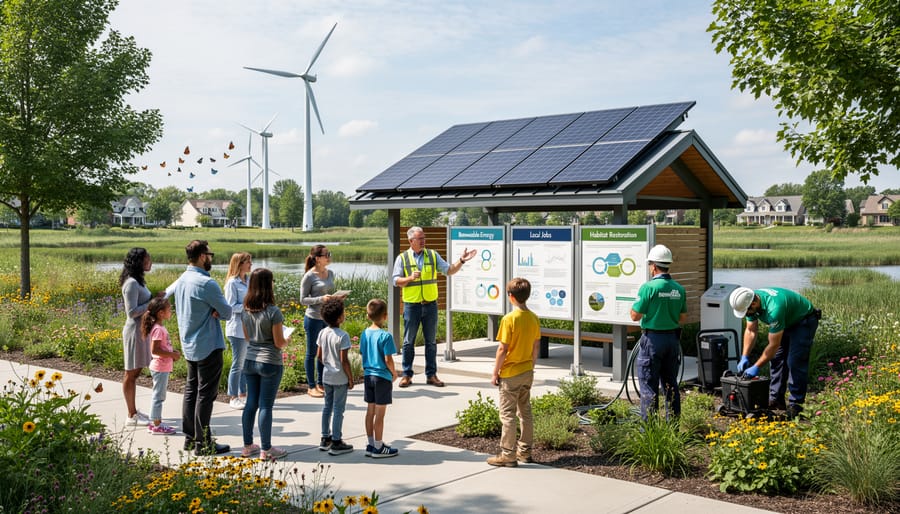
The energy community adder represents more than just a financial mechanism—it’s an invitation for communities across Australia to reimagine their relationship with renewable energy. When neighborhoods transform solar panels into public art, or wind turbines into community landmarks, they’re not simply generating clean electricity. They’re creating shared stories, building local pride, and demonstrating that the transition to sustainable energy can spark creativity rather than compromise.
These incentives level the playing field, ensuring that smaller communities with big ideas can compete alongside major developers. From regional towns installing sculptural solar arrays to suburban communities designing collaborative wind projects, the adder proves that good design and practical energy generation aren’t mutually exclusive. The bloke down the road might just have the next brilliant idea that transforms how your neighborhood generates and thinks about power.
The beauty lies in accessibility. Whether you’re part of a local council, community group, or simply a concerned resident with a vision, these opportunities exist for those willing to explore them. Start conversations at your next community meeting. Research what’s worked in similar neighborhoods. Connect with local artists, energy experts, and sustainability advocates who share your enthusiasm.
Your community’s renewable energy story is waiting to be written. The tools, incentives, and inspiration are all within reach. The question isn’t whether sustainable energy can transform your neighborhood—it’s what creative shape that transformation will take. Why not make yours both practical and extraordinary?