

Every meal you eat sends ripples through our planet’s climate system. The food on your plate is responsible for roughly one-quarter of global greenhouse gas emissions, making your dinner choices as significant to climate action as the car you drive or the energy powering your home. A low-carbon diet dramatically reduces this impact by shifting toward foods that require less energy, land, and resources to produce.
The good news? You don’t need to become a complete vegetarian or give up all your favourite foods to make a real difference. Australian families who’ve embraced sustainable eating practices report cutting their food-related emissions by 30-50% while often spending less at the checkout and feeling healthier.
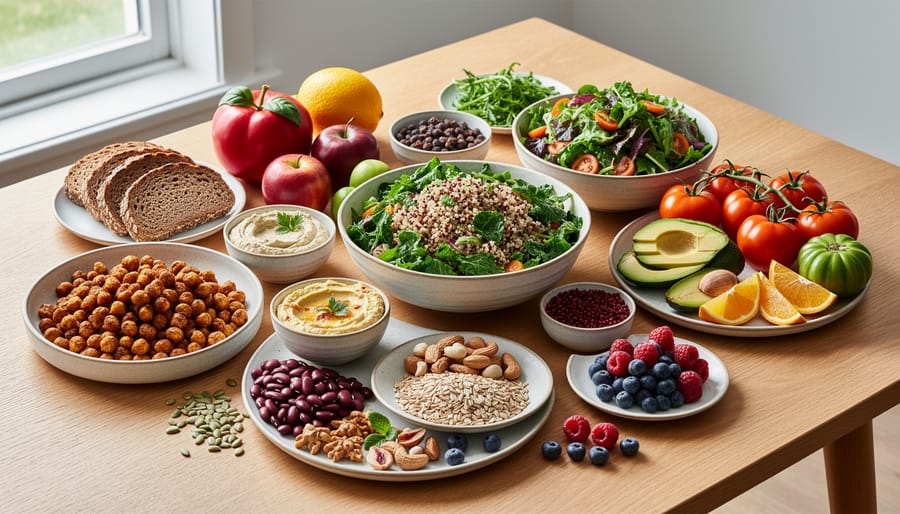
Think of a low-carbon diet as smart eating for the climate. It means choosing more plant-based proteins, supporting local farmers who use regenerative practices, reducing food waste, and understanding which foods pack the biggest carbon punch. A single beef steak can generate 20 times more emissions than the equivalent nutrition from beans or lentils. Seasonal vegetables grown in Australian soil require a fraction of the energy needed for imported produce flown halfway around the world.
This isn’t about perfection or deprivation. It’s about making informed choices that align with your values while discovering delicious alternatives. Whether you’re a committed climate warrior or simply curious about reducing your environmental footprint, a low-carbon diet offers one of the most immediate and impactful actions you can take. Your fork truly is a powerful tool for environmental change, and the transformation starts with your very next meal.
What Actually Makes a Diet ‘Low-Carbon’?
The Journey from Paddock to Plate
Understanding where carbon emissions hide in our food system is like following a trail from the farm gate to your dinner plate. In Australia, this journey tells a fascinating story of opportunity and impact.
It starts at the farm, where agricultural practices generate the lion’s share of food-related emissions. Cattle and sheep produce methane through digestion, while fertilizers release nitrous oxide into the atmosphere. Australian beef production, for instance, accounts for significant emissions, though innovative farmers are now experimenting with seaweed supplements that can reduce cattle methane by up to 80 percent.
Next comes processing and manufacturing. Transforming raw ingredients into packaged products requires substantial energy. That wheat becoming pasta or milk becoming cheese involves refrigeration, heating, and machinery that often runs on fossil fuels.
Transportation adds another layer, particularly for a country as vast as ours. Flying fresh produce from Queensland to Melbourne or importing exotic ingredients from overseas racks up serious carbon miles. Interestingly, local doesn’t always mean lower emissions if inefficient transport methods are used.
Packaging contributes through plastic production and disposal. Those convenient single-serve containers and excessive wrapping create emissions both in manufacturing and when they end up in landfill.
Finally, food waste represents carbon emissions for nothing. When Australians bin one in five shopping bags of groceries, we’re essentially throwing away all the energy and resources used throughout the entire journey. The good news? Every stage presents opportunities for positive change through smarter choices.
The Biggest Culprits on Your Plate
Let’s have a fair dinkum look at what’s really driving up the carbon cost of your weekly shop. The truth might surprise you, but it’s also empowering once you know what to watch for.
Red meat sits at the top of the list, particularly beef and lamb. A single kilogram of beef produces roughly the same emissions as driving your car from Sydney to Newcastle. That’s because cattle require enormous amounts of feed, water, and land, while also producing methane during digestion. Lamb isn’t far behind, making that Sunday roast a surprisingly hefty carbon investment.
Dairy products are another significant contributor. While not as intensive as red meat, producing a litre of milk generates emissions equivalent to charging your mobile phone for an entire year. Cheese amplifies this impact further, requiring about ten litres of milk per kilogram.
Processed and packaged foods bring hidden carbon costs through manufacturing, refrigeration, and transport. That frozen pizza might seem convenient, but its journey from factory to freezer rack carries a substantial environmental footprint.
Out-of-season produce flown from overseas is another culprit often overlooked. Those European berries in winter or imported asparagus might look appealing, but air freight can increase emissions by up to fifty times compared to locally grown alternatives. When Brisbane’s strawberries are in season, they’re not just tastier – they’re dramatically lighter on the planet.
The good news? Simply being aware of these biggest offenders puts you halfway toward making better choices that genuinely matter.
Why Your Diet Matters More Than You Think
Australia’s Food System Carbon Reality
Food production accounts for approximately 15% of Australia’s total greenhouse gas emissions, with agriculture representing our second-largest emitting sector after energy. Here’s the encouraging news: every meal presents an opportunity to make a difference. The typical Australian diet, heavy on red meat and processed foods, generates roughly 19 kilograms of carbon dioxide per person daily. Compare this to plant-forward diets that can slash emissions by up to 50%, and the potential for change becomes clear.
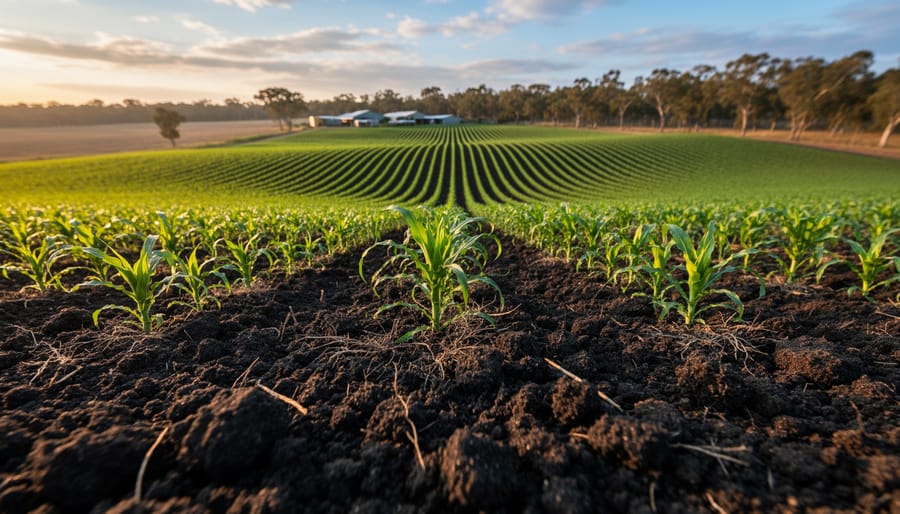
Our farming sector has already begun embracing sustainable agriculture practices, from regenerative farming in Queensland to innovative carbon farming projects across regional Australia. These success stories demonstrate that transformation is possible. When consumers choose low-carbon foods, they’re not just reducing their personal footprint; they’re supporting farmers who are pioneering climate-friendly methods and helping reshape our national food system. The power truly sits on your plate, and Australians are increasingly recognizing that shifting dietary choices represents one of the most immediate and impactful climate actions available to individuals.
The Ripple Effect of Small Changes
When Sarah, a Melbourne school teacher, switched to plant-based lunches three days a week, she noticed something remarkable. Within months, two colleagues joined her, curious about the delicious curries and veggie wraps they spotted in the staffroom. By year’s end, the entire department had reduced their meat consumption, and the school canteen introduced Meat-Free Mondays. This is the ripple effect in action.
Across Australia, similar stories are emerging. In Brisbane, a community garden collective reduced their collective carbon footprint by 30 tonnes annually simply by sharing locally grown vegetables and swapping recipes for low-carbon meals. Meanwhile, a Sydney café’s decision to feature seasonal, plant-forward dishes inspired neighbouring restaurants to follow suit, creating a local dining culture that celebrates sustainability.
These individual choices create momentum that extends far beyond our kitchen tables. When you choose a lentil bolognese over beef mince, you’re not just reducing emissions from one meal. You’re demonstrating to family, friends, and community members that tasty, satisfying alternatives exist. Your supermarket notices changing demand patterns. Local farmers adapt their crops. Restaurants expand their plant-based offerings.
The beauty of dietary change is its visibility and accessibility. Unlike installing solar panels, which requires significant investment, shifting your diet starts with your next meal and naturally sparks conversations that inspire others to join the movement.
Practical Steps to Lower Your Food’s Carbon Footprint
Start Where You Are: Easy Swaps That Count
Good news: you don’t need to overhaul your entire kitchen to make a meaningful difference. Start with these practical swaps that fit naturally into Australian life.
Begin with your meat consumption. Try going red meat-free just two days a week – perhaps swapping your usual beef mince for chicken in your midweek stir-fry, or choosing a veggie burger at your local café on Fridays. One Melbourne family reduced their carbon footprint by 15% simply by switching to chicken and legumes for half their meals. When you do buy red meat, choose Australian grass-fed options, which typically have a lower carbon footprint than feedlot alternatives.
Embrace what’s in season. Those winter tomatoes might look tempting, but they’ve likely travelled thousands of kilometres or been grown in heated greenhouses. Instead, load up on winter winners like broccoli, cauliflower, and citrus fruits. Your local farmers’ market is a goldmine for seasonal produce, and chatting with growers helps you understand what’s naturally abundant right now.
Tackle food waste head-on. Australians bin about 300 kilograms of food per household annually – that’s roughly $2000 literally going to waste. Store herbs in water like flowers, freeze leftover vegetables for soup stock, and get creative with “ugly” produce that’s perfectly nutritious. One Sydney restaurant made headlines by creating an entire menu from ingredients typically discarded, proving that preventing waste can be delicious and innovative.
These small changes add up quickly, creating momentum for your low-carbon journey.
Embrace Plant-Forward Eating
Shifting towards plant-forward eating doesn’t mean you need to become strictly vegetarian or vegan overnight. It simply means making plants the star of your plate more often, and the environmental benefits are remarkable. Animal agriculture accounts for roughly 14.5% of global greenhouse gas emissions, so even small changes in your diet can make a meaningful difference.
Australia offers an incredible bounty of plant-based ingredients to explore. Our native foods like lemon myrtle, finger limes, Davidson plums, and bush tomatoes add unique flavours to everyday meals whilst celebrating indigenous food culture. Seasonal favourites like Queensland mangoes, Tasmanian cherries, Victorian tomatoes, and Western Australian avocados mean you can create vibrant, low-carbon dishes year-round.
Start by making one or two dinners each week entirely plant-based. Try a hearty pumpkin and lentil curry, mushroom-based bolognese, or a colourful Buddha bowl featuring local vegetables. Many Australian families are discovering that growing your own food, even just herbs and leafy greens, reduces food miles whilst providing the freshest ingredients possible.
The beauty of plant-forward eating lies in its flexibility. You’re not giving up favourite foods entirely, just rebalancing your plate. When you do choose animal products, opt for sustainably raised Australian options and let them play a supporting role rather than the main event. This approach feels achievable rather than restrictive, making it easier to maintain long-term whilst significantly reducing your dietary carbon footprint.
Shop Smart, Local, and Seasonal
Shopping at your local farmers’ market isn’t just a pleasant weekend activity – it’s one of the most powerful choices you can make for reducing your food’s carbon footprint. When you buy directly from producers within your region, you’re cutting out the lengthy transport chains that contribute significantly to food emissions. Picture this: a tomato from a Victorian farm travels maybe 50 kilometres to your Melbourne market stall, compared to one shipped from overseas that’s clocked up 15,000 kilometres by the time it reaches your plate.
Eating seasonally goes hand-in-hand with shopping locally. Australian strawberries in summer, pumpkins in autumn, and citrus in winter aren’t just tastier – they require less energy-intensive growing methods than out-of-season produce grown in heated greenhouses. Many farmers’ markets now display seasonal guides to help you choose what’s naturally abundant.
When shopping at supermarkets, look for certifications like the Australian Certified Organic label or Carbon Neutral certification on products. The “Australian Made” logo indicates shorter supply chains, while country-of-origin labelling helps you make informed decisions. Some forward-thinking retailers now display carbon footprint information on products, making it easier than ever to compare options and choose the lighter path for our planet.
Reduce Waste, Reduce Emissions
Did you know that Australian households bin around 300 kilograms of food each year? When food breaks down in landfill, it releases methane—a greenhouse gas 25 times more potent than carbon dioxide. Reducing household waste is one of the quickest wins for cutting your carbon footprint.
Start with smart meal planning. Before shopping, check what’s already in your fridge and pantry. Store fresh produce properly—keep herbs in water like flowers, wrap leafy greens in damp tea towels, and store potatoes away from onions to prevent spoilage.
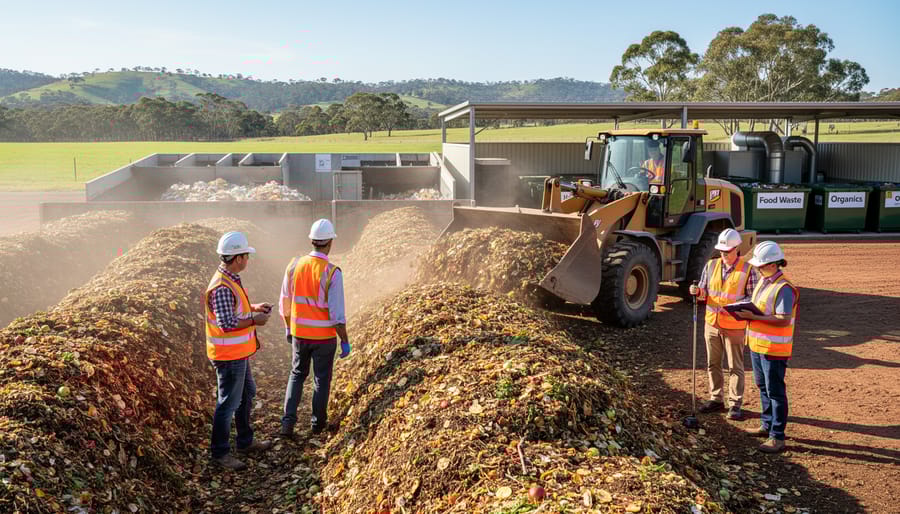
Turn food scraps into garden gold through composting or worm farming. Many Australian councils now offer green bin services for organic waste, which gets transformed into nutrient-rich compost instead of releasing emissions in landfill. Even apartment dwellers can use bokashi bins on balconies, turning kitchen scraps into soil conditioner within weeks.
Low-Carbon Doesn’t Mean Low Flavour

Success Stories from Aussie Tables
Across Australia, inspiring individuals and communities are proving that low-carbon eating isn’t just good for the planet—it’s delicious and achievable too. Take Melbourne’s Three Blue Ducks restaurant, which has built its reputation on locally sourced, seasonal menus that slash food miles while supporting regional farmers. Their paddock-to-plate approach has attracted loyal customers who appreciate knowing exactly where their tucker comes from.
In Sydney’s inner west, the Addison Road Community Centre runs regular low-carbon cooking workshops where participants learn to prepare plant-forward meals using seasonal produce from local markets. Attendees report saving up to $80 weekly on groceries while discovering new favourite recipes that have become household staples.
Brisbane resident Sarah Chen transformed her family’s eating habits by committing to one meat-free week per month, gradually increasing to three. “We’ve saved money, feel healthier, and the kids actually love our new Monday veggie curries,” she shares. Her household carbon footprint from food has dropped by an estimated 30 percent.
Meanwhile, Adelaide’s Bowden Urban Village demonstrates community-scale success, with shared gardens producing low-carbon ingredients for resident households. These real Aussie examples show that whether you’re a restaurant owner, community group, or everyday household, low-carbon eating delivers tangible benefits worth celebrating.
Native Ingredients and Low-Carbon Eating
Australia’s unique native ingredients offer an exciting pathway to lower-carbon eating while celebrating our natural heritage. Bush tucker foods like wattleseed, bush tomatoes, lemon myrtle, and finger limes have sustained Indigenous communities for over 65,000 years with minimal environmental impact. These plants are perfectly adapted to Australian conditions, requiring far less water and intervention than introduced crops.
Incorporating native ingredients supports local biodiversity and creates economic opportunities for Indigenous communities practicing traditional harvesting methods. When you choose kangaroo meat instead of beef, you’re opting for a protein source that produces significantly fewer greenhouse gas emissions and is naturally suited to our landscape. A Melbourne restaurant recently transformed their menu to feature 30 percent native ingredients, reducing their food-related emissions by nearly a quarter while educating diners about sustainable choices.
Start small by swapping regular flour for wattleseed in your baking, or trying native pepperberry instead of imported black pepper. Many farmers markets now stock these ingredients, and online suppliers deliver Australia-wide. You’ll discover distinctive flavours while treading more lightly on the planet and supporting the custodians of this ancient food knowledge.
The Bigger Picture: How Low-Carbon Diets Connect to Renewable Energy
Food Waste as Energy Opportunity
Food waste represents one of Australia’s most underutilised energy resources. When organic scraps and agricultural residues decompose in landfills, they release methane, a greenhouse gas 25 times more potent than carbon dioxide. However, through anaerobic digestion and other conversion technologies, these same materials can generate renewable energy while preventing harmful emissions – a genuine win-win for the environment.
This circular economy approach is already gaining momentum across Australia. The Sydney Water facility at Malabar transforms sewage waste into enough renewable energy to power 1,800 homes annually. Meanwhile, Yarra Valley Water’s plant in Melbourne converts food waste from households and businesses into biogas, producing electricity for 2,000 homes and nutrient-rich fertiliser for farms.
In Queensland, Australian Meat Processor Corporation facilities are pioneering the conversion of abattoir waste into bioenergy, demonstrating how even challenging organic materials can become valuable resources. These facilities show that food waste isn’t rubbish – it’s opportunity packaged differently.
For individuals, participating in food waste collection programs means your apple cores and vegetable peelings could power streetlights or heat water. Many Australian councils now offer organics bins specifically for this purpose. By reducing food waste at home and separating what remains for energy recovery, you’re contributing to a cleaner energy grid while embracing practical climate action that starts right in your kitchen.
Sustainable Farms Powering Australia’s Future
Across Australia, innovative farmers are proving that producing food and fighting climate change can go hand in hand. These agricultural pioneers are adopting low-emission practices while generating clean energy right on their properties, creating a blueprint for sustainable farming’s future.
Take dairy farms in Victoria’s Gippsland region, where farmers are capturing methane from cow manure to power their operations. Instead of letting this potent greenhouse gas escape into the atmosphere, they’re converting it into electricity and heat through biogas digesters. The bonus? What remains makes excellent fertiliser, closing the loop beautifully.
In Queensland’s sugarcane country, farmers are transforming crop waste into renewable energy. After harvest, bagasse – the fibrous residue left after crushing cane – fuels biomass generators that power processing facilities and feed excess electricity back into the grid. This turns what was once agricultural waste into a valuable resource.
These farms demonstrate that reducing agriculture’s carbon footprint doesn’t mean sacrificing productivity. By embracing bioenergy alongside sustainable farming methods like rotational grazing and precision agriculture, they’re cutting emissions, reducing costs, and proving that profitable farming and environmental stewardship aren’t opposing goals – they’re natural partners for Australia’s agricultural future.
Your journey toward a low-carbon diet starts with a single meal, and the collective impact of those choices extends far beyond your dinner plate. Every time you choose local produce over imported goods, reduce your meat consumption, or prevent food waste, you’re casting a vote for Australia’s sustainable future. These aren’t just dietary decisions – they’re powerful climate actions that add up to meaningful change.
The beauty of a low-carbon diet lies in its flexibility and accessibility. You don’t need to overhaul your entire lifestyle overnight. Start small: commit to one meat-free day per week, shop at your local farmers market on Saturday mornings, or finally use those leftovers languishing in your fridge. Each step counts, and as thousands of Australians make similar choices, the ripple effect becomes a wave of positive environmental impact.
Remember, you’re not alone in this journey. Communities across Australia are already embracing sustainable eating, from urban gardeners in Melbourne to regenerative farmers in regional Queensland. Their success stories prove that delicious, satisfying food and environmental responsibility go hand in hand. The transition to lower-carbon eating isn’t about sacrifice – it’s about discovering new flavours, supporting local communities, and contributing to cleaner air, healthier ecosystems, and a more resilient food system.
The power to shape a sustainable future sits at your fingertips three times a day. Start today, stay optimistic, and watch how your conscious choices contribute to the Australia we all want to see – thriving, sustainable, and forward-thinking.