
America’s wind energy revolution is rewriting the rulebook on renewable power generation, and the innovations emerging from turbine farms across the USA hold transformative lessons for Australia’s own clean energy journey.
The United States has become a global testing ground for next-generation wind technology, with over 70,000 turbines now generating enough electricity to power 40 million homes. From the windswept plains of Texas to the offshore installations dotting the Atlantic coast, American engineers are pioneering breakthrough designs that promise to make wind energy cheaper, more efficient, and accessible in locations previously considered unsuitable for wind farms.
What makes these US developments particularly relevant for Australian energy stakeholders is the striking similarity in challenges both nations face: vast distances, variable wind patterns, and the urgent need to transition away from fossil fuels while maintaining energy reliability. The technological solutions being deployed across American wind farms today are directly applicable to Australian conditions, from turbine designs that capture low-wind-speed energy to advanced grid integration systems that smooth renewable electricity delivery.
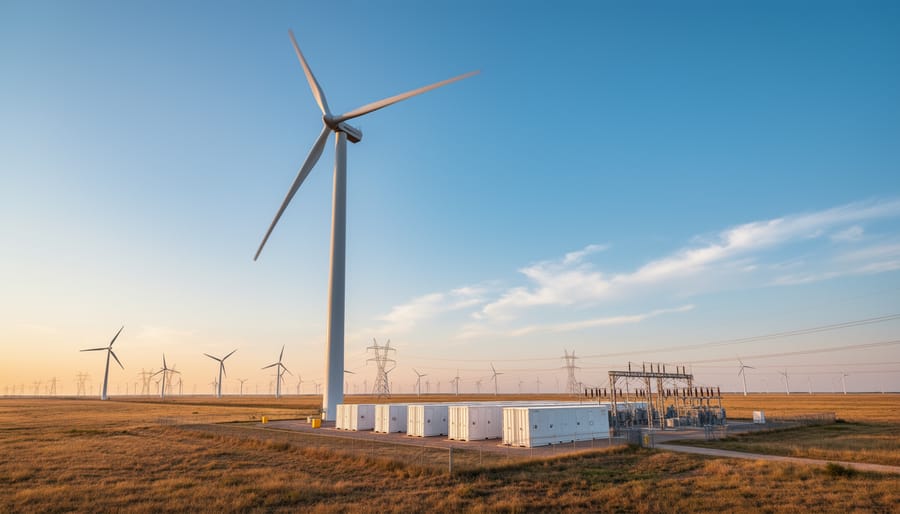
Recent innovations include turbines with blades longer than a football field, artificial intelligence systems that predict optimal energy capture, and floating offshore platforms that can harness powerful ocean winds without disturbing marine ecosystems. Perhaps most exciting are the hybrid installations combining wind with battery storage, solving the intermittency challenge that has long been wind power’s Achilles heel.
This article examines the cutting-edge wind turbine technologies being deployed across the United States, explores how these innovations are transforming American energy landscapes, and identifies practical opportunities for Australian businesses and policymakers to adapt these proven solutions for our unique renewable energy future.
The Quiet Revolution Happening in American Wind Farms
What Makes a Wind Turbine ‘Next-Generation’
Next-generation wind turbines represent a genuine leap forward from the spinning giants many of us picture dotting rural landscapes. These aren’t just bigger versions of existing technology—they’re fundamentally smarter, more efficient, and remarkably more productive than their predecessors.
The most noticeable improvement is their ability to generate significantly more power from the same wind conditions. Modern turbines can capture energy from gentler breezes that older models would simply ignore, meaning they’re productive far more hours of the day. This translates to tangible results: a single next-generation turbine can now power hundreds more homes than traditional designs.
These revolutionary wind turbine technologies also feature sophisticated monitoring systems that predict maintenance needs before problems occur, reducing downtime and operational costs. Think of it as the difference between an old car that breaks down unexpectedly and a modern vehicle that alerts you to service requirements.
Perhaps most importantly for communities, next-generation turbines operate more quietly and with reduced environmental impact on local wildlife. American manufacturers have pioneered blade designs that minimize bird strikes while maximizing efficiency—innovations with clear applications for Australian conditions.
The real success story here is adaptability. These turbines adjust blade angles in real-time, optimizing performance as wind conditions shift throughout the day. This responsive technology means more consistent power generation, helping to stabilize electrical grids and make renewable energy a truly reliable foundation for our energy future.
Taller, Smarter, and Far More Efficient
Blades That Think for Themselves
Imagine wind turbine blades that can sense approaching gusts and adjust their angle within milliseconds, capturing every possible watt of energy. This isn’t science fiction—it’s happening right now across America’s wind farms, thanks to artificial intelligence and smart blade technology.
These intelligent systems use sensors embedded throughout the turbine to constantly monitor wind speed, direction, air density, and even blade vibration. The AI processes this data in real-time, making thousands of micro-adjustments daily to optimize performance. Think of it as the difference between a rigid surfboard and one that flexibly responds to every wave.
At the Lakefield Wind Project in Minnesota, GE’s Digital Wind Farm technology increased energy production by 5% through AI-powered turbine coordination. The turbines essentially “talk” to each other, with upstream units warning downstream neighbors about incoming wind patterns. This allows each turbine to prepare and position itself optimally before the wind arrives.
Similarly, Texas-based projects using Siemens Gamesa’s smart blade systems have reported remarkable improvements in energy capture during variable wind conditions. The technology particularly shines during those tricky twilight hours when winds shift unpredictably—times when traditional turbines often struggle.
For countries like Australia with diverse wind patterns ranging from consistent coastal breezes to unpredictable inland gusts, these intelligent systems offer genuine promise. The technology proves that sometimes the smartest solution isn’t building bigger turbines, but building smarter ones that work with nature’s rhythms rather than against them.
Offshore Giants Changing the Game
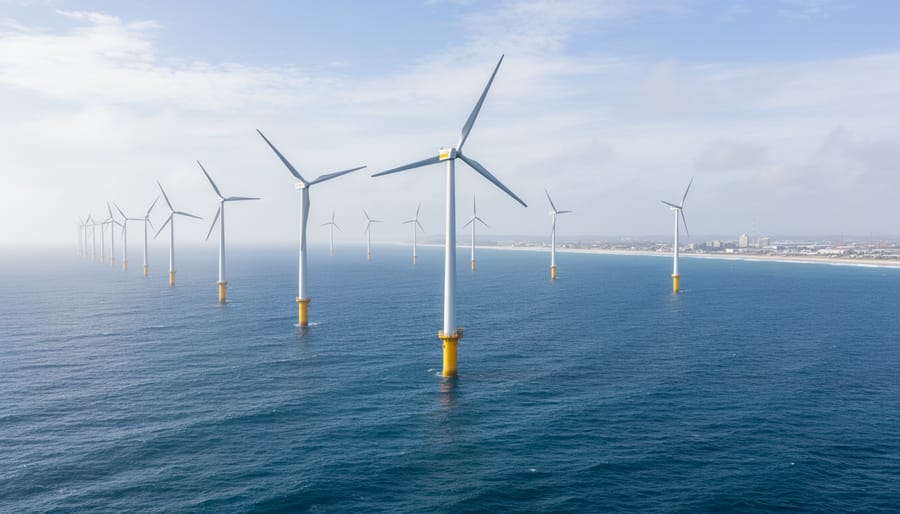
America’s coastlines are witnessing an extraordinary transformation as massive offshore wind turbines, some reaching heights of over 260 metres, begin dotting the Atlantic horizon. These offshore giants are revolutionising the nation’s clean energy landscape, with turbines producing three to four times more electricity than their onshore cousins, thanks to consistently strong ocean winds.
The Vineyard Wind project off Massachusetts stands as America’s first commercial-scale offshore wind farm, representing a watershed moment for US renewable energy. Since becoming operational, its turbines have been delivering clean power to over 400,000 homes, proving that offshore wind isn’t just viable—it’s transformative. Each turbine captures the relentless coastal breezes that blow across the Atlantic, converting them into reliable, emissions-free electricity around the clock.
What makes these offshore installations particularly impressive is their sheer scale. Similar to 6MW wind turbines gaining traction elsewhere, America’s offshore turbines are pushing boundaries with capacities reaching 12-15MW per unit. Their placement in deeper waters, where winds blow stronger and more consistently, means they’re generating unprecedented amounts of clean energy.
For Australia, these American success stories offer valuable blueprints. The technological breakthroughs and operational learnings from projects like Vineyard Wind demonstrate that offshore wind can deliver stable, large-scale renewable energy, potentially complementing biomass and solar in creating truly resilient energy systems for coastal communities.
Materials Science Breakthrough
American researchers are transforming wind energy through remarkable innovations in materials science, creating turbines that work harder, last longer, and cost less to maintain. These breakthroughs are particularly exciting for countries like Australia, where harsh coastal conditions and remote locations demand incredibly resilient equipment.
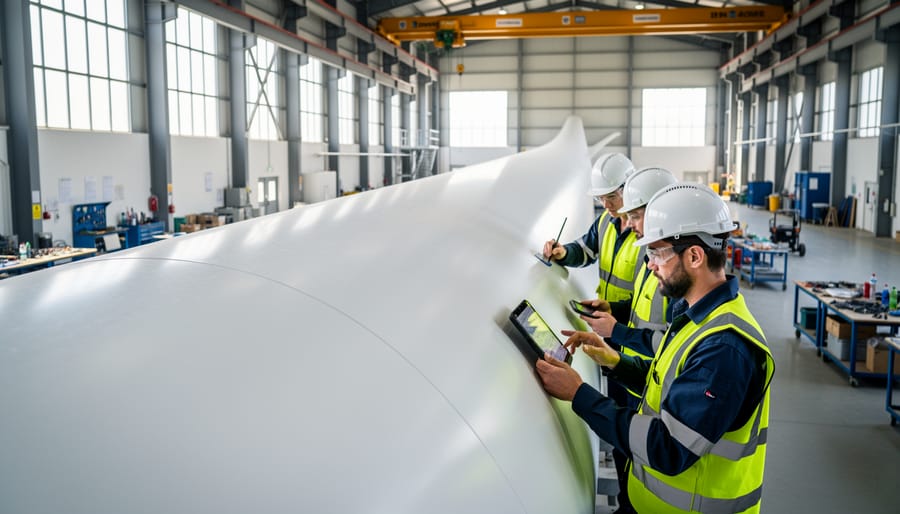
The game-changer has been the development of carbon fiber composites and advanced thermoplastic materials that are simultaneously lighter and stronger than traditional fiberglass blades. Companies like GE Renewable Energy and Siemens Gamesa have pioneered blades using these materials, reducing weight by up to 20% while increasing durability. Lighter blades mean turbines can capture wind energy more efficiently and respond better to changing wind conditions, translating directly into more electricity generated.
But here’s where it gets really interesting for maintenance crews: these new materials resist the environmental degradation that’s plagued older turbines. Leading edge erosion, caused by rain, sand, and salty air, has been a persistent headache, especially in coastal installations. New protective coatings and self-healing polymers are extending blade lifespans from 20 years to potentially 30 or more, dramatically reducing the frequency of expensive repairs and replacements.
One success story comes from a West Texas wind farm that retrofitted turbines with carbon fiber blades. Within two years, they reported 15% higher energy output and 40% fewer maintenance interventions. The environmental benefits multiply too, as longer-lasting turbines mean fewer materials ending up in landfills and reduced manufacturing emissions over time.
These American innovations offer tremendous potential for Australian wind projects, where similar challenging environments demand equally robust solutions.
What America’s Wind Success Means for Australian Communities
Jobs and Economic Opportunities Down Under
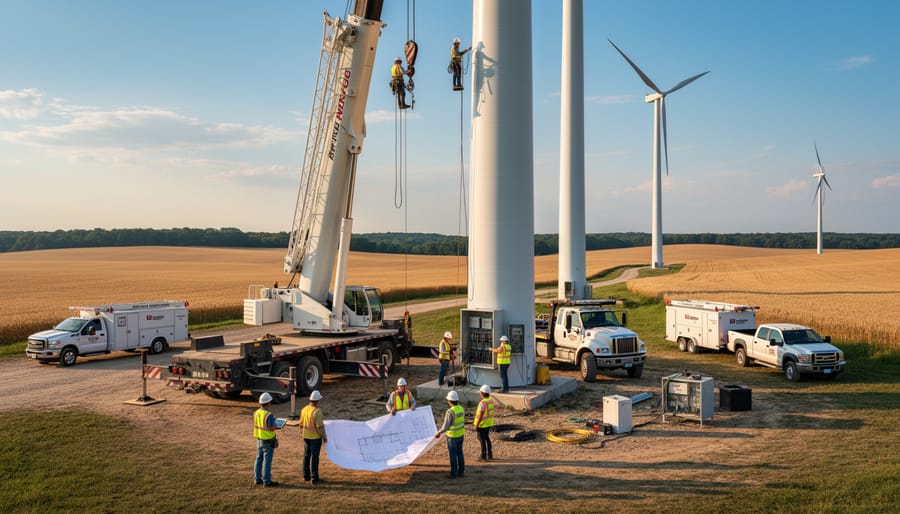
The American wind energy sector has become a genuine job-creation powerhouse, currently employing over 120,000 workers across manufacturing, installation, maintenance, and support services. What’s particularly encouraging is that many of these positions are located in regional areas—precisely the communities that could benefit most from economic diversification.
For Australia, the potential is equally promising. If we were to scale our wind energy capacity proportionally to population, we could expect to generate thousands of quality jobs across regional communities from Queensland to Tasmania. These aren’t just temporary construction roles either—wind turbine technicians, known as “windtechs,” represent one of America’s fastest-growing careers, with ongoing maintenance requirements ensuring long-term employment stability.
The economic ripple effects extend beyond direct employment. In the United States, wind projects have revitalised rural economies through landowner lease payments, increased local tax revenue, and support for local businesses. Australian farmers could similarly benefit from dual land use—continuing agricultural operations while earning steady income from hosting turbines on their properties.
Manufacturing presents another opportunity. While many Australian wind farms currently rely on imported components, developing domestic production capabilities—as America has done—could establish entirely new industrial sectors, particularly in steel fabrication, blade manufacturing, and specialised electronics. This represents genuine economic growth for regional Australia, creating prosperity while advancing our clean energy future.
The Real-World Impact on Energy Bills and Carbon Emissions
In communities across America’s heartland, next-generation wind turbines are delivering tangible benefits that extend well beyond environmental goals. In Iowa, where wind now generates over 60% of the state’s electricity, residents have seen their energy bills stabilise even as fossil fuel prices fluctuate. The state’s utility companies report that modern turbines with enhanced efficiency have helped avoid hundreds of millions of dollars in generation costs since 2020, savings that flow through to households and businesses.
Texas offers an equally compelling story. The Lone Star State added more wind capacity in 2022 than any other, with next-generation turbines producing electricity at just 2.5 cents per kilowatt-hour in some locations. This rock-bottom pricing means that during peak wind production periods, wholesale electricity prices occasionally drop to zero, translating into lower bills for Texan families. Meanwhile, these installations have displaced coal-fired generation, cutting the state’s carbon emissions by an estimated 15 million tonnes annually.
The environmental wins are equally impressive. Communities hosting modern wind farms in Oklahoma and Kansas report air quality improvements as aging gas plants reduce output. One rural Kansas county calculated that their local wind project prevents emissions equivalent to taking 50,000 cars off the road each year. Farmers who lease land for turbines receive steady income while their properties continue producing crops beneath the towers, creating a win-win scenario that strengthens regional economies.
For Australia, these American success stories offer a roadmap. With similar wind resources along southern coastlines and vast inland areas, Australian communities could replicate these outcomes. Pairing advanced turbines with energy storage solutions could deliver even greater reliability and cost savings. Projections suggest that adopting comparable technology could reduce Australian household energy costs by 20-30% within a decade while accelerating our transition to net-zero emissions. The American experience proves that next-generation wind power isn’t just environmentally responsible—it’s economically transformative.
Overcoming the Challenges
Let’s be honest—while wind energy represents our sustainable future, getting there isn’t without hurdles. Both the United States and Australia face similar challenges in expanding wind turbine deployment, but the good news is that innovative solutions are emerging on both sides of the Pacific.
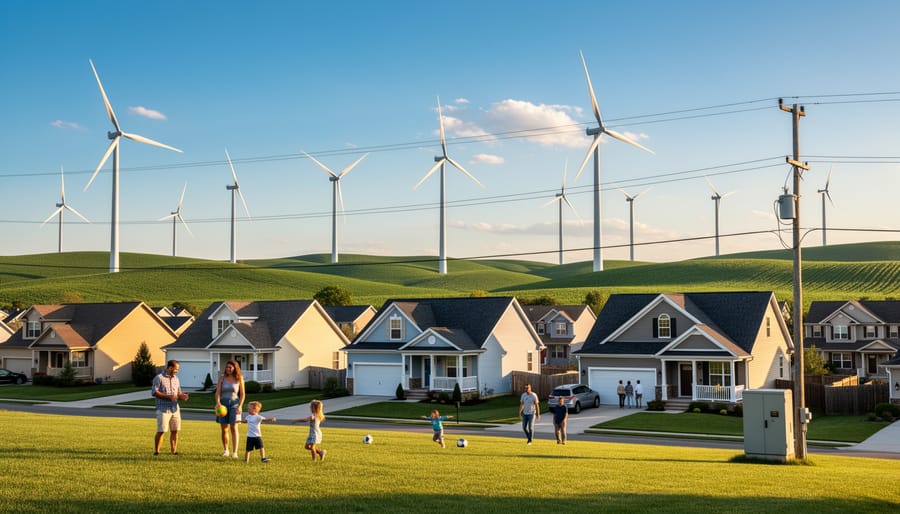
One of the biggest obstacles is community concern about visual impact and noise. In rural Texas and Wyoming, just as in regional Victoria and South Australia, some residents worry about turbines changing their landscape. The solution? Modern turbine designs have become significantly quieter, and developers are increasingly involving local communities early in planning processes. When locals share in the economic benefits through job creation and community investment programs, acceptance rates soar. A brilliant example is the White Pine Wind Project in Michigan, where community partnerships transformed initial skepticism into enthusiastic support.
Grid integration poses another challenge. Wind’s intermittent nature means we need smart storage solutions and flexible grid systems. American utilities are tackling this head-on with advanced battery storage facilities and predictive AI systems that forecast wind patterns with remarkable accuracy. These innovations are directly applicable to Australia’s National Electricity Market, offering a roadmap for smoother renewable integration.
Infrastructure development, particularly in remote areas, requires substantial upfront investment. However, as the USA demonstrates through its Production Tax Credit program, strategic government support can kickstart private investment. Similar incentive structures are gaining traction in Australia, making previously unviable projects economically attractive.
The wildlife impact concern, particularly for birds and bats, has driven development of radar systems and strategic turbine placement protocols that dramatically reduce these incidents. These technologies prove that environmental protection and wind energy aren’t competing interests—they’re complementary goals worth pursuing together.
What You Can Do Right Now
The exciting innovations happening across America’s wind energy sector offer a blueprint for action right here in Australia. Whether you’re a homeowner, business operator, or community leader, there are tangible steps you can take today to support and benefit from wind energy advancement.
For individuals, start by advocating for wind energy projects in your local council meetings and contacting your MP to express support for renewable energy policies. Consider switching to a green energy provider that sources power from wind farms, sending a clear market signal about consumer preferences. Share success stories from American wind projects with your community to build enthusiasm and dispel common myths about wind energy.
Business owners can explore partnerships with wind farm developers or investigate installing small-scale wind turbines for on-site power generation. Many American companies have slashed operating costs by committing to wind energy procurement agreements. Research whether your business qualifies for government incentives supporting renewable energy adoption, and consider how integrating wind power alongside renewable energy storage solutions could provide energy security and cost savings.
Communities can form renewable energy cooperatives, pooling resources to invest in local wind projects. Look to American models like community wind farms in Iowa and Minnesota, where residents directly benefit from energy production through ownership stakes. Organize educational events showcasing wind technology innovations, connecting residents with industry experts.
The pathway forward exists—it simply requires taking that first step towards a cleaner, wind-powered future.
The journey through American wind energy innovation reveals more than just technological achievements—it shows us what’s possible when ambition meets action. From the towering offshore turbines dotting the Atlantic coast to the smart grids optimizing energy flow across the Great Plains, the United States has demonstrated that the transition to clean energy isn’t just necessary; it’s entirely achievable and economically viable.
For Australia, these American success stories offer a practical blueprint rather than distant inspiration. Our nation shares similar advantages: abundant wind resources, vast open spaces, and increasingly strong political will to embrace renewable solutions. The innovations pioneered in places like Texas and Iowa—from advanced blade designs to integrated storage systems—can be adapted to Australian conditions, accelerating our own renewable energy transition while creating thousands of local jobs.
The real beauty of wind energy lies in its democratic potential. Whether you’re a homeowner considering renewable options, a business leader planning sustainability strategies, or a community advocate pushing for cleaner energy, you have a role to play. Every solar panel installed, every conversation about renewables, and every voice raised in support of wind energy projects contributes to momentum that’s already unstoppable.
The question isn’t whether wind energy will power our future—it’s how quickly we’ll embrace it. American innovations have proven the technology works at scale. Australian ingenuity and determination can take it further still. The renewable energy revolution is happening now, and there’s a place in it for everyone ready to turn vision into reality. The winds of change are blowing—will you harness them?