
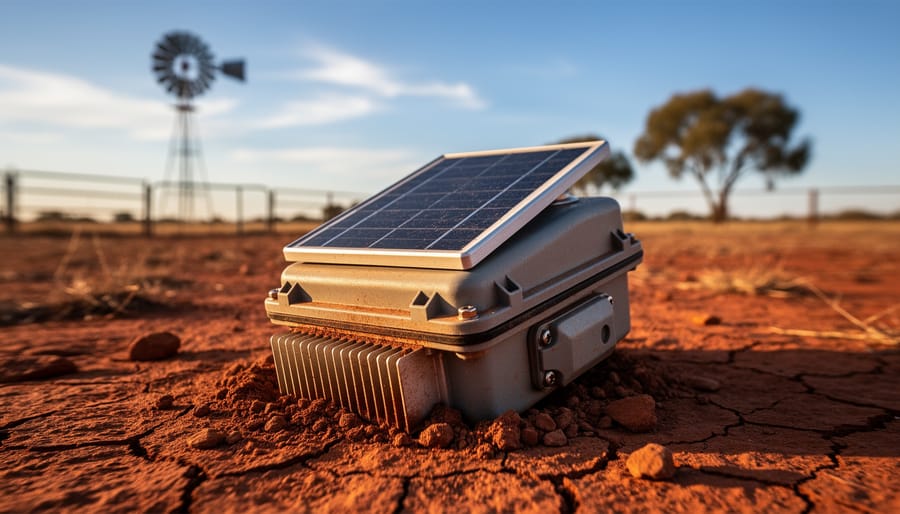
Imagine powering your smartphone from the warmth of your hand, or lighting a remote Australian outback station using nothing but temperature differences in the soil. Energy harvesting transforms ambient energy that surrounds us daily—vibrations, heat, light, and motion—into usable electrical power. This technology captures what would otherwise be wasted energy from our environment and converts it into electricity, eliminating the need for batteries or grid connections in countless applications.
For Australia, a nation blessed with abundant sunshine, vast temperature differentials between day and night, and significant industrial activity generating waste heat, energy harvesting represents a practical pathway toward genuine energy independence. From sensors monitoring cattle across remote pastoral stations to wireless building automation systems in Melbourne’s CBD, this technology is already reducing our reliance on traditional power sources while cutting operational costs.
The principle is elegantly simple: specialized devices called transducers capture mechanical, thermal, or electromagnetic energy from the environment and convert it into electrical current. A piezoelectric tile generates power when stepped on. A thermoelectric generator produces electricity from temperature differences. Solar cells harvest light energy—even indoors under artificial lighting.
What makes energy harvesting particularly exciting for Australian applications is its ability to power devices in locations where running power cables is impractical or prohibitively expensive. Remote environmental sensors, wildlife tracking systems, and infrastructure monitoring equipment can now operate indefinitely without battery replacements, dramatically reducing maintenance costs while supporting our sustainability goals. The technology turns our environment into an infinite, renewable power source.
What Is Energy Harvesting? Breaking Down the Basics
Imagine your smartphone charging itself simply by sitting in your pocket as you walk. Or picture a remote sensor in the Australian outback running indefinitely without batteries, powered purely by sunlight and temperature differences. This isn’t science fiction—it’s energy harvesting, and it’s quietly transforming how we power our world.
Energy harvesting is the process of capturing tiny amounts of energy from sources already present in our environment and converting them into usable electrical power. Think of it like collecting rainwater in a tank rather than relying solely on mains water. Instead of drawing power from the grid or replacing batteries constantly, energy harvesting devices gather ambient energy from sources like light, heat, vibration, or even radio waves floating through the air.
These aren’t massive solar farms we’re talking about—energy harvesting operates on a much smaller, more intimate scale. A calculator powered by indoor lighting, a self-winding watch charged by your wrist movements, or a wireless sensor powered by nearby WiFi signals are all examples you might encounter daily.
The beauty of this technology lies in its elegance and sustainability. By tapping into energy that would otherwise go to waste—like excess heat from machinery, vibrations from traffic, or unused radio frequencies—we’re essentially creating power from thin air. For Australian communities, particularly those in remote locations where battery replacement is costly and impractical, this technology offers tremendous promise.
What makes energy harvesting particularly exciting is its versatility. Whether it’s powering medical implants inside the human body or monitoring equipment across vast pastoral stations, this technology adapts to diverse needs while reducing our environmental footprint. It’s not about replacing large-scale renewable energy solutions but complementing them in clever, targeted ways that make our everyday devices more independent and sustainable.
The Ambient Energy All Around Us
Solar and Light Energy
Solar and light energy represents one of the most accessible and abundant forms of ambient energy available for harvesting. Australia’s sun-drenched landscape offers exceptional opportunities, with our nation receiving some of the highest solar radiation levels globally. While large-scale solar farms capture headlines, energy harvesting focuses on converting even modest light sources into usable power for small devices and sensors.
Photovoltaic cells, scaled down for energy harvesting applications, can generate electricity from both outdoor sunlight and indoor artificial lighting. Modern sensors in smart buildings across Sydney and Melbourne increasingly rely on ambient light to power themselves, eliminating battery replacements and reducing maintenance costs. These systems exemplify the practical solar energy advantages that extend beyond traditional rooftop installations.
Indoor light harvesting, though producing less power than direct sunlight, proves particularly valuable for Internet of Things devices, wireless sensors, and remote monitoring equipment throughout Australian commercial buildings and industrial facilities.
Thermal Energy from Heat
Temperature differences in our environment hold remarkable potential for generating electricity through thermoelectric technology. When one side of a special material is heated while the other remains cool, electrons flow between the two sides, creating usable power. This works brilliantly in Australia’s climate extremes, where scorching desert days can reach 45°C while nights drop to single digits.
The technology is already powering remote sensors in the outback, where solar panels struggle with dust coverage. Mining companies are trialling thermoelectric generators that capture waste heat from industrial processes, turning what was once lost energy into valuable electricity. Even the temperature difference between soil and air can generate enough power for agricultural monitoring systems.
While individual thermoelectric devices produce modest amounts of energy, they excel in situations where reliability matters more than high output. They require no moving parts, making them perfect for harsh Australian conditions where maintenance is challenging and costly.
Kinetic Energy from Movement
Every time you take a step, catch a train, or feel the rumble of machinery, you’re surrounded by kinetic energy waiting to be captured. Movement-based energy harvesting transforms vibrations, footsteps, and mechanical motion into usable electricity through piezoelectric materials and electromagnetic generators.
In Australian cities, this technology is making remarkable strides. Melbourne’s Southern Cross Station has trialled piezoelectric floor tiles that generate power from commuter footsteps, while mining operations across Western Australia are exploring vibration harvesters to power remote sensors on heavy equipment. These systems convert mechanical stress into electrical charges, eliminating battery replacements in hard-to-reach locations.
Rural applications show equal promise. Farmers are testing vibration-harvesting devices on irrigation pumps and windmill components, creating self-powered monitoring systems that track water usage and equipment health. Even the gentle sway of suspension bridges and the rumble of freight trains present opportunities for energy capture.
What makes kinetic harvesting particularly exciting is its reliability. Unlike solar panels that need sunshine, these systems work day and night, turning everyday movement into a continuous clean energy source that powers our path toward sustainability.

Radio Frequency and Electromagnetic Waves
In our increasingly connected world, we’re surrounded by invisible energy opportunities floating through the air. Radio frequency and electromagnetic waves from mobile phone towers, Wi-Fi routers, television broadcasts, and wireless devices create a constant ambient field of electromagnetic energy that’s typically wasted. Energy harvesting technology can now capture these wireless signals and convert them into usable electricity, even in small amounts.
This approach is particularly promising for powering low-energy devices like sensors, wearable technology, and Internet of Things devices. Imagine sensors in remote Australian locations that never need battery replacements because they continuously harvest energy from passing radio signals. While individual devices generate modest power—typically measured in microwatts to milliwatts—the technology is advancing rapidly. Urban environments with dense wireless infrastructure offer the richest harvesting opportunities, turning our electromagnetic pollution into a practical power source. For businesses and communities looking to power thousands of small devices sustainably, this ambient energy source represents an innovative step toward reducing battery waste and creating truly self-sufficient sensor networks.
Other Innovative Sources
Beyond solar, thermal, and kinetic sources, energy harvesting is exploring exciting frontiers. Miniature wind turbines can capture breezes in urban environments, while acoustic harvesters convert sound vibrations from machinery or traffic into usable power. Perhaps most fascinating is biochemical harvesting, which generates electricity from organic processes in plants or even human sweat. Australian researchers are pioneering wearable devices that could one day power medical sensors through body heat and movement, turning everyday activities into sustainable energy opportunities.
How Energy Harvesting Actually Works
Energy harvesting might sound complex, but the process is remarkably straightforward once you break it down. Think of it like collecting rainwater – instead of letting ambient energy go to waste, we’re simply capturing it and putting it to good use.
The process follows four essential steps. First, there’s the capture phase. Specialised devices called transducers act as energy collectors, absorbing ambient energy from their surroundings. A solar panel capturing sunlight or a piezoelectric floor tile responding to footsteps are perfect examples of this initial stage in action.
Next comes conversion. The captured energy needs transforming into usable electricity. Here’s where the magic happens – those vibrations, heat differences, or light waves get converted into electrical current through various technologies. A solar cell, for instance, turns photons into electrons that can power devices.
The third step involves conditioning and storage. Raw harvested energy often arrives in irregular bursts and varying voltages, so it needs smoothing out. This is where energy storage solutions come into play, typically using capacitors or small batteries to store the electricity until it’s needed.
Finally, the stored energy powers your device. This might be a wireless sensor monitoring crop conditions on a Queensland farm, a temperature gauge in a warehouse, or even a wearable fitness tracker on your wrist.
What makes this process brilliant is its self-sufficiency. Once installed, these systems keep working independently, harvesting whatever ambient energy is available without requiring battery replacements or grid connections. It’s renewable energy on a micro scale, perfectly suited to Australia’s abundant natural resources.
Real-World Applications Changing Australia Today
Smart Agriculture and Remote Monitoring
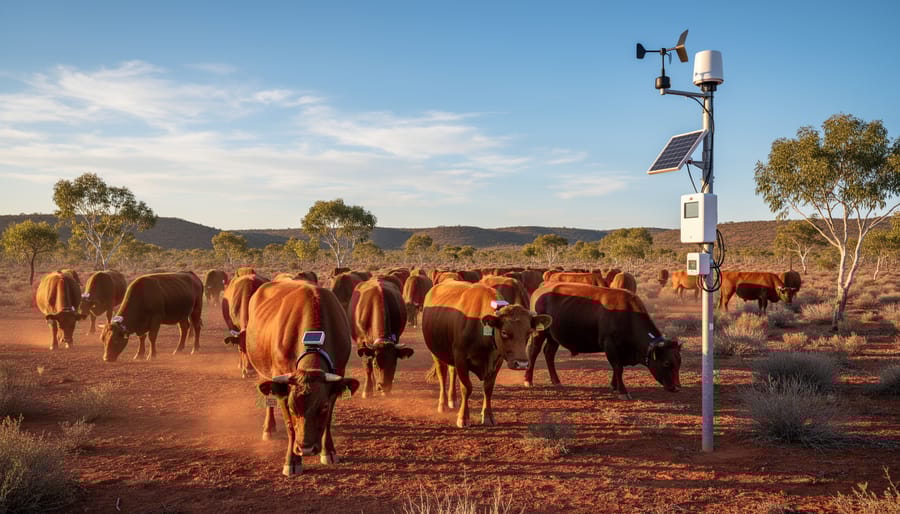
Across Australia’s vast agricultural landscapes, energy harvesting is transforming how farmers monitor their operations. Solar-powered sensors now track soil moisture levels in remote paddocks, sending real-time data to farmers without requiring battery replacements or mains power connections. This technology proves particularly valuable in the Outback, where checking on distant water troughs or weather stations once meant lengthy drives across rough terrain.
A standout success story comes from cattle stations in Queensland, where GPS collars powered by solar energy track livestock movements across thousands of hectares. These self-powered devices monitor animal health and location for years without maintenance, helping farmers respond quickly to potential problems while reducing fuel costs from property inspections.
Vibration-based energy harvesters attached to irrigation pumps also power monitoring systems that detect leaks and optimize water usage, a crucial benefit in drought-prone regions. Meanwhile, thermoelectric generators convert temperature differences in compost heaps into electricity for nearby sensors, demonstrating how creative energy harvesting solutions emerge from everyday farm operations.
These innovations don’t just reduce operational costs; they enable precision agriculture that conserves resources while improving productivity. For remote communities and farmers alike, energy harvesting technology delivers independence from traditional power infrastructure, making sustainable monitoring genuinely practical across Australia’s challenging environments.
Urban Infrastructure and Smart Cities
Australia’s cities are becoming living laboratories for energy harvesting innovation. Melbourne’s smart parking sensors, for instance, harvest kinetic energy from vibrations as cars pass overhead, eliminating battery replacements and reducing maintenance costs. Brisbane’s Queen Street Mall features footpath tiles that convert pedestrian footsteps into electricity, powering nearby LED lighting – a brilliant example of turning high foot traffic into renewable power.
Smart buildings across Sydney are integrating piezoelectric sensors into their structures, capturing energy from building movement and temperature fluctuations to power internal monitoring systems. These smart infrastructure technologies are reducing operational costs while enhancing building performance.
Public infrastructure is also benefiting. Perth’s bus shelters now feature solar-powered digital displays that harvest ambient light, whilst Adelaide is trialling self-powered environmental sensors in parks that combine solar and thermal harvesting. These applications demonstrate how energy harvesting transforms passive infrastructure into active energy generators, reducing grid dependence and creating more resilient urban environments. For councils and developers, these technologies offer practical pathways to meet sustainability targets whilst improving service delivery across Australian cities.

Wearable Technology and Medical Devices
Imagine a fitness tracker that never runs flat or a pacemaker that powers itself from your heartbeat. That’s the promise of energy harvesting in wearable technology and medical devices. These clever devices capture tiny amounts of energy from body heat, movement, or even bloodflow to keep themselves running indefinitely. Australian researchers at RMIT University have developed prototype health monitors that harvest energy from body motion, eliminating the need for battery replacements in remote communities where medical access is limited. For everyday Aussies, this means smartwatches that charge themselves during your morning beach walk, or continuous glucose monitors for diabetics that never need a power top-up. The technology is particularly game-changing for implanted medical devices like pacemakers, where battery replacement requires surgery. By converting the body’s natural movements and warmth into electricity, these self-powered devices reduce medical waste, lower healthcare costs, and provide uninterrupted monitoring that could genuinely save lives.
Why Energy Harvesting Matters for Australia’s Sustainable Future
Reducing Battery Waste and Environmental Impact
Every year, Australians dispose of millions of batteries, many containing toxic materials like lithium, lead, and cadmium that can leach into soil and waterways. This mounting waste poses a real environmental challenge, particularly as our appetite for portable devices continues to grow. Energy harvesting offers a genuinely exciting solution to this problem by powering devices without traditional batteries at all. Imagine wireless sensors in your home or workplace that run indefinitely on ambient light, vibrations, or temperature differences, never requiring battery replacements. This isn’t just about convenience—it’s about dramatically reducing hazardous waste. Several Australian agricultural operations are already using battery-free sensors powered by solar energy harvesting to monitor soil conditions across vast properties, eliminating thousands of battery changes annually. For remote communities and environmental monitoring stations across the Outback, energy harvesting means fewer costly maintenance trips and less toxic waste in fragile ecosystems. By embracing these technologies, we’re taking practical steps toward a cleaner future while maintaining the connectivity our modern lives demand.
Powering Remote and Off-Grid Solutions
Australia’s vast outback and remote communities face unique energy challenges that make energy harvesting particularly valuable. With properties sprawling across thousands of kilometres and townships far from traditional power grids, harvesting ambient energy from the sun, wind, and thermal sources offers a practical lifeline. Stations in Western Australia and the Northern Territory are already installing solar-powered sensors and thermal energy systems to monitor livestock and infrastructure without relying on costly diesel generators.
This technology works beautifully alongside bioenergy initiatives, creating hybrid solutions that power remote operations year-round. When combined with local biomass resources, energy harvesting provides reliable backup power during low-production periods. For Indigenous communities and conservation projects operating off-grid, these self-sustaining systems reduce maintenance costs while protecting Australia’s pristine environments from pollution and noise.
Building Resilient Infrastructure
Energy harvesting technology offers Australian communities a powerful pathway toward greater energy independence and infrastructure resilience. When buildings, remote facilities, and regional networks can generate their own power from ambient sources like sunlight, vibration, and temperature differences, they become less vulnerable to grid disruptions and supply challenges.
This self-sufficiency proves particularly valuable in remote and rural areas across Australia, where traditional power infrastructure can be costly to maintain and susceptible to extreme weather events. Indigenous communities in the Northern Territory, for example, have successfully implemented solar energy harvesting systems that keep essential services running during cyclone season, demonstrating how locally generated power strengthens community resilience.
For urban centres facing increasing demand pressures, distributed energy harvesting reduces strain on existing grids while providing backup power during peak times. This creates a more robust, flexible energy system that can adapt to Australia’s changing climate conditions and growing population needs, ultimately building a more secure energy future for all.
The Challenges and What’s Next
Like any emerging technology, energy harvesting faces its fair share of growing pains, but that’s precisely what makes it such an exciting field to watch. The elephant in the room is power output. Currently, most energy harvesting devices generate relatively small amounts of electricity, making them better suited for low-power sensors and devices rather than, say, running your entire home. It’s a bit like comparing a gentle rain shower to a proper downpour, but remember that even a trickle can fill a dam over time.
Cost remains another consideration. While prices are dropping as manufacturing scales up, some energy harvesting systems still carry a higher upfront investment compared to traditional batteries. However, the long-term savings and environmental benefits often tip the scales, particularly for remote monitoring systems where replacing batteries becomes a logistical nightmare.
The good news? Australian researchers and innovators are tackling these challenges head-on. Universities across the country are developing more efficient materials, while local companies are finding clever ways to integrate harvesting technology into existing infrastructure. We’re also seeing promising developments in hybrid systems that combine multiple energy sources, squeezing more power from our ambient environment.
Think of where solar panels were two decades ago compared to today. Energy harvesting is on a similar trajectory, with each breakthrough bringing us closer to a future where wasted energy becomes a resource we simply can’t afford to ignore.
Getting Started: Opportunities for Australians
Whether you’re an individual keen to reduce your environmental footprint or an organisation exploring sustainable solutions, energy harvesting offers exciting opportunities right here in Australia. Getting started is easier than you might think.
For homeowners and everyday Australians, small steps can make a real difference. Consider solar-powered outdoor lighting, kinetic watches that charge through movement, or phone cases with integrated solar panels. These simple choices demonstrate the technology while reducing reliance on conventional batteries. Community groups and schools can explore educational kits that showcase energy harvesting principles, inspiring the next generation of sustainability champions.
Businesses and organisations have broader options to embrace this technology. Melbourne’s Federation Square and similar innovative Australian spaces show how kinetic flooring can capture foot traffic energy. Companies can trial piezoelectric sensors in their facilities or implement wireless monitoring systems powered by ambient light and temperature differences. The Clean Energy Regulator provides resources to help organisations understand renewable energy options and potential incentives.
For those wanting to dive deeper, universities across Australia including UNSW Sydney and the University of Melbourne offer research programs and partnerships in energy harvesting. Industry groups like the Smart Energy Council connect professionals with emerging opportunities and case studies.
The Australian Renewable Energy Agency regularly announces funding for innovative energy projects, making it worthwhile for organisations to explore grant opportunities. Start small, test applications relevant to your context, and gradually expand as you witness the practical benefits of harvesting ambient energy in your own backyard.
Energy harvesting represents an exciting piece of Australia’s renewable energy puzzle, working hand-in-hand with established solutions like bioenergy to create a truly sustainable future. While bioenergy transforms organic materials into reliable power for communities and industries across the country, energy harvesting captures ambient sources that might otherwise go to waste. Together, these technologies paint a picture of innovation and possibility.
The beauty of this approach lies in its diversity. Just as Australia’s landscape ranges from sun-drenched deserts to vibrant coastal cities, our energy solutions can draw from multiple sources. Bioenergy facilities are already converting agricultural waste and organic materials into clean electricity, whilst energy harvesting technologies quietly power sensors, devices, and systems using ambient vibrations, light, and heat.
For environmentally conscious Australians, the message is clear: embracing a mix of sustainable technologies isn’t just smart, it’s essential. Whether you’re a business exploring renewable options, a policymaker shaping our energy future, or simply someone who cares about leaving a cleaner world for future generations, every step towards sustainable technology matters.
The future doesn’t require choosing between solutions. It demands we champion them all. Start exploring how these innovations can fit into your world today, because building a cleaner, greener Australia begins with action, not just intention.