
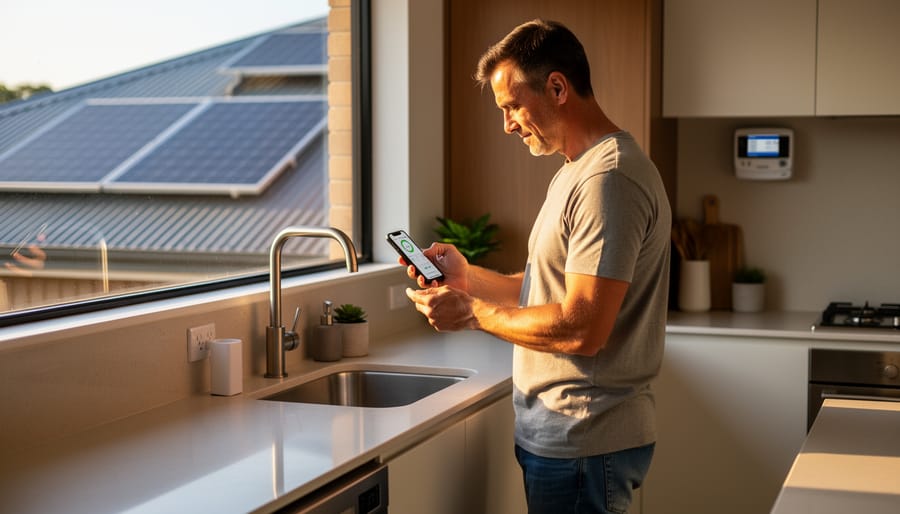
Track your energy consumption daily using smart meters or energy monitoring apps to establish baseline patterns and identify peak usage periods. This immediate visibility creates accountability and reveals opportunities for reduction that typically remain hidden in monthly bills.
Set specific, measurable reduction targets based on your consumption data—aim for 10-15% decreases in three-month intervals—and share these goals with household members or colleagues to strengthen commitment. Research consistently shows that people who monitor their energy use and receive regular feedback reduce consumption by 5-20% compared to those who don’t.
Create visual reminders of your progress by displaying weekly energy graphs on refrigerators or office noticeboards, transforming abstract kilowatt-hours into tangible achievements. Australian households using feedback systems have successfully slashed energy costs by hundreds of dollars annually while significantly reducing their carbon footprint.
Establish automatic alerts through your monitoring system that notify you when consumption exceeds predetermined thresholds, enabling real-time course corrections rather than discovering overconsumption weeks later. This proactive approach transforms sustainable energy habits from aspirational concepts into daily practices.
The power of behavior feedback lies in its simplicity: what gets measured gets managed. When you can see the immediate impact of turning off appliances, adjusting thermostats, or shifting usage to off-peak hours, energy conservation shifts from obligation to engaging challenge. Communities across Australia are proving that consistent monitoring and feedback don’t just reduce bills—they fundamentally reshape how we interact with energy, creating lasting behavioral changes that benefit both households and the environment.
What Is Behavior Feedback and Why Does It Work?
Imagine stepping on the bathroom scales each morning and watching the numbers shift based on yesterday’s choices. That simple act of checking creates awareness, and awareness sparks action. This is behavior feedback in its most basic form – receiving information about the consequences of your actions that helps you make better decisions moving forward.
Behavior feedback works because it taps into fundamental aspects of human psychology. When we can see the direct impact of what we’re doing, three powerful mechanisms kick in. First, awareness increases. You can’t change what you don’t measure, as the old saying goes. Second, motivation builds naturally. Seeing positive results from your efforts creates a rewarding loop that encourages you to continue. Third, accountability takes hold. Regular feedback keeps your goals front of mind rather than letting them slip into the background of daily life.
Think about checking your bank balance on your phone app. That quick glance at your account helps you decide whether to grab that takeaway coffee or brew one at home. Or consider fitness trackers that count your daily steps. Australians wearing these devices often find themselves taking the stairs or parking further away, simply because they can see their progress throughout the day. These everyday examples demonstrate how feedback transforms abstract intentions into concrete actions.
The same principle applies brilliantly to energy consumption. When households can see exactly how much electricity they’re using right now, or compare this month’s usage to last month’s, behavior changes naturally. This isn’t just about social influences on behavior – it’s about giving yourself the information needed to make meaningful environmental choices. The invisible becomes visible, and suddenly, reducing your energy footprint feels achievable rather than overwhelming.
The Science Behind Self-Monitoring Your Energy Footprint
There’s something remarkably powerful about seeing your energy consumption in real numbers. When Sarah, a Melbourne homeowner, installed a simple energy monitor in her home, she discovered her teenage son’s gaming habits were quietly consuming more electricity than her refrigerator. That visibility alone sparked a family conversation that led to a 12% reduction in their monthly energy bill within weeks.
This isn’t just anecdotal magic. The science behind self-monitoring reveals a straightforward yet profound truth: what gets measured gets managed. When we track our energy consumption, we trigger what researchers call the measurement-action cycle. First, you observe your usage patterns. Then, you identify wasteful behaviors. Finally, you make targeted changes. Most importantly, you see the results of those changes, which reinforces positive habits and motivates continued improvement.
Australian households that actively monitor their energy consumption typically reduce their usage by 10-15% without making any significant lifestyle sacrifices. That’s equivalent to taking one in every seven appliances offline, simply by paying attention. These reductions happen because monitoring transforms an invisible resource into something tangible and actionable.
Think of it like stepping on bathroom scales. Before weighing yourself regularly, you might underestimate weight gain. Similarly, most Aussies underestimate their energy consumption by 30-50%. We simply don’t have an intuitive sense of how much power our air conditioner consumes compared to our laptop, or how leaving devices on standby steadily drains electricity.
The visibility created through monitoring acts as a gentle behavioral nudge. When you see your consumption spike on hot days, you naturally question whether you really need the air conditioning at 18 degrees, or if 22 degrees might be comfortable enough. When you notice high nighttime usage, you start switching off phantom loads before bed. These small awareness-driven adjustments compound into substantial savings over time, making self-monitoring one of the most cost-effective energy reduction strategies available.
Tools That Show You Where Your Energy Goes
Smart Meters and Real-Time Displays
Smart meters are transforming how Australian households understand their energy use by providing instant, detailed feedback on consumption patterns. Unlike traditional meters that require manual reading, these digital devices automatically track your electricity use in real-time, revealing exactly when and how you’re consuming power throughout the day.
The rollout of smart meters varies across Australia, with Victoria leading the charge where they’re now standard in most homes. Other states are gradually introducing them, though uptake differs by region and energy provider. Once installed, these meters communicate directly with your retailer, eliminating estimated bills and providing accurate data.
Accessing your smart meter data is straightforward. Most energy retailers offer online portals or mobile apps where you can view your consumption by the hour, day, or month. This granular information helps you identify energy-hungry appliances and peak usage times. For instance, you might discover your pool pump is consuming more than expected, or that leaving devices on standby is adding significantly to your bills.
The real power of smart meters lies in this transparency. When you can see the immediate impact of turning off lights or adjusting your air conditioner, making energy-efficient choices becomes second nature, turning awareness into meaningful action.
Mobile Apps That Make Energy Visible
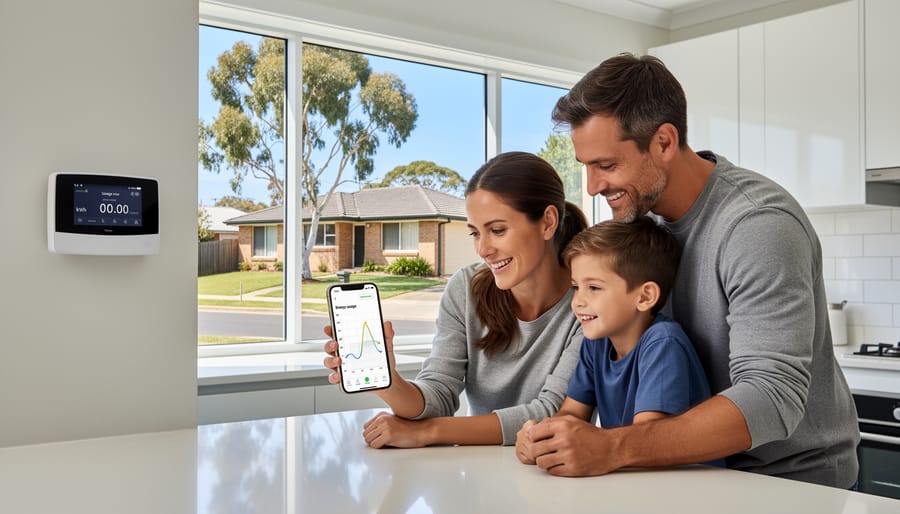
Australians now have remarkable tools at their fingertips to track and reduce household energy consumption. Several mobile apps transform invisible electricity use into clear, actionable insights that motivate genuine behavior change.
Leading the pack is Wattwatchers, a homegrown Australian solution that connects directly to your meter box, providing real-time energy data through an intuitive smartphone interface. Users report feeling more connected to their consumption patterns, with one Sydney family reducing their bills by 23% within three months simply by identifying phantom loads and adjusting peak-hour usage.
Energy companies themselves offer brilliant monitoring tools. Origin’s app features hourly breakdowns and sends friendly nudges when consumption spikes unexpectedly. AGL’s platform goes further, comparing your usage against similar households in your area—a bit of healthy competition that often sparks motivation.
For those seeking comprehensive tracking, the free Solar Analytics app works brilliantly for homes with solar panels, showing exactly how much energy you’re generating, using, and exporting. It’s like having an energy coach in your pocket.
The beauty of these apps lies in their simplicity. They translate complex data into understandable visuals—colorful graphs, daily summaries, and cost projections that make the connection between behavior and bills crystal clear.
DIY Monitoring Solutions for the Hands-On Aussie
You don’t need a fancy setup to start monitoring your energy use. For everyday Aussies keen to get started, there’s a ripper selection of affordable plug-in monitors available at most hardware stores. These clever little devices sit between your appliance and the wall socket, showing you exactly how much power each gadget is guzzling in real-time. Many models cost less than a case of beer and can reveal surprising energy vampires around your home.
Smart plugs take things a step further, connecting to your smartphone so you can track usage patterns throughout the day. They’re particularly brilliant for identifying standby power consumption from entertainment systems, computers, and kitchen appliances. Some enthusiasts have discovered their old beer fridge in the garage was costing them hundreds annually, prompting quick upgrades.
For whole-home monitoring without breaking the bank, consider solar system monitors that many retailers now offer. These track both production and consumption, creating a complete picture of your energy story. The beauty of these DIY solutions is their simplicity. Within minutes of plugging them in, you’re gathering valuable data that transforms invisible energy use into concrete numbers you can act upon, making behavior change feel achievable and rewarding.
Success Stories: Australians Who Changed Their Energy Habits
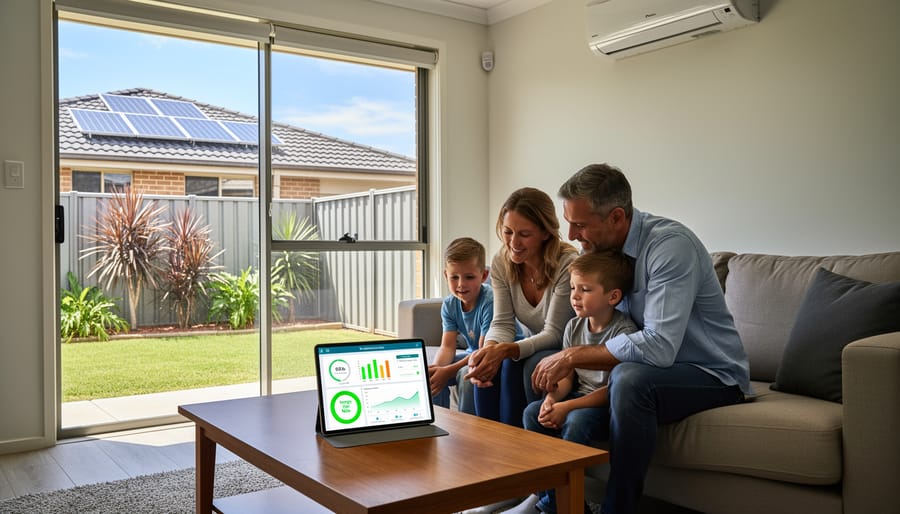
Meet the Williams family from Bendigo, who slashed their electricity bills by 43% in just eight months through smart monitoring and simple habit changes. Sarah Williams installed a home energy monitoring system that displayed real-time consumption on a tablet in their kitchen. “Seeing those numbers jump when we left lights on or ran the dryer during peak hours was a real eye-opener,” she shares. The family started a friendly competition, checking their daily usage each evening over dinner. They switched to off-peak laundry times, unplugged phantom power drains, and invested in energy-efficient appliances. The feedback loop transformed energy consumption from an invisible expense into a tangible challenge they could tackle together.
Over in South Australia’s Barossa Valley, vineyard owner Tom Chen took behavior feedback to another level by integrating bioenergy solutions with monitoring technology. After installing sensors across his property, Tom discovered his irrigation pumps consumed far more energy than necessary. He optimized pump schedules and invested in a small bioenergy system powered by grape marc and pruning waste from his vineyard. The monitoring system showed immediate results, with energy costs dropping 38% in the first year. “The feedback showed us exactly where every kilowatt went,” Tom explains. “Once we could see it, we could fix it.”
Melbourne’s Footscray Community Hub demonstrates how organizations can leverage behavior feedback for impressive results. Facilities manager Linda Nguyen introduced weekly energy reports displayed prominently in staff areas, creating awareness among the 47 employees. Staff members formed a “green team” that analyzed patterns and proposed solutions. They identified that meeting rooms remained heated or cooled when empty and that kitchen equipment ran unnecessarily overnight. Simple changes like automated timers and encouraging staff to report wasteful practices reduced the hub’s energy consumption by 31% within twelve months.
The common thread across these success stories? Visibility drives action. Whether through smartphone apps, digital displays, or weekly reports, making energy consumption visible transformed abstract numbers into meaningful information. These Australians proved that behavior feedback isn’t just about technology; it’s about creating awareness, building new habits, and empowering people to take control of their environmental impact.
Making Feedback Work: Practical Steps You Can Take Today
Start Small: Your First Week of Energy Monitoring
Beginning your energy monitoring journey doesn’t require fancy equipment or complex systems. Start by choosing one area of your home or workplace to focus on during your first week. The kitchen is often ideal, as it contains multiple appliances with varying energy demands.
Spend three days simply observing your patterns. Note when you use major appliances, how long they run, and whether lights stay on in empty rooms. This awareness-building phase is surprisingly revealing—many Australians discover they’re heating or cooling unoccupied spaces, or running appliances during peak tariff periods.
On day four, establish your baseline by recording meter readings at the same time each day. If you have a smart meter, check your energy provider’s app for daily consumption data. Write down the numbers in a simple notebook or smartphone note.
By week’s end, you’ll notice patterns emerging. Perhaps your energy use spikes when the aircon runs during scorching afternoon hours, or maybe standby power from devices adds up overnight. These observations form your starting point for meaningful change.
Remember, this first week isn’t about judgment or dramatic reductions. It’s about building awareness and creating a realistic picture of your energy habits. Small insights gathered now will guide your behavior changes later, making them sustainable and effective.
Set Goals That Stick
Your feedback data reveals patterns, but transforming insights into action requires smart goal-setting. Start by reviewing your energy consumption over the past month to establish your baseline. Rather than aiming for dramatic overnight changes, set a realistic initial target of 5-10% reduction. This modest approach prevents overwhelm while building sustainable habits that last.
Break larger goals into weekly mini-targets. For example, if you’re aiming to reduce evening electricity use by 15%, focus first on switching off standby devices before bed. Track your progress daily and adjust strategies as needed.
Celebrate every milestone, no matter how small. Saved 50 kilowatt-hours this month? Treat yourself to a coffee or share your success with mates. Recognition reinforces positive behavior and maintains motivation during challenging periods.
Consider creating a visual progress tracker on your fridge or phone. Many Australians find that watching their energy curve flatten becomes genuinely satisfying, transforming conservation from a chore into an engaging personal challenge that benefits both your wallet and the environment.
Turn Insights Into Action
Monitoring your energy use is only half the battle—the real magic happens when you transform those insights into concrete action. Once you’ve spotted patterns in your data, start with the low-hanging fruit. That fridge running in the garage? It could be guzzling hundreds of dollars worth of electricity each year. Switch off appliances at the wall rather than leaving them on standby—these “energy vampires” silently drain power even when you’re not using them.
Time your major appliances strategically. Run your dishwasher and washing machine during off-peak hours when electricity costs less. Adjust your heating and cooling habits based on what your monitoring reveals. Perhaps you’re cooling an empty home all day, or heating rooms you rarely use. Even small tweaks, like shifting your thermostat by a degree or two, can lead to noticeable savings.
Set monthly targets based on your baseline consumption and celebrate when you hit them. Share your progress with family or mates to stay motivated. Remember, every kilowatt-hour you save isn’t just money in your pocket—it’s a contribution to Australia’s cleaner energy future.
Beyond Your Home: Feedback for Businesses and Communities
The power of behavior feedback extends far beyond individual households. Australian farms, businesses, and community organizations are discovering how energy monitoring systems can transform their operations while creating exciting new opportunities.
Take dairy farms in Victoria’s Gippsland region, for example. By installing real-time energy monitors on their cooling systems and milking equipment, these operations have slashed electricity costs by up to 30%. The feedback systems revealed peak-time energy waste that simple scheduling changes could eliminate. One farm owner shared, “We didn’t realize our cooling units were working overtime during the hottest parts of the day. Now we’ve adjusted operations, and the savings pay for the monitoring system many times over.”
Manufacturing businesses are following suit. A Brisbane-based food processing company installed comprehensive energy monitoring across their production line, discovering that equipment left on standby overnight was consuming significant power. The visual feedback motivated staff engagement, and within months, they’d reduced their energy footprint by a quarter.
Community groups are also embracing these systems. Sports clubs, community centers, and schools are using shared monitoring platforms to track energy use collectively. These community energy initiatives create friendly competition between facilities while fostering a culture of collective responsibility.
This growing adoption is creating genuine job opportunities. Energy auditors, monitoring system installers, and sustainability consultants are in increasing demand. Regional areas particularly benefit from bioenergy efficiency specialists who help agricultural operations optimize biomass systems and reduce waste.
The beauty of scaling up feedback systems is the multiplier effect. When businesses reduce energy consumption, they lower operational costs, improve competitiveness, and demonstrate environmental leadership. That’s a win for the bottom line and the planet, creating momentum that spreads throughout entire supply chains and communities.
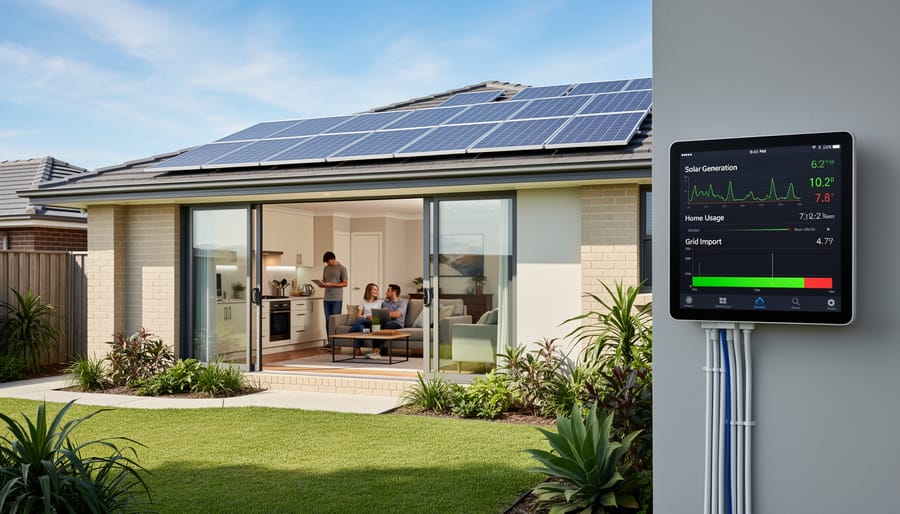
The journey toward reducing your energy footprint begins with a single step: paying attention. When you monitor your energy use and receive clear feedback about your consumption patterns, you unlock a powerful tool for change that transforms awareness into action. The beauty of this approach is that it doesn’t require dramatic lifestyle overhauls or significant financial investment—just a commitment to noticing, learning, and adjusting your daily habits.
Every kilowatt-hour you save through conscious behaviour contributes to Australia’s broader renewable energy transition. When thousands of households adopt self-monitoring practices, the collective impact becomes substantial. Your decision to check your smart meter before bed, adjust your air conditioning settings, or shift your washing to off-peak hours ripples outward, reducing strain on the grid and decreasing our national carbon emissions.
Remember, sustainable change isn’t built overnight. It’s the accumulation of small, consistent choices that creates lasting transformation. As more Australians embrace energy awareness, we’re collectively building a cleaner, more sustainable future. Your individual actions matter—they’re the building blocks of the renewable energy revolution happening right now across our sunburnt country. Start monitoring today, and you’ll be amazed at the difference you can make.