
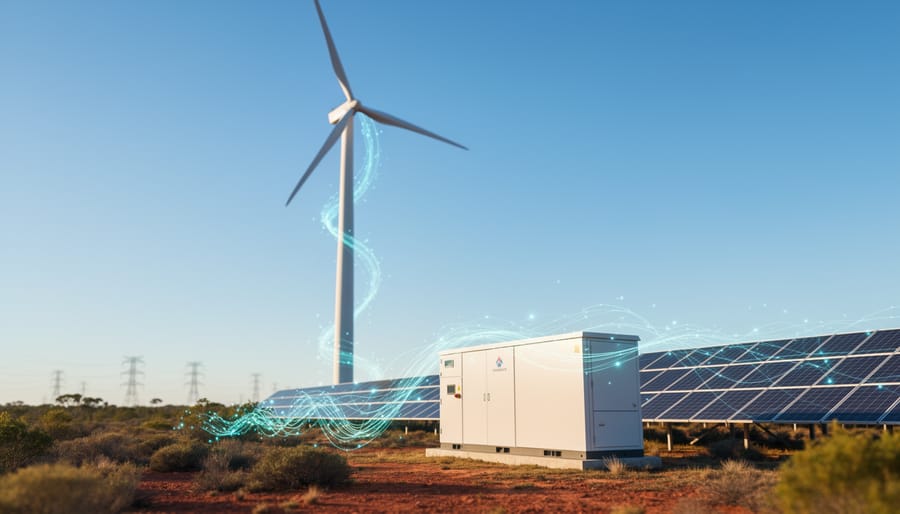
Digital twins are virtual replicas of physical assets that use real-time data to simulate, predict, and optimize performance, and across Australia’s smart energy sector, they’re already delivering measurable improvements in efficiency, reliability, and cost savings. From solar farms in Queensland tracking panel degradation before it impacts output, to battery storage systems in South Australia predicting maintenance needs weeks in advance, these digital replicas are transforming how energy companies operate and how Australians benefit from renewable infrastructure.
The technology works by creating a software model of a physical asset, whether that’s a wind turbine, an entire power grid, or a suburban home’s solar array. Sensors feed continuous data into the model, which then runs scenarios, tests changes, and identifies problems without touching the actual equipment. The result? Energy systems that learn, adapt, and improve themselves.
What makes digital twins particularly powerful in the Australian energy context is their ability to handle our unique challenges: vast distances between generation and consumption, extreme weather patterns that stress infrastructure, and the rapid integration of distributed renewable sources. A digital twin can model how a heatwave will affect grid demand three days out, or simulate ten years of wear on a battery system in minutes of computing time.
This article presents seven real-world examples of digital twins in Australian smart energy applications, from large-scale wind farms to residential microgrids. Each example demonstrates tangible outcomes, showing not just what’s possible but what’s already working. Whether you’re evaluating digital twin technology for your organization or simply curious about the future of energy infrastructure, these cases illustrate why this technology has moved from experimental to essential.
Why Digital Twins Matter for Smart Energy Systems
Digital twins act as virtual replicas of physical energy infrastructure, creating real-time digital mirrors that predict, optimize, and troubleshoot before problems emerge in the actual system. For Australia’s rapidly evolving energy landscape, this technology transforms how we manage everything from rooftop solar arrays to massive wind farms and bioenergy facilities.
The technology excels at three critical functions. First, it optimizes energy generation by modeling variables like weather patterns, fuel quality, and equipment performance to maximize output from renewable sources. Second, it revolutionizes distribution through digital twin grid operations that balance supply and demand across complex networks with unprecedented precision. Third, it transforms consumption by helping buildings and facilities adjust usage dynamically based on grid conditions and cost signals.
For renewable energy integration, digital twins solve one of Australia’s biggest challenges: managing the intermittent nature of solar and wind. By simulating thousands of scenarios simultaneously, they help grid operators maintain stability even when cloud cover suddenly drops solar output or wind speeds shift unexpectedly. This capability proves essential as renewables reach higher penetration levels across the National Electricity Market.
The carbon reduction benefits compound quickly. AI predictive maintenance powered by digital twins extends equipment lifespan, reduces waste from premature replacements, and minimizes energy lost to inefficient operations. Australian energy companies using this approach report emissions reductions of 10-20% alongside operational savings, proving that environmental and economic goals align when technology works this precisely.
What to Look for in Digital Twin Energy Applications
Not all digital twins deliver equal value, especially when you’re weighing investment against real-world outcomes for renewable energy projects. The most effective applications share five core characteristics that separate genuinely transformative tools from expensive data visualizations that sit idle.
Start by assessing real-time monitoring capability. A worthwhile digital twin continuously ingests live data from sensors, IoT energy monitoring devices, and 5G smart meters updating its virtual model within seconds rather than hours. This immediacy lets operators spot inefficiencies, predict failures, and adjust operations before problems cascade through the system.
Look for these essential features when evaluating any digital twin energy application:
- Real-time data integration from multiple sources including sensors, meters, weather stations, and operational systems
- Compatibility with existing infrastructure without requiring wholesale equipment replacement
- Predictive analytics that forecast performance, maintenance needs, and potential failures days or weeks ahead
- Scalability to expand from pilot projects to enterprise-wide deployments as needs grow
- Measurable sustainability outcomes with clear metrics for emissions reduction, efficiency gains, and renewable energy optimization
Predictive power matters more than pretty dashboards. The digital twin should forecast equipment failures, energy demand spikes, and generation patterns with enough accuracy to inform decisions that save money and reduce downtime. Australian energy operators have seen maintenance costs drop 30 to 40 percent when predictive insights replace reactive repairs.
Finally, prioritize solutions with proven implementation pathways. The best examples include clear integration guides, Australian compliance frameworks, and support for local renewable energy standards. A digital twin that can’t adapt to your existing biomass plant, solar array, or grid connection won’t deliver value no matter how sophisticated its algorithms. Focus on practical tools that solve specific problems rather than chasing technological novelty.
7 Digital Twin Examples Powering Smart Energy Systems
1. Virtual Power Plant Networks
Virtual power plants represent one of the most ambitious applications of digital twin technology in Australia’s energy landscape. These sophisticated systems create virtual replicas of thousands of distributed energy resources, rooftop solar panels, home batteries, and small-scale bioenergy units, coordinating them as if they were a single, large power station.
The digital twin continuously monitors each connected asset, predicting energy generation based on weather forecasts, optimizing battery charge cycles during off-peak periods, and dispatching stored energy when grid demand peaks. This real-time orchestration happens invisibly to homeowners while delivering grid-scale benefits.
South Australia’s pioneering virtual power plant initiative demonstrates this potential. By digitally modeling over 50,000 household solar and battery systems, the network can inject up to 250 megawatts into the grid during critical periods. The digital twin predicted a 30% improvement in energy arbitrage opportunities, enabling participants to benefit from clean energy trading while strengthening grid stability during extreme weather events.
The technology proved particularly valuable during the 2024 heatwave, when the digital twin forecast demand spikes three hours ahead, pre-charging batteries and coordinating discharge to prevent blackouts without firing up diesel generators.
2. Smart Grid Infrastructure Management
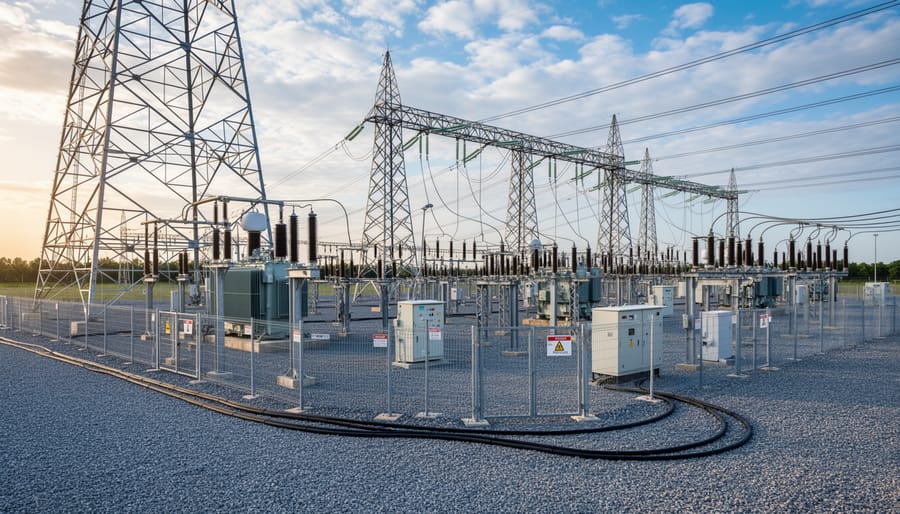
Smart grid digital twins create virtual replicas of entire electricity networks, tracking power flow from generators through substations to homes and businesses in real time. Unlike traditional grid management that reacts to problems after they occur, these systems continuously simulate network conditions to spot potential issues before they disrupt service. Australian utilities are deploying digital twins that model how wind and solar generation affects grid stability throughout the day, adjusting voltage levels and load distribution automatically as renewable output fluctuates with weather patterns.
The technology delivers measurable reliability improvements. Digital grid models can prevent outages via rerouting electricity around equipment failures or overloaded lines before customers notice disruption. These systems also address grid cyber threats by creating safe testing environments where operators can simulate attack scenarios and develop response protocols without risking the physical network.
For renewable integration, grid digital twins solve a critical challenge: matching intermittent solar and wind generation with constant demand. The virtual model predicts when excess renewable energy will flood the network and coordinates battery storage systems or bioenergy plants to absorb or supplement supply, keeping frequency stable across the grid.
3. Biomass Power Plant Optimization
Australian biomass facilities are using digital twin technology to squeeze every bit of energy from organic waste while keeping emissions in check. These virtual replicas mirror every component of a bioenergy plant, from fuel feedstock conveyor systems to combustion chambers and turbine generators, creating a real-time testing ground for optimization.
The technology tracks fuel moisture content, particle size, and heating values to predict combustion efficiency before biomass enters the boiler. Operators can simulate different fuel blends, mixing agricultural residues with forestry waste to find the optimal combination for maximum energy output and minimal ash production. This predictive capability has helped several Queensland sugar mills boost cogeneration efficiency by 12-15% while reducing unplanned shutdowns.
Emission control becomes smarter too. Digital twins model how combustion temperature, air flow, and fuel composition affect nitrogen oxide and particulate emissions. Operators adjust parameters virtually first, ensuring compliance before implementing changes. The twin also predicts maintenance windows by monitoring vibration patterns, temperature fluctuations, and equipment wear, scheduling repairs during planned downtime rather than waiting for failures.
For Australia’s growing bioenergy sector, particularly facilities processing agricultural and forestry waste, digital twins transform variable organic fuel into reliable, optimized renewable power that strengthens regional grid stability.
4. Wind Farm Performance Modeling
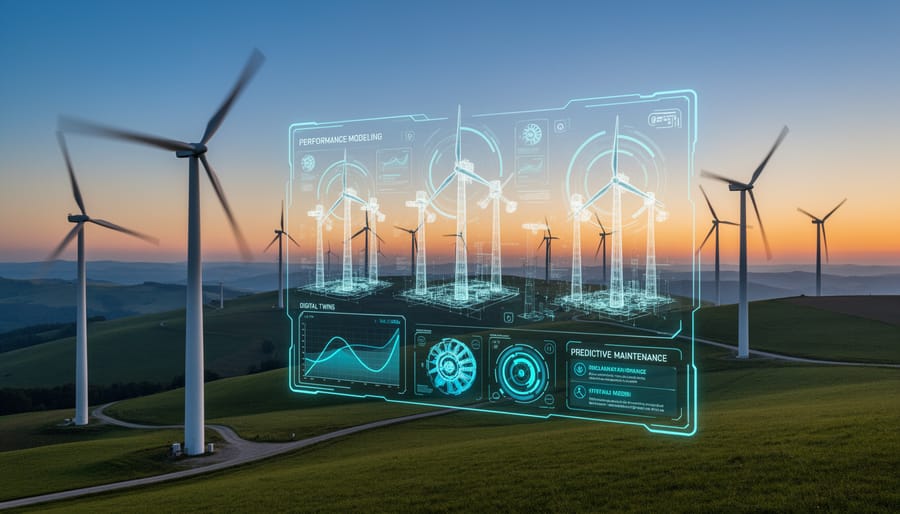
Wind turbines generate power unpredictably, one gusty afternoon might produce 40% capacity while the next delivers barely 15%. Virtual wind farm models eliminate this guesswork by creating digital replicas of every turbine, analysing blade performance against real-time weather data and historical patterns.
These systems predict energy output hours or days ahead, allowing grid operators to balance supply with coal or gas alternatives. At South Australia’s Hornsdale Wind Farm, digital twins monitor 99 turbines simultaneously, adjusting blade pitch angles microscopically to capture maximum wind energy at varying speeds. When wind accelerates beyond safe thresholds, the system automatically feathers blades to prevent damage.
Maintenance scheduling transforms from reactive repairs to planned interventions. Vibration sensors detect bearing wear weeks before failure, while thermal imaging identifies overheating components. The digital model calculates optimal shutdown windows when wind speeds drop naturally, avoiding forced outages during peak generation periods.
Australian wind farms using this technology report 12-18% generation increases and 30% lower maintenance costs. The virtual turbines learn from each weather event, refining predictions as seasons change. For regions like Tasmania and western Victoria with abundant wind resources, these digital twins turn variable renewable energy into reliable, schedulable power that strengthens grid stability rather than challenging it.
5. Solar Array Efficiency Tracking
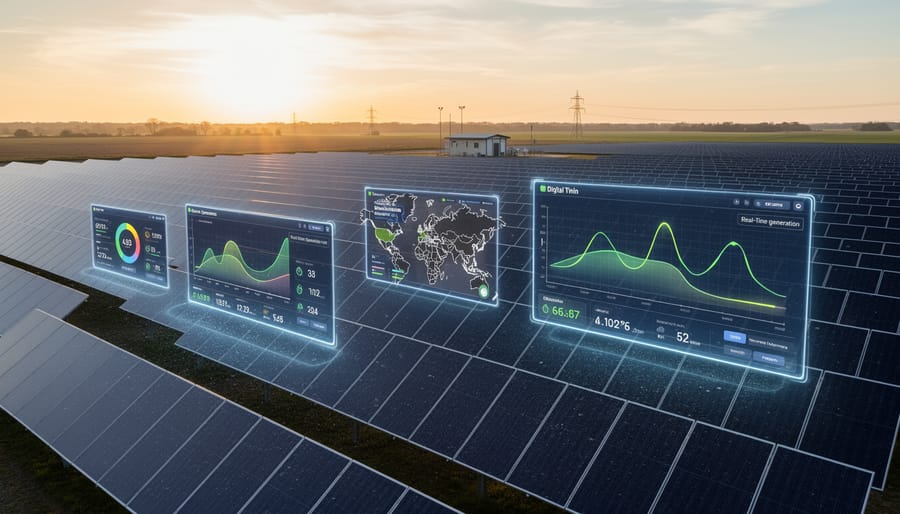
Large-scale solar farms across Australia’s sun-drenched landscapes now use digital twins to squeeze every watt from their arrays. These virtual replicas continuously monitor thousands of panels simultaneously, comparing actual output against predicted performance based on weather data, panel specifications, and historical patterns.
When individual panels underperform, perhaps due to dust accumulation, shading from vegetation growth, or equipment degradation, the digital twin flags them for immediate attention. This targeted maintenance approach saves operators from inspecting entire arrays blindly, cutting costs while maximizing generation. One Queensland solar farm identified a 7% efficiency loss from partial shading that had gone unnoticed for months, recovering significant lost revenue after the digital twin pinpointed affected panels.
The predictive capability proves equally valuable for grid integration. By forecasting tomorrow’s solar generation with greater accuracy, network operators can schedule conventional or battery storage resources more efficiently. Digital twins process real-time weather forecasts, satellite imagery, and operational data to predict output fluctuations hours or days ahead.
For Australia’s ambitious renewable energy targets, these virtual solar arrays transform intermittent solar power into a more reliable, manageable grid resource whilst reducing operational expenses for solar farm operators.
6. Energy Storage System Management
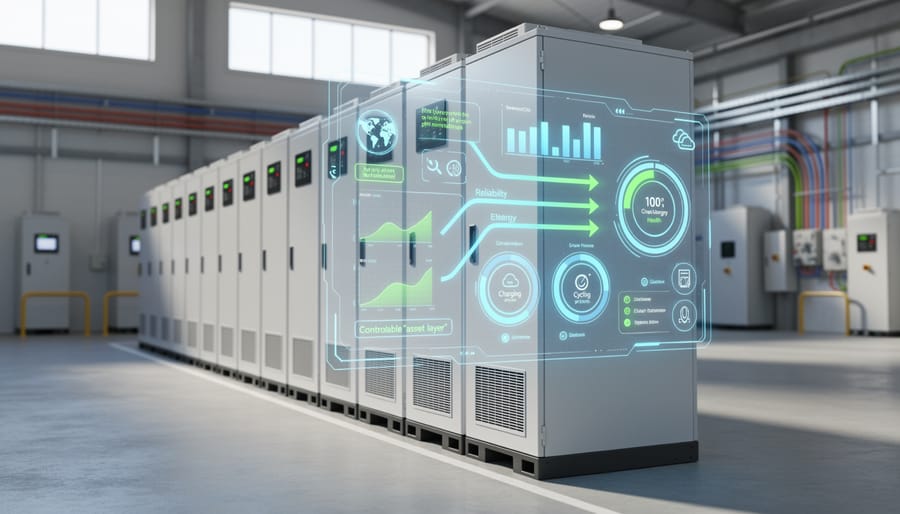
Energy storage systems represent one of the most critical components in Australia’s renewable energy transition, and digital twins are revolutionising how we manage them. Virtual replicas of battery installations, from grid-scale facilities to commercial storage arrays, continuously monitor performance metrics, predict degradation patterns, and optimise charge-discharge cycles in real time.
These digital twins analyse thousands of variables: temperature fluctuations, voltage levels, state of charge, and historical usage patterns. They coordinate charging when solar and wind generation peaks, then strategically discharge during high-demand periods or when renewable output drops. This intelligent orchestration maximises the financial return on storage investments while reducing strain on the grid.
What makes these systems particularly valuable is their ability to extend battery lifespan. By predicting optimal operating windows and avoiding stress conditions that accelerate degradation, digital twins can add years to expensive battery assets. A commercial installation in South Australia using digital twin management extended its projected lifespan by 30 percent through precise cycle optimisation.
The technology also enables predictive maintenance, identifying failing cells before they compromise the entire system. For Australian businesses and utilities investing millions in storage infrastructure, this predictive capability transforms batteries from reactive assets into proactive grid management tools.
7. Building Energy Management Systems
Commercial and industrial buildings account for roughly 25% of Australia’s total energy consumption, making them prime candidates for digital twin optimization. Building energy management systems create virtual replicas that mirror every energy-consuming component, from HVAC units and lighting circuits to onsite solar panels and battery storage, then test scenarios to find the most efficient operational settings.
A Melbourne office tower implemented a digital twin that reduced energy costs by 32% within eighteen months. The system learned occupancy patterns, adjusted heating and cooling zones in real-time, and coordinated rooftop solar generation with grid demand charges. When the building’s chiller showed early signs of inefficiency, the digital twin flagged it for maintenance before a costly breakdown occurred.
These systems excel at integrating renewable energy sources. A Sydney manufacturing facility uses its digital twin to schedule energy-intensive processes during peak solar generation hours, storing excess energy for night shifts. The virtual model predicts weather impacts on solar output, adjusting operations three days ahead to maximize self-consumption and minimize grid purchases.
The technology delivers measurable results: most Australian businesses implementing building digital twins see 20-35% energy savings, improved occupant comfort, and equipment lifespans extended by identifying issues before failures occur.
Common Questions About Digital Twins in Energy
Organizations across Australia face similar questions when considering digital twin technology for their energy systems. Understanding the practical realities helps demystify the implementation process and reveals why digital twins are increasingly accessible to a broader range of businesses and facilities.
What does it cost to implement a digital twin for energy systems?
Implementation costs vary widely from $50,000 for basic building management systems to several million for complex grid infrastructure, depending on scale and complexity. Many Australian organizations start with pilot projects focusing on specific assets before expanding to full-scale deployment.
What data is needed to create an effective digital twin?
Digital twins require real-time sensor data from energy meters, weather stations, operational equipment, and historical performance records. Most modern renewable energy installations already collect much of this data through existing monitoring systems.
How long does it take to see results from digital twin implementation?
Initial insights often emerge within weeks of deployment as the system begins pattern recognition, while substantial operational improvements typically become evident within six to twelve months once predictive algorithms refine their accuracy.
Can small organizations benefit from digital twin technology?
Absolutely. Cloud-based platforms now offer subscription models that make digital twins accessible to small businesses and community energy projects without massive upfront investment in computing infrastructure.
How do digital twins integrate with existing energy management systems?
Most digital twin platforms connect through standard APIs and protocols, allowing them to pull data from existing SCADA systems, building management software, and IoT devices without replacing current infrastructure.
The integration process typically starts with a thorough assessment of existing data infrastructure. Organizations often discover they already capture the necessary information but need better ways to analyse it. Cloud computing has removed many historical barriers, eliminating the need for expensive on-site servers and specialized IT teams.
For Australian energy providers and large commercial operations, the return on investment usually comes through optimized maintenance schedules, reduced downtime, and improved energy efficiency. Smaller organizations see value in lower energy bills and enhanced reliability. The technology scales remarkably well, from single-building applications tracking solar panels and batteries to state-wide networks coordinating thousands of distributed energy resources.
Taking the Next Step with Digital Twins
The seven digital twin examples we’ve explored, from virtual power plants coordinating renewable assets to building management systems slashing energy waste, reveal a common thread: they turn data into decisions that make Australia’s energy systems smarter, cleaner, and more resilient. These aren’t futuristic concepts. They’re working right now across solar farms in Queensland, biomass facilities in regional areas, and commercial buildings in our major cities, proving that digital twins can accelerate our transition to sustainable energy while delivering immediate operational benefits.
Whether you’re managing a renewable energy project, overseeing grid infrastructure, or running a commercial operation, digital twin technology offers a pathway to meaningful improvements in efficiency, reliability, and environmental performance. The Australian energy sector stands at a pivotal moment, with ambitious renewable targets and the technical tools to achieve them. By embracing digital twins, we’re not just optimizing individual systems, we’re building the intelligent, interconnected energy infrastructure that will power a sustainable future for generations to come.