
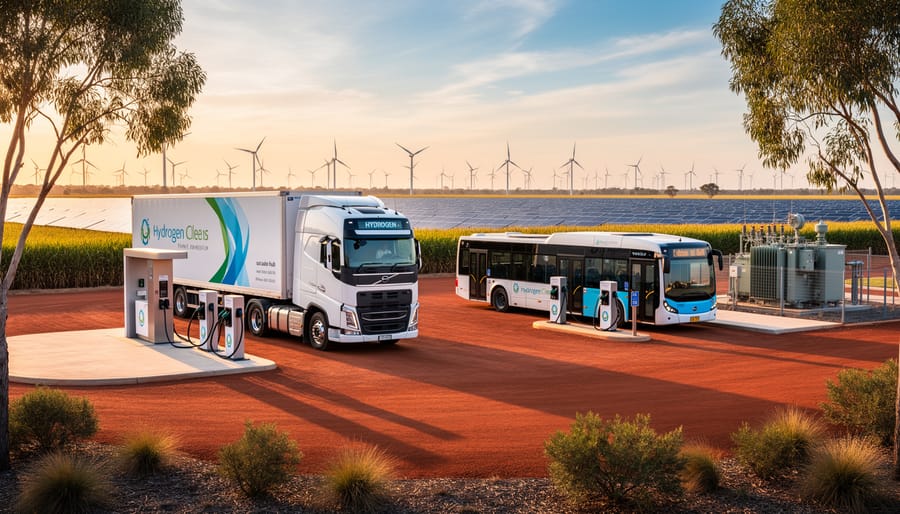
Australia’s transport sector stands at a crossroads, responsible for nearly one-fifth of our national emissions, yet poised to become a cornerstone of our clean energy future. The Zero Emissions Transportation Association represents a groundbreaking approach to solving this challenge—not through top-down mandates, but through collaborative policy-making that brings together everyone from freight operators to renewable energy innovators, from local councils to automotive manufacturers.
This alliance model is already transforming how we tackle transport emissions across Australia. In Queensland, a coalition of logistics companies, biofuel producers, and government agencies has reduced heavy vehicle emissions by 40 percent over three years—proof that when competing interests unite around shared goals, ambitious targets become achievable realities.
The magic happens when these associations connect transport electrification with Australia’s abundant renewable resources, including bioenergy from agricultural waste and sustainably managed biomass. Rather than viewing electric vehicles as the only solution, these alliances recognize that biodiesel, renewable natural gas, and hydrogen all have roles to play—particularly for heavy transport, regional communities, and industries where battery power falls short.
For policymakers navigating complex stakeholder demands, these associations offer a practical framework for balanced decision-making. Industry professionals gain access to emerging opportunities and regulatory clarity. Environmental advocates see faster progress than traditional advocacy achieves alone.
The result? Transport policies that actually work on the ground, not just on paper—backed by the people who’ll implement them and economically viable from day one. This is how Australia can lead the world in zero-emissions transport while strengthening regional economies and creating thousands of sustainable jobs.
What Makes Zero Emissions Transportation Associations Different
The Co-Creation Model Explained
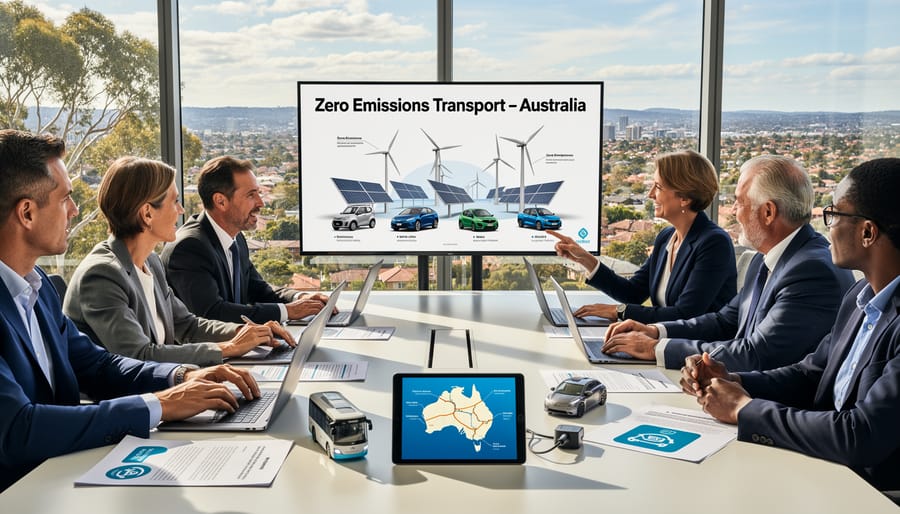
Co-creation alliances bring together diverse voices to craft transportation policies that actually work on the ground. Rather than government departments developing strategies in isolation, this model invites transport operators, environmental groups, renewable energy providers, and community representatives to the same table. Think of it as a community working bee, but for shaping our transport future.
Here’s how it works in practice: A local council wanting to transition their bus fleet to zero emissions doesn’t simply purchase electric vehicles and hope for the best. Instead, they convene bus operators to understand route requirements, energy companies to ensure charging infrastructure connects with renewable sources like bioenergy, and community groups to identify service gaps. Together, they design solutions that address real-world challenges from multiple angles.
In regional Queensland, this approach helped develop a freight corridor strategy where transport companies, biofuel producers, and logistics firms collaborated to map out practical pathways for heavy vehicle electrification. The result wasn’t a one-size-fits-all mandate but a flexible framework acknowledging different timelines and technologies for various fleet types.
The beauty of co-creation lies in its problem-solving power. When a trucking company raises concerns about charging times, renewable energy experts can suggest biodiesel alternatives for specific routes. When environmental advocates push for faster timelines, industry partners can outline realistic transition schedules. This back-and-forth creates policies grounded in possibility rather than wishful thinking, building momentum toward zero emissions transport through shared ownership and practical solutions.
Beyond Traditional Advocacy
Traditional advocacy often involves separate groups lobbying for their interests, creating an “us versus them” dynamic that slows progress and produces policies that look good on paper but struggle in practice. Zero emissions transportation alliances are changing this game entirely by bringing everyone to the table from day one.
This collaborative approach means transport operators, energy providers, vehicle manufacturers, and government representatives work together to identify real-world barriers and co-design practical solutions. Rather than advocacy groups proposing policies that industry later claims are unworkable, or companies pushing agendas that environmentalists oppose, partnership-driven development creates outcomes everyone can get behind.
The difference is remarkable. When Melbourne’s electric bus network expanded, it succeeded because fleet managers, charging infrastructure providers, and renewable energy suppliers collaborated on implementation timelines that actually matched grid capacity and operational realities. The result? Smooth rollouts instead of costly false starts.
This co-creation model also speeds up policy implementation. When stakeholders have shaped the policy together, they’re invested in making it work rather than finding loopholes or reasons it can’t succeed. It’s the difference between compliance and commitment, between box-ticking and genuine transformation toward zero emissions transport across Australia.
Connecting Clean Transport with Renewable Energy
Bioenergy’s Role in Transport Electrification
As Australia accelerates toward zero emissions transport, bioenergy is emerging as a vital partner in the electrification revolution. Biomass-derived energy isn’t just about producing electricity—it’s creating a resilient backbone for our charging infrastructure and opening pathways for alternative fuels that complement electric vehicles.
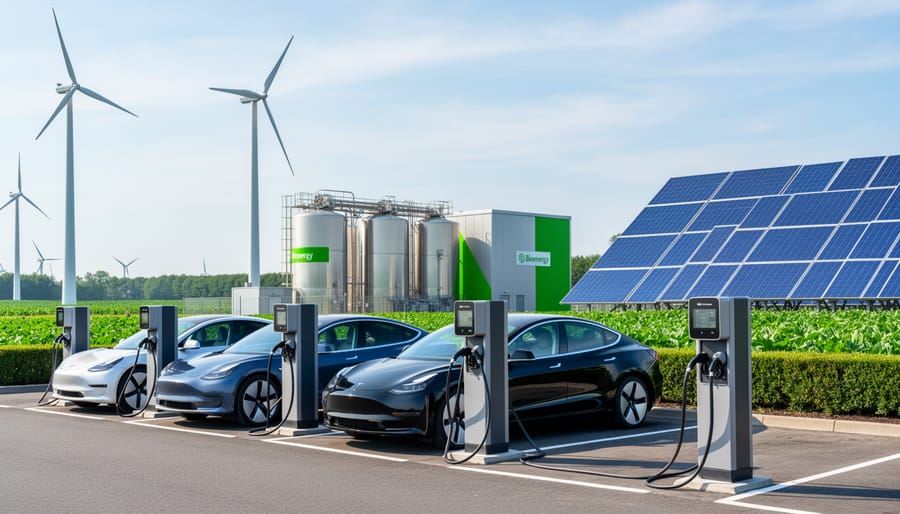
Across the country, innovative projects demonstrate this synergy beautifully. In regional Queensland, several truck stops now feature EV charging stations powered entirely by biogas generated from agricultural waste. What once headed to landfill now fuels the vehicles of tomorrow, turning a disposal problem into a clean energy solution. These stations prove that electrification doesn’t demand massive grid upgrades everywhere—bioenergy can fill crucial gaps, especially in remote areas where grid connections are costly or impractical. Increasingly, these sites are evolving into full-service clean transport hubs, pairing renewable-powered charging with on-site truck battery replacement facilities. This approach minimizes downtime for heavy vehicles, supports long-haul electrification, and makes zero-emission freight more viable in regions where traditional infrastructure would otherwise be a limiting factor.
Bioenergy also supports transport through renewable fuel production. Australian companies are converting forestry residues and crop waste into advanced biofuels that can power heavy vehicles during the transition period. While electric trucks gain ground in urban deliveries, biofuels offer immediate emissions reductions for long-haul freight and mining operations where battery technology still faces range limitations.
The Port of Melbourne provides an inspiring example of integration. Their terminal operations combine electric equipment charged through biogas-powered microgrids with waste-derived fuels for remaining diesel machinery. This hybrid approach has slashed emissions by forty percent while maintaining operational efficiency.
Perhaps most excitingly, biomass power plants offer grid stability that helps accommodate the increasing electricity demand from transport electrification. Unlike intermittent solar and wind, bioenergy provides dispatchable power—available exactly when needed to meet evening charging peaks or unexpected demand surges. This reliability makes ambitious zero emissions transport targets achievable without compromising energy security, showing how diverse renewable sources work together toward our clean transport future.
The Grid Challenge and Solutions
The electrification of Australia’s transport sector presents both an extraordinary opportunity and a significant challenge for our power grid. As electric vehicles become increasingly popular, our energy networks need to adapt rapidly to handle the additional demand without compromising reliability or sustainability.
The solution lies in strategically expanding our renewable energy infrastructure while implementing smart charging systems that distribute load effectively. Several Australian regions are already leading the way with innovative approaches. In South Australia, coordinated charging networks paired with solar and wind generation have successfully managed peak demand, demonstrating that grid stability and transport electrification can work hand-in-hand.
Queensland’s experience with integrating bioenergy into the charging infrastructure mix offers another promising model. By utilizing agricultural waste and biomass to complement solar and wind power, communities have created resilient, locally-sourced energy systems that support growing EV fleets while reducing reliance on fossil fuels.
These success stories prove that with proper planning, collaboration between energy providers and transport stakeholders, and investment in diverse renewable sources, Australia’s grid can confidently support our zero emissions transport future.
Australian Success Stories: Where Co-Creation Is Working
Regional Transport Transformations
Across Australia, regional communities are demonstrating that zero emissions transport isn’t just a big-city conversation. Through collaborative policy development between local councils, transport operators, and community groups, practical solutions are emerging that reflect the unique needs of different regions.
In Tasmania’s Huon Valley, a partnership between the local council, agricultural producers, and transport associations has created an innovative farm-to-market logistics network powered by electric vehicles charged with renewable energy. This initiative cut transport emissions by 40% while reducing costs for farmers—a genuine win-win that emerged from co-creating policy with those who actually use the roads every day.
Up in regional Queensland, the Toowoomba Region has pioneered a fleet transition program where council garbage trucks now run on locally produced biofuel derived from organic waste. This closed-loop system was developed through community workshops that brought residents, waste management companies, and transport experts around the same table. The result? A transport solution that simultaneously addresses waste management and emissions reduction whilst creating local jobs.
Perhaps most impressive is Victoria’s Goulburn Valley initiative, where school bus operators collaborated with energy providers and regional development bodies to electrify rural school transport. Parents, drivers, and planners worked together to solve charging infrastructure challenges unique to dispersed rural communities. Today, over 30 electric buses serve the region, proving that zero emissions transport works brilliantly outside metropolitan areas.
These regional success stories share common threads: genuine community involvement from day one, flexibility to adapt solutions for local conditions, and partnerships that pool resources and expertise. They demonstrate that when policy-makers listen to regional voices and co-create solutions rather than imposing one-size-fits-all approaches, transformation happens faster and sticks better.
Industry Partnerships Driving Change
The transformation toward zero emissions transport isn’t happening in isolation—it’s powered by dynamic collaborations between Australian businesses, energy providers, and transport operators who recognise that clean mobility requires collective action. Industry partnerships are creating the essential infrastructure and supportive policy frameworks that make sustainable transport viable across the nation.
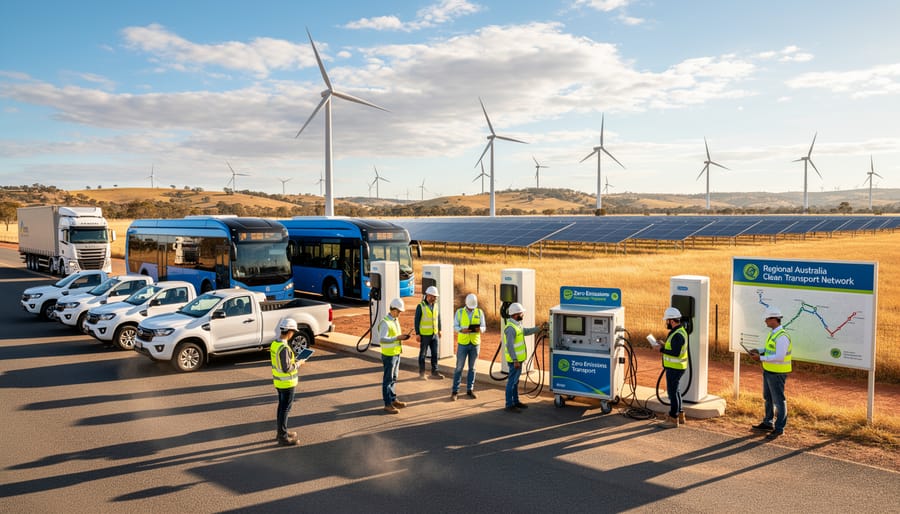
Major energy retailers are joining forces with logistics companies to establish charging networks along key freight corridors, ensuring electric trucks can operate efficiently between capital cities. Meanwhile, public transport authorities are partnering with renewable energy providers to power electric bus fleets directly from solar and wind sources, reducing operational costs while slashing emissions.
The commercial sector is also stepping up. Mining companies in regional Queensland have partnered with bioenergy producers to create renewable diesel from agricultural waste, powering heavy equipment while supporting local farming communities. Similarly, delivery companies in Melbourne are collaborating with council governments to trial electric vehicle zones, testing how infrastructure investments can accelerate urban fleet transitions.
These partnerships extend beyond hardware to shape smart policy frameworks. Working groups comprising transport operators, energy experts, and government representatives are co-designing regulations that remove barriers to clean transport adoption while ensuring grid stability. This collaborative approach ensures policies reflect real-world operational needs rather than theoretical ideals, creating practical pathways that businesses can confidently follow toward zero emissions goals.
The Economic Opportunity: Jobs and Growth
The shift toward zero emissions transportation isn’t just an environmental imperative—it’s a powerful economic engine driving job creation and regional growth across Australia. When transportation alliances collaborate with renewable energy sectors, they unlock opportunities that benefit communities from Darwin to Hobart.
Manufacturing is experiencing a renaissance as demand for electric vehicles, charging infrastructure, and supporting technologies accelerates. Australian companies are already establishing themselves as leaders in electric bus production, battery assembly, and charging equipment manufacturing. These aren’t temporary positions either—they’re skilled, long-term careers in engineering, production, and quality assurance that provide stable incomes for families.
Take the example of a Victorian manufacturing plant that recently converted from traditional automotive parts to electric vehicle components. Within eighteen months, they’d created 240 new jobs while upskilling existing workers. The transition required collaboration between government agencies, industry associations, and training providers—exactly the kind of partnership that transportation alliances facilitate.
Infrastructure development presents another massive opportunity. Australia needs thousands of charging stations, grid upgrades, and maintenance facilities to support the electric vehicle transition. This means jobs for electricians, civil engineers, construction workers, and technicians in every state and territory. Regional areas particularly benefit, as charging networks must extend beyond major cities to enable long-distance travel.
The renewable energy connection amplifies these benefits further. As electric vehicles draw power from solar, wind, and bioenergy sources, jobs multiply across the entire clean energy supply chain. Bioenergy facilities producing sustainable transport fuels create positions in agriculture, processing, and distribution—keeping money and employment within local communities.
Research suggests the zero emissions transport sector could generate over 13,000 direct jobs by 2030, with thousands more in related industries. Small businesses also thrive, from installing home chargers to maintaining electric fleets. These economic benefits make the transition not just environmentally sound but financially smart for Australia’s future prosperity.
How You Can Join the Movement
Getting involved in zero emissions transportation is easier than you might think, and there are plenty of opportunities for everyday Australians to make a real difference. Whether you’re an individual keen to reduce your carbon footprint, a business looking to future-proof your operations, or a community group wanting to create local change, there’s a place for you in this growing movement.
For individuals, start by exploring electric vehicle options that suit your lifestyle and budget. Many local councils now offer EV charging infrastructure maps and incentive programs to make the switch more affordable. Consider joining community forums or attending local sustainability events where zero emissions transport is discussed. Your voice matters in shaping policy, so don’t hesitate to engage with your local representatives about expanding charging networks and supporting clean transport initiatives.
Businesses can take the lead by transitioning fleet vehicles to electric options or supporting staff who choose sustainable commuting methods. Partner with industry associations focused on clean transport innovation, and explore how renewable energy sources, including bioenergy solutions, can power your operations. Many Australian companies are discovering that sustainability isn’t just good for the planet—it’s good for business too.
Organizations and community groups can establish local transport co-creation alliances, bringing together residents, businesses, and council representatives to identify practical solutions. Host information sessions, coordinate EV ride-and-drive events, or advocate for better public transport options in your area.
The beauty of this movement is that every action counts. Start with one step today, whether that’s researching your next vehicle purchase, talking to your employer about green fleet options, or simply sharing success stories with your community. Together, we’re building a cleaner, more sustainable transport future for all Australians.
Australia’s journey toward zero emissions transportation isn’t just the responsibility of governments or industry giants—it belongs to all of us. The collaborative alliances shaping our energy transition demonstrate that meaningful change happens when communities, businesses, policymakers, and individuals come together with shared purpose. Every electric vehicle on our roads, every biofuel innovation in our research facilities, and every policy breakthrough at federal and state levels represents countless Australians working as part of the solution.
The success stories we’ve witnessed—from regional freight companies transitioning to renewable fuels to metropolitan councils building charging infrastructure—prove that practical, achievable pathways exist. These aren’t distant dreams but tangible realities already transforming how we move people and goods across this vast continent. The economic benefits, environmental improvements, and community resilience gains confirm we’re heading in the right direction.
What comes next depends on continued partnership and co-creation. Whether you’re a business leader exploring fleet electrification, a local councillor advocating for sustainable transport infrastructure, or a concerned citizen choosing cleaner travel options, your involvement matters. The Zero Emissions Transportation Association and its partners have built the framework—now it’s time to expand these collaborative networks, share knowledge, and accelerate progress together.
Australia’s transportation future is being written today, and every voice counts in this story of transformation.