
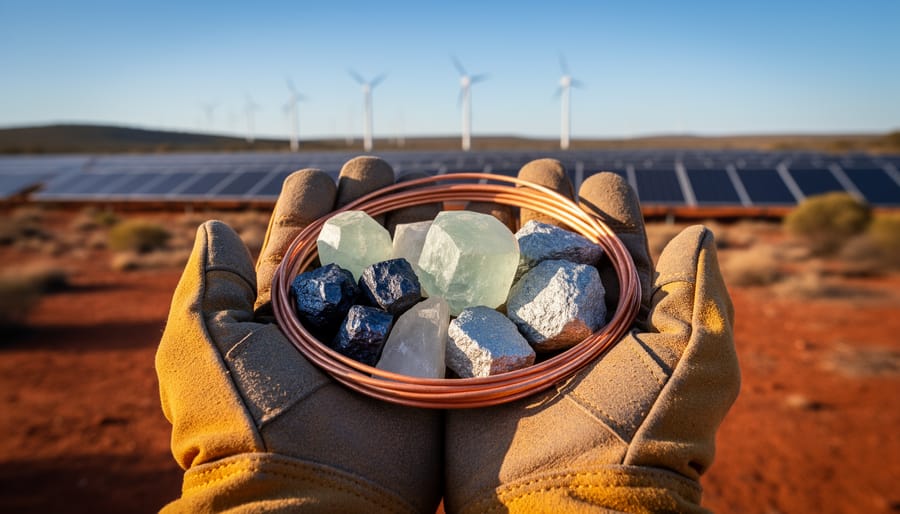
Australia’s renewable energy revolution depends on minerals most people have never heard of. Lithium powers the batteries storing solar energy in homes across Sydney and Melbourne. Cobalt enables electric vehicles to replace petrol cars on our roads. Rare earth elements make wind turbines spin efficiently along our vast coastlines. Copper connects every solar panel, every charging station, every component of the clean energy grid we’re building right now.
These energy transition minerals represent both opportunity and challenge for Australia. We hold some of the world’s richest deposits—lithium from Western Australia already powers one in three electric vehicles globally. Yet transforming rocks into renewable energy technology requires complex supply chains stretching across continents, involving mining, processing, manufacturing, and strategic partnerships between nations.
The stakes couldn’t be higher. Global demand for lithium is projected to increase forty-fold by 2040. Copper demand will double. Every wind turbine requires four tonnes of copper, 335 kilograms of rare earths, and significant quantities of zinc and manganese. Every electric vehicle battery needs roughly 8 kilograms of lithium, 14 kilograms of cobalt, and 20 kilograms of nickel. Without reliable access to these materials, Australia’s ambitious renewable energy targets—and the world’s climate goals—remain distant dreams.
The solution lies in critical minerals alliances. Countries and companies are forging partnerships to secure supply chains, share processing technology, and ensure these essential materials flow from mine to manufacturing facility to solar farm. Australia stands at the centre of this transformation, positioned to become not just a mineral exporter, but a processing powerhouse and clean energy leader. Understanding these minerals, their applications, and the supply chain strategies securing them reveals how Australia can turn geological advantage into sustainable prosperity.
What Makes a Mineral ‘Critical’ for Energy Transition?
The Minerals Behind Your Renewable Energy
Australia’s renewable energy transformation relies on a surprisingly small group of minerals that pack an extraordinary punch. These critical elements are the unsung heroes making our clean energy future possible, and understanding their role helps us appreciate the complex journey from mine to wind turbine.
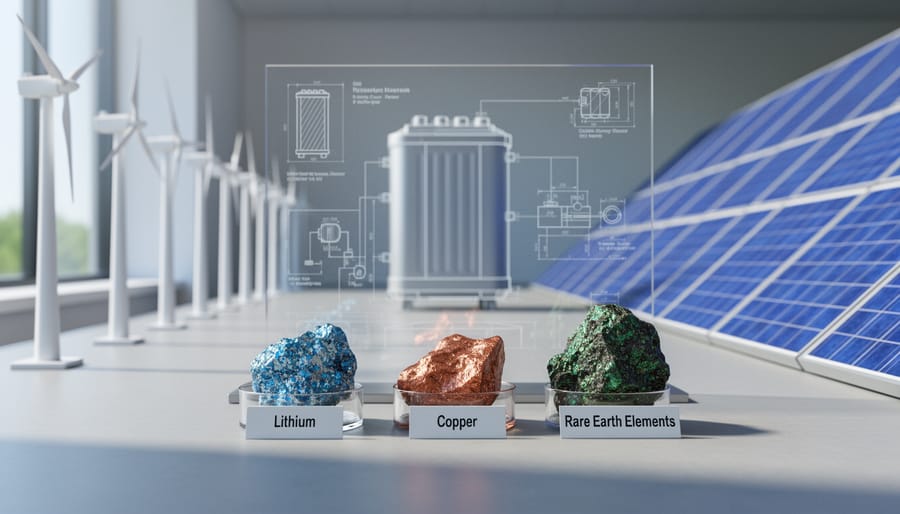
Lithium leads the charge in our battery revolution. Found in electric vehicles and grid-scale energy storage systems that balance renewable energy supply, this lightweight metal has become indispensable for storing solar and wind power when the sun sets or the breeze drops. Australia holds nearly half the world’s lithium reserves, positioning us perfectly to benefit from this booming sector.
Copper serves as the backbone of our electrical infrastructure. A single wind turbine contains up to five tonnes of this excellent conductor, while solar installations and bioenergy facilities rely heavily on copper wiring to transmit clean electricity efficiently. As renewable energy systems expand across Australia, copper demand continues climbing steadily.
Cobalt works alongside lithium in high-performance batteries, improving their longevity and stability. Meanwhile, rare earth elements like neodymium and dysprosium create the powerful permanent magnets essential for wind turbines and electric motors. These magnets allow turbines to generate electricity efficiently even in gentle breezes, maximizing energy capture from our abundant wind resources.
Nickel completes the picture, particularly in advanced battery chemistries that store renewable energy for extended periods. This becomes crucial for bioenergy systems paired with battery storage, creating reliable baseload power that complements intermittent solar and wind generation.
Together, these minerals transform engineering blueprints into working clean energy infrastructure. From Queensland’s solar farms to Tasmania’s wind installations and emerging bioenergy facilities nationwide, these critical elements enable Australia’s renewable energy ambitions to become tangible reality.
Why Supply Chain Alliances Matter More Than Ever
Australia’s Strategic Advantage in the Global Minerals Race
Australia stands at the threshold of an extraordinary opportunity. Beneath our red earth and ancient landscapes lie some of the world’s most significant reserves of energy transition minerals—the essential building blocks for solar panels, wind turbines, batteries, and electric vehicles that will power our clean energy future.
Our mineral wealth is staggering. Australia holds the world’s largest reserves of lithium, crucial for battery storage systems that make renewable energy reliable around the clock. We’re also home to substantial deposits of rare earth elements, cobalt, nickel, and high-grade iron ore—all critical components in the global shift away from fossil fuels. This isn’t just good luck; it’s a strategic advantage that positions Australia as an indispensable partner in the worldwide energy transition.
What truly sets Australia apart isn’t merely what’s in the ground, but what we’ve built above it. We’ve developed world-class mining expertise over generations, creating sophisticated supply chains, environmental management systems, and technical know-how that few nations can match. Our mining sector operates under some of the world’s strictest environmental and safety standards, ensuring responsible extraction that respects both communities and country.
The synergy between our mineral resources and renewable energy development is already creating remarkable outcomes. Mining operations across Australia are increasingly powered by solar and wind energy, demonstrating how these sectors strengthen each other. Forward-thinking companies are establishing innovation hubs that combine mineral processing with renewable energy technology, creating integrated solutions that reduce emissions while building global supply chain resilience.
For Australian workers, this means secure, well-paying jobs in expanding industries. For communities, it represents long-term economic stability. For the planet, it offers a pathway to clean energy that’s both practical and achievable. Australia’s strategic mineral advantage isn’t just about what we can extract—it’s about how we can lead the world toward a sustainable energy future while strengthening our economic sovereignty.
Real Success Stories: Alliances Making a Difference
How Strategic Partnerships Are Creating Local Jobs
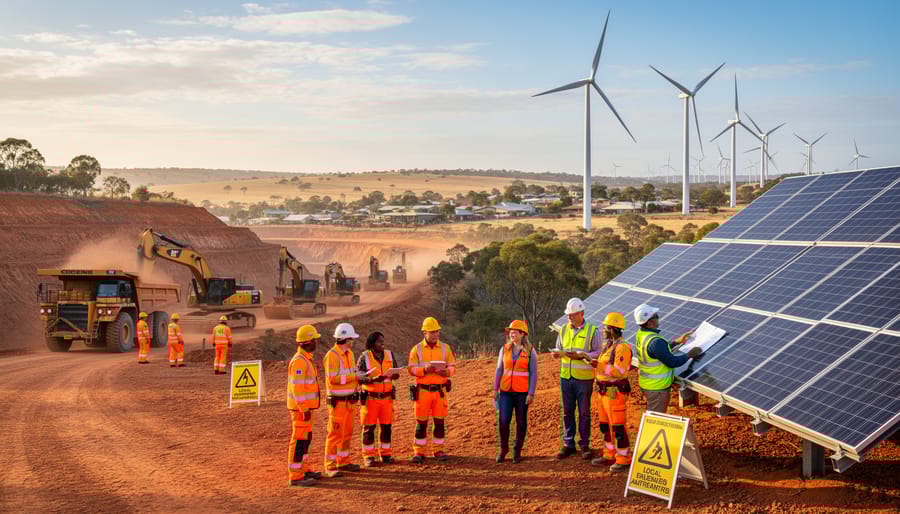
The partnership approach to securing critical minerals is delivering tangible benefits for Australians, particularly in regional areas where new opportunities are breathing fresh life into communities. When international allies invest in Australian mining operations for lithium, rare earths, and other energy transition minerals, they’re not just acquiring resources—they’re creating sustainable employment pathways that span multiple generations.
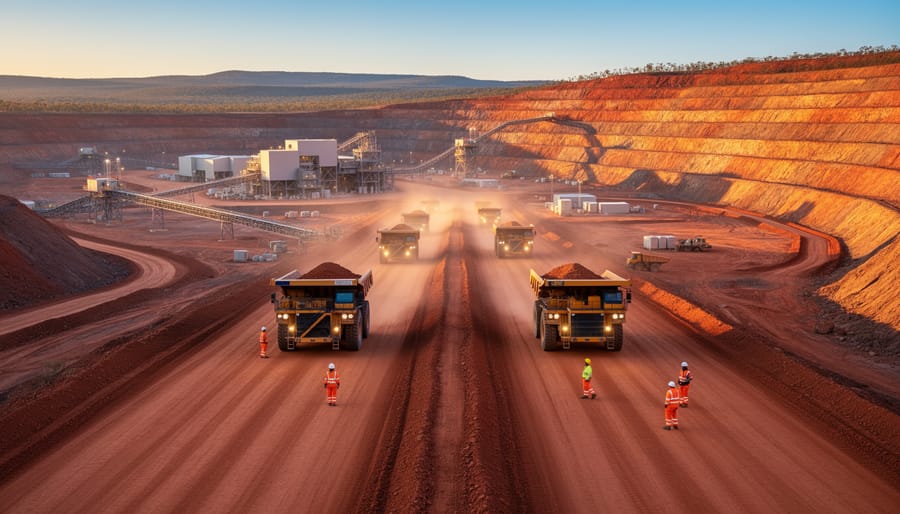
Take the example of Western Australia’s lithium corridor, where strategic alliances with clean energy manufacturers have generated over 8,000 direct jobs in mining and processing operations. These aren’t short-term positions either. Workers are gaining specialist skills in sustainable extraction methods, environmental management, and advanced processing techniques that position them at the forefront of the global energy transition. Local technical colleges have partnered with mining companies to develop tailored training programs, ensuring regional communities benefit from long-term career opportunities rather than temporary booms.
The ripple effects extend beyond the mines themselves. Manufacturing facilities for battery components, solar panels, and wind turbine parts are establishing operations near mineral sources, creating complementary employment in renewable energy sectors. In Queensland, a joint venture between Australian miners and overseas battery manufacturers has established a cathode production facility employing 400 people, with plans to triple capacity by 2027.
Indigenous employment has become a cornerstone of many mineral partnerships, with several companies achieving over 20 percent Indigenous workforce participation through dedicated training and mentorship programs. These initiatives respect traditional land connections while providing economic opportunities that support self-determination and community development.
The strategy demonstrates how responsible resource development, guided by international collaboration and local engagement, can drive both environmental progress and economic prosperity.
Building a Sustainable Minerals Supply Chain
From Mine to Clean Energy: Closing the Loop
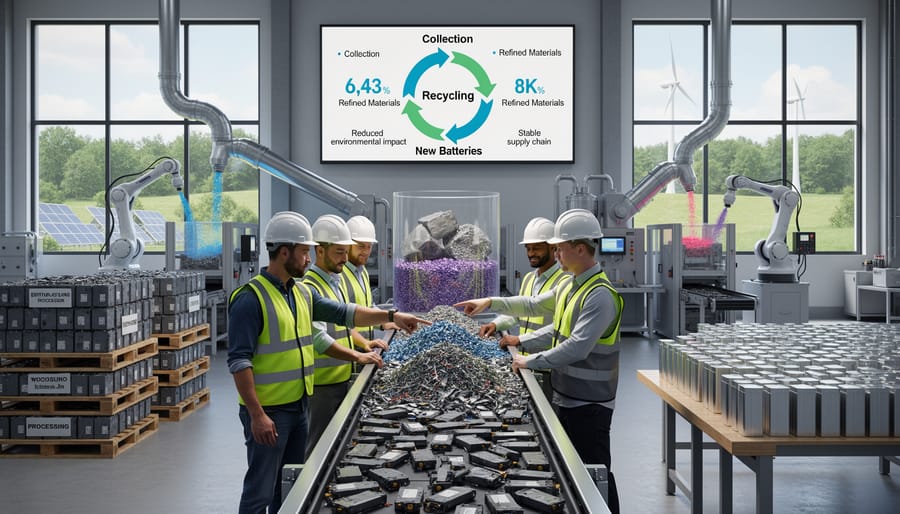
The story of energy transition minerals doesn’t end when they’ve powered our electric vehicles or stored solar energy in our batteries. In fact, some of the most exciting innovations are happening at what used to be considered the end of the line. Australia is pioneering closed-loop systems that transform yesterday’s technology into tomorrow’s clean energy solutions.
Battery recycling has emerged as a game-changer in the circular economy. When lithium-ion batteries reach the end of their useful life in electric vehicles, they still retain significant capacity. Forward-thinking Australian companies are giving these batteries a second life in stationary energy storage systems, supporting renewable energy grids across the country. Once batteries can no longer serve even these purposes, sophisticated recycling processes recover up to 95% of valuable materials like lithium, cobalt, and nickel. This means less mining pressure and more sustainable supply chains.
Several Australian states have launched collection and recycling programs, making it easier for households and businesses to responsibly dispose of batteries. Victoria’s Battery Stewardship Scheme, for instance, has diverted thousands of tonnes of batteries from landfill since its inception. These programs represent practical steps toward resource security while creating local jobs in processing and manufacturing.
Beyond recycling, extraction methods themselves are evolving. New partnerships between mining companies, research institutions, and technology providers are developing lower-impact techniques. Direct lithium extraction, which requires less water and land than traditional evaporation ponds, is being trialled in Australian operations. Some mining companies are even exploring ways to extract critical minerals from mining waste, turning environmental liabilities into valuable resources.
The beauty of the circular economy approach is that it addresses multiple challenges simultaneously. It reduces our dependence on new mining, lowers environmental impacts, creates economic opportunities, and strengthens supply chain resilience. As Australia builds stronger alliances with international partners, sharing knowledge about recycling technologies and sustainable extraction becomes just as important as securing mineral supplies. We’re not just mining minerals; we’re building a truly sustainable energy future.
What This Means for Australia’s Energy Future
Australia stands at a remarkable crossroads where our abundant mineral resources directly enable our clean energy ambitions. The connection is beautifully straightforward: every solar panel, wind turbine, and battery storage system transforming our energy landscape requires the critical minerals we’re uniquely positioned to supply. This isn’t just about mining—it’s about powering the renewable revolution from the ground up.
Consider what’s happening right now across the country. Large-scale battery storage projects in South Australia and Victoria rely on lithium extracted from our own mines in Western Australia. Wind farms sprouting across Tasmania and New South Wales depend on rare earth elements that strengthen turbine magnets. Solar installations blanketing rooftops from Brisbane to Perth need copper, silicon, and silver—minerals flowing through supply chains we’re actively strengthening through international partnerships.
When we secure these supply chains through strategic alliances with like-minded nations, we’re essentially removing roadblocks from our renewable energy timeline. Delays in mineral processing or refining can postpone critical infrastructure projects by months or years. By establishing reliable domestic processing capabilities and trusted international partnerships, we’re ensuring that the batteries, inverters, and transmission equipment needed for our 2030 emissions targets arrive on schedule.
The flow-on effects reach beyond the big infrastructure. Community-scale bioenergy projects converting agricultural waste into electricity need specialized equipment containing these same minerals. Regional hydrogen hubs require electrolyzers built with platinum group metals. Remote communities transitioning to renewable microgrids depend on battery systems we can now confidently source and maintain.
This mineral-to-energy pipeline creates a compelling feedback loop. As we process more lithium, cobalt, and rare earths domestically, we generate jobs in regional areas while simultaneously enabling faster renewable deployment. We’re not just digging up resources—we’re building the foundation for energy independence, economic resilience, and genuine climate action. The minerals beneath our feet are literally powering the sustainable future above them.
Australia stands at an extraordinary crossroads where our rich mineral endowments meet the world’s urgent need for clean energy solutions. The journey toward a sustainable future isn’t just about technology or policy—it’s fundamentally about securing the building blocks that make renewable energy possible. From lithium powering electric vehicles to rare earths in wind turbines, these critical minerals form the backbone of our energy transformation.
The encouraging news is that Australia isn’t going it alone. Through strengthening global alliances, we’re building resilient supply chains that benefit both our economy and the planet. Success stories are already emerging across the country—mining operations adopting cleaner practices, new processing facilities creating skilled jobs, and regional communities thriving through sustainable resource development.
For every Australian, there are practical ways to contribute. Support businesses committed to ethical mineral sourcing, advocate for responsible mining policies, and consider how your choices—from solar panels to electric vehicles—connect to this broader minerals story. Industry professionals can explore opportunities in this rapidly expanding sector, while policymakers can champion initiatives that balance environmental protection with resource security.
The energy transition isn’t a distant dream; it’s unfolding right now, and minerals security is the key that unlocks its full potential. Together, through informed choices and collective action, we’re building a cleaner, more prosperous future for generations to come.