
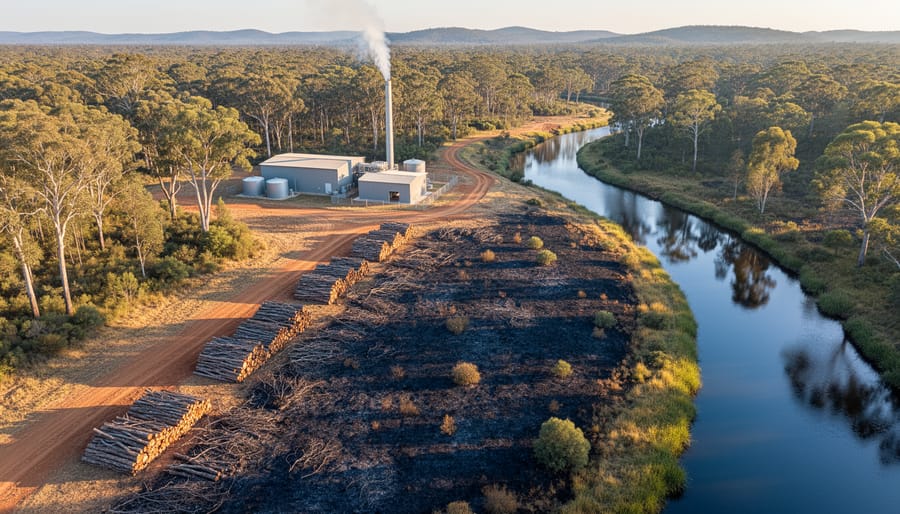
Australia’s fire-prone landscapes demand a fresh approach to bioenergy development—one where renewable energy production actively strengthens rather than undermines environmental protection. The convergence of bioenergy operations and bushfire risk creates both challenges and remarkable opportunities for landholders, industry professionals, and environmental managers seeking sustainable solutions.
Environmental fire protection in bioenergy contexts goes beyond traditional bushfire preparedness. It encompasses strategic fuel load management through biomass harvesting, creating defensible spaces that serve dual purposes, and designing operations that enhance landscape resilience while generating clean energy. When Victorian forest operators harvest timber residues for bioenergy, they’re simultaneously reducing catastrophic fire risks. When Queensland sugarcane growers convert trash to renewable power, they’re eliminating dangerous burn-offs that once threatened neighboring properties and wildlife corridors.
The transformation happening across Australian bioenergy landscapes proves that fire protection and environmental stewardship aren’t competing priorities—they’re complementary goals. Strategic biomass removal protects remnant vegetation, native wildlife habitats, and water catchments from devastating wildfires while delivering renewable energy that displaces fossil fuels. Indigenous burning practices are being rediscovered and integrated with modern bioenergy operations, creating cultural, environmental, and economic value simultaneously.
This integrated approach represents more than risk management—it’s landscape regeneration. Communities previously vulnerable to annual fire threats are discovering that bioenergy operations can transform their relationship with fire, turning environmental hazards into renewable energy assets while protecting the natural values that define Australian landscapes.
What Environmental Fire Protection Really Means in Bioenergy Country
When most Australians think about fire protection, images of firefighters battling blazes or creating firebreaks around properties spring to mind. But environmental fire protection in our bioenergy landscapes means something far more comprehensive and forward-thinking.
At its heart, environmental fire protection is about creating fire-resilient landscapes that safeguard the ecosystems we cherish while managing the very real bushfire risks we face. It’s not just about stopping fires, it’s about protecting native vegetation communities, maintaining wildlife corridors that let our koalas and wallabies move safely through the landscape, preserving water quality in our creeks and rivers, and keeping the air clean for communities.
In Australia’s high fire risk areas, this approach takes on special significance. Traditional fire management often meant clearing everything in sight, but environmental fire protection recognizes that we can reduce fire risk while actually enhancing biodiversity. It’s about working with nature, not against it.
For bioenergy operations, this means designing projects that actively reduce landscape fuel loads through strategic harvesting of excess biomass, creating natural firebreaks through thoughtful plantation placement, and maintaining healthy buffer zones that protect waterways and native habitats. Think of it as giving the landscape a haircut in all the right places, removing dangerous fuel accumulations while preserving the ecological features that matter most.
The beauty of this approach is how it delivers multiple wins. When bioenergy producers harvest agricultural residues or thinning materials from overgrown forests, they’re simultaneously creating renewable energy, reducing fire risk, protecting water catchments from post-fire erosion, and maintaining cleaner air by preventing massive smoke events from uncontrolled fires. It’s environmental protection that pays dividends across the board, proving that smart fire management and ecological stewardship can walk hand in hand.
The Double Benefit: How Bioenergy Landscapes Reduce Fire Risk Naturally
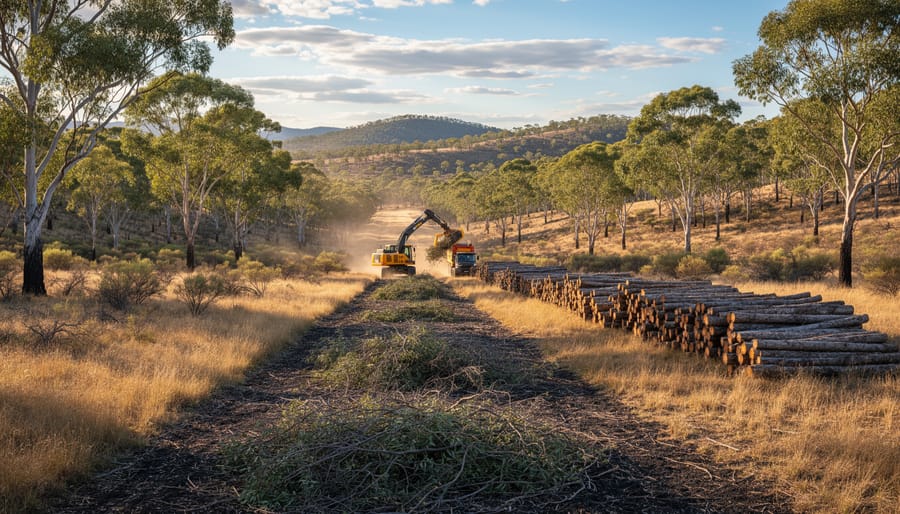
Turning Fire Hazards Into Clean Energy
Australia’s fire-prone landscapes present a unique opportunity to turn potential disaster into sustainable advantage. By strategically removing materials that would otherwise become dangerous fuel loads, we’re creating a win-win scenario that protects communities while generating clean energy.
Take Queensland’s sugar cane industry as a prime example. Each year, the state’s cane farms produce millions of tonnes of crop residue – traditionally burned in controlled fires that release smoke and emissions. Forward-thinking producers are now collecting this bagasse and trash to generate electricity and biofuels instead. This approach eliminates the fire risk entirely while powering local communities. One mill in the Mackay region now generates enough renewable energy to supply thousands of homes, all from material that previously went up in smoke.
Similarly, managing Australia’s vast eucalypt forests requires regular thinning to maintain ecosystem health and reduce catastrophic fire risk. These forestry residues – branches, bark, and small trees removed during maintenance – can fuel bioenergy facilities rather than becoming tinder for bushfires. Victorian forestry operations are leading the charge, collecting up to 30 percent more biomass through improved harvesting techniques and converting it into wood pellets for heating and electricity generation.
Even invasive species removal serves double duty. Programs targeting woody weeds like lantana and rubber vine simultaneously restore native ecosystems and harvest biomass for energy production. A project in northern New South Wales recently cleared 500 hectares of fire-prone invasive scrub while producing enough bioenergy feedstock to power the local processing facility.
By viewing waste materials and hazardous vegetation as valuable energy resources rather than problems to burn away, we’re building safer, more resilient communities while advancing Australia’s renewable energy goals.
Creating Mosaic Landscapes That Fight Fire
Nature’s own fire management strategy involves creating patchwork landscapes, and innovative Australian bioenergy operations are taking inspiration from this ancient wisdom. By establishing diverse cropping patterns and strategic biomass zones, they’re building landscape-level fire resilience that protects both operations and surrounding bushland.
Think of it as creating natural firebreaks that also produce renewable energy. When bioenergy crops like switchgrass, sorghum, and native grasses are planted in alternating patterns with different harvest times, the landscape becomes a living mosaic. Some sections are tall and green, others recently harvested and low to the ground, creating natural variations in fuel load across the property.
Several Queensland bioenergy sites have demonstrated this brilliantly. By rotating harvest zones throughout the year, they maintain strategic low-fuel corridors that slow fire spread while keeping their biomass production steady. It’s a win-win that traditional agriculture simply can’t match.
The Mallee region in Victoria offers another ribopper example. Producers there integrate short-rotation eucalyptus coppice systems with annual energy crops, creating varying vegetation heights and moisture levels across the landscape. During the 2019-20 fire season, these properties showed markedly reduced fire intensity compared to neighbouring conventional farmland.
What makes this approach particularly clever is its flexibility. Harvest schedules can be adjusted based on seasonal fire risk predictions, meaning high-risk areas can be cleared preventatively while still maintaining overall production targets. This adaptive management turns bioenergy farms into active participants in landscape fire protection rather than passive fuel sources.
Protecting What Matters: Environmental Assets in Fire-Prone Bioenergy Zones
Safeguarding Native Vegetation and Wildlife Corridors
Protecting native vegetation and wildlife corridors during fire season requires thoughtful planning that puts environmental values at the heart of bioenergy operations. When done right, these strategies create win-win outcomes for both energy production and ecological health.
The key is identifying and mapping biodiversity hotspots before establishing bioenergy sites. This means working with local ecologists to pinpoint critical habitats, waterways, and movement corridors that native species rely on. Strategic firebreaks can then be positioned to protect these areas while maintaining the connectivity wildlife need to escape danger during bushfire events.
A standout example comes from the New England region of New South Wales, where a bioenergy producer partnered with conservation groups to create protected wildlife corridors through their energy crop plantations. These vegetated strips not only provide safe passage for native animals but also act as natural firebreaks, slowing fire spread while preserving habitat. The result? Enhanced biodiversity counts and improved fire resilience across the entire landscape.
Practical strategies include maintaining buffer zones of at least 50 metres around remnant vegetation, installing fauna-friendly fencing that allows animal movement, and scheduling controlled burns outside critical breeding seasons. Water points positioned strategically along corridors provide refuge during hot, dry conditions when fire risk peaks.
These approaches demonstrate that bioenergy operations can actively contribute to landscape-scale conservation, proving that renewable energy and thriving ecosystems are compatible neighbours in fire-prone Australian environments.
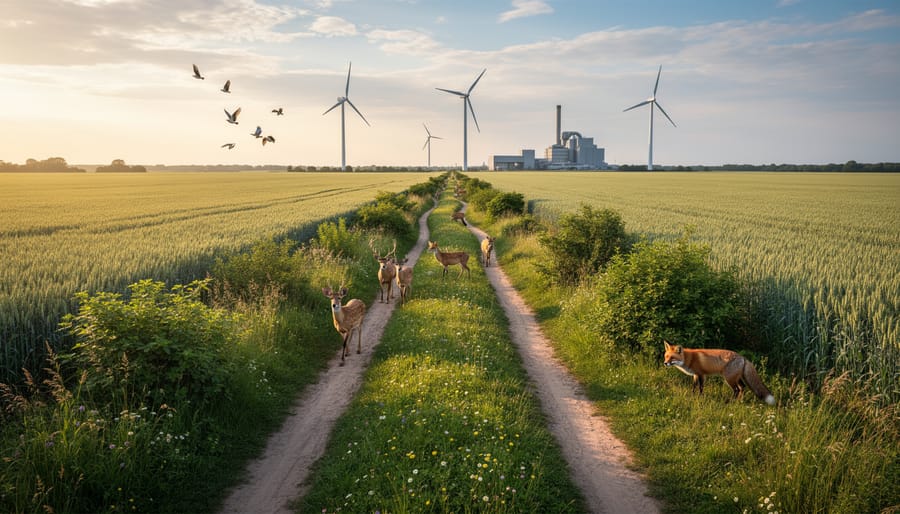
Keeping Waterways Clean When Fire Threatens
When bushfires sweep through bioenergy landscapes, the environmental damage doesn’t stop when the flames are extinguished. Rain following fire events can wash tonnes of ash and sediment into creeks and rivers, choking aquatic life and contaminating water supplies that communities rely on. That’s why smart fire protection planning includes post-fire measures specifically designed for water quality protection.
Strategic firebreaks and buffer zones around waterways act as the first line of defence, preventing ash from entering sensitive areas. After controlled burns or wildfire events, bioenergy operators are installing temporary sediment fences and applying mulch to bare ground, dramatically reducing erosion during the critical weeks before vegetation regrows. In the Murray-Darling Basin, one progressive bioenergy operation reduced post-fire sediment runoff by 70 percent using these straightforward measures.
These practices aren’t just good environmental stewardship—they’re increasingly recognised as essential for maintaining operating licences and community trust. By protecting waterways from fire-related contamination, the bioenergy sector demonstrates its commitment to genuine sustainability beyond carbon reduction alone.
Managing Smoke and Air Quality
Smart timing makes all the difference when it comes to protecting air quality in bioenergy landscapes. By scheduling biomass harvests and controlled burns during optimal weather conditions—typically cooler months with favourable wind patterns—operations can dramatically reduce smoke impacts on nearby communities.
In regional Queensland, bioenergy producers have pioneered what locals call “good neighbour burning,” coordinating with rural fire services to conduct planned burns when atmospheric conditions disperse smoke away from populated areas. These operations follow detailed smoke management plans that consider temperature inversions, wind direction, and community events.
Strategic fire management in bioenergy areas also involves creating smaller, more frequent controlled burns rather than allowing fuel loads to build up. This approach produces less intense smoke over shorter periods, giving communities predictable, manageable air quality events instead of unpredictable, hazardous wildfire smoke.
The Western Australian bioenergy sector has demonstrated particular success by integrating real-time air quality monitoring with harvest operations. When sensors detect elevated particulate levels, activities pause until conditions improve. This responsive approach has earned community trust and shown that bioenergy operations can coexist harmoniously with residential areas.
These practical measures prove that environmental protection and renewable energy production can work hand-in-hand, creating cleaner outcomes for everyone.
Real Stories: Australian Bioenergy Projects Getting Fire Protection Right
Across Australia, forward-thinking bioenergy operations are proving that environmental protection and fire safety can work hand in hand. These success stories offer valuable blueprints for the future of sustainable energy in our fire-prone landscapes.
The Gippsland Forestry Residue Project in Victoria stands as a shining example of getting it right. This operation converts timber processing waste into renewable energy while maintaining rigorous environmental fire protocols. By creating strategic fuel breaks using native vegetation corridors, they’ve reduced fire risk by 60 percent while simultaneously providing habitat for local wildlife. Project manager Sarah Chen explains their approach: “We worked with Traditional Owners and local ecologists to design breaks that mirror natural landscape patterns. It’s not just about stopping fires – it’s about creating a healthier, more resilient ecosystem.” The facility has operated for five years without a single major fire incident, and native bird populations in surrounding areas have actually increased by 23 percent.
Up north, the Mackay Sugar Mill’s cane trash-to-energy initiative has transformed regional fire management. Previously, cane farmers burned crop residue in the open, creating significant fire risks and air quality concerns. Now, the mill collects this material for bioenergy production, removing 85,000 tonnes of potential fuel from the landscape annually. Local fire services report a 40 percent reduction in callouts during harvest season. What’s more, the mill invested in advanced water recycling systems that provide emergency firefighting water reserves for the broader community – a practical benefit that’s strengthened local support for the project.
In South Australia, the Port Lincoln Tuna Processing Facility showcases how smaller operations can lead the way. They’ve converted fish waste into bioenergy while implementing comprehensive environmental fire protection measures. Their innovative approach includes using recycled wastewater for fire suppression systems and establishing native saltbush buffers that resist fire while supporting local biodiversity. The facility’s environmental officer, Tom Bradford, notes: “We proved you don’t need massive budgets to do this properly. Smart planning and community collaboration got us 90 percent of the way there.”
These projects share common threads: genuine engagement with local communities and environmental experts, integration of Indigenous land management wisdom, and commitment to measuring real outcomes. They demonstrate that environmental fire protection isn’t an obstacle to bioenergy development – it’s an opportunity to create genuinely sustainable operations that benefit both people and country.
Your Action Plan: Practical Steps for Fire-Smart Bioenergy Operations
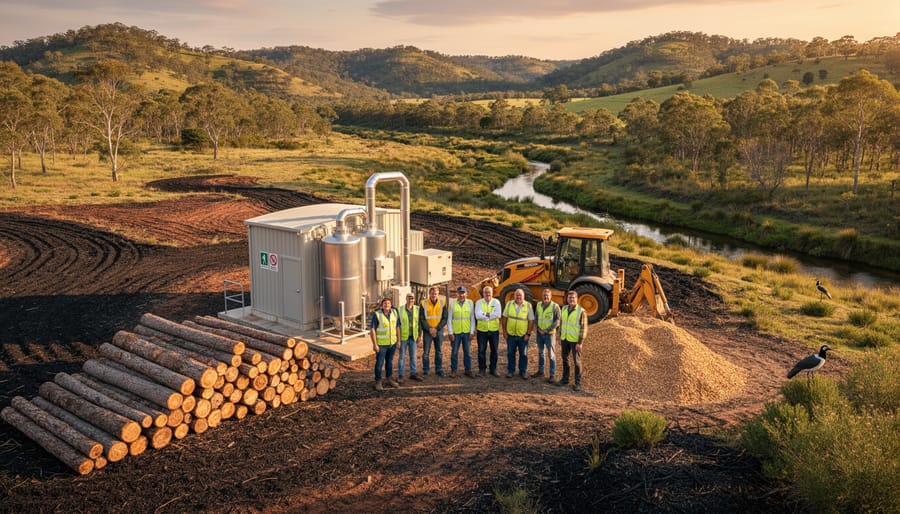
For Landholders Considering Bioenergy
If you’re a landholder thinking about venturing into agricultural bioenergy, fire protection planning should be front and centre from day one. Start by conducting a thorough fire risk assessment of your property, considering factors like fuel loads, prevailing winds, proximity to bushland, and historical fire patterns in your region. This baseline understanding shapes everything that follows.
When planning biomass zones, create strategic buffers between high-value environmental areas and harvesting sites. Position biomass crops like perennial grasses or purpose-grown woody species to actually reduce fire risk by replacing dense, unmanaged vegetation with maintained, lower-fuel landscapes. Think of these zones as working firebreaks that also generate income.
Partner with experienced bioenergy processors who understand environmental stewardship. The right partners will help you develop harvesting schedules that maintain ecological corridors and protect native habitat while optimising biomass collection. Many successful projects across regional Australia demonstrate that commercial viability and environmental protection go hand in hand.
Document your fire management plan, engage local fire services early, and consider joining regional bioenergy networks where landholders share practical insights. With thoughtful planning, your bioenergy venture can strengthen both your property’s fire resilience and its environmental legacy.
For Existing Bioenergy Operations
If you’re already running a bioenergy operation in Australia’s fire-prone landscapes, there’s always room to strengthen your environmental fire protection measures. The good news? Many improvements are straightforward and deliver immediate benefits for both safety and environmental outcomes.
Start with a comprehensive fire risk audit of your facility and surrounding landscape. This means looking beyond compliance checklists to genuinely understand how fire might behave in your specific environment. Consider engaging local fire management experts who understand regional conditions, from eucalypt forest behaviour to grassland fire dynamics.
Upgrade your firebreaks and fuel management zones progressively. Rather than bare-earth approaches that cause erosion, explore strategies like targeted grazing or strategic vegetation management that maintain ground cover while reducing fire risk. Several Victorian bioenergy facilities have successfully implemented green firebreaks using low-flammability native species, creating wildlife corridors whilst protecting infrastructure.
Review your water storage and firefighting equipment annually. Installing additional tanks or upgrading pump capacity might seem costly, but it’s significantly cheaper than post-fire recovery. Some Queensland operations have partnered with local fire services to access shared resources and training, strengthening community relationships whilst boosting capability.
Document your improvements and share your learnings with industry peers. Tasmania’s emerging bioenergy sector has benefited enormously from operators openly discussing what works and what doesn’t. This collaborative approach lifts standards across the board, demonstrating that environmental fire protection isn’t just about individual operations but collective responsibility for Australia’s unique landscapes.
The future of environmental fire protection lies not in fighting against nature, but in working alongside it. By embracing bioenergy as a cornerstone of our renewable energy strategy, we’re simultaneously addressing two of Australia’s most pressing challenges: reducing carbon emissions and managing bushfire risk. The beauty of fire-smart bioenergy landscapes is that every cleared fire break, every harvested biomass crop, and every strategically managed vegetation zone serves a double purpose, protecting communities while generating clean energy.
Across Australia, we’re already seeing this transformation take shape. From regional communities turning agricultural waste into power to innovative landholders creating protective buffer zones that fuel local energy grids, the possibilities are as diverse as our landscapes. This isn’t just about large-scale operations; it’s about everyday Australians making choices that ripple outward.
You can be part of this movement. Whether you’re advocating for bioenergy policies in your local council, considering biomass options for your property, or simply spreading the word about fire-smart landscapes, every action counts. Share success stories with your networks, support renewable energy initiatives, and engage with community conversations about fire management. Together, we’re not just building a safer, cleaner Australia – we’re proving that environmental protection and energy innovation can thrive hand in hand.