
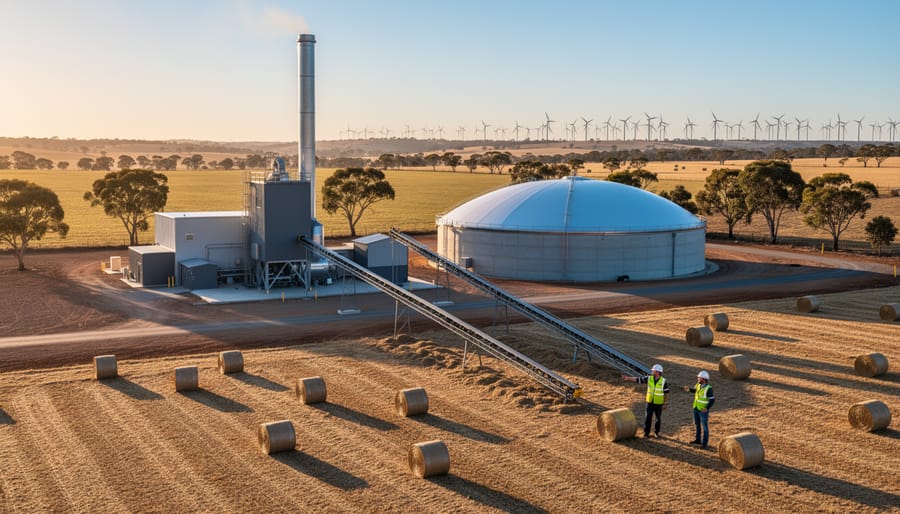
Australia’s bioenergy sector is transforming agricultural waste, forestry residues, and organic materials into profitable revenue streams while slashing carbon emissions. For farm operators managing mountains of crop stubble, food manufacturers disposing of processing waste, or local councils facing mounting landfill costs, specialized bioenergy advisors are turning these challenges into commercial opportunities worth millions.
The right consultant doesn’t just deliver feasibility reports. They navigate the complex landscape of Australian Renewable Energy Target compliance, connect you with grant funding from programs like the Clean Energy Finance Corporation, and engineer project structures that stack revenue from electricity generation, carbon credits, and waste disposal fees. When a Queensland cotton farming cooperative recently partnered with bioenergy advisors, they converted gin trash into 2.3 megawatts of baseload power, eliminating $400,000 in annual disposal costs while generating new income.
Bioenergy business advisory bridges the gap between environmental ambition and financial reality. These specialists assess your feedstock availability, model project economics specific to Australian energy markets, manage regulatory approvals across state and federal jurisdictions, and structure partnerships with technology providers and off-take buyers. Whether you’re considering anaerobic digestion for livestock effluent, gasification for timber mill residues, or advanced biofuels from municipal organics, expert guidance determines whether your project achieves robust commercial returns or stalls in the planning phase.
The Australian bioenergy opportunity is substantial, but success requires navigating technical complexity, policy frameworks, and market dynamics that few businesses understand alone.
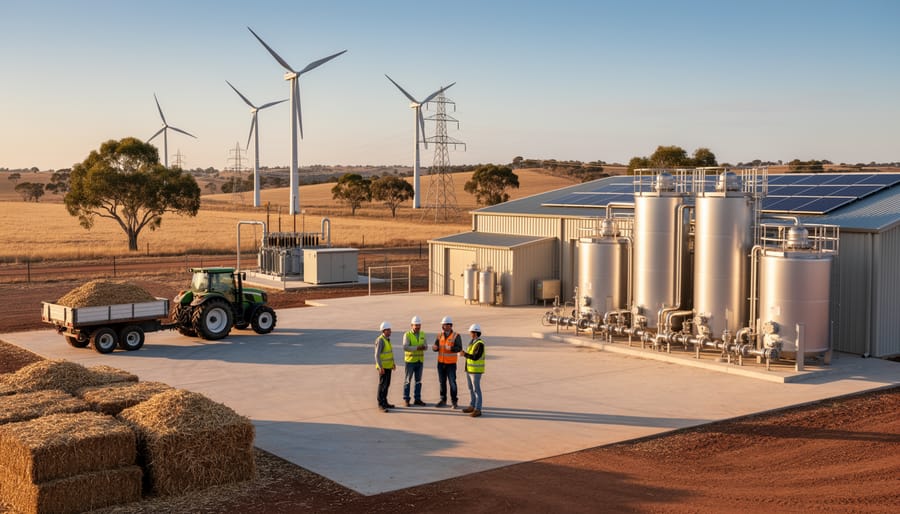
What Makes Bioenergy Business Advisory Different?
The Triple Bottom Line Approach
The best bioenergy advisors in Australia understand that true success isn’t measured by profit alone. They champion the triple bottom line approach, ensuring every project delivers financial returns while protecting the environment and strengthening communities. It’s about creating wins across the board, and plenty of Australian businesses are proving it’s entirely achievable.
Take the example of a Victorian piggery that partnered with bioenergy consultants to transform waste into opportunity. By installing an anaerobic digestion system, they now generate electricity for their operations, dramatically cut methane emissions, and eliminated odour complaints from neighbouring properties. The result? Lower energy bills, environmental credentials that opened new market opportunities, and improved relationships with the local community. That’s the triple bottom line in action.
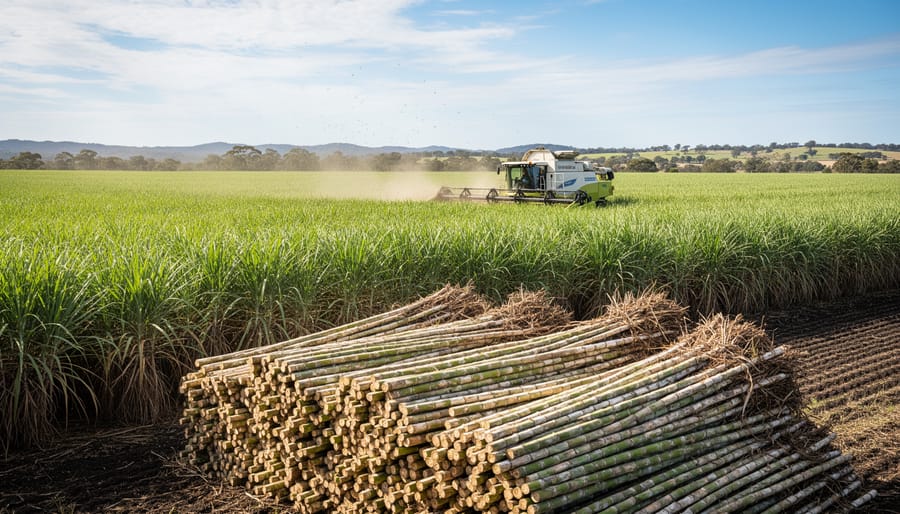
In Queensland, a sugarcane mill worked with advisors to utilize bagasse for cogeneration, producing renewable energy that powers operations and feeds surplus electricity back to the grid. The project created local jobs during construction and operation, reduced reliance on fossil fuels, and improved the farm’s bottom line through energy cost savings and additional revenue streams.
Skilled advisors help businesses identify these multi-faceted opportunities from the outset. They conduct thorough assessments that consider not just financial viability, but also environmental benefits like carbon reduction and waste diversion, alongside social impacts including employment, community acceptance, and energy security. This holistic approach ensures bioenergy projects deliver lasting value that extends well beyond the balance sheet, creating genuinely sustainable enterprises that benefit everyone involved.
Navigating Australia’s Renewable Energy Landscape
Australia’s renewable energy sector is experiencing remarkable growth, creating exciting opportunities for businesses ready to tap into bioenergy resources. However, the pathway to success requires expert navigation through an evolving landscape of policies and incentives.
Experienced bioenergy advisors serve as trusted guides through this complex terrain, helping clients access valuable government support programs. The Australian Renewable Energy Agency (ARENA) offers substantial grants for innovative bioenergy projects, funding everything from feasibility studies to large-scale commercial deployments. Advisors understand the application processes inside-out, dramatically improving your chances of securing these competitive grants.
Beyond federal support, each Australian state runs tailored programs designed to accelerate renewable energy adoption. Victoria’s Bioenergy Roadmap, Queensland’s Biofutures initiative, and Western Australia’s Renewable Hydrogen Fund all present unique opportunities for forward-thinking businesses. The right advisor knows which programs align with your specific circumstances and can position your project for maximum advantage.
Understanding renewable energy regulations is equally critical. From environmental approvals to grid connection requirements, compliance challenges can derail promising projects. Advisors demystify these regulations, ensuring your venture meets all necessary standards while avoiding costly delays.
Take the example of a Queensland cane grower who transformed agricultural waste into electricity. With advisory support, they secured ARENA co-funding and navigated state environmental approvals, now generating renewable power while creating an additional revenue stream. This success story demonstrates how expert guidance turns policy frameworks from obstacles into opportunities, making sustainable business ventures genuinely achievable.
Real Problems Bioenergy Advisors Solve for Australian Businesses
Turning Agricultural Waste into Revenue Streams
When the Morrison family’s wheat farm in the Riverina region faced mounting disposal costs for their crop residues, they never imagined these leftovers would become their most profitable venture. After connecting with a Sydney-based bioenergy advisory firm, they transformed over 2,500 tonnes of annual wheat straw into a thriving agricultural bioenergy operation.
Their advisor conducted a comprehensive feasibility study, revealing that their unused crop residues could fuel a biomass heating system for a nearby food processing plant. Within eighteen months of implementation, the Morrisons generated an additional $180,000 in annual revenue while reducing their waste management expenses by $35,000.
The transformation required strategic planning. Their advisor helped secure a $250,000 government grant, connected them with appropriate technology suppliers, and negotiated a five-year supply contract with the processing facility. The advisor also ensured the harvest timing and storage methods protected soil health, maintaining the farm’s primary wheat production.
Today, the operation employs two additional local workers and has inspired three neighbouring properties to explore similar opportunities. The Morrisons now view their crop residues as a valuable commodity rather than a disposal challenge. As John Morrison puts it, “We were literally burning money in our paddocks. Our advisor showed us how to turn that smoke into steady income while doing something good for the environment.”
Reducing Energy Costs for Manufacturing
When Melbourne-based Pacific Packaging faced soaring energy costs threatening their bottom line, they turned to bioenergy business advisors for a sustainable solution. The manufacturing facility was spending over $450,000 annually on electricity and gas to power their operations.
Working with specialized consultants, Pacific Packaging conducted a comprehensive energy audit that revealed significant opportunities for biomass integration. The advisors guided them through every step—from feasibility studies to securing government grants worth $180,000 under the Australian Renewable Energy Agency programs.
The transformation was remarkable. Pacific Packaging installed a biomass boiler system fueling their steam processes with wood waste from nearby timber mills, material that would otherwise end up in landfill. They also implemented biogas integration to capture methane from their organic waste streams.
Within eighteen months, energy costs dropped by 62 percent, saving approximately $280,000 annually. The payback period was just under four years, and the company now enjoys predictable energy pricing while reducing carbon emissions by 850 tonnes yearly. Their success demonstrates how expert advisory services transform complex bioenergy concepts into profitable reality for Australian manufacturers.
Creating New Employment Opportunities in Regional Areas
When a regional Queensland community faced mounting organic waste challenges, specialized bioenergy advisory services transformed their problem into prosperity. The town of 8,000 residents was struggling with agricultural by-products from local farms and food processing facilities that were overwhelming existing disposal systems.
A bioenergy business advisory team conducted thorough feasibility studies, identifying an opportunity to establish an anaerobic digestion facility that could process these organic wastes while generating renewable energy. The advisors guided stakeholders through every step—from securing funding and navigating regulatory requirements to designing a facility perfectly suited to the community’s needs.
The result? A thriving bioenergy plant that now processes 15,000 tonnes of organic waste annually, generating enough electricity to power 600 homes. More importantly, the facility created 18 permanent jobs in the region, from plant operators to maintenance technicians. Local farmers gained a sustainable solution for agricultural residues while earning additional income from waste delivery.
This success story demonstrates how expert advisory services look beyond technical solutions to create genuine community value. The facility didn’t just solve a waste problem—it sparked local economic growth, reduced greenhouse gas emissions, and positioned the town as a leader in sustainable development. It’s proof that with the right guidance, bioenergy projects can deliver environmental benefits while strengthening regional economies.
What to Expect When Working With a Bioenergy Consultant
The Initial Assessment Phase
When you first connect with a bioenergy advisor, they’ll conduct a thorough initial assessment to determine whether bioenergy makes sense for your specific situation. Think of it like a health check-up, but for your energy needs and resource potential.
Advisors start by evaluating what you’ve already got on hand. For a dairy farm in Gippsland, this might mean assessing manure volumes and consistency. A sugar mill in Queensland would look at bagasse production, while a council might examine garden waste collection rates. The question is simple: do you have enough organic material consistently available to make bioenergy work?
Next comes your energy requirements. Are you looking to power your operations, heat buildings, or generate electricity to sell back to the grid? A piggery near Toowoomba successfully matched their biogas production to refrigeration needs, slashing power bills by 60 percent.
Site suitability matters too. Advisors check access, proximity to power connections, and local regulations. Finally, they crunch the numbers on financial viability, considering upfront costs, available grants, ongoing savings, and potential revenue streams. This comprehensive picture helps you make an informed decision without any surprises down the track.
Building Your Custom Bioenergy Strategy
Every bioenergy project is unique, which is why quality advisors don’t offer cookie-cutter solutions. They develop customized strategies that align with your specific resources, goals, and operational context.
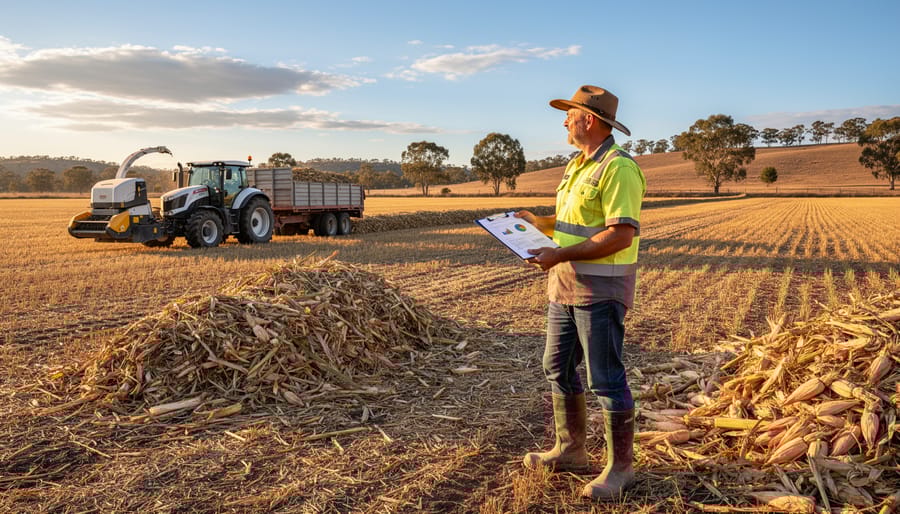
The process typically begins with a comprehensive assessment of your available feedstock—whether you’re working with agricultural waste, forestry residues, or organic materials. Advisors then match these resources with appropriate technologies, from anaerobic digestion systems that convert waste into electricity and heat, to pyrolysis units that produce biochar and bio-oil.
Take the example of a Queensland sugarcane farm that partnered with advisors to transform bagasse into renewable energy. The advisory team mapped out a staged implementation plan, identifying government incentives and tailored financing options that made the project viable without disrupting existing operations.
Your personalized strategy will include detailed financing pathways—from grants and green loans to power purchase agreements—alongside realistic implementation timelines. Advisors factor in everything from equipment procurement and regulatory approvals to staff training requirements.
The beauty of this tailored approach is that it grows with your business. Whether you’re starting small with on-farm biogas or planning a commercial-scale bioenergy plant, your strategy evolves to match your capacity and ambitions, turning environmental challenges into sustainable opportunities.
Implementation Support and Beyond
The real value of bioenergy advisors truly shines during project execution and beyond. Think of them as your long-term partners, not just consultants who disappear after handing you a report. Throughout the construction phase, they’ll manage contractor relationships, ensuring your biogas plant or biomass facility gets built on time and within budget. They understand the Australian regulatory landscape inside and out, keeping your project compliant with federal and state requirements while navigating the sometimes tricky waters of environmental approvals.
Once your facility is operational, advisors continue monitoring performance against projections. A dairy farm in Gippsland discovered this firsthand when their advisor identified efficiency improvements that boosted biogas production by 15% within the first year. Regular check-ins mean problems get spotted early, maintenance schedules stay optimized, and you’re always getting maximum return on your investment.
These ongoing relationships also prove invaluable when market conditions shift or new funding opportunities emerge. Your advisor becomes an extension of your team, someone who knows your operation intimately and can quickly pivot strategies when needed. This continued support transforms what could be a stressful venture into a genuine partnership, giving you confidence that your bioenergy project will deliver environmental and financial returns for years to come.
Who Benefits Most From Bioenergy Business Advisory Services?

Agricultural Producers Sitting on Untapped Resources
Australia’s agricultural sector is sitting on a goldmine of bioenergy potential, with vast quantities of organic waste currently going unused. Sugar cane growers in Queensland produce millions of tonnes of bagasse annually after crushing, while grain farmers across the wheat belt generate stubble and crop residues that could power communities. Livestock operations, particularly in intensive farming regions, manage substantial volumes of manure that contains valuable biogas potential. Meanwhile, forestry businesses have access to timber offcuts, bark, and wood waste from sustainable harvesting operations.
These materials represent more than just farm by-products; they’re untapped renewable energy sources waiting for the right guidance to unlock their commercial value. A specialized bioenergy business advisor can help agricultural producers assess their biomass resources, identify viable conversion technologies, and develop profitable energy ventures. Several innovative farmers have already transformed their operations, generating additional revenue streams while reducing waste management costs and carbon footprints. With the right advisory support, your agricultural business could follow suit.
Energy-Intensive Industries Looking to Decarbonize
Australian manufacturers are discovering that bioenergy isn’t just good for the planet—it’s brilliant for the bottom line. Food processors, breweries, dairy operations, and manufacturing facilities consume massive amounts of thermal energy, making them ideal candidates for bioenergy transformation. Take the brewing industry, where spent grain once destined for landfill now fuels boilers, slashing energy costs while meeting ambitious carbon reduction targets.
Bioenergy advisors help these energy-hungry sectors identify waste streams that can become fuel sources, design appropriate conversion systems, and navigate sustainability reporting requirements. For a Queensland dairy processing facility, switching to biomass heating meant transforming whey waste into energy, cutting natural gas dependency by 60 percent. Manufacturing operations with consistent thermal loads find bioenergy particularly attractive, as payback periods often sit between three to seven years. With corporate sustainability commitments tightening and consumers increasingly choosing environmentally responsible brands, these industries aren’t just reducing emissions—they’re future-proofing their operations while strengthening their market position through genuine environmental action.
Local Councils and Community Organizations
Across regional Australia, local councils and community organizations are discovering the power of bioenergy advisory services to tackle two challenges at once: mounting waste problems and rising energy costs. In places like the Goulburn Valley, councils have partnered with bioenergy advisors to transform agricultural waste from local farms into community-owned energy projects. These advisors help navigate the complexities of feasibility studies, funding applications, and technology selection, making renewable energy accessible to smaller communities that might otherwise lack the expertise. The results are impressive—towns are reducing landfill waste, creating local jobs, and generating clean energy for community facilities like swimming pools and libraries. These projects demonstrate that with the right guidance, even modest-sized communities can become renewable energy pioneers, turning yesterday’s waste into tomorrow’s power while keeping benefits local.
Choosing the Right Bioenergy Advisor for Your Business
Essential Qualifications and Experience
The right bioenergy advisor brings together a unique blend of practical know-how that transforms promising concepts into profitable realities. Look for consultants with genuine engineering expertise in biomass conversion technologies—they’ll understand what actually works in Australian conditions versus what merely sounds good on paper. Agricultural understanding proves equally vital, particularly regarding feedstock availability, seasonal variations, and the distinctive challenges facing Aussie farmers and rural industries.
Financial modeling capabilities separate dreamers from doers. Your advisor should demonstrate proven ability to build realistic business cases, secure funding, and navigate Australia’s renewable energy incentive schemes. Perhaps most importantly, ask for evidence of successful Australian projects they’ve guided from conception through to operation. One South Australian grain processor, for instance, transformed waste straw into renewable power through an advisor who’d previously delivered similar installations across regional Victoria and New South Wales. That hands-on experience with local regulations, grid connection requirements, and supplier networks made all the difference between smooth implementation and costly delays.
Questions That Separate Great Advisors from Average Ones
Before you sign on with any bioenergy consultant, ask these revealing questions to separate the true experts from those just chasing the renewables boom. Start with: “Can you share a success story from a business similar to mine?” This reveals whether they understand your specific industry context. Then ask: “What’s the typical payback period you’ve seen for projects like mine, and what factors influence this?” Great advisors provide honest, realistic timeframes rather than overpromising quick returns.
Don’t skip this crucial one: “How do you stay current with Australian bioenergy regulations and incentive programs?” The best consultants actively engage with policy changes and funding opportunities. Finally, request: “Can you walk me through your feasibility assessment process?” Top-tier advisors use comprehensive, transparent methodologies rather than cookie-cutter approaches. Their answers should demonstrate deep knowledge of Australian conditions, reference specific past projects, and show genuine enthusiasm for your success. If responses feel vague or rehearsed, keep searching—your bioenergy venture deserves advisors who truly understand the territory.
The Business Case for Bioenergy in Australia Right Now
Economic Drivers Making Bioenergy Attractive
The economics of bioenergy are shifting dramatically in Australia’s favour. With electricity prices climbing over 20% in recent years and fuel costs remaining volatile, businesses are finding bioenergy increasingly competitive. Carbon pricing mechanisms, whether through government schemes or voluntary offset markets, are adding financial incentives that make renewable energy projects stack up commercially.
Take the example of a Victorian dairy cooperative that transformed its waste management cost into a revenue stream. By partnering with bioenergy advisors, they discovered their effluent could generate enough biogas to power their processing facility, slashing energy bills by 60% and earning carbon credits worth $180,000 annually.
Technology costs have dropped substantially too. Solar panels on farms now pair beautifully with biogas systems, creating reliable hybrid solutions. Modern anaerobic digesters cost 40% less than a decade ago, while efficiency has improved dramatically.
Australian businesses are also benefiting from grants and concessional finance specifically targeting renewable energy infrastructure. State governments are backing regional bioenergy hubs, recognizing their potential to create local jobs whilst addressing waste challenges. For agricultural producers especially, these economic drivers mean converting organic waste from a disposal problem into a genuine profit centre, all while contributing to Australia’s emissions reduction targets.
What’s Coming Next in Australian Bioenergy
Australia’s bioenergy sector is on the cusp of exciting breakthroughs that will reshape how we think about waste and energy. Biogas projects are expanding beyond traditional landfill applications into commercial-scale agricultural ventures, where dairy farms and piggeries are transforming waste into reliable energy and revenue streams. Advanced biofuels are gaining momentum too, with researchers developing aviation fuels from agricultural residues that could power our skies sustainably.
The real game-changer is integrated agricultural systems, where bioenergy becomes part of a circular economy on the farm. Imagine a cattle property generating electricity from manure, producing nutrient-rich fertiliser as a by-product, and selling carbon credits—all while maintaining livestock operations. These aren’t far-off possibilities; early adopters are already seeing the benefits.
Navigating these emerging opportunities requires expertise that blends agricultural knowledge, energy markets understanding, and regulatory savvy. Specialized advisors become your competitive advantage, identifying which innovations suit your specific situation and connecting you with funding opportunities and partnerships. As technology costs decrease and policy support strengthens, the businesses that move strategically now—guided by experienced advisors—will lead Australia’s bioenergy revolution and reap the greatest rewards.
Remember the Queensland cattle station we met at the beginning? They’ve now successfully converted waste into energy, reducing their annual power costs by 68% while creating a new revenue stream from excess electricity. Their transformation didn’t happen by chance—it happened because they asked the right questions and engaged the right expertise.
The bioenergy revolution is sweeping across Australia, from dairy farms in Victoria to sugar mills in the tropics. But this isn’t about jumping on a bandwagon; it’s about making informed, strategic decisions that align with your unique circumstances. A qualified business consultant specializing in bioenergy can be the difference between a costly experiment and a thriving sustainable enterprise.
Your bioenergy journey starts with curiosity. What waste streams exist in your operation? Could they generate value instead of costing money? What government incentives apply to your situation? These aren’t just theoretical questions—they’re the foundation of real transformation.
The opportunity is here, the technology is proven, and the support systems exist. The only question remaining is: are you ready to explore what bioenergy could mean for your business? Start by reaching out to advisors who understand both renewable energy and Australian business realities. Your sustainable future is waiting.