
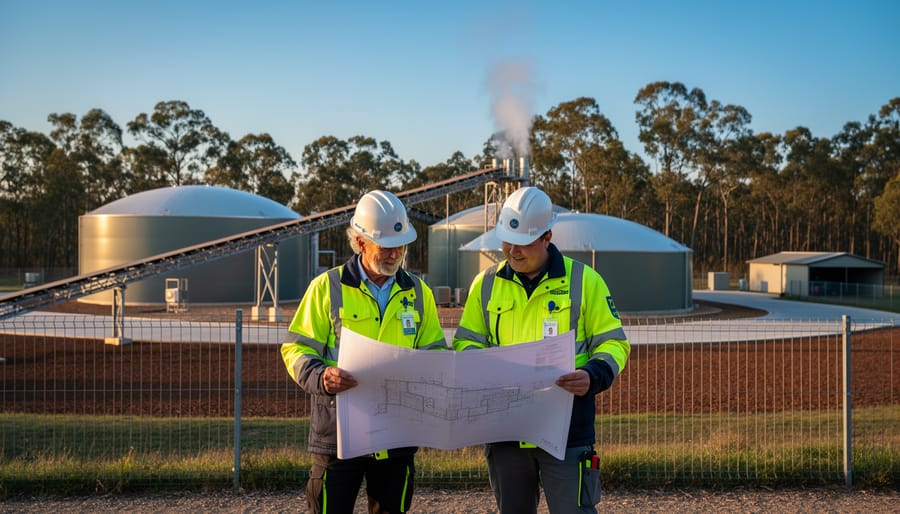
Launching a biomass energy project in Australia requires navigating a complex web of environmental approvals and permits that can make or break your timeline and budget. The good news? Understanding the regulatory landscape upfront transforms what seems like bureaucratic red tape into a strategic advantage that accelerates your project from concept to operation.
Biomass energy projects represent one of Australia’s most promising pathways to renewable energy independence, converting agricultural waste, forestry residues, and organic materials into clean electricity and heat. From small-scale farm digesters processing livestock waste to large commercial facilities powering regional communities, these projects are already delivering environmental and economic benefits across the country. Yet many project developers stumble at the permitting stage, facing unexpected delays, cost overruns, and regulatory rejections that could have been avoided with proper preparation.
The permitting journey for biomass facilities differs significantly from other renewable energy projects due to unique considerations around feedstock handling, emissions management, and community impacts. Whether you’re a farmer exploring on-site anaerobic digestion, a business developer planning a commercial bioenergy facility, or a consultant guiding clients through approvals, understanding which permits apply to your specific project type and how to secure them efficiently is essential. This comprehensive guide demystifies the entire approval process, providing practical strategies drawn from successful Australian biomass projects that have navigated these regulatory waters and emerged operational.
Why Environmental Approvals Matter More Than You Think
Environmental approvals aren’t just bureaucratic hurdles—they’re the foundation of sustainable, long-lasting biomass energy projects that benefit everyone. Getting these approvals right from the start protects local ecosystems, builds trust with communities, and prevents expensive delays that can derail even the most promising ventures.
Think of environmental approvals as your project’s insurance policy. They demonstrate that you’ve considered air quality, water resources, biodiversity, and community wellbeing. When agricultural bioenergy projects secure proper approvals, they’re showing stakeholders that sustainability isn’t just a buzzword—it’s embedded in their operations.
Consider two Victorian projects that took different approaches. A biomass facility in Gippsland engaged early with environmental regulators, conducted thorough assessments, and worked closely with local Indigenous groups to identify culturally significant sites. The result? Approvals sailed through in under twelve months, and the project now powers thousands of homes while maintaining community support.
Contrast this with a Queensland project that rushed its environmental assessments and overlooked critical habitat concerns. After beginning construction, regulators issued stop-work orders when endangered species were discovered on-site. The eighteen-month delay cost millions and damaged relationships with investors and the community—setbacks that proper planning could have prevented entirely.
The lesson from these successful Australian projects is clear: environmental approvals matter because they transform your project from a potential risk into a community asset. They ensure your biomass facility operates within ecological limits while contributing to Australia’s renewable energy targets.
Beyond compliance, these approvals often reveal opportunities to enhance your project. Environmental assessments might identify ways to create wildlife corridors, improve local water management, or develop education programs that strengthen community bonds. When you approach approvals as an opportunity rather than an obstacle, you’re building a project designed for long-term success.
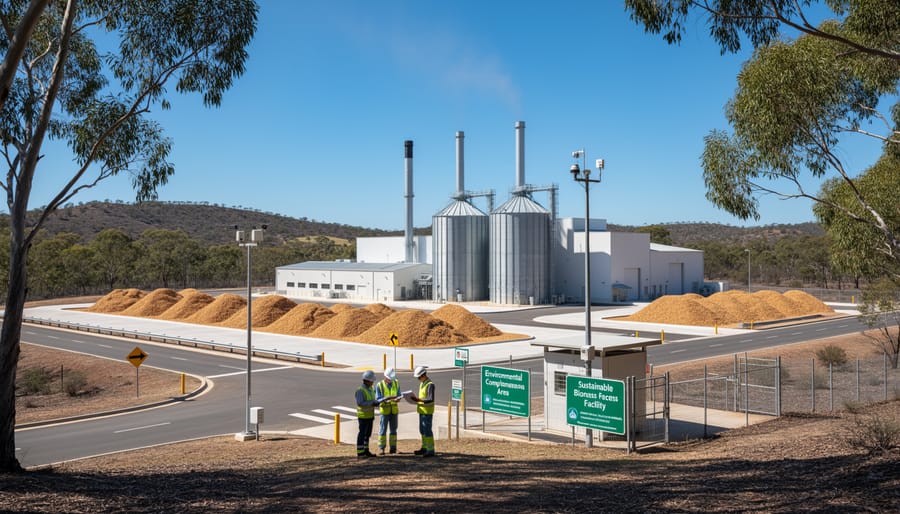
The Australian Regulatory Landscape for Biomass Projects
Federal Environmental Laws You Need to Know
When planning your biomass energy project in Australia, understanding the Environment Protection and Biodiversity Conservation (EPBC) Act is essential. This federal law protects matters of national environmental significance, and it might apply to your project depending on location and potential impacts.
The EPBC Act kicks in when your biomass facility could significantly affect protected matters like threatened species, migratory birds, Ramsar wetlands, world heritage areas, or Commonwealth marine areas. For example, if you’re planning a large-scale agricultural waste-to-energy plant near a wetland habitat for endangered waterbirds, you’ll likely need federal approval from the Department of Climate Change, Energy, the Environment and Water.
Here’s the good news: many smaller biomass projects fly under the EPBC Act’s radar entirely. A family farm converting dairy waste to biogas for on-site use typically won’t trigger federal assessment. However, industrial-scale operations or projects in ecologically sensitive areas need careful consideration.
The practical approach is conducting an early environmental assessment. Identify any protected species or ecosystems nearby, then determine if your project poses significant impacts. If federal approval is required, the process involves a referral, assessment, and conditions that must be met.
Success story: A Queensland sugar mill expanding its bagasse energy production worked proactively with federal and state authorities, conducting thorough environmental surveys early. By addressing potential impacts on nearby Great Barrier Reef catchment areas upfront, they secured approvals smoothly and now generate renewable energy while protecting precious ecosystems. This demonstrates that environmental responsibility and project success go hand in hand.
State-Level Requirements That Vary Across Australia
Navigating biomass energy approvals in Australia can feel like a bit of a maze because each state has developed its own environmental assessment framework. What works in New South Wales won’t necessarily apply in Queensland or Victoria, which means doing your homework on state-specific requirements is absolutely essential before launching your project.
In New South Wales, the Environmental Planning and Assessment Act governs most biomass projects, with the Department of Planning and Environment overseeing major developments. Victoria operates through its Environment Protection Authority and planning permit system, which has recently streamlined approvals for renewable energy projects. Queensland’s State Development Assessment Provisions guide biomass facilities, while Western Australia uses the Environmental Protection Authority for environmental impact assessments. South Australia and Tasmania each have their own unique assessment processes tailored to their regional priorities.
The good news? Most state governments have recognised the importance of renewable energy and are working to make these processes more transparent. Many have created dedicated renewable energy offices or online portals specifically designed to help project developers understand their obligations.
To find your state’s specific requirements, start by visiting your state’s environment or planning department website. Look for sections on renewable energy, environmental assessments, or development applications. Many states now offer pre-lodgement meetings where you can discuss your project with regulators before formally applying—a fantastic opportunity that can save months of back-and-forth later. Consider connecting with your local Regional Development Australia office, as they often provide tailored guidance and can point you toward state-specific grants or support programs that complement the approval process.
Local Council Permits and Community Considerations
Local councils play a crucial role in biomass project approval through development applications and land use planning processes. Before breaking ground, you’ll need to engage with your local government authority to ensure your project aligns with zoning regulations and community expectations. Most councils require detailed development applications that outline how your facility will manage traffic, noise, emissions, and visual impacts. Community consultation is often mandatory, giving neighbours and stakeholders the opportunity to raise concerns and ask questions. This isn’t just red tape—it’s your chance to build local support by highlighting benefits like job creation and waste reduction. A successful project in regional Victoria demonstrated this beautifully, where developers held community workshops early in the planning stage, addressing concerns transparently and incorporating feedback into their design. The result was overwhelming local backing and streamlined council approval, proving that genuine engagement creates pathways to success.
Essential Permits Your Biomass Project Must Secure
Environmental Impact Assessments: Your Starting Point
An Environmental Impact Assessment is your project’s opportunity to demonstrate environmental responsibility from the ground up. In Australia, most biomass energy projects triggering state or federal environmental legislation will require an EIA before approval, particularly if they’re likely to have significant environmental effects or involve native vegetation clearing.
Think of the EIA as telling your project’s environmental story comprehensively. The process typically involves scoping studies to identify potential impacts on air quality, water resources, biodiversity, noise levels, and traffic. You’ll work with environmental consultants to gather baseline data, assess risks, and propose mitigation measures. Depending on your project’s scale and location, this might take anywhere from three to twelve months.
The key to a strong assessment is proactivity. Don’t wait for regulators to identify concerns. Address potential issues head-on, whether that’s dust management, noise mitigation for nearby residents, or protecting local wildlife corridors. Community consultation should begin early, as genuine engagement often uncovers practical solutions and builds local support.
Take inspiration from successful projects that turned potential challenges into opportunities. One Queensland sugar mill converted their EIA process into a community education initiative, demonstrating how bagasse-to-energy systems would actually reduce emissions compared to existing operations. Their transparent approach expedited approvals and strengthened community relationships.
Remember, a thorough EIA doesn’t just tick regulatory boxes. It strengthens your project design, identifies cost-saving opportunities, and demonstrates to investors and stakeholders that you’re committed to sustainable development that benefits everyone.
Air Quality and Emissions Permits
Managing air emissions is a critical component of gaining approval for your biomass energy project, but it’s also an area where Australian facilities are proving their environmental credentials. Modern biomass plants are equipped with sophisticated emission control technologies that meet stringent air quality standards set by the Environment Protection Authority in your state.
You’ll typically need to obtain an air emissions license or permit before commencing operations, which involves detailed modelling of expected pollutants including particulate matter, nitrogen oxides, and carbon monoxide. The good news? Today’s biomass facilities often outperform traditional fossil fuel plants in emissions control. For instance, several agricultural processors across Victoria and New South Wales have successfully integrated biomass systems with advanced filtration and monitoring equipment, demonstrating that clean energy and clean air can go hand in hand.
Your application should include a comprehensive Air Quality Impact Assessment and outline your continuous emissions monitoring system. Many operators find that investing in quality control technology upfront not only smooths the approval process but also enhances community acceptance. By demonstrating your commitment to environmental stewardship through transparent monitoring and reporting, you’ll position your project as a genuine solution for sustainable energy generation.
Water Use and Discharge Approvals
Water management is a critical consideration for any biomass energy project in Australia, requiring careful attention to both extraction and discharge. Depending on your project’s scale and location, you’ll likely need approvals from state water agencies to extract water from rivers, groundwater sources, or municipal supplies. These permits ensure your project doesn’t impact local water availability or ecosystems—a fair go for everyone sharing this precious resource.
Most biomass processing operations use water for cooling, steam generation, and cleaning equipment. Your application should clearly demonstrate water efficiency measures, such as recycling systems or closed-loop cooling technologies that minimise consumption. Regulators look favourably on projects incorporating smart water-saving innovations.
Wastewater discharge requires separate environmental permits, with strict limits on temperature, pH levels, and contaminants. The good news? Many successful Australian biomass facilities have turned this challenge into opportunity. Some projects treat and reuse process water multiple times, while others partner with nearby agricultural operations to beneficially reuse treated wastewater for irrigation—creating win-win outcomes that regulators appreciate. By planning sustainable water practices from the start, you’ll streamline approvals while demonstrating environmental responsibility that resonates with communities and stakeholders alike.
Waste Management and Biomass Feedstock Permits
Managing biomass feedstock involves navigating various regulations that ensure environmental protection while enabling sustainable resource use. In Australia, collecting and transporting agricultural waste, forestry residues, and organic materials requires compliance with state-based waste management frameworks. Most jurisdictions classify biomass materials differently depending on their source and intended use—what’s considered waste in one context might be a valuable resource in another.
For agricultural waste like sugarcane bagasse or cotton gin trash, farmers typically need resource recovery exemptions that allow these materials to be diverted from landfill to energy production. These exemptions specify acceptable collection methods, storage conditions, and transportation requirements. Similarly, forestry residues must meet sustainability standards that prevent over-harvesting and protect native ecosystems.
Transporting biomass across state lines or in commercial quantities often requires waste transport licenses and accompanying documentation proving the material’s origin and intended destination. Processing facilities need additional permits covering storage volumes, fire safety measures, and biosecurity protocols to prevent pest spread.
The good news? Many councils and environmental agencies actively support biomass projects that reduce landfill pressure. Some states have streamlined approval pathways for projects using specific feedstocks, making the process surprisingly straightforward when you’ve got your documentation organised and a clear environmental benefit to demonstrate.
Navigating the Environmental Assessment Process
Phase 1: Scoping and Initial Studies
Before you dive into the full environmental approval process, you’ll need to lay solid groundwork through scoping and preliminary studies. This initial phase helps you understand what environmental factors matter most for your specific biomass project and sets the direction for everything that follows.
Start by conducting a preliminary environmental assessment to identify potential impacts your project might have on air quality, water resources, local biodiversity, and surrounding communities. This doesn’t need to be exhaustive yet, but it should give you a clear picture of the environmental landscape you’re working with.
Baseline studies are your next step. These document the current environmental conditions at your proposed site before any development begins. Think of them as taking a snapshot of what exists today, whether that’s local wildlife populations, existing noise levels, or current water quality. This information becomes invaluable later when demonstrating your project’s actual impact.
During scoping, engage early with local councils and state environmental authorities. A yarn with regulators at this stage can save you months of back-and-forth later. They’ll help you determine which approvals you’ll actually need and flag any potential roadblocks before you’ve invested heavily in detailed studies. Many successful Australian biomass projects credit their smooth approval process to building these relationships early and understanding expectations from day one.
Phase 2: Stakeholder Consultation and Community Engagement
Getting your biomass energy project off the ground requires more than technical expertise—it demands genuine collaboration with the people who’ll be affected by it. Early and meaningful stakeholder consultation can transform potential roadblocks into pathways for success.
Start by identifying all relevant stakeholders: local community members, Indigenous traditional owners, environmental groups, nearby farmers, and local councils. Reach out early, well before submitting formal applications. This demonstrates respect and creates opportunities to incorporate valuable local knowledge into your project design.
For Indigenous communities, ensure you follow proper protocols for engagement and seek Traditional Owner consultation as required under Australian law. Their connection to Country often reveals environmental considerations you might otherwise miss.
Hold open community meetings where concerns can be aired freely. Listen more than you speak. Address worries about noise, traffic, emissions, or land use with clear, honest information. Share how your project will benefit the region through jobs, energy security, and waste reduction.
Effective community engagement strategies often include establishing community liaison committees, creating feedback mechanisms, and offering site tours once construction begins. Remember, people support what they help create. When stakeholders feel heard and valued, they often become your project’s strongest advocates during the approval process.

Phase 3: Responding to Feedback and Securing Approval
When regulators or community members raise concerns during consultation, view this as an opportunity to strengthen your project rather than a setback. The feedback phase is where good projects become great ones, and Australian developers who embrace this mindset consistently achieve better outcomes.
Start by carefully documenting every concern raised, whether through formal submissions, community meetings, or correspondence with regulatory bodies. Group similar issues together and prioritize based on their potential impact on approval timelines. Common concerns typically centre on air quality, truck movements, noise levels, and visual amenity. Address each systematically with evidence-based responses, drawing on your environmental studies and expert reports.
Transparency builds trust. If concerns are valid, acknowledge them openly and propose practical mitigation measures. Perhaps additional noise barriers are needed, or adjusted operating hours could minimize disruption. When a Queensland grain mill faced community concerns about odour from their proposed biomass boiler, they worked collaboratively with residents to design an enhanced filtration system that exceeded regulatory requirements.
Maintain regular communication with your environmental protection authority throughout this phase. They appreciate proactive developers who demonstrate genuine commitment to addressing issues. Submit supplementary information promptly, attend meetings prepared with solutions, and keep all stakeholders informed of modifications to your project design.
Remember, securing approval is rarely about having a perfect initial proposal. It’s about demonstrating adaptability, environmental responsibility, and genuine community engagement. Your patience and professionalism during this phase set the foundation for long-term project success.
Common Roadblocks and How to Avoid Them
Navigating the permitting landscape for biomass projects can feel like threading a needle, but understanding common roadblocks helps you steer clear of unnecessary delays. The most frequent challenge Australian project developers face is underestimating consultation timelines with Indigenous communities and environmental authorities. When a Victorian agricultural cooperative rushed through initial consultations for their crop residue facility, they encountered months of additional review. The solution? Build genuine relationships early. Allow six to twelve months for meaningful engagement rather than treating consultation as a box-ticking exercise.
Another significant hurdle involves incomplete environmental impact assessments. Projects in Queensland have stalled because developers didn’t adequately address air quality concerns or odour management in residential proximity. Learning from these experiences, successful proponents now engage independent environmental consultants from day one, conducting baseline studies before submitting applications. This proactive approach demonstrates commitment and typically accelerates approval processes.
Feedstock supply agreements present a third stumbling block. Regulators need confidence your project has reliable, sustainable biomass sources. A Western Australian forestry residue project nearly collapsed when initial supply contracts proved insufficient. The turnaround came through establishing long-term partnerships with multiple suppliers and documenting transport logistics thoroughly. This redundancy satisfied regulators and improved project viability.
Financial documentation challenges also trip up many applicants. State authorities want evidence of project sustainability, yet some developers submit vague financial projections. The remedy lies in engaging experienced renewable energy financial advisors who understand what regulators expect. Including detailed cash flow projections, risk assessments, and clear funding commitments demonstrates preparedness.
Finally, technology selection confusion delays many projects. Choosing unproven or inappropriate conversion technologies raises regulatory red flags. Successful Australian projects consistently opt for established technologies with demonstrated performance records, even if they seem less exciting than emerging alternatives. This pragmatic approach reassures regulators and smooths the approval pathway considerably.
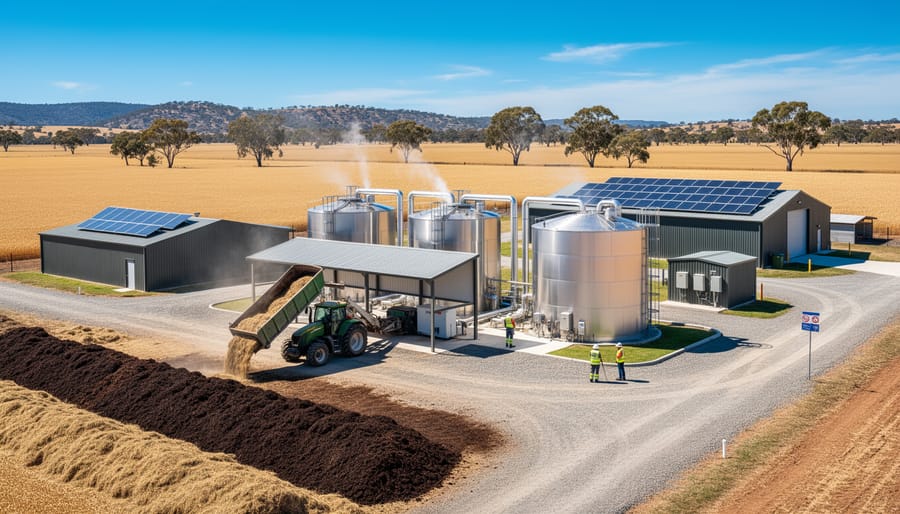
Success Story: How One Australian Farm Turned Waste into Energy
When the Henderson family’s grain farm in regional Victoria faced mounting electricity costs and growing mountains of crop residue, they saw an opportunity rather than a burden. What started as a conversation over the kitchen table transformed into one of Australia’s standout examples of turning farm waste into energy.
The Hendersons partnered with a local bioenergy consultant to establish a 500-kilowatt biomass gasification system that now powers their entire operation, with excess electricity sold back to the grid. But the path to success wasn’t without its challenges. The family quickly learned that comprehensive preparation was essential for navigating the approval process.
Their winning strategy involved three key decisions. First, they engaged with local council and EPA Victoria representatives early, scheduling informal meetings six months before submitting formal applications. This proactive approach helped them understand specific requirements and address potential concerns upfront. Second, they commissioned thorough environmental assessments that went beyond minimum requirements, demonstrating genuine commitment to community wellbeing. Third, they invited neighbours and community members to information sessions, building trust and dispelling concerns about emissions and noise.
The entire permitting process took fourteen months from initial application to final approval. While this might sound lengthy, the Hendersons’ methodical approach meant they faced no significant delays or objections. Today, their farm reduces annual electricity costs by 80,000 dollars while diverting 2,400 tonnes of agricultural waste from landfill each year.
Their advice to others? Start conversations early, invest in quality documentation, and never underestimate the importance of community engagement. The environmental approvals process, though detailed, becomes far more manageable when approached as a collaborative journey rather than a regulatory hurdle.
Your Action Plan for Getting Started
Ready to transform your biomass energy vision into reality? Here’s how to take those crucial first steps today.
Start by identifying the right consultant or environmental specialist who understands Australian bioenergy regulations. The Clean Energy Regulator’s website is your first port of call, offering guidance on federal requirements and connecting you with accredited professionals. Search for consultants with proven experience in biomass projects similar to yours—checking their track record with local councils and state environmental agencies can save months of delays down the track.
Next, visit your state’s environmental protection authority website. In Queensland, that’s the Department of Environment and Science, while Victoria operates through the Environment Protection Authority. These sites provide application forms, guidance documents, and contact details for pre-lodgement meetings. Book that meeting early—regulators genuinely appreciate developers who seek guidance before submitting applications.
Budget wisely from the outset. Environmental impact assessments typically cost between $15,000 and $100,000 depending on project scale, while planning permits might add another $5,000 to $50,000. Timeline-wise, count on six to eighteen months for approvals, though simpler projects can move faster with proper preparation. Don’t forget about project funding resources that can help offset these upfront costs.
Access the Australian Renewable Energy Agency website for technical resources and funding opportunities. The Department of Climate Change, Energy, the Environment and Water also provides valuable guidance on Commonwealth environmental approvals under the EPBC Act.
Finally, connect with your regional natural resource management group—these organizations understand local environmental values and can help you design projects that genuinely benefit your community while meeting regulatory requirements. Your biomass journey starts with these practical steps today.
Yes, securing environmental approvals for your biomass energy project requires dedication and careful planning, but here’s the encouraging truth: these hurdles are entirely surmountable. Thousands of biomass projects across Australia have successfully navigated this journey, transforming agricultural waste into clean energy while meeting every regulatory requirement along the way.
Think of the approval process not as a roadblock, but as a foundation that strengthens your project. Each assessment, consultation, and permit earned demonstrates your commitment to environmental responsibility and community wellbeing. These credentials build invaluable trust with stakeholders, investors, and neighbours who’ll support your project for years to come.
The regional processing facility that turned citrus waste into power didn’t just gain approvals—they gained community champions. The dairy farm converting manure to energy didn’t just tick compliance boxes—they became a sustainability leader in their district.
Your biomass energy journey starts with a single step. Whether you’re a farmer eyeing that pile of crop residue or a business owner seeking energy independence, the pathway forward is clear. Gather your information, engage early with regulators, and remember that each requirement met brings you closer to powering a cleaner, more sustainable Australia. The time to begin is now.