
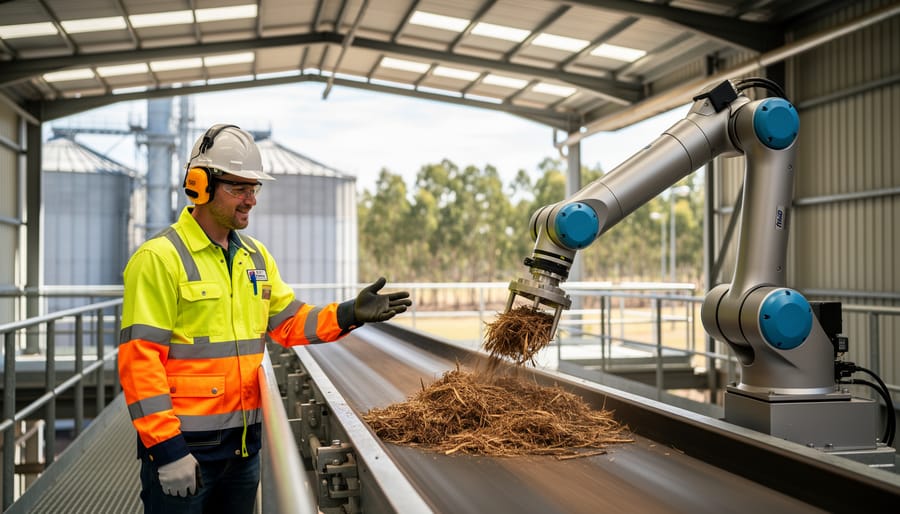
The robots aren’t coming for your job—they’re coming to work alongside you. That’s the reality unfolding across Australia’s growing bioenergy sector, where automation is creating more opportunities than it’s replacing. While headlines scream about machines taking over, the truth is far more nuanced and considerably more hopeful for workers willing to adapt.
Right now, bioenergy facilities across Queensland, New South Wales, and Victoria are deploying smart sensors, automated feedstock handling systems, and AI-driven energy optimization tools. Yet these same facilities are simultaneously hiring workers at record rates. The difference? Today’s bioenergy professionals aren’t just operating machinery—they’re programming it, maintaining complex systems, analyzing data streams, and making strategic decisions that machines simply can’t handle.
This shift mirrors what happened when ATMs arrived in banking. Everyone predicted mass unemployment for tellers, but banks actually hired more staff to handle sophisticated customer needs. Bioenergy is following the same path. Automation handles the repetitive, physically demanding, and sometimes dangerous tasks, freeing humans to focus on problem-solving, innovation, and relationship-building—skills that remain uniquely human.
The question isn’t whether automation will transform bioenergy work. It already has. The real question is how you’ll position yourself to thrive in this evolving landscape, turning technological change from a threat into your greatest career advantage.
The Current State of Australia’s Bioenergy Workforce
Who Works in Bioenergy Today?
Australia’s bioenergy sector currently employs a diverse workforce across multiple stages of production, creating opportunities from paddock to power plant. At the agricultural end, farmers and contract workers grow and harvest energy crops like sugarcane, or collect agricultural residues such as bagasse and wheat straw. Take the example of Queensland sugarcane growers who’ve diversified their income by supplying bagasse to local bioenergy facilities—a practical win for both their bottom line and regional sustainability.
Moving along the supply chain, forestry workers collect timber residues from sustainable operations, particularly in Tasmania and Victoria’s plantation forests. These materials, once considered waste, now fuel bioenergy production while creating regional employment.
In processing and conversion facilities, skilled technicians and engineers operate biomass power plants and waste-to-energy facilities. The Urban Utilities plant in Brisbane demonstrates this perfectly, where a dedicated team converts sewage waste into renewable electricity, powering thousands of homes whilst managing organic waste responsibly.
Support roles round out the workforce—logistics coordinators manage feedstock transport, environmental scientists monitor emissions and sustainability metrics, and maintenance crews keep facilities running smoothly. These positions require varied skill levels, from hands-on trade qualifications to advanced technical degrees, making bioenergy an accessible career pathway for many Australians seeking meaningful work in renewable energy.
Why This Workforce Matters for Regional Australia
While automation discussions often focus on capital cities, the real opportunity lies in how bioenergy jobs support rural communities across regional Australia. This workforce matters because it tackles multiple challenges simultaneously.
Rural areas have long grappled with youth migration to cities and declining agricultural profitability. Bioenergy flips this script by transforming what was once waste into opportunity. Sugarcane bagasse in Queensland, wheat stubble in Western Australia, and forestry residues in Tasmania become valuable resources rather than disposal problems. This creates processing jobs, logistics roles, and technical positions right where the feedstock grows.
Take Collie in Western Australia as an example. As coal operations wind down, the region is building a bioenergy future using plantation timber and agricultural residues. Local workers are retraining for new roles that keep them in their communities, maintaining the social fabric that makes regional towns thrive.
The beauty of bioenergy is its geographic necessity. You can’t outsource fuel processing when the raw materials are scattered across farming districts. This guarantees lasting employment in areas that need it most, strengthening regional economies while advancing Australia’s renewable energy goals.
What Automation Actually Means for Bioenergy
The Technologies Reshaping Bioenergy Operations
Australia’s bioenergy sector is embracing a suite of smart technologies that are making operations safer, more efficient, and remarkably more productive. Rather than wholesale replacement of human expertise, these tools are augmenting what workers can achieve.
Advanced sensor networks are perhaps the most widespread innovation. At modern facilities across Queensland and Victoria, sensors continuously monitor everything from feedstock moisture content to combustion temperatures and emission levels. These digital eyes catch problems before humans could spot them, sending alerts to operators’ tablets when anything drifts outside optimal parameters. The result? Less downtime, better fuel efficiency, and workers who spend less time on routine checks and more time on strategic improvements.
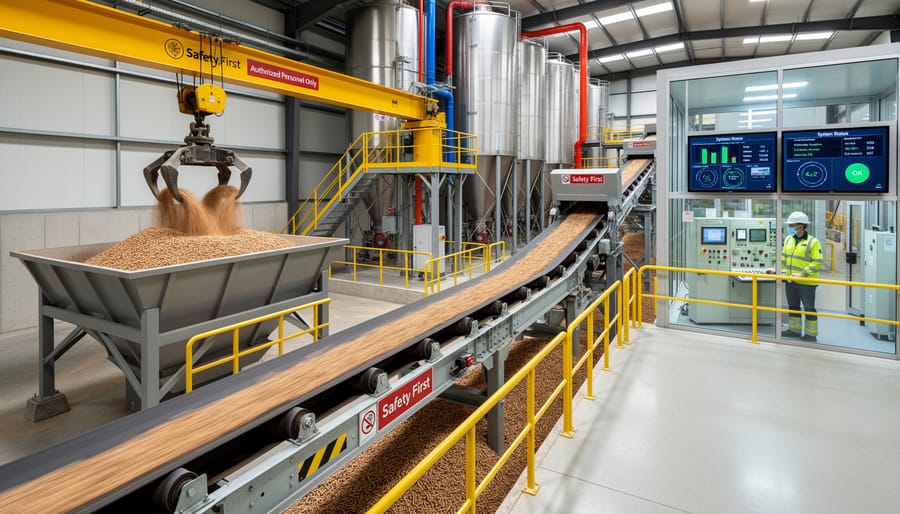
Automated logistics systems are transforming how facilities handle biomass. Conveyor systems, robotic stackers, and GPS-guided vehicles now move tonnes of material with minimal manual handling. A facility in regional New South Wales recently installed automated feedstock sorting, which freed up four workers to retrain as system operators—higher-skilled roles with better pay and less physical strain.
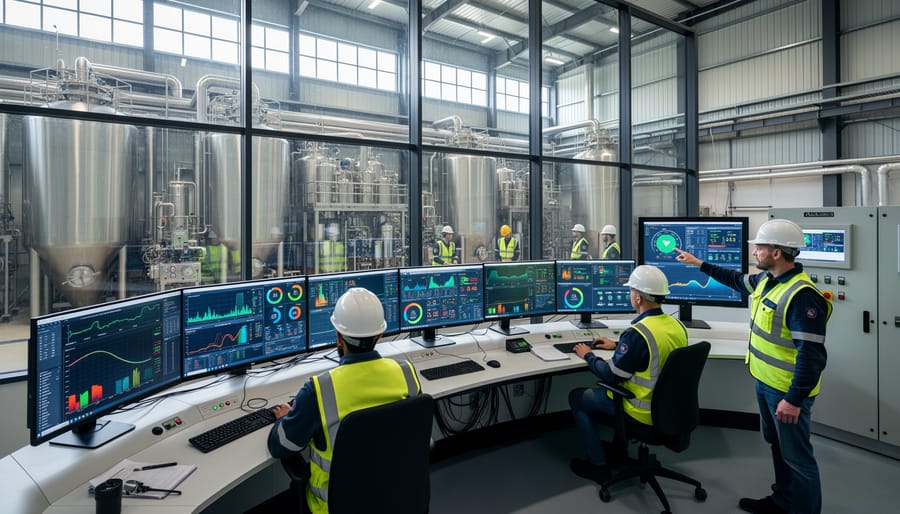
Remote monitoring platforms let technicians oversee multiple sites from central control rooms, using real-time data dashboards to coordinate operations across hundreds of kilometres. This technology has proven particularly valuable for Australia’s geographically dispersed operations.
Artificial intelligence is the newest frontier, with machine learning algorithms optimising fuel blends, predicting maintenance needs, and adjusting operations for maximum energy output. These systems learn from historical data, becoming smarter over time while keeping experienced operators firmly in control of final decisions.
Real Success Stories from Australian Pilots
The transition to automation in Australia’s bioenergy sector isn’t just theoretical—real facilities across the country are proving that technology and people can thrive together.
At the Eden BioPower facility in New South Wales, automation has transformed both productivity and worker satisfaction. When the plant introduced automated feeding systems and remote monitoring technology in 2022, management worked closely with existing staff to redesign roles rather than eliminate them. Former manual operators now oversee multiple systems from a centralised control room, making decisions based on real-time data analytics. The result? Production efficiency increased by 28 percent, while workplace injuries dropped by 65 percent. More importantly, workers report higher job satisfaction, with several team members completing technical training that’s boosted their earning potential by up to 35 percent.
Similarly, a cooperative of Queensland sugarcane farmers has embraced automation in their biomass collection operations. Initially worried about losing seasonal workers, the cooperative instead invested in training programs that taught equipment operators how to manage GPS-guided harvesters and automated loading systems. The technology handles the repetitive, physically demanding work, whilst workers focus on quality control, equipment maintenance, and logistics coordination. The outcome has been remarkable—the cooperative processes 40 percent more biomass with the same workforce, and workers now enjoy year-round employment rather than seasonal contracts.
These success stories share a common thread: automation implemented thoughtfully, with genuine investment in people, creates opportunities rather than obstacles. The technology handles the heavy lifting; the workers bring problem-solving, adaptability, and local knowledge that no machine can replicate.
Jobs That Will Disappear (And Why That’s Okay)
The Tasks Being Automated First
Across Australia’s bioenergy sector, automation is taking on the tasks that workers are genuinely relieved to hand over. At facilities processing agricultural waste into renewable energy, robotic systems now handle the continuous monitoring of high-temperature combustion chambers—eliminating the need for workers to conduct manual inspections in sweltering, potentially hazardous conditions. In Queensland’s sugar cane processing plants, automated bagasse handling systems move tonnes of fibrous material that previously required repetitive, physically demanding labour.
The story at a Victorian biogas facility illustrates the benefits beautifully. Workers there previously spent hours each day manually sampling and testing feedstock quality—tedious work requiring constant vigilance. Now, automated sensors provide real-time monitoring, freeing staff to focus on optimizing plant performance and troubleshooting complex challenges. “I don’t miss standing in the cold at 3 AM taking measurements,” one technician shared.
Similarly, hazardous waste sorting—where workers once separated contaminated materials by hand—is increasingly managed by AI-powered robotic systems with advanced sensors. This shift doesn’t just improve efficiency; it protects workers from exposure to potentially harmful substances while allowing them to develop higher-value skills in system management and process optimization.
Supporting Workers Through Transition
The good news? Australia’s bioenergy sector isn’t leaving workers behind. Leading companies are partnering with TAFE institutions and universities to create tailored retraining programs that transform traditional agricultural and manufacturing skills into bioenergy expertise. Take Western Australia’s bioenergy cooperative, where former timber workers have successfully transitioned to biomass processing roles through a six-month upskilling program.
State governments are backing these efforts with dedicated transition funds and apprenticeship incentives. The Queensland Biofutures initiative, for example, has already helped over 200 workers shift from coal operations to renewable energy roles. These programs build on existing mechanical and operational knowledge, making the transition less daunting than many expect.
Industry leaders are also embracing workforce planning strategies that prioritise internal development over external hiring. This means current employees receive first access to new automation-related positions, from maintenance technicians to data analysts. The result? A fair go for workers who’ve built our energy sector, combined with the innovation Australia needs for a sustainable future.
The New Jobs Automation Creates in Bioenergy
Technical Roles: The Hands-On Specialists
Automation in Australia’s bioenergy sector is creating skilled technical positions that didn’t exist a decade ago. These hands-on specialists maintain robotic feedstock handling systems, calibrate emissions sensors, and troubleshoot advanced sorting equipment at biomass facilities across the country.
Take Matt from regional New South Wales, who transitioned from manual truck loading to becoming a robotics technician at a modern bioenergy plant. “I now earn 30 percent more and work in climate-controlled environments instead of scorching heat,” he shares. His role combines mechanical aptitude with digital monitoring skills, managing automated systems that process agricultural waste into renewable energy.
These emerging bioenergy careers require hybrid expertise—understanding both traditional mechanics and sophisticated software interfaces. Positions like automation technicians, control systems operators, and predictive maintenance specialists command premium wages, often 20-40 percent higher than conventional roles they replace.
The safety benefits are substantial too. Workers previously exposed to repetitive strain injuries or hazardous material handling now monitor processes remotely, dramatically reducing workplace accidents. Queensland’s largest biomass facility reported zero serious injuries since implementing automated systems in 2022, while productivity increased by 35 percent.
Analytical Roles: Making Sense of the Data
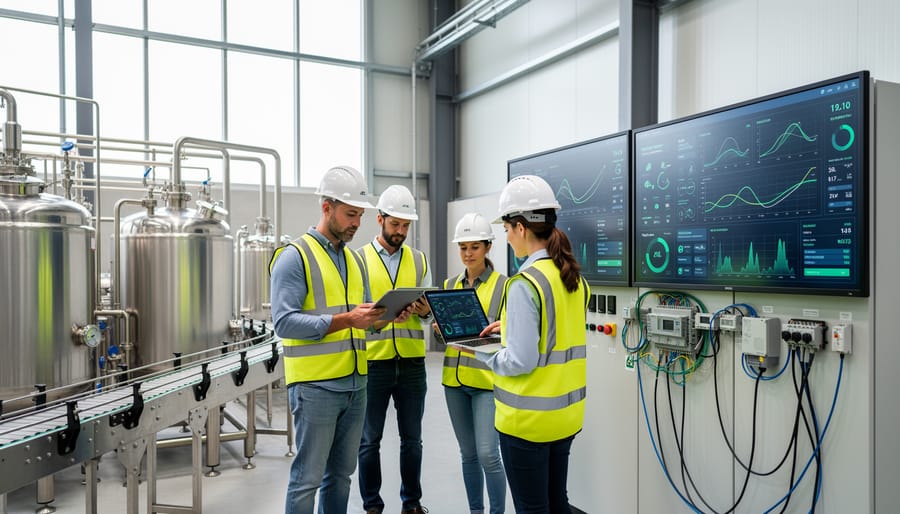
As automation generates massive amounts of data across bioenergy operations, analytical roles are becoming increasingly vital to transform this information into actionable insights. Data analysts and predictive maintenance specialists are helping Australian bioenergy facilities run smarter, not just harder.
Consider the success at a Queensland sugar mill where data analysts identified patterns in equipment performance, reducing unexpected breakdowns by 40 percent. By monitoring automated systems that process bagasse into electricity, these professionals spot potential issues before they become costly problems, keeping operations running smoothly while maximizing energy output.
Supply chain analysts are equally crucial, using data from automated tracking systems to optimize biomass sourcing. They evaluate factors like transport distances, seasonal availability, and cost fluctuations to ensure facilities receive the right materials at the right time. This work directly impacts profitability while minimizing environmental footprints.
The beauty of these roles is their accessibility. Many require foundational data literacy combined with industry knowledge rather than advanced computer science degrees. Short courses in data visualization, basic statistics, and industry-specific software can open doors. For those already working in bioenergy operations, transitioning into analytical positions offers career growth while keeping your valuable industry experience front and centre.
Strategic Roles: Planning Australia’s Bioenergy Future
Automation isn’t just replacing tasks—it’s creating space for strategic thinking that was previously buried under daily operations. As automated systems handle routine monitoring and control functions at bioenergy facilities across Australia, professionals are shifting into higher-value roles that shape the industry’s direction.
Project managers now orchestrate complex bioenergy developments, coordinating everything from feedstock supply agreements with Australian farmers to community engagement programs. Take the example of a recent Victorian bioenergy hub, where a former plant operator transitioned into a sustainability coordination role, working with local councils to optimize waste collection routes and maximise organic material recovery. This shift occurred because automated systems freed her from constant equipment monitoring.
Supply chain optimization specialists are becoming increasingly vital, using data from automated systems to forecast feedstock availability, predict seasonal variations, and develop contingency plans. These roles require strategic thinking about logistics, relationships with agricultural suppliers, and understanding regional opportunities—skills that blend industry knowledge with new analytical capabilities.
These positions don’t eliminate technical expertise; rather, they elevate it. Professionals combine their hands-on experience with broader strategic vision, positioning Australia’s bioenergy sector for sustainable growth while creating more fulfilling career pathways for those willing to develop new competencies.
How to Prepare for the Automated Bioenergy Future
Skills That Will Keep You Ahead
The good news? The automation revolution in Australia’s bioenergy sector isn’t replacing humans—it’s elevating them. But this transformation demands a new toolkit of capabilities that blend technical know-how with strategic thinking.
Digital literacy sits at the foundation. You don’t need to become a programmer, but understanding how automated systems communicate, basic data interpretation, and comfort with digital interfaces are essential. Many regional bioenergy facilities now offer short courses in these fundamentals, often subsidised for existing workers.
Systems thinking separates good operators from great ones. Modern bioenergy plants are complex ecosystems where feedstock quality, processing efficiency, and energy output interconnect. Professionals who can see these relationships and anticipate cascading effects become invaluable troubleshooters. Start developing this skill by asking “what happens next?” whenever you observe a process change.
Sustainability knowledge goes beyond environmental buzzwords. Understanding carbon accounting, circular economy principles, and regulatory frameworks positions you as a strategic asset. The NSW bioenergy sector, for example, increasingly values workers who can articulate how operations align with state climate targets.
Adaptability might be the most crucial skill of all. The Queensland biomass facility that successfully automated its sorting processes did so because operators embraced change, experimented with new workflows, and shared insights. Those who view transformation as opportunity rather than threat consistently thrive in this evolving landscape.
Training Pathways and Resources for Australians
Australia offers diverse pathways for those keen to upskill in automated bioenergy systems. Several TAFEs deliver Certificate III and IV qualifications in Renewable Energy, typically costing $3,000-$8,000 over 12-18 months. TAFE Queensland and TAFE NSW lead with specialized bioenergy modules combining hands-on automation training with renewable energy fundamentals.
University options include shorter graduate certificates at institutions like the University of Queensland and University of Adelaide, focusing on renewable energy engineering with automation components. These programs run 6-12 months part-time, costing approximately $6,000-$12,000.
For those after flexible learning, online platforms like Coursera and edX offer courses in industrial automation and renewable energy systems for $50-$300 per course. Many Australian workers combine these with industry certifications from Siemens or Rockwell Automation in programmable logic controllers (PLCs), which range from $2,000-$5,000.
The Australian Renewable Energy Agency (ARENA) supports various training programs and apprenticeships, often subsidizing costs. Success stories include former coal workers from the Hunter Valley who completed TAFE automation courses and now operate advanced bioenergy facilities, proving that career transitions aren’t just possible—they’re happening right now across Australia.
Here’s the thing we need to remember: automation in Australia’s bioenergy sector isn’t about replacing people—it’s about empowering them. The workers who’ve embraced new technologies at facilities across Queensland and Victoria aren’t mourning lost jobs; they’re celebrating safer workplaces, more engaging roles, and the satisfaction of driving Australia’s renewable energy future forward.
The transition we’re witnessing is fundamentally human. Yes, robots will handle the hazardous tasks and AI will optimize the complex processes, but people remain at the heart of innovation, problem-solving, and progress. For workers, this means opportunities to upskill and step into roles that value your judgment and expertise. For employers, it’s a chance to invest in your workforce while boosting productivity and safety. For policymakers, it’s an invitation to support training programs and infrastructure that position Australia as a global leader in sustainable energy.
The path forward is clear: embrace automation as a tool for creating the future we want—one where Australians work smarter, not harder, and where our bioenergy industry powers a cleaner, more prosperous nation. The automated, sustainable future isn’t coming; it’s already here, waiting for us to seize it.