
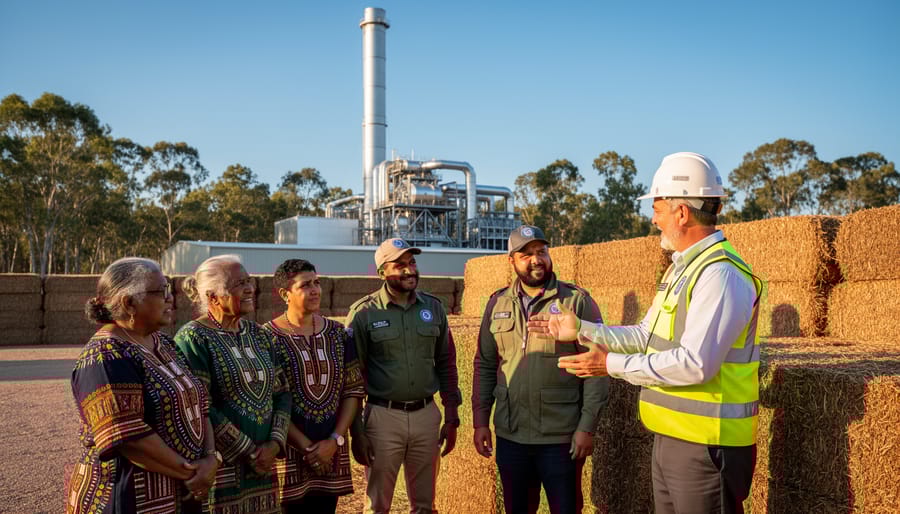
When a bioenergy project arrives on Indigenous land, whose voice matters most? In Australia and across the globe, the principle of Free, Prior and Informed Consent has emerged as the ethical cornerstone ensuring that Indigenous communities hold genuine decision-making power over developments affecting their traditional territories, cultural heritage, and future wellbeing.
FPIC represents far more than a consultation checklist. It establishes that Indigenous peoples must give their consent freely, without coercion or manipulation, before projects commence, and based on comprehensive information about potential impacts. This principle recognizes Indigenous communities not as stakeholders to be managed, but as rights-holders with inherent authority over their lands and resources.
The bioenergy sector stands at a crucial crossroads. As Australia accelerates its renewable energy transition, bioenergy projects utilizing agricultural residues, forestry waste, and purpose-grown crops offer tremendous potential for regional communities. Yet without proper FPIC implementation, these initiatives risk repeating historical patterns of dispossession and cultural harm. The question isn’t whether FPIC complicates project development—it does require genuine commitment and time—but whether bioenergy can truly be sustainable without respecting the rights and knowledge of First Nations peoples who have managed these landscapes for 65,000 years.
Success stories worldwide demonstrate that FPIC isn’t merely an ethical obligation but a pathway to stronger, more resilient projects. When Indigenous communities become genuine partners rather than afterthoughts, bioenergy developments gain access to invaluable traditional ecological knowledge, build lasting social license, and create shared prosperity. The challenge lies in transforming FPIC from paperwork into meaningful partnership, where consent becomes the beginning of collaboration rather than the end of a compliance exercise.
What Free, Prior and Informed Consent Actually Means
The ‘Free’ Component: Consent Without Pressure
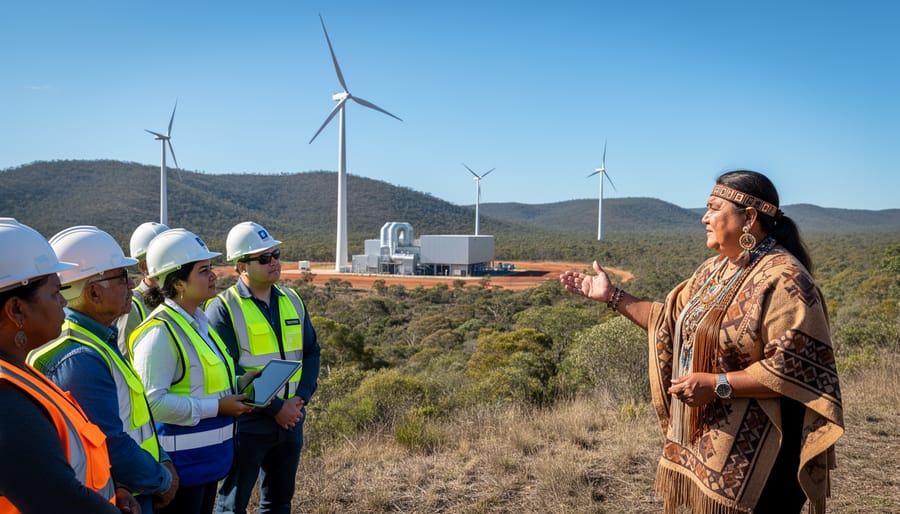
The ‘free’ element of consent means communities must have genuine autonomy to say yes or no without facing negative consequences. True voluntary agreement happens when bioenergy developers create space for communities to make decisions at their own pace, without tight deadlines pressuring quick responses. It means no threats, whether direct or subtle, about withdrawn services, lost opportunities, or economic disadvantages if communities decline proposals.
In practice, this requires developers to respect community decision-making timeframes, which might differ significantly from corporate schedules. A community in rural New South Wales demonstrated this beautifully when they took eighteen months to deliberate a bioenergy proposal, holding multiple yarning circles and consulting elders. The developer respected this process, and ultimately gained a stronger partnership because the community felt genuinely empowered rather than rushed.
Manipulation through misleading information, selective data sharing, or playing community members against each other violates the free consent principle. Government entities must also remain neutral facilitators rather than advocates for specific projects, ensuring communities feel supported in whatever decision serves their best interests and long-term wellbeing.
The ‘Prior’ Component: Engagement Before Decisions Are Made
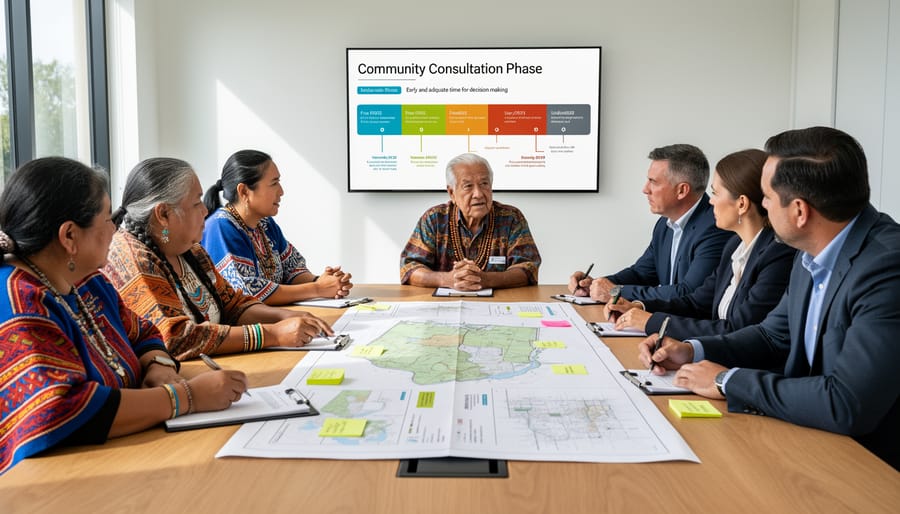
The ‘prior’ aspect of FPIC is where many well-intentioned bioenergy projects stumble. True consultation must happen at the earliest planning stages, when communities can genuinely influence project design and location, not after approvals are secured or infrastructure is already in place. This means engaging Indigenous stakeholders before lodging development applications or finalizing feasibility studies.
Starting early demonstrates respect and creates space for genuine partnership. When Indigenous communities participate from the outset, they can share traditional ecological knowledge that often improves project outcomes, identify culturally sensitive areas that should be avoided, and propose modifications that benefit everyone involved. This approach has proven successful in Australian renewable energy developments where Indigenous groups became active partners rather than passive recipients of consultation.
The timing transforms the relationship from tick-box compliance to meaningful collaboration. Communities appreciate when developers approach them first, showing that their perspectives will genuinely shape the project rather than simply reviewing predetermined plans. This investment in early engagement builds trust, reduces future conflicts, and often accelerates approvals because potential issues are addressed proactively rather than emerging as obstacles later.
The ‘Informed’ Component: Real Knowledge, Not Just Tick-Box Consultation
True information sharing goes beyond handing communities a technical report and calling it consultation. The “informed” element means presenting complete, honest information about bioenergy projects in ways that genuinely make sense to local communities. This includes clear explanations of environmental impacts—how will water sources be affected? What changes might occur to local ecosystems? It also means discussing cultural implications openly. For Indigenous communities, this might involve how projects could affect sacred sites or traditional practices. Economic details matter too: what are the real employment opportunities? Who actually benefits financially, and what are the risks? Successful projects translate technical concepts into culturally appropriate formats—perhaps using visual presentations, on-country discussions, or allowing time for traditional decision-making processes. When a Queensland bioenergy developer spent months explaining their proposal through community gatherings and visual demonstrations rather than dense documents, they built understanding that led to meaningful partnership. Information sharing works when communities can genuinely weigh decisions with full knowledge.
Why FPIC Matters for Bioenergy Projects in Australia
Protecting Country and Culture
When bioenergy projects are developed without proper consultation, they can profoundly impact Country in ways that extend far beyond the physical landscape. Sacred sites that have been protected and revered for tens of thousands of years may face disturbance. Traditional food sources, from native grasses to bush tucker species, can be displaced by monoculture energy crops. Biodiversity corridors that Indigenous communities have carefully managed through cultural burning and seasonal practices risk disruption.
This is precisely why Free, Prior and Informed Consent isn’t just a bureaucratic checkbox—it’s essential for genuine sustainability. Indigenous knowledge systems offer invaluable insights that Western science is only beginning to appreciate. Traditional land management practices, refined over millennia, can guide bioenergy projects toward truly regenerative outcomes rather than merely extractive ones.
When Indigenous communities lead the conversation from the outset, they can identify cultural site considerations that might otherwise go unnoticed, suggest native species that serve both cultural and energy purposes, and share seasonal knowledge that optimizes harvest timing while protecting wildlife breeding cycles.
The good news? Projects that embrace this collaborative approach consistently achieve better environmental outcomes. They enhance biodiversity rather than diminishing it, support traditional practices instead of displacing them, and create bioenergy solutions that genuinely work with Country rather than against it. This isn’t compromise—it’s the path to projects that actually deliver on sustainability promises.
Building Trust and Long-Term Partnerships
When bioenergy developers genuinely embrace FPIC, they’re not just ticking boxes—they’re building foundations for projects that stand the test of time. The difference between a project that flourishes and one that falters often comes down to how communities were engaged from the start.
Projects grounded in proper FPIC processes benefit from community champions who actively support development, share local knowledge about suitable feedstock sources, and help navigate regulatory pathways. This collaborative approach transforms what could be adversarial relationships into genuine partnerships. Communities become invested stakeholders rather than reluctant bystanders, leading to smoother operations, reduced delays, and innovative solutions born from combining traditional knowledge with modern technology.
Consider the tangible outcomes: projects with strong community backing experience fewer legal challenges, gain faster regulatory approvals, and secure more stable access to resources. When local communities understand and support a bioenergy facility, they’re more likely to participate in feedstock supply chains, accept employment opportunities, and advocate for the project’s expansion.
Conversely, projects that bypass or rush through consent processes face predictable consequences. Protests, legal injunctions, and reputational damage can halt even well-funded initiatives. In Australia’s tight-knit regional communities, word travels fast—a company’s approach to one project influences their reception everywhere else.
The maths is straightforward: investing time and resources in building trust upfront costs far less than managing conflicts later. Smart developers recognise that FPIC isn’t an obstacle to overcome but rather an investment in resilience, creating projects that communities protect rather than protest. This foundation of mutual respect transforms temporary ventures into lasting legacies.
Success Stories: When Bioenergy Gets FPIC Right
Indigenous-Led Bioenergy Initiatives
Across Australia, First Nations communities are taking the reins on Indigenous-led bioenergy projects that showcase how Free, Prior and Informed Consent creates genuine opportunities for self-determination and sustainable development.
The Yirrkala community in Northeast Arnhem Land provides a powerful example. By converting invasive gamba grass into bioenergy, they’ve addressed a serious bushfire risk whilst generating renewable power for local operations. What makes this initiative remarkable is the community’s complete control over every decision, from harvesting methods that protect sacred sites to ensuring employment opportunities prioritise local people. The project demonstrates how bioenergy can align perfectly with traditional land management practices passed down through generations.
In Queensland’s Cape York Peninsula, the Olkola Aboriginal Corporation has developed a biomass initiative that processes timber from targeted vegetation management. The community designed the project around their cultural protocols and environmental knowledge, ensuring no clearing occurs near culturally significant areas. Revenue from the project funds language programs and youth initiatives, creating benefits that extend far beyond energy production.
Western Australia’s Noongar communities are exploring agricultural waste conversion into bioenergy, controlling the entire process from feasibility studies through to operation. Their approach prioritises caring for Country first, with commercial outcomes following cultural and environmental responsibilities.
These initiatives succeed because communities exercise genuine consent at every stage. They’re not merely consulted but are the decision-makers, project owners, and primary beneficiaries. This model proves that when Indigenous knowledge guides renewable energy development, everyone wins.
Collaborative Partnerships That Work
When bioenergy projects embrace genuine partnership with Indigenous communities, remarkable outcomes emerge that benefit everyone involved. These collaborations demonstrate how respecting Free, Prior and Informed Consent principles creates stronger, more sustainable ventures.
In South Australia, the Goyder Renewables Zone project showcases how meaningful engagement transforms development. Energy companies worked alongside Traditional Owners from the project’s inception, establishing joint governance structures and benefit-sharing agreements. Rather than simply consulting communities, developers invited Indigenous representatives onto steering committees, ensuring cultural knowledge informed every stage of planning. This approach identified sacred sites early, preventing costly delays whilst protecting culturally significant landscapes.
Similarly, a biomass facility in Queensland partnered with local Elders to source native grasses traditionally used for land management. The venture created local employment, generated revenue for the community, and incorporated traditional burning practices into sustainable harvesting methods. This collaboration produced environmental wins too, with improved biodiversity outcomes compared to conventional forestry approaches.
The Northern Territory’s Tiwi Islands present another inspiring example where Indigenous power solutions flourish through partnership. A bioenergy project there operates under community ownership, with external developers providing technical expertise whilst respecting Indigenous decision-making authority. Profits support community programs, and traditional knowledge guides sustainable resource management.
These success stories share common threads: they begin conversations early, establish transparent agreements, share decision-making power genuinely, and recognize Indigenous knowledge as valuable expertise. When developers approach communities as equal partners rather than obstacles to manage, projects achieve better environmental outcomes, stronger community support, and long-term viability that benefits future generations.
The Challenges: Where FPIC Falls Short in Practice
While FPIC represents a crucial framework for ethical development, its implementation in Australian bioenergy projects faces several genuine hurdles that deserve honest acknowledgment. Understanding these challenges is the first step toward creating meaningful solutions.
Power imbalances remain perhaps the most significant barrier. When large bioenergy companies approach Indigenous communities, there’s often an inherent disparity in resources, legal expertise, and negotiating capacity. Communities may lack access to independent technical advisors who can help them properly evaluate project impacts or negotiate fair benefit-sharing agreements. This isn’t about intention—it’s about structural inequality that requires deliberate effort to address.
Time pressures create another practical challenge. Bioenergy developers work within commercial timelines, project financing windows, and regulatory deadlines. Meanwhile, genuine FPIC requires patience—allowing communities to conduct their own assessments, hold multiple meetings across dispersed populations, and make decisions according to their own governance processes. These different time horizons can create friction, sometimes leading to rushed consultations that tick boxes rather than build genuine partnerships.
Australian law presents its own complications. Unlike some international jurisdictions, Australia hasn’t comprehensively legislated FPIC requirements outside specific contexts like native title processes. This creates uncertainty for both developers and communities about what constitutes adequate consent. The legal landscape varies between states, and interpreting how the United Nations Declaration on the Rights of Indigenous Peoples applies in practice remains complex.
Resource constraints affect communities directly. Meaningful participation in FPIC processes requires time, travel, expert advice, and community coordination—all of which cost money. When communities must fund their own participation in consultation processes, it creates an additional barrier to effective engagement.
Finally, there’s the challenge of defining “consent” itself. Does it mean unanimous agreement? Majority support? And how do communities navigate internal disagreements while presenting a unified position to developers?
These challenges aren’t insurmountable. Recognizing them openly allows the bioenergy sector to develop practical solutions—from establishing independent funding mechanisms for community advisors to creating industry-wide FPIC standards that build certainty for everyone involved. The path forward requires acknowledging current shortcomings while maintaining optimism that better approaches are within reach.
Making FPIC Work: Practical Steps for Bioenergy Developers
Starting the Conversation the Right Way
Getting started with FPIC requires thoughtful groundwork and genuine respect for community protocols. First things first: reach out to the proper channels. Rather than approaching individuals directly, contact Indigenous land councils, traditional owner groups, or formally recognised community representatives who have the authority to speak on behalf of their people.
Allow plenty of time—meaningful consultation can’t be rushed. While project timelines matter, expecting quick answers isn’t fair dinkum. Communities need time to gather, discuss internally, consult elders, and consider impacts across generations. Budget for months, not weeks, especially for complex bioenergy proposals.
Establish communication protocols that honour local customs. Some communities prefer face-to-face meetings over emails, while others may follow specific seasonal calendars or cultural protocols around who speaks first. Ask how they’d like to engage and follow their lead.
Come prepared but flexible. Share information in accessible formats—visual presentations, plain language documents, or site visits often work better than dense technical reports. Be ready to answer questions honestly, including the tough ones about potential risks.
Success stories from bioenergy projects in northern Australia show that developers who invested time building genuine relationships, respected community decision-making processes, and adapted their timelines to suit local needs created partnerships that benefited everyone involved.
Ensuring Ongoing Consent and Benefit Sharing
Free, Prior and Informed Consent isn’t something you tick off a checklist and file away. Think of it more like tending a garden – it requires regular attention, nurturing, and adapting to changing seasons. When bioenergy projects partner with Indigenous communities, the relationship needs to grow and evolve alongside the project itself.
The most successful bioenergy initiatives in Australia maintain ongoing dialogue through regular community meetings, accessible reporting mechanisms, and transparent decision-making processes. This might mean quarterly gatherings where community members can voice concerns, celebrate milestones, or suggest improvements. It’s about keeping communication channels wide open, not just during the planning phase, but throughout the entire project lifecycle.
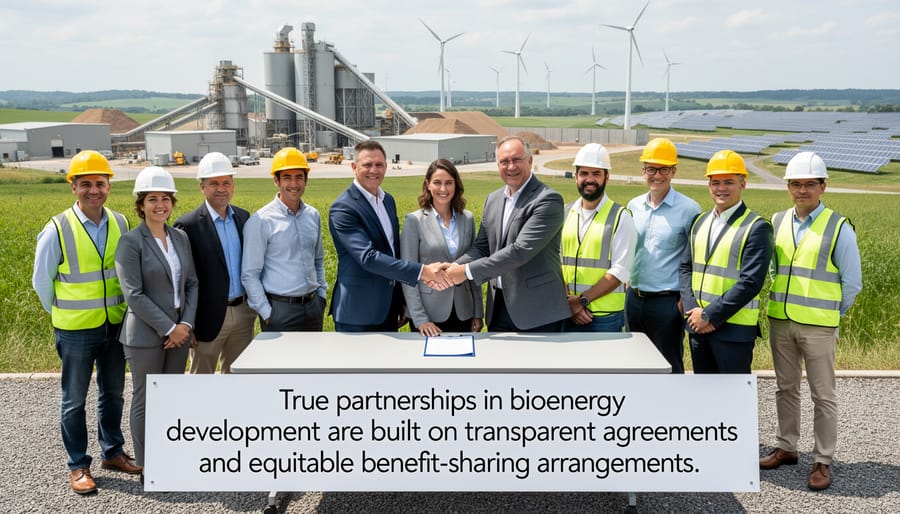
Benefit sharing deserves particular attention here. Fair partnerships ensure that communities receive equitable returns from projects on their lands – whether through employment opportunities, revenue sharing arrangements, or capacity-building programs. These benefits should reflect the actual value created and adapt as circumstances change. When commodity prices shift or project scales expand, the sharing agreements should be revisited and adjusted accordingly.
Indigenous community leadership demonstrates how empowering communities to take active roles in project governance strengthens both consent and outcomes. This might include Indigenous representation on project boards, community-led monitoring of environmental impacts, or co-management arrangements.
Equally important is sharing risks transparently. If market conditions change or environmental challenges emerge, communities deserve honest updates and meaningful input into how challenges are addressed. This builds trust and ensures that when unexpected hurdles arise, you’re tackling them together rather than creating new grievances.
The commitment to FPIC means recognizing that consent can be modified or even withdrawn if circumstances change significantly, making ongoing engagement essential for lasting success.
The path forward is clear: respecting Free, Prior and Informed Consent isn’t simply about ticking boxes or meeting legal obligations. It’s about recognizing that Indigenous communities are essential partners in creating a renewable energy future that actually works for all Australians. When we embrace FPIC genuinely, bioenergy projects become stronger, more sustainable, and more successful. They benefit from thousands of years of land management wisdom, gain genuine community support, and deliver outcomes that last generations.
Whether you’re a project developer, policymaker, investor, or simply someone who cares about Australia’s energy future, you have a role to play. Industry professionals can make FPIC a non-negotiable part of project design from day one. Policymakers can strengthen legislation that protects Indigenous rights and creates incentives for genuine partnership. Community members can ask hard questions about whether renewable energy projects in their regions truly respect Traditional Owners.
The success stories we’ve explored show what’s possible when Indigenous leadership guides the way. From the innovative biomass facilities on Country to the employment opportunities transforming remote communities, these examples prove that doing things right creates better results for everyone.
Australia stands at a crossroads in our renewable energy transition. We can rush ahead with projects that repeat historical injustices, or we can build something genuinely different. By championing Indigenous rights, knowledge, and leadership through FPIC, we’re not just developing cleaner energy. We’re creating a future where sustainability and justice walk hand in hand, where the oldest living culture on Earth helps guide us toward solutions that honour both people and planet. That’s the Australia worth building.