
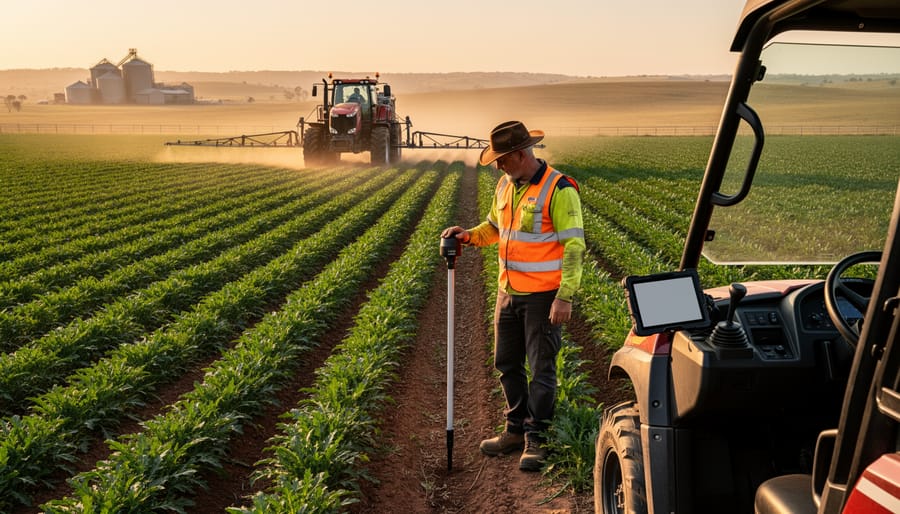
Australian agriculture businesses are experiencing a quiet revolution. Artificial intelligence has moved from experimental trials to proven profit centres, delivering measurable returns that directly impact the bottom line. Right now, farmers across the country are using AI-powered tools to increase yields by 15-30%, reduce input costs by up to 25%, and make decisions that used to require decades of experience.
The transformation isn’t coming. It’s already here. Precision agriculture platforms now analyse satellite imagery, soil sensors, and weather data in real time to tell you exactly when to irrigate, where to apply fertiliser, and which paddocks need attention first. Computer vision systems can identify crop diseases three weeks before they’re visible to the human eye, saving entire harvests. Autonomous machinery operates around the clock, cutting labour costs while maintaining quality that matches or exceeds manual operations.
What makes 2026 different is accessibility. The technology that once required six-figure investments now starts at prices comparable to a new tractor. Government support programs are backing early adopters, particularly those integrating sustainable practices into their operations. The farms seeing the strongest returns aren’t necessarily the largest ones. They’re the ones treating AI as a business decision, not a technology experiment.
This isn’t about replacing farming knowledge with algorithms. It’s about amplifying that knowledge with tools that process information faster and spot patterns humans simply can’t see. The agriculture businesses thriving today are combining traditional expertise with smart technology to create operations that are more profitable, more resilient, and better positioned for whatever climate and market conditions lie ahead.
The Business Case for AI-Powered Agriculture
From Cost Center to Profit Driver
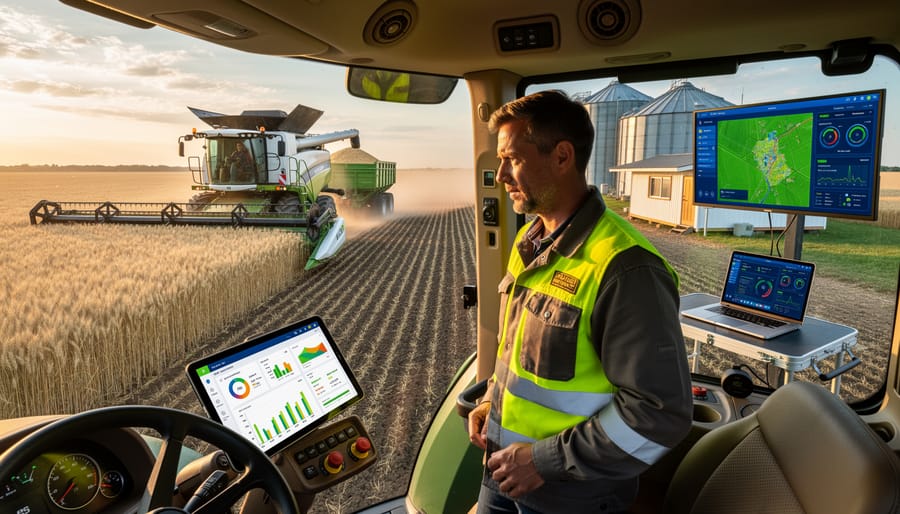
Traditional farming expenses once viewed as unavoidable costs are now becoming investment opportunities that generate measurable returns. Australian grain growers using AI-powered soil sensors have cut fertilizer spending by 20 to 30 percent while maintaining yields, turning input costs into precision investments. One Queensland cotton operation reduced water use by 25 percent through AI-driven irrigation scheduling, saving thousands in pumping costs while improving fiber quality and commanding premium prices.
The shift happens when farmers stop buying inputs based on averages and start applying them based on real-time field data. AI systems analyze variables like soil moisture, nutrient levels, and weather patterns to recommend exactly where and when to apply resources. A Western Australian broadacre farm using AI crop monitoring identified underperforming zones that were draining profits through wasted inputs, then adjusted their strategy to focus resources on high-performing areas, improving their overall margin by 18 percent in the first season.
These aren’t distant possibilities. Australian farms operating on typical margins of 10 to 15 percent find that even modest efficiency gains create substantial bottom-line impact. The technology transforms guesswork into data-driven decisions, turning every dollar spent on seed, water, and fertilizer into a strategic choice rather than a fixed cost. For agriculture businesses exploring these tools, the return often appears within the first growing season through reduced waste and optimized resource allocation.
Meeting Market Demands for Sustainable Produce
Consumers increasingly want proof their food was grown sustainably, and regulations in export markets are tightening around chemical use and environmental impact. AI gives agriculture businesses the documentation and verification systems to meet these demands, turning compliance into competitive advantage.
Sensors and satellite monitoring provide verifiable data on water use, fertilizer application, and carbon footprint throughout the growing season. When precision agriculture optimizes inputsfarms reduce chemical runoff while maintaining yields, creating products that qualify for premium sustainable certifications. Several Australian grain producers now use AI-generated reports to access European markets that require detailed environmental credentials.
The technology also helps farms capture premium prices for sustainably grown produce. Retailers and food processors increasingly pay more for crops with verified low-impact growing practices, and AI systems provide the audit trail buyers demand. For operations growing biomass for bioenergy, this same verification demonstrates the genuine environmental benefits of the fuel produced, strengthening the business case for both farming and renewable energy markets.
AI Technologies Transforming Agriculture Business Operations
Smart Crop Monitoring and Yield Prediction
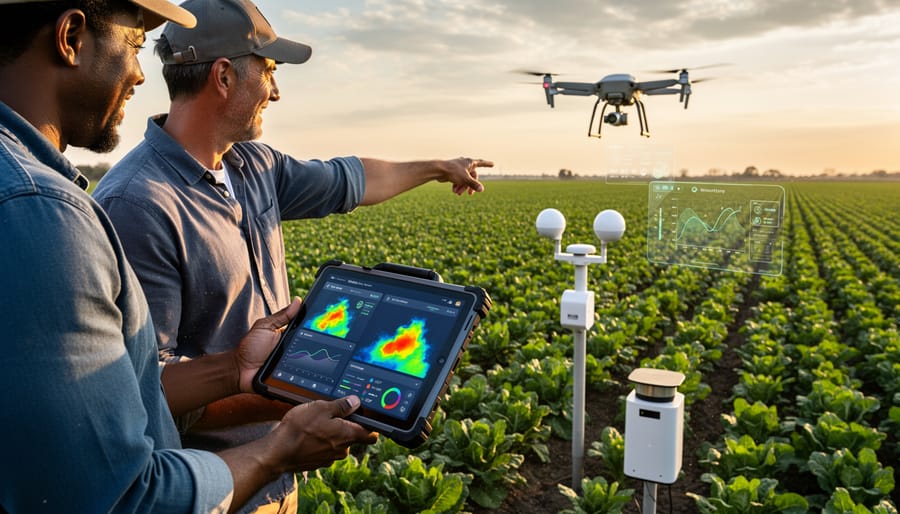
AI-driven monitoring systems give agriculture businesses unprecedented visibility into crop health and production forecasts. Using precision agriculture technologies, farmers can now track vegetation indices, soil moisture, and stress indicators across entire properties in real time. Satellite imagery combined with ground-based sensors creates detailed field maps that reveal performance variations down to individual paddocks or rows.
The commercial advantage is timing. Advanced satellite-driven yield prediction models analyze weather patterns, growth rates, and historical data to forecast harvest volumes weeks ahead. This forward visibility helps agriculture businesses secure better prices through informed contract negotiations and optimize logistics before harvest begins. Some Australian grain growers are already using these systems to adjust nitrogen applications mid-season, capturing yield improvements of 8-12% while cutting fertilizer waste.
Rather than reacting to problems after they appear, AI alerts businesses to emerging issues like pest pressure or nutrient deficiency when intervention costs less and outcomes improve. This shift from reactive to predictive management directly impacts the bottom line, particularly for high-value crops where timing can mean the difference between premium and standard grades.
Precision Resource Management
AI-driven resource management tackles the biggest cost drains in agriculture business: water, fertilizer, and energy. Smart irrigation systems analyze soil moisture, weather forecasts, and crop water needs in real time, delivering water precisely where and when it’s needed. Australian farms using these systems report water savings of 20-30% while maintaining yields, a critical advantage during drought conditions.
Fertilizer application gets similar treatment. AI models process soil data, satellite imagery, and historical yield maps to create variable-rate application plans that match inputs to actual field conditions. This prevents over-application in areas with sufficient nutrients while addressing genuine deficiencies elsewhere, cutting fertilizer costs by up to 25% and reducing nutrient runoff that harms waterways.
Energy optimization extends across operations, from powering equipment during off-peak electricity hours to optimizing drying and storage systems. For agriculture businesses growing biomass crops for bioenergy, AI helps balance resource inputs to maximize both primary yields and residue production without depleting soil health. The result is leaner operations that protect margins while supporting sustainability commitments that increasingly influence market access.
Automated Equipment and Robotics
Autonomous tractors, robotic harvesters, and AI-guided drones are no longer science fiction for agriculture businesses, they’re practical solutions to Australia’s persistent labor shortages. A robotic lettuce harvester can work 24 hours straight during peak season, eliminating the scramble for seasonal workers and reducing harvest losses from timing delays. Automated irrigation systems adjust water delivery field by field based on real-time soil moisture data, cutting labor costs while improving crop outcomes. The business case is compelling: while upfront investment runs high, most automated systems pay for themselves within three to five seasons through labor savings and increased operational efficiency. For smaller operations, equipment-sharing cooperatives and contractor services are making this technology accessible without requiring full ownership. The key consideration isn’t whether to automate, but which processes deliver the fastest return for your specific operation and scale.
Success Stories: Australian Agriculture Businesses Leading with AI
Australian agriculture businesses are proving that AI adoption isn’t just theoretical. Real farms across the country are seeing measurable results that translate directly to their bottom line.
In Western Australia’s wheat belt, a mid-sized grain operation cut water usage by 28% while increasing yield by 12% using AI-powered soil moisture sensors and predictive irrigation scheduling. The system analyzes weather forecasts, soil data, and crop growth stages to determine optimal watering times, reducing waste and energy costs. What surprised the farm manager most was how quickly the technology paid for itself, the return on investment came within 18 months, not the three to five years initially expected.
We thought AI would be complicated to integrate, but the real game-changer was seeing our diesel costs drop by 34% once the system optimized our equipment runs across the property.
A Queensland cattle station implemented AI-driven livestock monitoring that tracks individual animal health through sensors and computer vision. The system alerts staff to potential illness days before visual symptoms appear, dramatically reducing veterinary costs and livestock losses. The station saved over $47,000 in the first year while improving animal welfare outcomes, a dual benefit that resonates with consumers and retailers demanding higher welfare standards.
In Victoria’s dairy region, a cooperative of smaller farms pooled resources to deploy drone-based AI crop monitoring. The shared system analyzes pasture quality and growth rates across multiple properties, helping farmers optimize grazing rotations and supplementary feeding. Members report feed cost reductions averaging 19% while maintaining milk production levels, proving that AI solutions needn’t require massive individual investment to deliver results.
Perhaps most encouraging is a South Australian mixed farming operation that integrated AI into its biomass management strategy. By using machine learning to predict optimal harvest timing for energy crop yields, the farm now supplies consistent, high-quality feedstock to a local bioenergy facility. This creates a reliable secondary revenue stream that insulates the business from commodity price swings in traditional agricultural markets.
The common thread across these successes? Each business started small with pilot programs, focused on solving specific operational challenges rather than wholesale transformation, and built confidence through measurable wins before expanding their AI implementation.
Global Opportunities and Programs for Agriculture Business Innovation
Australian agriculture businesses exploring AI don’t need to go it alone. A growing network of international programs and funding opportunities has emerged specifically to support agribusiness innovation, connecting farmers and agritech companies with expertise, markets, and capital.
The Innovate UK Global Incubator Programme stands out as a particularly valuable resource. This agri-tech focused initiative provides fully funded market exploration trips to Canada, with visits scheduled for April and July 2026. Innovate UK covers flights, accommodation, in-market travel, and conference fees for successful applicants, removing the financial barrier that often prevents smaller agriculture businesses from pursuing international opportunities. These missions connect Australian agribusiness owners with Canadian partners, investors, and research institutions leading AI implementation in farming.
Industry events provide another avenue for agriculture businesses to learn about AI applications and forge connections. The World Agri-Tech Innovation Summit in San Francisco brings together agribusiness leaders, technology providers, and investors focused on practical farming innovations. These gatherings offer concentrated exposure to emerging AI tools, case studies from farms similar to your operation, and potential partnerships that can accelerate your adoption timeline.
Closer to home, workshops targeting specific regions are emerging. An AI-Driven Solutions for Agricultural Advancement workshop ran on 16th January 2026, demonstrating the growing emphasis on making AI accessible to agriculture businesses across different markets and scales.
Beyond formal programs, industry associations and state agriculture departments increasingly offer pilot funding and advisory services for farms implementing smart technologies. Many universities with agricultural research programs now partner with commercial operations for AI trials, providing technical support while gathering real-world data. These collaborations give agriculture businesses access to cutting-edge expertise without the full cost of hiring specialized AI talent.
The key is matching the program to your agriculture business goals, whether that’s market expansion, technology adoption, or connecting with potential investors who understand the agribusiness sector.
Building AI Capability in Your Agriculture Business
Starting with AI doesn’t require a complete operational overhaul or a million-dollar budget. Most successful agriculture businesses begin with a clear-eyed assessment of their current challenges and build from there. The key is matching technology to real problems rather than adopting AI for its own sake.
Begin by identifying one or two specific pain points where AI could deliver measurable improvement. Water waste in irrigation? Labor shortages during harvest? Unpredictable pest pressure affecting your biomass yields? Choose issues with clear metrics you can track before and after implementation. This focused approach delivers faster results and builds confidence across your team.
Here’s a practical roadmap for building AI capability:
- Audit your current data collection and storage systems, even if they’re spreadsheets and notebooks, to understand what information you already capture.
- Talk to your agronomist, equipment dealers, and industry networks about AI tools addressing your specific challenge, gathering realistic cost and outcome expectations.
- Start with a limited pilot on a defined area or crop cycle, treating it as a learning investment rather than an all-or-nothing commitment.
- Document results rigorously, tracking both financial outcomes and operational changes, to build your internal business case.
- Engage your team early, explaining how AI supports rather than replaces their expertise, and train them alongside the technology rollout.
Many Australian agriculture businesses find success partnering with university research programs or technology providers offering trial periods. These arrangements reduce upfront risk while providing expert support during the learning curve. The Cotton Research and Development Corporation, for instance, has connected growers with precision agriculture trials that evolved into permanent operations.
Timeline expectations matter. A smart pest control monitoring system might show results within a single growing season, while comprehensive yield prediction models could require two or three years of data collection before reaching full accuracy. Set realistic milestones and celebrate incremental wins.
Consider your infrastructure needs honestly. Some AI applications work with existing equipment and smartphone connectivity, while others require hardware investments or improved internet access. Rural broadband limitations remain real for many Australian farms, though satellite options are expanding. Factor these practical constraints into your planning rather than discovering them mid-implementation.
The Intersection of AI, Sustainable Farming, and Bioenergy
AI’s contribution to sustainable agriculture extends well beyond individual farm profitability. The technology is creating measurable synergies between food production and renewable energy generation that strengthen the entire agriculture business model.
Modern AI systems optimize crops for dual purposes: food or fiber production alongside biomass yields for bioenergy. Machine learning algorithms analyze soil composition, crop rotation patterns, and seasonal weather data to identify which paddocks can produce energy crops without compromising food security. Some Australian wheat growers now use AI to manage crop residue, what was once burned or left to decompose becomes a calculated bioenergy feedstock, generating additional revenue while reducing methane emissions.
The soil health equation matters here. AI-powered monitoring prevents the common pitfall of biomass extraction depleting soil nutrients. Sensors track organic matter levels and microbial activity in real time, telling farmers precisely when residue removal crosses the line from sustainable to damaging. This data-driven approach maintains long-term productivity while supporting local bioenergy facilities.
Water management represents another intersection point. AI irrigation systems reduce water use by up to 30%, which matters tremendously for energy crops grown in marginal areas unsuitable for food production. These crops then fuel regional biogas plants or biomass generators, creating closed-loop systems where the farm both supplies energy feedstock and potentially uses the renewable energy produced.
The business advantage is tangible. Agriculture businesses participating in biomass supply chains access new markets and income streams without abandoning traditional crops. AI makes this diversification practical by managing the complexity, tracking which fields can sustainably contribute biomass this season, calculating optimal harvest timing for both yield and energy content, and ensuring the core agricultural operation remains profitable throughout.
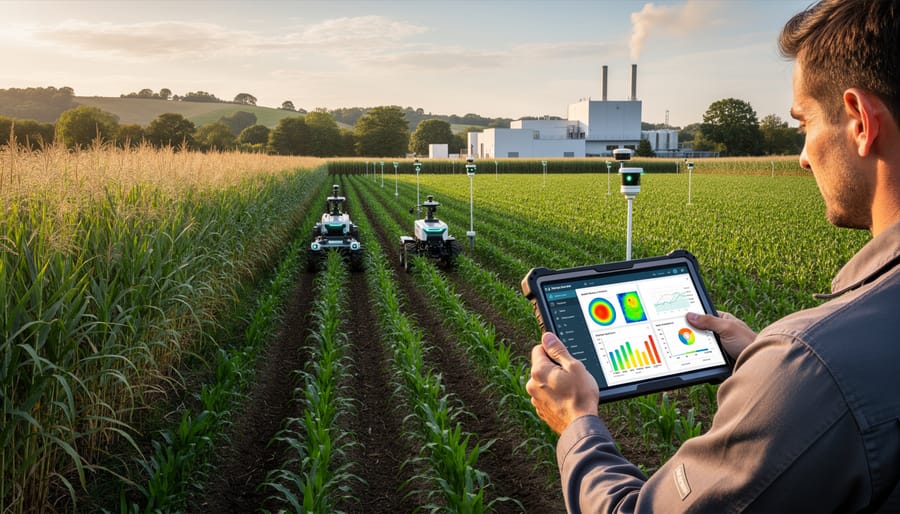
The transformation of agriculture business through AI represents more than technological advancement, it’s a pathway to lasting profitability and environmental stewardship. Australian agribusinesses that embrace these tools gain competitive advantages in efficiency, sustainability credentials, and market positioning. The connection between smart farming and renewable energy creates multiple revenue streams, from optimized biomass production to carbon farming opportunities, all while improving soil health benefits.
The resources exist to begin this journey today. Programs like Innovate UK’s Global Incubator Programme offer funded pathways to international expertise, while industry events provide practical knowledge sharing. Start with one manageable pilot project, perhaps precision irrigation or crop monitoring, and build capability from there.
As AI and clean energy continue reshaping agriculture, the question isn’t whether to adopt these technologies but how quickly you can leverage them to strengthen your operation’s resilience and profitability in 2026 and beyond.