
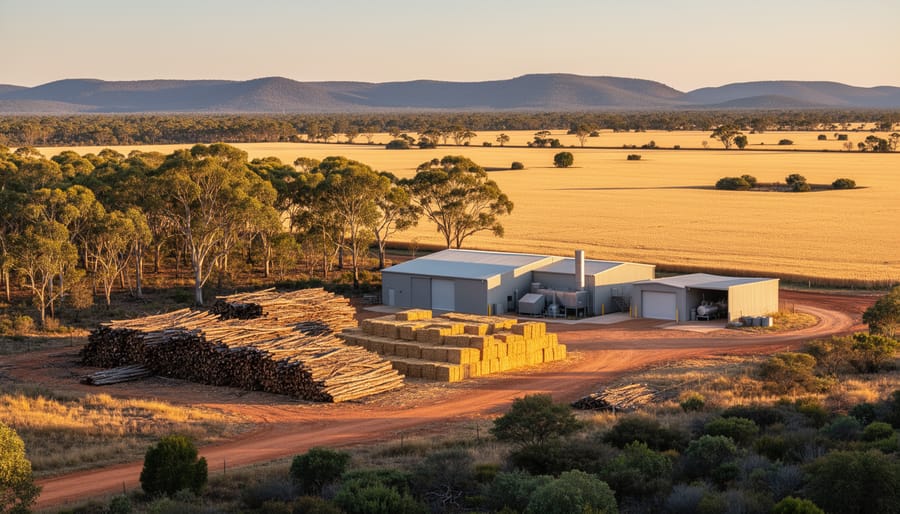
Australia’s landscape tells a remarkable story through nine distinct biomes, each holding untapped potential for sustainable energy generation. From the eucalypt-rich forests of the southeast to the spinifex grasslands of the interior, these diverse ecosystems present unique opportunities to harvest biomass while protecting the biodiversity that makes our continent extraordinary.
Understanding how each biome functions as both a natural treasure and a renewable energy resource transforms how we approach Australia’s clean energy future. The tropical rainforests of Queensland store different biomass types than the temperate woodlands of Victoria, requiring tailored harvesting approaches that respect ecological boundaries. Similarly, the mulga scrublands and mallee communities offer agricultural residues and purpose-grown crops that can fuel regional energy systems without compromising habitat integrity.
The integration of biomass management across these nine biomes isn’t simply environmental theory—it’s happening right now. Victorian farmers are converting forest thinnings into electricity while reducing bushfire risk. South Australian grain growers are transforming wheat stubble into biofuel, creating additional income streams while improving soil health. Western Australian sandalwood plantations demonstrate how native species cultivation can satisfy both conservation and energy goals simultaneously.
This article maps practical pathways for extracting sustainable energy from each biome type, balancing Australia’s renewable energy ambitions with our responsibility as custodians of unique ecosystems. The solutions exist within our landscapes—we simply need to recognize and responsibly harness them.
Why Australia’s Biomes Matter for Renewable Energy
Australia’s extraordinary landscape tells a story of remarkable diversity—from the lush rainforests of Queensland to the arid deserts of the Red Centre. Each of these distinct biomes produces organic material in unique ways, creating opportunities for renewable energy that are as varied as the ecosystems themselves. Understanding this connection between biome type and biomass potential isn’t just good science; it’s essential for building a sustainable energy future that works with nature, not against it.
Think of it this way: a eucalyptus forest produces entirely different organic matter compared to a wetland system or grassland. These differences matter enormously when we’re considering diverse biomass sources for energy production. Eucalyptus wood chips offer high energy density, while wetland vegetation might be better suited for anaerobic digestion processes. Matching the right biomass to the right technology means we can generate more energy while using less land and resources.
Here’s where it gets even more important: Australia is home to species and ecosystems found nowhere else on Earth. Without understanding how each biome functions—its growth cycles, its role in supporting native wildlife, and its natural regeneration patterns—we risk damaging irreplaceable habitats in the pursuit of renewable energy. That would be a tragic own goal.
The good news is that when we map biomass opportunities to specific biomes thoughtfully, we discover abundant energy potential that actually enhances ecosystem health. Agricultural residues from pastoral lands, plantation forestry waste, and purpose-grown energy crops in suitable zones can all contribute to our renewable energy mix without threatening native species. This knowledge-based approach transforms bioenergy from a potential threat into a genuine conservation partner.
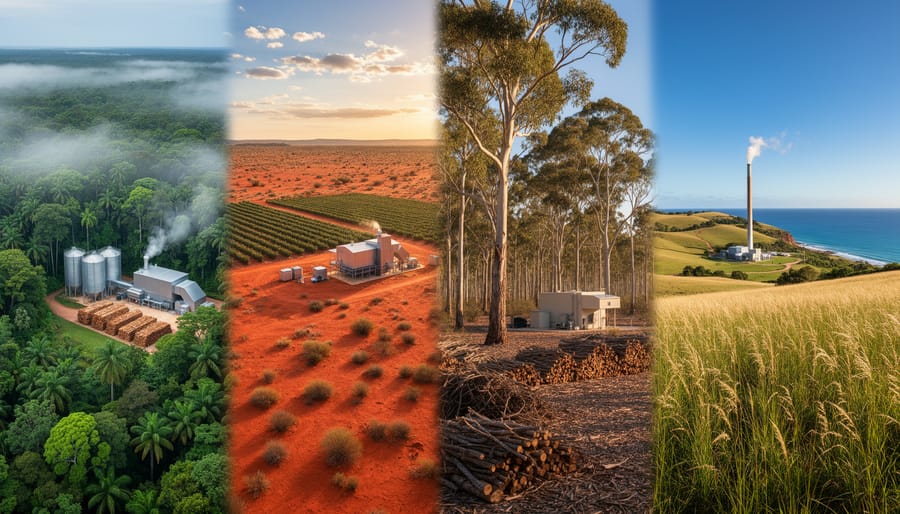
The 9 Biomes: Your Complete Map to Biomass Opportunities
Tropical Rainforests: High-Yield Biomass with Delicate Balance
Australia’s tropical rainforests, particularly those carpeting northern Queensland’s World Heritage areas, represent a bioenergy paradox. These lush ecosystems generate extraordinary amounts of organic matter—branches, leaves, and fallen timber—yet require careful stewardship to maintain their ecological integrity.
The Daintree region offers a brilliant example of this delicate balance. Local communities have developed innovative programs that collect naturally fallen timber and storm-damaged wood without disturbing the living forest canopy. This approach respects the rainforest’s complex nutrient cycles while providing valuable biomass for energy generation. One community-owned facility near Mossman processes approximately 500 tonnes of fallen timber annually, powering local homes whilst maintaining zero impact on standing trees.
Surrounding agricultural areas contribute significantly too. Sugarcane farms neighbouring these rainforests generate substantial harvest residues—bagasse and cane trash—that previously went to waste. Progressive farmers now supply this material to regional bioenergy facilities, creating additional income streams whilst reducing field burning practices that once threatened air quality.
The key to success lies in strict zoning and monitoring. Indigenous ranger groups work alongside environmental scientists to ensure collection activities occur only in designated areas, protecting critical habitat for cassowaries, tree kangaroos, and countless other species. This collaborative model proves that with proper oversight, even our most precious ecosystems can contribute sustainably to Australia’s renewable energy future without compromising their World Heritage values.
Temperate Forests: Australia’s Biomass Powerhouse
Tasmania and Victoria’s temperate forests represent a remarkable intersection of ecological richness and renewable energy potential. These cool, moist woodlands—dominated by eucalypts, mountain ash, and ancient tree ferns—generate substantial timber industry by-products that are increasingly powering local communities without compromising forest health.
The transformation happening at regional sawmills tells an inspiring story. Rather than burning or landfilling timber offcuts, bark, and sawdust, forward-thinking operations are converting these materials into electricity and heat. Mills across Victoria’s Central Highlands now operate biomass boilers that turn yesterday’s waste into today’s clean energy, simultaneously reducing disposal costs and carbon emissions. This practical approach demonstrates how industry and environment can work together rather than in opposition.
Tasmania’s plantation forestry sector has embraced similar innovation. Harvest residues—the branches, tops, and thinnings previously left on forest floors—now fuel dedicated biomass facilities while carefully timed collection protects soil nutrients and wildlife habitat. Biodiversity corridors remain intact, allowing native species to thrive alongside productive forests.
What makes this biome particularly valuable is the balance it achieves. Sustainable forestry practices ensure continuous biomass supply while maintaining the carbon storage, water filtration, and habitat connectivity these forests provide. It’s renewable energy that genuinely renews itself, offering a blueprint for responsible resource management across Australia.
Grasslands and Savannas: The Overlooked Biomass Frontier
Australia’s vast inland grasslands represent an extraordinary yet often underutilized biomass frontier, stretching across millions of hectares from Queensland’s Mitchell grasslands to Victoria’s native temperate plains. These expansive ecosystems generate remarkable seasonal biomass through native grasses, while supporting significant agricultural activity that produces valuable agricultural residues from cereal crops and livestock operations.
Indigenous communities have practised controlled burning for tens of thousands of years, demonstrating how strategic fire management can stimulate grass regrowth while harvesting biomass sustainably. Modern Australian landholders are now combining traditional wisdom with contemporary grazing practices, creating dual-purpose systems where livestock graze seasonal grasses whilst stubble and excess biomass feeds renewable energy projects.
South Australia’s pastoral zones showcase this brilliantly, where stations integrate rotational grazing with biomass collection from wheat and barley stubble. This approach maintains soil health, supports biodiversity corridors, and generates income streams beyond traditional agriculture. The key lies in harvesting only surplus biomass after leaving sufficient residue for soil protection and nutrient cycling, ensuring these grasslands remain productive for generations whilst contributing meaningfully to Australia’s renewable energy transition.
Mediterranean Shrublands: Fire-Safe Energy Solutions
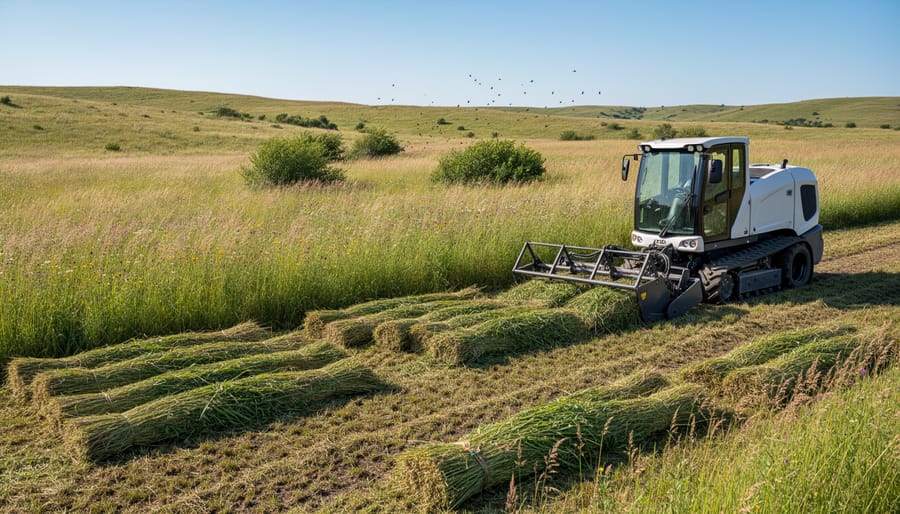
Australia’s Mediterranean shrublands face a double challenge: they’re packed with energy potential yet dangerously fire-prone. The solution lies in turning threat into opportunity. Across South Australia, innovative fuel reduction programs are transforming dense scrub vegetation into valuable bioenergy while creating vital firebreaks that protect communities.
Take the Adelaide Hills, where local councils now partner with bioenergy facilities to collect and process vegetation cleared during bushfire mitigation work. What once went to waste now powers homes and businesses. The process is remarkably straightforward – crews thin out overgrown mallee, coastal shrubs, and understory vegetation during cooler months, creating fuel breaks while harvesting biomass for energy production.
The Kangaroo Island example shows this approach in action. Following the devastating 2019-20 bushfires, the community established a biomass collection program that reduces fuel loads by up to 80 percent in treated areas. The collected material feeds into small-scale energy generation, providing local power while generating employment in fire management.
This isn’t just about energy – it’s about resilience. By managing shrubland biomass strategically, communities create multiple wins: reduced bushfire risk, renewable energy production, and restored ecosystem health. The key is treating fire-prone vegetation as a renewable resource rather than a growing hazard.
Deserts and Arid Zones: Resilient Plants, Resilient Energy
Australia’s deserts might seem like unlikely energy heroes, but these harsh landscapes harbour remarkable biomass potential. Drought-resistant plants like saltbush and spinifex have evolved incredible survival strategies that translate beautifully into sustainable energy opportunities.
Saltbush, thriving across our arid interior, offers a brilliant dual-purpose solution. While providing valuable livestock fodder, pruned material and agricultural residue can be converted into bioenergy without compromising the plant’s regeneration. Several pastoral properties in South Australia are already exploring saltbush harvesting systems that work with natural growth cycles rather than against them.
Desert agricultural waste tells another compelling story. Date palm cultivation in remote regions generates substantial organic residue, whilst native seed harvesting operations produce biomass by-products previously considered waste. These materials are now being recognised for their energy potential.
Perhaps most valuable is the wisdom First Nations communities bring to desert resource management. Indigenous Australians have practiced sustainable harvesting in arid zones for over 60,000 years, understanding precisely how much can be taken without damaging ecosystems. Their knowledge of seasonal cycles, plant regeneration patterns, and fire management offers crucial guidance for developing respectful, sustainable biomass collection in these fragile environments. Collaborating with Traditional Owners ensures we’re not just extracting resources, but managing them with generational thinking that these ancient landscapes deserve.
Tropical Savannas: Seasonal Abundance for Year-Round Power
Australia’s tropical savannas, particularly across the Northern Territory, present a fascinating biomass opportunity driven by dramatic monsoonal cycles. During the wet season, these landscapes explode with growth, producing remarkable quantities of native grasses and woody vegetation that later dry out completely, creating natural fuel loads.
The secret to sustainable harvesting here lies in working with nature’s rhythm. The dry season, typically May through October, offers the ideal window for biomass collection when vegetation has cured naturally and wildlife has moved to permanent water sources. Strategic harvesting during this period can actually reduce bushfire risk while generating renewable energy, creating a win-win for landholders and the environment.
One Northern Territory cattle station has pioneered an innovative approach, collecting dry grass biomass from controlled paddock burns and processing it into fuel pellets. This method maintains the essential fire regime these ecosystems require while capturing energy that would otherwise be lost to smoke.
The key consideration is protecting sensitive breeding periods. Many native species nest during the wet season, so collection activities should pause then regardless. By respecting these natural cycles and maintaining patches of uncut vegetation for habitat corridors, tropical savannas can deliver consistent year-round power while supporting the incredible biodiversity that makes these landscapes uniquely Australian. It’s renewable energy that works with the land, not against it.
Wetlands and Mangroves: Aquatic Biomass Potential
Wetlands and mangroves represent nature’s powerhouses, thriving where land meets water and offering remarkable biomass potential alongside vital ecological services. From the paperbark swamps of Kakadu to the mangrove forests lining Queensland’s coast, these waterlogged ecosystems produce abundant aquatic plants, reeds, and algae that could fuel Australia’s renewable energy future.
Water hyacinth, azolla, and various reed species grow rapidly in wetland environments, with some producing up to 200 tonnes of biomass per hectare annually. The challenge lies in harvesting responsibly. Tasmania’s success in managing Phragmites reed beds demonstrates how careful seasonal harvesting can actually improve wetland health while generating biomass for pellet production.
Mangroves deserve special consideration. While their leaves and pruned branches offer biomass opportunities, these coastal guardians excel at carbon sequestration, storing up to four times more carbon than terrestrial forests. They also serve as nurseries for commercially important fish species, protecting coastal communities from storm surges.
The sweet spot involves selective harvesting of invasive aquatic species and sustainable pruning programs that maintain ecosystem integrity. Several Northern Territory communities now combine traditional custodianship with modern biomass collection, turning wetland maintenance into economic opportunity while preserving these precious landscapes for future generations.
Alpine Regions: Small Scale, Big Impact
Australia’s alpine regions may be our smallest biome, but they’re proving that good things come in small packages when it comes to sustainable energy. High-country vegetation management creates modest yet valuable biomass opportunities while protecting these fragile ecosystems that many Aussies hold dear.
The real winner here is tackling invasive species like blackberries and willow trees that threaten native alpine plants. Rather than letting removed woody weeds go to waste, forward-thinking land managers are converting them into biochar and energy for nearby mountain communities. It’s a practical solution that addresses two challenges at once.
Take the successful programs in Victoria’s High Country, where park rangers partner with local energy cooperatives to transform cleared invasive vegetation into heating fuel for mountain towns. These small-scale operations demonstrate how even limited biomass resources can make meaningful differences in remote areas where transporting conventional fuels proves costly and carbon-intensive.
Alpine biomass management also supports Indigenous land management practices, with Traditional Owners contributing knowledge about sustainable harvesting that’s sustained these environments for thousands of years. While alpine regions won’t power our cities, they’re brilliant examples of how localized renewable energy solutions can strengthen regional resilience and protect irreplaceable ecosystems simultaneously.
Coastal Heathlands: Maintenance Meets Energy Production
Australia’s coastal heathlands present a remarkable opportunity where conservation work directly feeds renewable energy generation. These tough, low-growing plant communities require regular management to prevent wildfire risks and maintain biodiversity, creating a reliable source of biomass that would otherwise go to waste.
Along Victoria’s stunning coastline, several beachside communities have transformed their environmental maintenance programs into energy assets. Councils regularly remove invasive bitou bush and boneseed—aggressive species that threaten native vegetation—and rather than dumping this material, they’re converting it into heating fuel for community facilities. The Surf Coast Shire leads by example, processing coastal vegetation clippings from their 45-kilometer stretch of protected heathland into biomass pellets that power local recreation centers.
In Western Australia, the City of Rockingham has pioneered an inspiring approach. Their coastal restoration teams collect sea spurge and other problem plants during regular beach patrols, then feed this material into a small-scale gasification unit. The energy generated runs beach amenities and outdoor showers, creating a closed-loop system where coastal care directly benefits beachgoers.
These initiatives prove that routine environmental management needn’t be a cost burden. By viewing heath clippings and invasive species as fuel rather than waste, coastal communities are protecting precious ecosystems while reducing their reliance on fossil fuels—a genuine win-win for the environment and local budgets.
Smart Harvesting: Getting Energy Without Harming Ecosystems
Getting the most from Australia’s varied landscapes means thinking like a gardener, not a miner. The best biomass operations understand that healthy ecosystems keep producing year after year, while damaged ones quickly run dry.
Timing makes all the difference. In eucalypt forests across Victoria and New South Wales, smart operators schedule their harvest after autumn leaf-fall, when ground-nesting birds have fledged and before the winter breeding season for many native mammals. This simple shift in calendar dramatically reduces wildlife disruption. Similarly, grassland harvesting in Queensland’s brigalow belt happens after seed-set, allowing native grasses to regenerate naturally.
The golden rule? Leave the good stuff behind. Hollow logs, standing dead trees, and fallen timber aren’t waste—they’re five-star accommodation for everything from possums to pythons. Progressive operations now follow sustainable harvesting practices that protect these critical habitat features. In Tasmania’s wet forests, harvesting crews mark and retain all trees with visible hollows, understanding that these structures take centuries to form and support dozens of species.
Working alongside conservation officers transforms operations from potentially harmful to genuinely beneficial. The Gippsland Regional Bioenergy project exemplifies this approach, partnering with Parks Victoria to thin overgrown vegetation that threatens fire-adapted species while generating renewable energy. Their crews receive regular training on identifying threatened flora and fauna, ensuring swift action when rare species appear.
Western Australia’s wheatbelt offers another inspiring example. Farmers working with local Landcare groups selectively harvest crop stubble while deliberately leaving patches for ground-dwelling birds and beneficial insects. Some have created detailed maps showing seasonal refuges that remain untouched year-round.
These aren’t just feel-good stories—they represent the future of biomass collection. When operations protect biodiversity, they secure their own long-term viability. Healthy ecosystems bounce back faster, produce more consistent yields, and create genuine community support. It’s the classic win-win that happens when we respect the intricate web of life that makes Australia’s biomes extraordinary.
From Bush to Boiler: How Biomass Becomes Your Power
The journey from raw plant material to reliable electricity is simpler than you might think, and Australia’s leading the charge with clever solutions tailored to what each landscape provides.
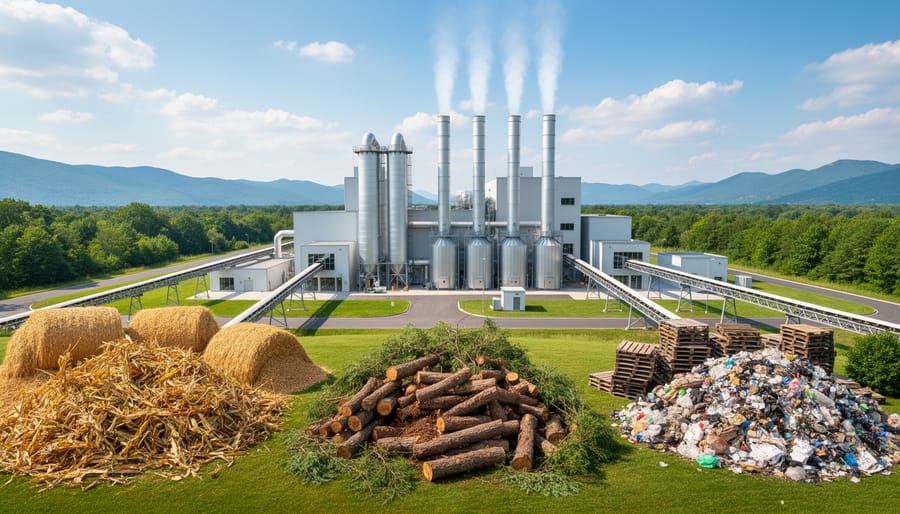
Different biomes produce different types of biomass, so we’ve developed various biomass conversion technologies to match. In our forests and woodlands, direct combustion remains the workhorse technology. Timber mill residues and forestry waste go straight into boilers that generate steam, driving turbines to create electricity. The Tarong Power Station in Queensland has successfully co-fired biomass alongside coal, demonstrating how existing infrastructure can transition toward cleaner energy.
For agricultural regions producing crop residues and animal waste, anaerobic digestion works brilliantly. Microorganisms break down organic material in oxygen-free environments, producing biogas that powers generators. The Cowra Renewable Energy Facility in New South Wales transforms chicken litter into 1.8 megawatts of clean power, enough for thousands of homes while solving a waste management challenge.
Coastal and wetland areas with abundant organic waste benefit from gasification technology, which converts biomass into synthetic gas at high temperatures. This versatile approach handles diverse feedstocks efficiently.
The beauty of these technologies is their flexibility. Whether you’re managing tropical rainforest sustainably, clearing fire hazards from temperate grasslands, or processing sugarcane bagasse, there’s a proven pathway to turn that biomass into valuable energy while supporting local communities and reducing emissions.
The Win-Win: Jobs, Energy, and Thriving Wildlife
When biomass management is done right, everyone benefits – the land, the wildlife, and the people who call these regions home. Across regional Australia, we’re seeing remarkable examples of communities creating meaningful employment while nurturing healthier landscapes and supporting native species.
Take the case of the Central Highlands in Victoria, where landholders are working together to manage woody biomass in their box-ironbark forests. By carefully harvesting excess growth and woody debris, they’re reducing fire risk whilst creating paid work for local contractors. The thinning allows remaining trees to flourish, and native birds like the critically endangered swift parrot now have better access to flowering eucalypts. Local landholder Margaret Chen says, “We’re not just clearing bush – we’re giving it breathing room. I’ve seen more native orchids this year than in the past decade.”
In Western Australia’s wheatbelt, farmers are converting mallee eucalypt biomass into renewable energy whilst tackling salinity problems. The Wheatbelt Biomass Project has created over 40 jobs in harvesting, processing, and transport. Importantly, the selective harvesting maintains habitat corridors for endangered numbats and malleefowl. Project coordinator Dave Robertson notes, “The triple win keeps everyone engaged. Farmers earn income from previously unproductive land, towns get employment, and we’re seeing wildlife bounce back.”
Queensland’s grazing communities are similarly benefiting from managing woody thickening in grasslands. The controlled biomass removal opens up country for native grasses, providing better habitat for threatened species like the northern quoll, while employing Indigenous rangers who bring traditional fire management knowledge. These living examples prove that biomass management, done thoughtfully across our diverse biomes, creates prosperity that flows through entire communities whilst nurturing the natural systems we all depend upon.
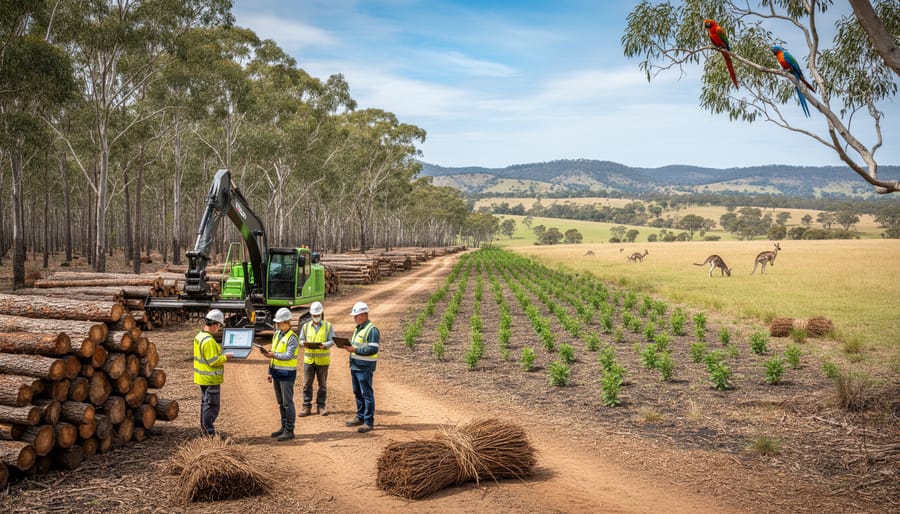
Australia’s journey toward energy independence isn’t just about technology—it’s about understanding the extraordinary natural wealth beneath our feet and growing all around us. From the towering karri forests of the southwest to the resilient spinifex grasslands of the interior, each of our diverse biomes offers unique opportunities to generate clean, renewable energy while nurturing the landscapes we cherish.
The path forward is clear and incredibly exciting. Whether you’re a landholder with paddock waste, a council managing urban green spaces, or an industry leader seeking sustainable solutions, your local biome holds untapped potential. The beauty of biomass is its accessibility—it’s not confined to remote solar farms or coastal wind installations. It’s right here, in the agricultural residues, forestry by-products, and organic materials that exist in every corner of our continent.
Now is the time to get curious. Talk to local growers who’ve already embraced biomass. Investigate what resources your region produces naturally. Connect with organizations pioneering bioenergy in your area. Every conversation, every small action, contributes to a larger transformation.
Imagine an Australia where energy security grows from the ground up, where regional communities thrive on local resources, and where our unique ecosystems aren’t just protected—they’re celebrated as pathways to prosperity. That future isn’t decades away. It’s taking root right now, waiting for more Australians to join the movement.