
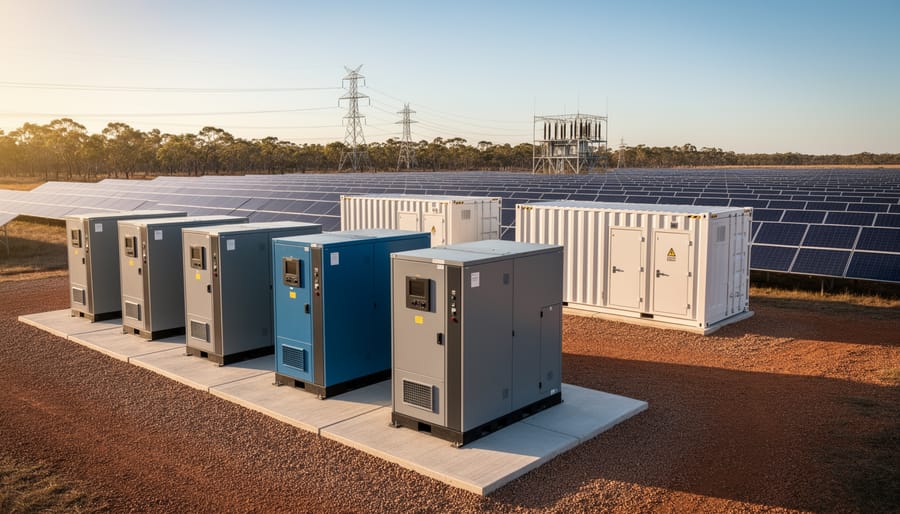
Australia’s electricity grid is undergoing its most dramatic transformation in a century, and three-phase inverters sit at the absolute heart of this revolution. As coal-fired power stations retire across New South Wales, Queensland, and Victoria, these sophisticated devices are becoming the primary interface between renewable energy sources and our national grid. Unlike the traditional rotating generators that have powered Australian homes for generations, three-phase inverters convert DC electricity from solar farms and battery storage into the precise AC power our grid demands—but they behave fundamentally differently when faults occur, creating unprecedented protection challenges.
Consider what happened during South Australia’s grid transformation. As wind and solar capacity exceeded 70 percent of generation, protection systems designed for conventional power plants began triggering incorrectly, threatening grid stability. The solution required adaptive protection systems that could distinguish between inverter responses and traditional fault currents, responding in milliseconds rather than the conventional protection timeframes. This isn’t just a South Australian challenge—it’s the future for every state as we race toward net-zero emissions.
Three-phase inverters differ critically from synchronous generators in their fault current contribution, typically providing only 1.2 to 2 times their rated current compared to 5 to 10 times for traditional generators. This seemingly technical detail fundamentally disrupts how protection relays detect faults, coordinate with upstream devices, and maintain selective tripping. For renewable energy developers, grid operators, and electrical engineers navigating this transition, understanding adaptive protection systems isn’t optional—it’s essential for keeping Australia’s lights on while achieving our ambitious renewable targets. The stakes are enormous, but the pathway forward is increasingly clear, with innovative Australian projects already demonstrating successful solutions.
What Makes 3-Phase Inverters Essential for Modern Renewable Energy
From Paddock to Power Grid: How the Conversion Works
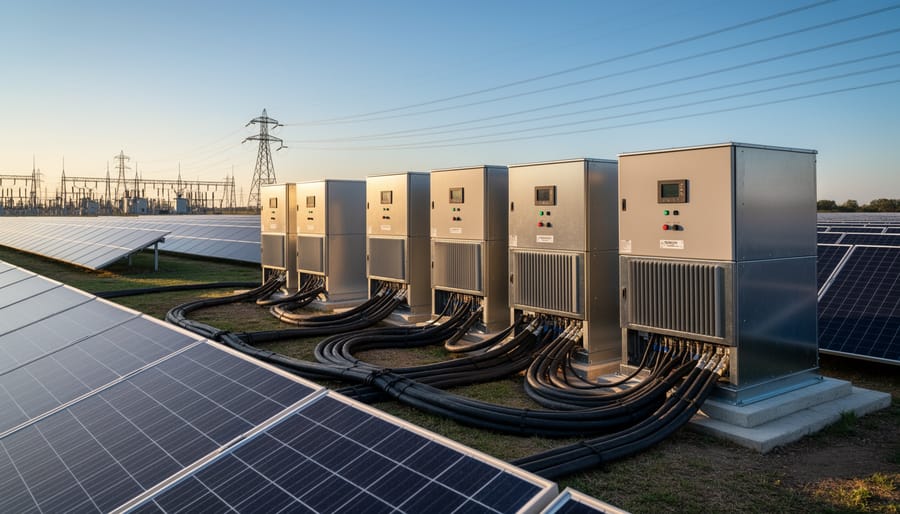
Picture a solar array sprawling across a Queensland cattle station or a biomass facility processing sugarcane waste in the Bundaberg region. These installations generate direct current (DC) electricity, but your home appliances, local businesses, and the broader grid all run on alternating current (AC). That’s where 3-phase inverters become the unsung heroes of Australia’s renewable energy story.
The conversion process is remarkably elegant. DC power flows into the inverter, where clever electronics rapidly switch the current on and off, creating pulses. These pulses are then smoothed and shaped into three separate AC waves, each offset by 120 degrees. Think of it like three coordinated dancers moving in perfect rhythm but starting their routine at slightly different times. This arrangement delivers more consistent, efficient power than single-phase systems.
At regional installations like NSW’s biomass plants converting agricultural residue into electricity, 3-phase inverters handle substantial loads while maintaining grid stability. They’re equally brilliant at smaller scales, powering irrigation pumps on remote properties where reliability means everything.
The real beauty lies in their adaptability. Modern 3-phase inverters don’t just convert power; they actively communicate with the grid, adjusting voltage and frequency in real-time. This intelligence becomes crucial as more renewable sources come online across Australia’s vast landscape. Whether it’s a vineyard in the Barossa Valley running on solar or a timber mill in Tasmania generating power from wood waste, these inverters ensure clean energy flows seamlessly into our power network.
Why Three Phases Matter for Stability
Three-phase power systems represent a cornerstone of grid stability, particularly as Australia accelerates its renewable energy transformation. Unlike single-phase systems that deliver power in waves, three-phase inverters distribute electrical load across three separate conductors, each carrying current offset by 120 degrees. This elegant design ensures that power delivery remains constant and smooth, much like three coordinated rowers maintaining steady momentum in a boat.
For renewable energy installations, this balance becomes crucial. When solar farms and bioenergy facilities feed power into the grid, three-phase inverters prevent the voltage fluctuations that could otherwise destabilize network performance. The smart grid technology managing modern networks relies on this predictable power distribution to coordinate thousands of distributed energy sources efficiently.
Australian success stories demonstrate this principle beautifully. Commercial bioenergy operations in regional Queensland have integrated three-phase inverters to deliver reliable baseload power while minimizing grid stress. The balanced load distribution reduces wear on equipment, lowers transmission losses, and provides the stable foundation necessary for integrating variable renewable sources. As more communities embrace clean energy solutions, understanding this fundamental stability advantage helps stakeholders make informed infrastructure decisions that support Australia’s sustainable energy future.
The Grid Protection Challenge Nobody Saw Coming
When Old Protection Systems Meet New Technology
Australia’s grid protection systems were designed decades ago for a very different energy landscape. Traditional coal and gas generators provided something called “rotational inertia” – essentially, massive spinning turbines that acted like flywheels, naturally stabilising the grid when things went wrong. Think of it like steering a large ship versus a speedboat.
Enter three-phase inverters. These clever devices have transformed how we connect solar farms and bioenergy facilities to the grid, but they’ve created a puzzle for our existing protection systems. Unlike their rotating predecessors, inverters respond to faults in milliseconds through electronic switching rather than mechanical movement. They’ve got no physical spinning mass, which means dramatically reduced inertia across the grid.
This creates real headaches. Traditional circuit breakers and relays were calibrated to detect specific fault current patterns – the electrical “signatures” of conventional generators tripping offline. But inverters behave differently. During grid disturbances, they can rapidly limit their output to protect themselves, producing fault currents that look nothing like what protection systems expect to see.
The challenge intensified as South Australia discovered firsthand during its renewable energy transition. Protection relays couldn’t always distinguish between a genuine fault requiring shutdown and normal inverter behaviour during voltage fluctuations. It’s like training a guard dog to recognise one type of intruder, then introducing completely different security threats.
The good news? Australian engineers and energy companies are pioneering adaptive solutions that are writing the playbook for inverter-dominated grids worldwide, turning this challenge into opportunity.
The South Australian Wake-Up Call
South Australia became the proving ground for renewable energy integration when the state hit a remarkable milestone in 2020, generating more than 60% of its electricity from wind and solar. But this achievement came with unexpected challenges that would reshape how we think about grid protection.
On a blustery spring afternoon in 2016, the entire state went dark during a severe storm. The blackout wasn’t just caused by damaged transmission towers—it revealed a critical vulnerability in how traditional protection systems responded to the grid’s increasing reliance on 3-phase inverters from solar and wind farms. When multiple wind farms disconnected simultaneously to protect themselves, the cascade effect caught protection systems off-guard, systems designed for the predictable behavior of spinning turbines at coal plants.
This wake-up call sparked innovation that’s now benefiting the entire country. South Australia invested heavily in adaptive protection technologies that could work harmoniously with inverter-based generation. The Australian Energy Market Operator collaborated with grid operators to develop new technical standards specifically addressing inverter behavior during faults and disturbances.
The results have been transformative. Today, South Australia successfully manages periods where renewables supply more than 100% of instantaneous demand, exporting the surplus to neighboring states. By combining smarter 3-phase inverters with energy storage systems and adaptive protection schemes, the state demonstrates that high renewable penetration isn’t just possible—it’s reliable. This success story provides the blueprint for other regions transitioning to cleaner energy sources, proving that technical challenges can drive genuine innovation when tackled head-on.
Adaptive Protection Systems: The Smart Solution for Smarter Grids
How Adaptive Protection Responds in Real-Time
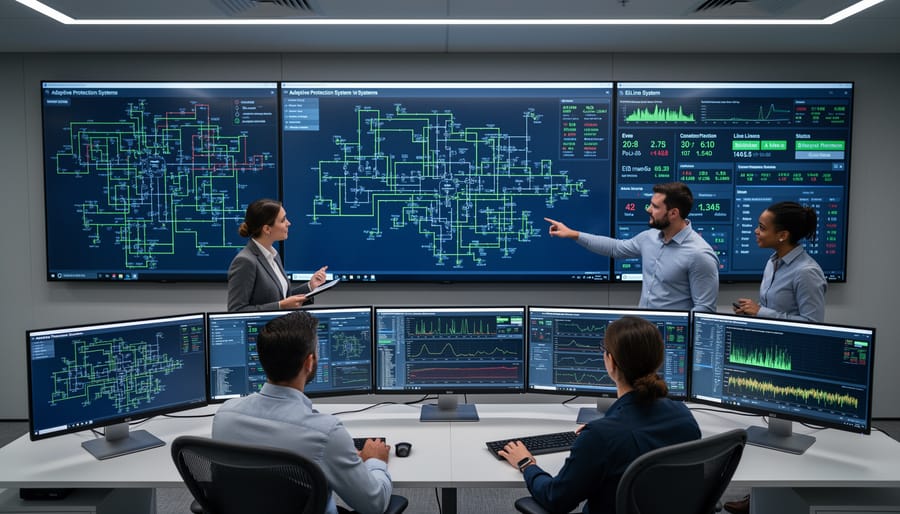
Modern 3-phase inverters equipped with adaptive protection systems act like vigilant guardians of Australia’s renewable energy networks, constantly monitoring and responding to grid conditions in milliseconds. These intelligent systems rely on three core capabilities that work seamlessly together.
Continuous monitoring forms the foundation, with sensors tracking voltage levels, frequency fluctuations, and power quality metrics hundreds of times per second. This real-time data stream enables the system to detect potential issues before they cascade into larger problems. Think of it like having a weather station that doesn’t just report conditions but anticipates storms before they arrive.
When the monitoring system identifies an anomaly, automated adjustments kick in immediately. The inverter can reduce output, modify reactive power support, or temporarily disconnect to protect both itself and the grid. This happens without human intervention, ensuring rapid response times that manual systems simply cannot match. AI-powered grid management enhances these capabilities further, learning from patterns and optimizing responses over time.
Communication between devices represents the third critical feature. At the Darling Downs solar farm in Queensland, multiple inverters share information constantly, coordinating their protective responses. When one unit detects a grid disturbance, it alerts neighbouring inverters within microseconds, enabling a coordinated response that maintains system stability. This interconnected approach has proven particularly valuable during severe weather events, where rapid coordination prevents widespread outages and keeps renewable energy flowing to homes and businesses across regional communities.
Keeping Your Investment Protected
For operators of biomass facilities, solar farms, and agricultural energy producers across Australia, modern 3-phase inverters with adaptive protection systems deliver tangible peace of mind. These intelligent systems safeguard your significant capital investments by detecting potential equipment damage before it occurs, automatically adjusting operating parameters when grid conditions fluctuate unexpectedly.
The practical benefits extend well beyond equipment longevity. When your inverters maintain seamless grid connection during disturbances, you’re protecting your revenue stream. Every minute of lost connection means lost income, whether you’re feeding biogas-generated electricity from a piggery in Queensland or supplying solar power from a regional farming operation.
Agricultural producers who’ve embraced these technologies report fewer emergency callouts and reduced maintenance costs. One Victorian biomass facility noted their adaptive protection system prevented three potentially serious grid disconnections during a particularly volatile month, keeping their operation running smoothly while neighbouring facilities experienced costly interruptions.
For community-scale renewable projects, this reliability builds trust with investors and local stakeholders. You’re demonstrating responsible grid citizenship while maximising the return on your renewable energy investment. The technology essentially acts as an insurance policy that pays dividends through consistent operation, protected infrastructure, and uninterrupted revenue generation.
Success Stories: Adaptive Protection in Action Across Australia
Queensland Biomass Facility Sets New Standard
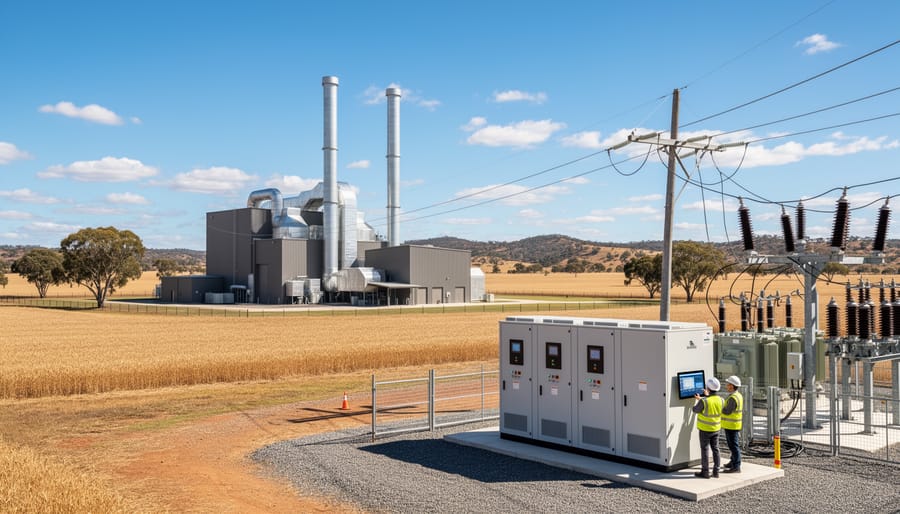
In Central Queensland, the Bundaberg Biorefinery has become a shining example of what’s possible when cutting-edge 3-phase inverter technology meets agricultural innovation. This facility transforms sugarcane bagasse and other agricultural residues into 35 megawatts of renewable electricity, enough to power roughly 25,000 homes while supporting the local sugar industry.
What sets this operation apart is its sophisticated adaptive protection system. The facility’s engineers worked closely with grid operators to implement intelligent 3-phase inverters that continuously communicate with the network. When a brief fault occurred on a neighbouring transmission line last year, the system proved its worth. Rather than disconnecting and causing additional strain, the inverters automatically adjusted their output within milliseconds, maintaining grid stability throughout the event.
The biorefinery’s success has caught the attention of similar operations across the state. Plant manager Sarah Chen explains it simply: “Our inverters think and respond like experienced operators, but thousands of times faster.” The facility now serves as a training ground for other renewable energy projects, demonstrating that agricultural waste-to-energy operations can be reliable, responsive grid participants. This practical application shows regional communities that sustainable energy solutions aren’t just environmentally sound but technically sophisticated and grid-friendly.
Regional Solar Farm Maintains Grid Stability
In regional New South Wales, the Moree Solar Farm demonstrates how large-scale renewable installations can actively strengthen grid stability rather than compromise it. This 56-megawatt facility employs sophisticated 3-phase inverters equipped with adaptive protection systems that respond dynamically to grid conditions in real-time.
When electricity demand surges on scorching summer afternoons, the farm’s smart inverters automatically adjust their output to maintain voltage stability across the network. During brief grid disturbances that once triggered immediate disconnection, the adaptive protection allows the inverters to “ride through” minor fluctuations, keeping power flowing to over 15,000 homes. The system monitors 200 data points per second, making split-second decisions that protect both the solar farm and the broader grid infrastructure.
Local energy operators report that since implementing these advanced inverters, the region has experienced 40 percent fewer voltage-related incidents. The technology proved particularly valuable during a recent heatwave when traditional power stations struggled to meet demand. Rather than adding stress, the solar farm’s intelligent inverters provided critical support, demonstrating how renewable energy can deliver reliability alongside sustainability. This success story offers a blueprint for Australia’s renewable transition, showing that with the right technology, large-scale solar becomes a grid asset rather than a challenge.
Community Energy Projects Leading the Way
Across regional Australia, community-scale renewable projects are proving that adaptive protection systems aren’t just theoretical concepts—they’re enabling real energy independence today. In the New South Wales town of Yackandandah, a community initiative has integrated three-phase inverters with sophisticated protection algorithms to manage their growing solar and bioenergy installations. The system seamlessly coordinates multiple renewable sources while maintaining grid stability, even during peak demand fluctuations.
Similarly, the Margaret River region in Western Australia has established a pioneering project combining bioenergy from local agricultural waste with solar generation. Their adaptive protection system automatically adjusts fault detection settings based on which energy sources are active, ensuring reliable power whether running on biogas, solar, or both simultaneously. This intelligent coordination has reduced grid dependency by 40 percent while maintaining exceptional power quality.
These communities demonstrate how modern microgrid solutions equipped with adaptive protection transform rural energy security. Rather than waiting for centralised infrastructure upgrades, forward-thinking communities are taking control of their energy futures. The success stories emerging from these projects provide valuable blueprints for other regions considering similar transitions, proving that local renewable energy networks supported by smart three-phase inverter technology can deliver both environmental benefits and genuine energy resilience.
Practical Considerations for Australian Energy Projects
What to Look for in Modern 3-Phase Inverters
When selecting a three-phase inverter for today’s renewable energy systems, you’re not just buying equipment—you’re investing in Australia’s energy future. Modern inverters need to work seamlessly with adaptive protection systems that keep our increasingly renewable-powered grids stable and safe.
Look for inverters with advanced grid-forming capabilities. Unlike older grid-following models, these intelligent units can create their own voltage and frequency reference, essentially behaving like miniature power stations. This becomes crucial as coal-fired generators retire and renewable sources take centre stage across regional Australia.
Communication is key. Your inverter should feature real-time data sharing capabilities, allowing it to talk with grid protection systems and respond within milliseconds to changing conditions. Think of it as a conversation between your solar farm or bioenergy plant and the broader electricity network.
Fault ride-through capability matters enormously. Quality inverters stay connected during minor grid disturbances rather than shutting down, which prevents cascading failures. Australian success stories, from large-scale solar farms in Queensland to innovative bioenergy facilities in Victoria, demonstrate how inverters with robust fault management keep power flowing reliably.
Finally, prioritise flexible programming options. As grid codes evolve and protection strategies advance, your inverter should adapt through software updates rather than requiring costly replacements. This future-proofs your investment while supporting Australia’s ambitious renewable energy targets.
Navigating Australian Standards and Grid Codes
Australia’s renewable energy landscape is rapidly evolving, and three-phase inverters must now meet increasingly sophisticated grid connection requirements. The Australian grid standards, particularly AS/NZS 4777.2, establish clear expectations for how inverters interact with the electricity network, covering everything from voltage response to frequency management.
Here’s where adaptive protection truly shines. As grid codes evolve to accommodate higher renewable penetration, these intelligent systems can be updated remotely, ensuring ongoing compliance without costly hardware replacements. This flexibility proved invaluable when new ride-through requirements were introduced, allowing existing installations to adapt seamlessly.
For bioenergy facilities connecting to the grid, understanding these requirements isn’t just about compliance, it’s about being a good grid citizen. Modern three-phase inverters with adaptive protection actively support network stability, automatically adjusting their output during grid disturbances and contributing to overall system resilience.
The beauty of this approach is that it future-proofs your investment. As Australia pushes toward its renewable energy targets, standards will continue evolving. Adaptive protection ensures your system keeps pace, turning regulatory challenges into opportunities for enhanced performance and reliability.
Investment and Returns: The Economic Picture
Investing in 3-phase inverters with adaptive protection might seem substantial upfront, but the economic picture becomes compelling when you examine the full story. Australian renewable energy operators are discovering that these systems deliver returns through multiple channels. Reduced downtime translates directly to increased energy generation revenue, with some solar farms reporting 15-20% improvements in grid availability. The protection against equipment damage alone can save hundreds of thousands in avoided repairs and replacements over a system’s lifetime.
Beyond operational savings, there’s a growing revenue opportunity many Australians aren’t yet aware of. Grid service markets increasingly value the stability that smart inverters provide. Energy operators can now earn income by offering frequency response and voltage support services, turning what was once purely protective equipment into an active revenue generator. One Queensland solar installation recently shared how their enhanced grid support capabilities opened doors to premium power purchase agreements, demonstrating that doing the right thing environmentally can align perfectly with sound business sense.
Australia stands at an extraordinary crossroads in its energy journey. The integration of smart 3-phase inverters with adaptive protection systems isn’t merely a technical upgrade, it’s the foundation for a cleaner, more resilient energy future. As renewable energy sources like solar farms and bioenergy facilities continue to flourish across the continent, these sophisticated technologies are proving themselves as the enablers of transformation rather than simple solutions to existing problems.
The optimistic reality is this: advanced inverter technology is unlocking possibilities that seemed impossible just a decade ago. Communities in regional Queensland are already experiencing the benefits, where upgraded grid protection systems have allowed local bioenergy plants to operate seamlessly alongside residential solar installations. These aren’t isolated success stories, they’re blueprints for nationwide implementation.
Beyond the environmental wins, this technological evolution is creating meaningful employment opportunities. Engineers, technicians, and installers are finding rewarding careers in the renewable energy sector, building expertise that positions Australia as a regional leader in grid innovation. Each smart inverter installed, each protection system upgraded, moves the nation closer to genuine energy independence, reducing reliance on imported fossil fuels while strengthening energy security.
The path forward requires commitment from everyone involved. Industry professionals must prioritize continuous learning and embrace emerging technologies. Policymakers need to support regulatory frameworks that encourage innovation while maintaining safety standards. Together, we’re not just adapting to change, we’re actively creating a sustainable energy future that future generations will inherit with pride. The technology is ready. The opportunity is now. Let’s build the Australia we envision.