
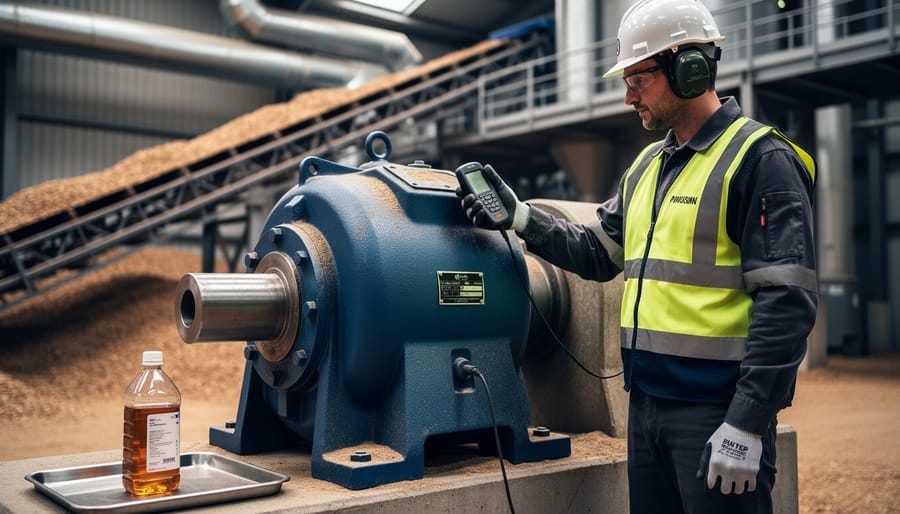
Monitor vibration patterns monthly using predictive sensors to catch bearing wear before catastrophic failure strikes—most gearbox breakdowns in biomass facilities don’t happen suddenly, they announce themselves through subtle frequency changes weeks in advance. Establish oil analysis protocols every 500 operating hours, testing for metal particles, moisture contamination, and viscosity breakdown that signal impending damage. Keep lubricant temperatures below manufacturer specifications, as biomass plants’ dusty environments accelerate thermal degradation that destroys protective oil films. Replace seals proactively when operating in high-humidity conditions typical of Australian coastal facilities, where moisture ingress causes 40% of premature gearbox failures.
Every biomass power station faces a critical reality: gearbox downtime doesn’t just halt electricity generation—it undermines the renewable energy reliability that communities and businesses depend upon. A transmission specialist with biomass experience understands these unique operational stresses differ markedly from conventional power systems, where consistent loads and cleaner environments prevail.
The rotating heart of your biomass facility deserves maintenance strategies matching its importance. These gearboxes convert variable-speed turbine motion into generator-synchronous speeds while enduring temperature swings, vibration from combustion processes, and contaminants from organic fuel handling. When properly maintained, they deliver 20-plus years of reliable service. Neglected, they become expensive bottlenecks threatening your plant’s contribution to Australia’s clean energy transition.
This comprehensive guide walks you through proven maintenance approaches that prevent costly failures, extend equipment lifespan, and keep your renewable energy facility operating at peak efficiency. From daily inspections to strategic overhaul planning, you’ll discover practical methods that protect your investment while advancing sustainable power generation across the nation.
Why Gearbox Health Makes or Breaks Your Biomass Operation
In biomass power facilities, gearboxes serve as the unsung heroes that keep operations running smoothly. These mechanical workhorses perform critical functions throughout the plant, from conveyor systems that transport feedstock to the grinding mills that process organic material, and ultimately to the turbines that generate clean electricity. When a gearbox fails, the entire operation grinds to a halt—quite literally.
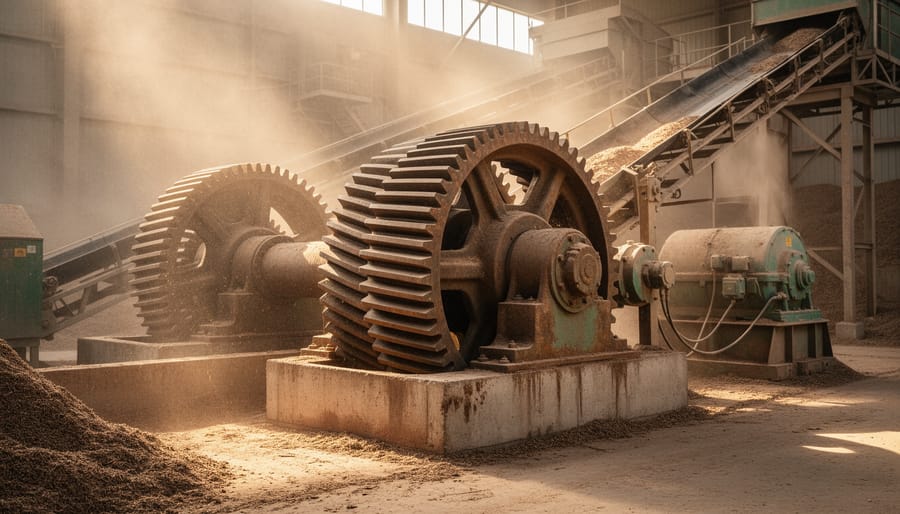
The biomass environment presents a perfect storm of challenges for gearbox health. Unlike conventional power plants, biomass facilities operate in conditions that would make most mechanical engineers wince. Think constant exposure to fine organic dust particles that infiltrate seals, extreme temperature fluctuations as systems heat and cool, and moisture from green feedstock that creates the ideal breeding ground for corrosion. Add vibration from uneven feedstock flow and the abrasive nature of wood chips or agricultural waste, and you’ve got an environment where gearboxes work overtime.
Australian biomass operators know this reality well. A sugar mill in Queensland learned this lesson the hard way when a failed gearbox in their bagasse handling system caused a three-day shutdown during crushing season, resulting in over $200,000 in lost revenue and wasted feedstock. The ripple effects extended beyond finances—that temporary halt meant burning natural gas instead of renewable biomass, defeating the very purpose of their sustainability investment.
The environmental stakes extend beyond individual facilities. As Australia expands its biomass infrastructure investment, ensuring reliable operations becomes crucial for maintaining public and investor confidence in renewable energy. Every hour of unplanned downtime not only costs money but also sends renewable electrons offline, forcing the grid to rely on fossil fuel backup.
Consider this: a typical biomass plant might have fifteen to twenty critical gearboxes operating simultaneously. The failure of just one can cascade through the system, reducing efficiency or stopping production entirely. For a 20-megawatt facility, that translates to roughly 480 megawatt-hours of lost clean energy per day—enough to power approximately 500 homes. Understanding these vulnerabilities isn’t about dwelling on problems; it’s about recognizing opportunities for improvement that strengthen Australia’s renewable energy future.
The Warning Signs Your Gearbox Is Crying Out for Help
What to Listen and Look For During Daily Operations
Your operators are your frontline defenders against gearbox failure, and their daily observations can catch problems before they become costly breakdowns. During regular rounds, encourage your team to trust their senses—unusual sounds, smells, or vibrations often tell the story before instruments do.
Listen for changes in operating noise. A healthy gearbox produces consistent, predictable sounds. Grinding, squealing, or knocking noises signal potential bearing wear or misalignment issues. At the Port Macquarie biomass facility, an attentive operator noticed a slight whining sound during his morning shift and flagged it immediately. Maintenance discovered early-stage bearing deterioration, preventing what could have been a three-day shutdown.
Watch for oil leaks around seals and gaskets. Even small drips deserve attention—they indicate deteriorating seals that will worsen over time. Check sight glasses regularly to ensure oil levels remain stable and the lubricant appears clear without excessive foam or discolouration.
Feel for excessive vibration by placing your hand on the gearbox housing during steady-state operation. Significant changes from normal baseline vibration patterns suggest internal problems developing. Temperature is equally important—while gearboxes run warm, housings too hot to comfortably touch for several seconds indicate inadequate lubrication or overloading.
Monitor pressure and temperature gauges fitted to the system. Simple logbooks where operators record these readings each shift create valuable trend data. Gradual increases in operating temperature, even within acceptable ranges, often predict emerging problems weeks before failure occurs, giving you time to plan preventive action.
Reading the Data: Temperature and Vibration Patterns
Understanding what your monitoring equipment is telling you doesn’t require an engineering degree, just knowing what numbers matter. Think of it like checking your car’s dashboard – you’re watching for warning signs before they become breakdowns.
Temperature readings are your first line of defence. Normal gearbox operating temperatures typically sit between 50-70°C. When readings climb above 80°C consistently, it’s time to investigate. A sudden spike of 10°C or more from your baseline deserves immediate attention – it often signals inadequate lubrication or bearing wear. Modern predictive maintenance technology can now alert you to these patterns automatically, taking the guesswork out of monitoring.
Vibration patterns tell a different story. While some vibration is normal in any rotating equipment, changes matter more than absolute numbers. Establish your gearbox’s baseline vibration signature when it’s running smoothly, then watch for increases. A doubling of vibration levels typically indicates developing problems – misalignment, worn bearings, or gear tooth damage. Listen for changes in sound too; new grinding, whining, or knocking noises accompany problematic vibration patterns.
At Western Australia’s successful Albany biomass facility, operators caught early bearing wear simply by noticing their Monday morning temperature readings creeping up by 5°C over three weeks. That simple observation prevented a costly failure and kept renewable energy flowing to 3,000 homes. Your monitoring equipment works best when someone’s actually paying attention to the trends it reveals.
Your Preventive Maintenance Roadmap

Daily and Weekly Checks That Take Minutes But Save Thousands
Making gearbox maintenance part of your daily routine doesn’t mean dedicating hours to complex inspections. A simple five-minute visual check during your morning rounds can spot the early warning signs that prevent catastrophic failures. Look for oil leaks around seals, listen for unusual noises like grinding or whining, and feel for excessive vibration when standing near the gearbox housing. These basic sensory checks have helped operators at biomass facilities across regional Queensland catch problems before they escalated into costly breakdowns.
Oil level verification takes less than two minutes but remains one of the most valuable checks you’ll perform. Low oil levels account for nearly 40% of premature gearbox failures in biomass applications, yet they’re entirely preventable. Check sight glasses or dipsticks when the system is running at operating temperature, and document any consumption patterns that might indicate internal wear or external leakage.
Weekly temperature monitoring adds another layer of protection with minimal time investment. Many modern biomass plants use infrared thermometers to quickly scan bearing housings and gearbox casings, comparing readings against baseline temperatures. A sustained increase of 10-15 degrees often signals developing problems with lubrication or bearing wear. One facility manager in New South Wales credits this simple weekly ritual with extending their gearbox lifespan by three years, saving approximately $85,000 in replacement costs. These quick checks become second nature once incorporated into shift handovers, creating a culture of proactive maintenance that keeps renewable energy flowing reliably.
Monthly Deep Dives: Oil Analysis and Alignment Verification
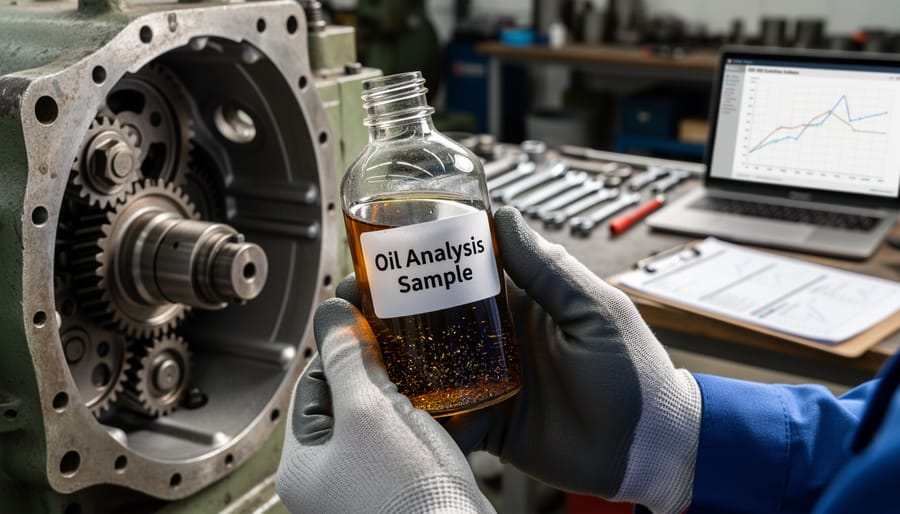
Once a month, it’s time to roll up your sleeves for a deeper inspection that can save you thousands in repair costs down the track. Oil analysis serves as your gearbox’s health check-up, revealing problems before they become catastrophic failures. Take a sample from your gearbox following the manufacturer’s guidelines, typically when the oil is at operating temperature for the most accurate reading.
Send samples to a certified laboratory that can detect wear particles, contamination levels, and oil degradation. At Victoria’s Red Rock Bioenergy facility, monthly oil analysis caught early bearing wear that would have caused a three-week shutdown during peak demand season. The modest cost of testing paid for itself many times over.
During this monthly session, verify shaft alignment using precision tools like dial indicators or laser alignment systems. Even slight misalignment accelerates wear and increases energy consumption. Check coupling conditions and look for unusual vibration patterns that might indicate developing problems.
Document everything you find. Create a maintenance log that tracks oil quality trends, alignment measurements, and any anomalies spotted. This historical data becomes invaluable for predicting component lifespan and planning replacement schedules. Remember, proactive monitoring transforms maintenance from reactive scrambling into strategic asset management, keeping your renewable energy contribution steady and reliable.
Annual Overhauls: When to Strip Down and Rebuild
Planning your annual overhaul is like scheduling a major service for a hardworking ute – you wouldn’t wait until it breaks down on a remote track. The best time to schedule complete gearbox disassembly is during planned facility shutdowns, ideally timed with your biomass feedstock supply cycles or lower energy demand periods.
During a full strip-down, inspect every critical component systematically. Check bearing surfaces for pitting or unusual wear patterns, examine gear teeth for scoring or cracking, and scrutinize seals for degradation. Pay special attention to shaft alignment tolerances and housing integrity. One Victorian biomass facility discovered hairline cracks during their annual inspection that would have caused catastrophic failure within months, saving them weeks of unplanned downtime and substantial repair costs.
Document everything with photos and measurements – this historical data becomes invaluable for predicting future maintenance needs. Consider engaging specialized technicians for complex assessments, as their fresh perspective often catches issues that regular operators might overlook.
Coordinate your overhaul schedule at least six months in advance, allowing time to source replacement parts and arrange specialist support. This proactive approach keeps your renewable energy operation running reliably, ensuring your plant continues delivering clean power to communities when they need it most.
Lubrication: The Lifeblood of Gearbox Longevity
Think of lubrication as the lifeblood flowing through your gearbox – get it right, and your equipment will reward you with years of reliable service. In biomass power plants, where conditions can be particularly demanding, proper lubrication practices aren’t just recommended, they’re absolutely essential.
The dusty, high-temperature environment of biomass operations presents unique challenges that standard industrial lubricants might struggle to handle. When combustion residue and wood particles swirl through the air, they’re constantly seeking entry points into your gearbox. Once inside, these contaminants act like sandpaper, grinding away at precision-machined surfaces and turning perfectly good oil into an abrasive slurry.
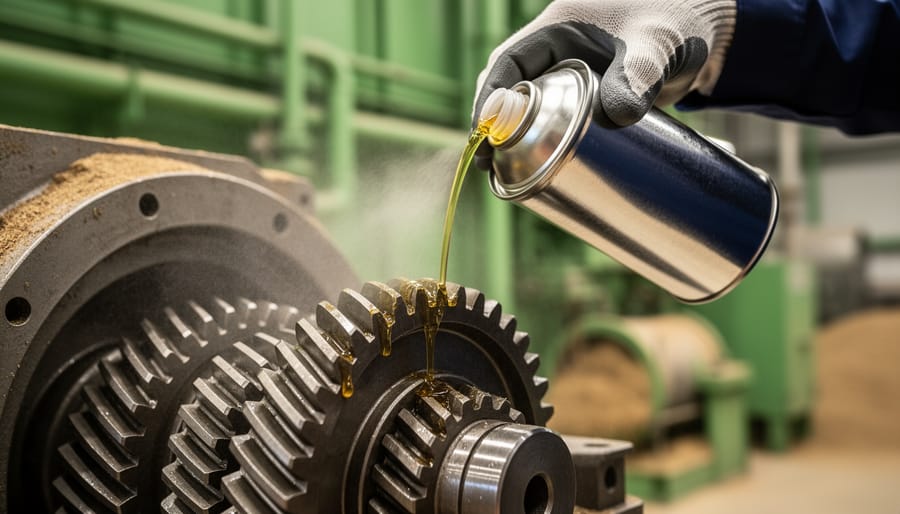
Selecting the right lubricant starts with understanding your operating conditions. High-temperature synthetic oils designed for demanding applications should be your first consideration. These specialized formulas maintain their protective properties even when temperatures climb, resisting oxidation and thermal breakdown far better than conventional alternatives. Look for oils with robust additive packages that include anti-wear agents, rust inhibitors, and foam suppressants specifically formulated for gear applications.
Contamination prevention requires a multi-layered approach. Start with high-quality breather filters that allow pressure equalization while blocking particulates. Regular oil analysis – typically every three to six months – provides early warning of contamination issues before they escalate into expensive failures. This simple practice can save thousands of dollars by catching problems when they’re still manageable.
Here’s where proper lubrication management truly pays dividends: A biomass facility in regional Victoria was experiencing gearbox failures every 18 months, creating costly downtime during peak generation periods. After implementing a comprehensive lubrication program – including upgrading to synthetic oils, installing premium filtration systems, and establishing quarterly oil analysis – their gearboxes are now running strong after five years. The facility manager reported the investment paid for itself within the first year through eliminated breakdowns and extended component life.
Oil change intervals in biomass environments typically fall between 2,000 to 4,000 operating hours, though oil analysis results should guide your specific schedule. Don’t simply change oil by the calendar – let the condition monitoring data tell you when it’s genuinely needed. This approach optimizes both reliability and operating costs, keeping your renewable energy facility running smoothly while minimizing waste.
When Repair Beats Replacement: Making the Smart Call
When your gearbox starts showing signs of wear, you’re facing a significant crossroads. The decision to repair or replace isn’t just about immediate costs—it’s about making the smartest choice for your operation’s future and Australia’s renewable energy landscape.
Start with a thorough cost-benefit analysis. Calculate the repair costs against 60-70% of a new gearbox’s price. If repairs exceed this threshold, replacement typically makes more financial sense. However, factor in lead times too. Imported gearboxes can take 6-12 months to arrive in Australia, whilst local repairs might have your plant running within weeks. That downtime directly impacts your energy output and revenue stream.
Consider the gearbox’s service history. A unit that’s had multiple repairs in recent years is sending you a clear message—it’s reached the end of its reliable life. Conversely, a gearbox with minimal past issues that suddenly develops a specific problem might be an excellent candidate for repair, especially if it’s still within its expected 20-25 year lifespan.
Here’s where supporting Australian businesses creates multiple wins. Local repair services like those in regional Queensland and Victoria have developed impressive expertise in biomass gearbox maintenance. They understand our unique operating conditions—from tropical humidity to outback dust—and can often source or manufacture replacement parts locally. This keeps skilled jobs in Australian communities whilst reducing the carbon footprint associated with international shipping.
Environmental factors matter too. Repairing extends the life of existing equipment, reducing manufacturing demand and waste. It’s the circular economy in action, which resonates strongly with the sustainability principles driving biomass energy adoption.
One Northern Territory plant manager shared how choosing local repair over replacement saved them four months of downtime and supported a regional engineering firm that’s now their go-to maintenance partner. That relationship has proven invaluable for preventive maintenance advice.
The smart call balances immediate costs, long-term reliability, community support, and environmental responsibility—creating value that extends well beyond your facility’s fence line.
Building Your Maintenance Team’s Capability
Building capability within your maintenance team creates lasting value for your biomass operation while supporting local employment. The question isn’t whether to develop in-house expertise, but rather finding the right balance between what your team handles and when to bring in specialists.
Start by identifying core maintenance tasks your operators can master with proper training. Regular inspections, oil sampling, vibration monitoring, and basic adjustments are ideal candidates for in-house development. These frequent activities build familiarity with your specific equipment while reducing reliance on external contractors for routine work.
Australia offers excellent specialized training programs in industrial maintenance and renewable energy systems. TAFEs across Queensland, New South Wales, and Victoria provide courses in mechanical fitting, predictive maintenance, and condition monitoring. Investing in your team’s development creates skilled jobs in regional communities while strengthening your plant’s operational independence.
However, certain tasks demand specialist intervention. Complex gearbox rebuilds, precision alignment requiring laser equipment, or investigations into unusual failure patterns benefit from experts who’ve seen hundreds of similar cases. The key is building strong relationships with reputable repair specialists before emergencies arise. Choose partners who’ll share knowledge rather than guard it, helping your team learn from each interaction.
Document everything your team discovers. Create maintenance logs that capture not just what was done, but why certain decisions were made. This institutional knowledge becomes invaluable when training new staff or troubleshooting recurring issues. Photos, annotated diagrams, and brief video recordings transform individual expertise into team wisdom.
One Victorian plant operator puts it perfectly: “We’ve trained our blokes to be the eyes and ears, but we’re not shy about calling in specialists when needed. That partnership approach keeps us running reliably while building real careers here locally.”
Maintaining your biomass power plant’s gearbox isn’t just about preventing breakdowns—it’s about honouring your commitment to Australia’s clean energy future. Every hour your facility operates smoothly, you’re demonstrating that biomass is a fair dinkum alternative to fossil fuels, proving that renewable energy reliability isn’t just possible, it’s achievable right now.
When your gearbox runs efficiently through proper maintenance, you’re doing more than extending equipment life. You’re keeping local jobs secure, providing consistent clean electricity to Australian homes and businesses, and showing that biomass energy deserves its place in our national renewable portfolio. Each inspection completed, each component replaced before failure, and every hour of training invested strengthens the case for biomass as a dependable energy solution.
The facilities that embrace proactive maintenance culture become success stories that inspire others. They prove that renewable energy can deliver the same reliability communities expect from traditional power sources, without the environmental cost.
So make maintenance excellence your standard practice. Implement those regular inspections, invest in staff training, and partner with specialists who understand your equipment. Your diligence today protects tomorrow’s clean energy supply and demonstrates to policymakers, investors, and communities that biomass deserves backing as a cornerstone of Australia’s sustainable energy future. The planet—and future generations of Australians—will thank you for it.