
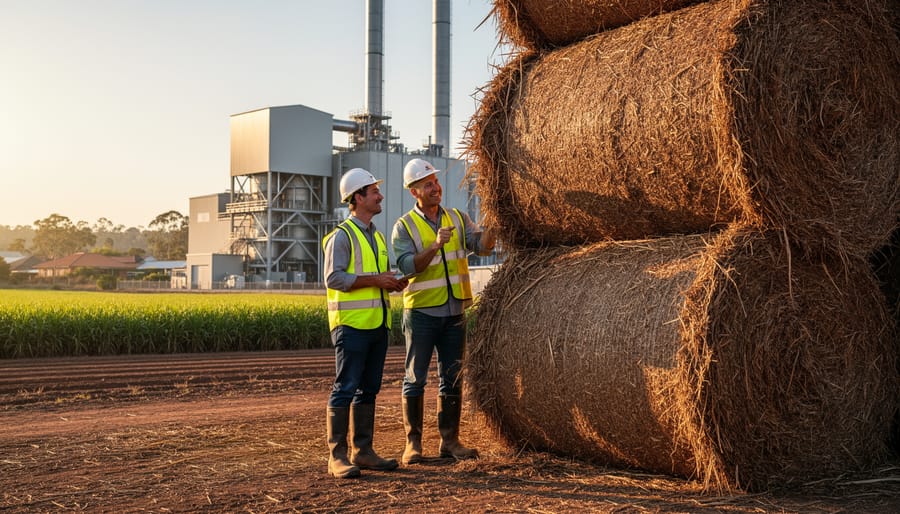
Australia’s bioenergy sector stands at a pivotal crossroads where environmental responsibility meets economic opportunity. As the nation accelerates toward its renewable energy targets, understanding the foundational principles that guide sustainable bioenergy development has never been more critical. These aren’t abstract concepts reserved for academic papers—they’re practical frameworks already transforming how Australian communities, businesses, and governments approach energy production.
The four principles of sustainability—environmental integrity, economic viability, social equity, and institutional effectiveness—form the bedrock of responsible bioenergy development. Together, they ensure that today’s energy solutions don’t compromise tomorrow’s possibilities. Think of them as interconnected pillars: remove one, and the entire structure weakens. When applied thoughtfully, these principles have already enabled remarkable Australian success stories, from sugarcane waste powering regional Queensland communities to innovative projects converting agricultural residues into clean energy across New South Wales.
For policymakers crafting regulations, industry professionals designing new facilities, or environmental advocates pushing for change, these principles provide a shared language and roadmap. They answer essential questions: How do we balance energy production with ecosystem protection? Can bioenergy projects strengthen rural economies while remaining financially sustainable? Who benefits from these developments, and are those benefits distributed fairly? What governance structures ensure long-term success?
This comprehensive guide explores each principle in depth, revealing not just what they mean but how they work in practice. You’ll discover real-world Australian examples demonstrating their application, understand the critical connections between principles, and gain actionable insights for implementation. Whether you’re developing policy, managing projects, or advocating for sustainable energy, these principles offer the framework for building a bioenergy sector that genuinely serves Australia’s environmental and economic future.
The Foundation: What Bioenergy Sustainability Standards Actually Mean
Picture this: a bioenergy plant proudly displays a “sustainable” label, yet its feedstock comes from cleared old-growth forests. Without proper standards, this scenario could be disturbingly common. This is precisely why bioenergy sustainability standards exist—they’re the guardrails that ensure renewable energy projects deliver genuine environmental benefits rather than simply swapping one problem for another.
Think of sustainability standards as a comprehensive rulebook that transforms good intentions into measurable outcomes. Created by international bodies like the Roundtable on Sustainable Biomaterials (RSB) and the International Sustainability and Carbon Certification (ISCC), these frameworks establish clear benchmarks for what truly counts as sustainable bioenergy. They evaluate everything from land use and biodiversity protection to greenhouse gas emissions and social impacts on local communities.
In Australia, our renewable energy landscape operates under robust national policies that complement these international standards. The Australian Renewable Energy Agency (ARENA) and Clean Energy Regulator work together to ensure bioenergy projects meet rigorous criteria before receiving certification or funding. This multi-layered approach creates accountability and transparency.
The real magic happens when these standards prevent greenwashing—that frustrating practice where companies exaggerate environmental credentials. A certified bioenergy facility can’t simply claim sustainability; it must prove it through regular audits, lifecycle assessments, and transparent reporting. For instance, a Queensland sugarcane mill converting bagasse into electricity must demonstrate its operations don’t contribute to deforestation, maintain soil health, and reduce net carbon emissions compared to fossil fuel alternatives.
These standards aren’t about creating bureaucratic hurdles—they’re about building trust. When you see RSB or ISCC certification, you know someone’s done the homework. They’ve traced supply chains, measured carbon footprints, and verified social responsibility practices. This credibility transforms bioenergy from a theoretical climate solution into a reliable, accountable contributor to Australia’s renewable energy future.
Principle 1: Environmental Protection and Carbon Balance
How to Measure Real Carbon Benefits
Understanding the true carbon benefits of bioenergy requires looking beyond the smokestack. Lifecycle assessment is the gold standard for measuring environmental impact, tracking emissions from the moment biomass is grown or collected right through to energy production and ash disposal. This comprehensive approach reveals whether your bioenergy project genuinely reduces carbon or simply shifts it elsewhere.
Carbon accounting in bioenergy considers multiple factors: the carbon absorbed during plant growth, emissions from harvesting and transport, energy used in processing, and the displacement of fossil fuels. The real magic happens when you use waste biomass that would otherwise decompose and release methane, a greenhouse gas far more potent than carbon dioxide. By capturing this waste for energy, you’re actually preventing emissions whilst generating power.
A brilliant example comes from South Australia’s wine region, where grape marc and vineyard prunings once went to landfill. Now, a regional bioenergy facility converts these agricultural residues into renewable electricity. Independent lifecycle assessment showed the project achieves carbon-negative status, removing more greenhouse gases from the atmosphere than it produces. The secret? By diverting organic waste from decomposition and displacing coal-fired electricity, the facility creates a double carbon benefit.
For organisations considering bioenergy, commissioning a proper lifecycle assessment provides credible evidence of environmental benefits. Look for assessors familiar with Australian conditions and standards. These studies not only validate your sustainability claims but often reveal opportunities to optimise operations further, turning good projects into exceptional ones that deliver measurable climate action.
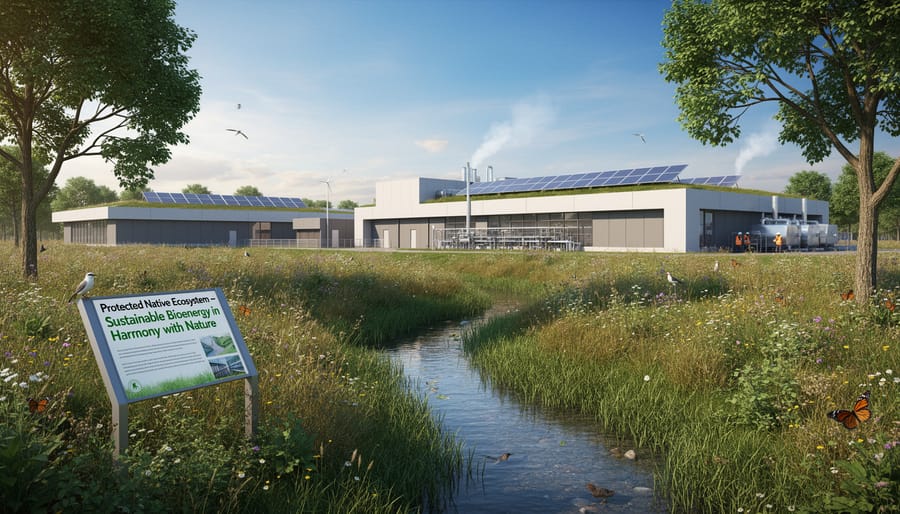
Protecting Native Ecosystems While Producing Energy
One of the biggest concerns around bioenergy has always been land use. Would ramping up renewable fuel production mean clearing precious native bushland or competing with food crops? The good news is that sustainable bioenergy doesn’t require either compromise. When done right, it actually protects ecosystems while generating clean power.
The key lies in using what’s already there rather than growing dedicated energy crops. Australia produces mountains of agricultural waste every year, from sugarcane bagasse in Queensland to wheat stubble across the grain belt. This organic material traditionally ends up burned on fields or left to decompose, releasing greenhouse gases either way. Converting it to bioenergy instead creates value from waste whilst reducing emissions.
Take the success at Rocky Point Sugar Mill in northern New South Wales. They’ve transformed sugarcane waste into enough renewable electricity to power thousands of homes, all without clearing a single hectare of additional land. The cane’s already grown for sugar production, so using the leftover bagasse for energy is a win-win that keeps native vegetation intact.
Similarly, Western Australian wheat farmers are finding innovative ways to use crop residues for energy production rather than leaving stubble to decompose. This approach protects biodiversity by eliminating the need for purpose-grown energy crops that might otherwise encroach on natural habitats.
The forestry sector offers another brilliant example. Sawmill waste and plantation thinnings that once went to landfill now fuel biomass generators across Tasmania and Victoria. These facilities use timber industry by-products exclusively, ensuring no native forests are touched.
By focusing on waste streams and existing agricultural residues, Australian bioenergy projects demonstrate that protecting ecosystems and producing renewable energy aren’t opposing goals. They’re complementary objectives that, with smart planning and technology, can flourish together.
Principle 2: Social Responsibility and Community Benefits
Fair Work and Regional Job Creation
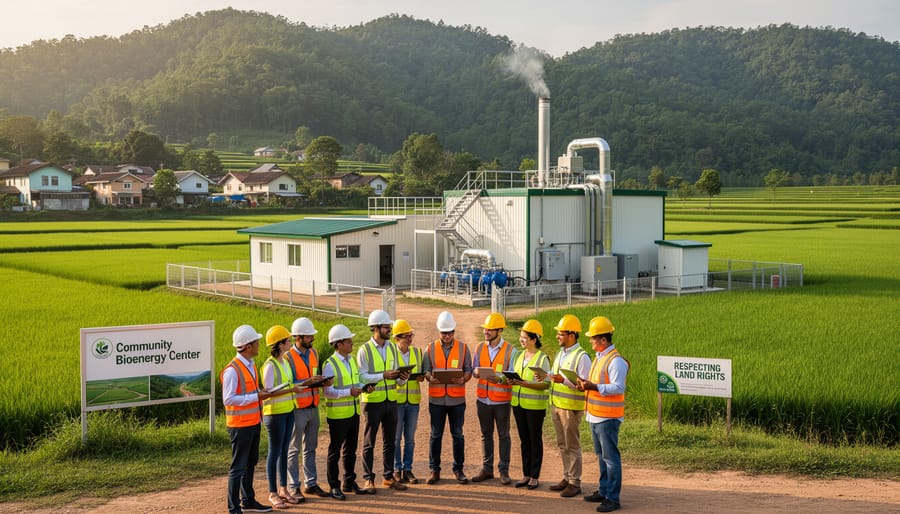
True sustainability isn’t just about environmental protection—it’s about ensuring local communities thrive alongside renewable energy development. The fourth principle of sustainable bioenergy focuses on fair work practices and regional job creation, recognizing that energy transitions must benefit the people who live where these projects operate.
Sustainable bioenergy standards require transparent employment practices, fair wages, and meaningful skill development opportunities that keep economic benefits circulating within regional areas. This means prioritizing local hiring, offering apprenticeships and training programs, and creating long-term career pathways rather than short-term contract work. When combined with robust carbon accounting frameworks, these employment standards ensure communities receive genuine, measurable benefits from hosting renewable energy infrastructure.
The Riverina region in New South Wales showcases this principle beautifully. When a bioenergy facility was established using agricultural waste from local farms, the project prioritized regional employment from day one. Over three years, it created 45 permanent positions ranging from plant operators to logistics coordinators, with 80 percent filled by locals. The facility also partnered with TAFE to develop specialized training courses, upskilling farmworkers interested in transitioning to renewable energy careers.
This approach transformed more than just employment statistics. Young people who’d left for city opportunities began returning home, local businesses flourished with increased spending power, and the community gained confidence in renewable energy’s potential to strengthen regional Australia. That’s sustainability in action—creating prosperity that reaches far beyond the power grid.
Balancing Energy Production with Food Security
The ‘food versus fuel’ debate has long sparked concerns about bioenergy competing with agricultural land needed for food production. However, Australia’s innovative approach demonstrates that we can produce renewable energy without sacrificing food security – it’s about working smarter, not harder.
The key lies in using waste streams and non-food feedstocks. Rather than diverting corn or wheat into fuel production, leading Australian bioenergy projects are turning agricultural residues, food waste, and dedicated energy crops grown on marginal land into valuable energy resources. This approach creates a win-win scenario where farmers gain additional income from materials previously considered worthless while maintaining their core food production.
Take the Southern Oil Refining facility in Bairnsdale, Victoria, which transforms used cooking oil and tallow – materials that would otherwise clog landfills – into biodiesel. Similarly, several Queensland sugar mills now generate electricity from bagasse, the fibrous residue left after crushing sugarcane. These aren’t competing with food crops; they’re adding value to existing agricultural processes.
The innovation extends to growing dedicated energy crops like Pongamia trees on degraded or salt-affected land unsuitable for conventional agriculture. These projects demonstrate how thoughtful planning can expand our productive land use rather than create competition.
By prioritising waste-to-energy solutions and using land strategically, Australia proves that sustainable bioenergy development can complement food production, creating diversified income streams for farmers while addressing our renewable energy goals. It’s not food versus fuel – it’s food and fuel, working together.
Principle 3: Economic Viability and Long-Term Resilience
Making the Business Case Stack Up
Sustainability isn’t just good ethics—it’s increasingly good business. Australian bioenergy projects that embed rigorous sustainability standards into their operations are finding themselves better positioned to attract investment and maintain long-term profitability.
The Australian Renewable Energy Agency (ARENA) and Clean Energy Finance Corporation (CEFC) actively prioritize funding for projects demonstrating strong sustainability credentials. These government bodies recognize that projects meeting high environmental and social standards deliver more reliable returns while contributing to national emissions reduction targets. Meeting certification standards like RSB or ISCC opens doors to concessional finance, grants, and guarantee schemes that significantly improve project economics.
Market mechanisms also reward sustainable practices. The Australian Carbon Credit Unit (ACCU) scheme allows bioenergy projects to generate revenue streams from emissions abatement, while the Renewable Energy Target creates additional value through Large-scale Generation Certificates. Projects using sustainably sourced feedstock can access premium markets willing to pay more for verified green products.
Beyond direct financial benefits, sustainability standards reduce operational risks. They help projects anticipate and manage regulatory changes, avoid supply chain disruptions from poor environmental practices, and maintain social license to operate—crucial in communities where bioenergy facilities operate.
The economic multiplier effect matters too. Sustainable bioenergy projects typically create regional employment opportunities and local supply chains, building community support that translates into stable operations. When projects benefit local economies while protecting environmental assets, they secure the stakeholder backing essential for long-term success.
Smart operators view sustainability standards not as compliance burdens but as competitive advantages that strengthen their bottom line.
Building Projects That Survive Market Changes
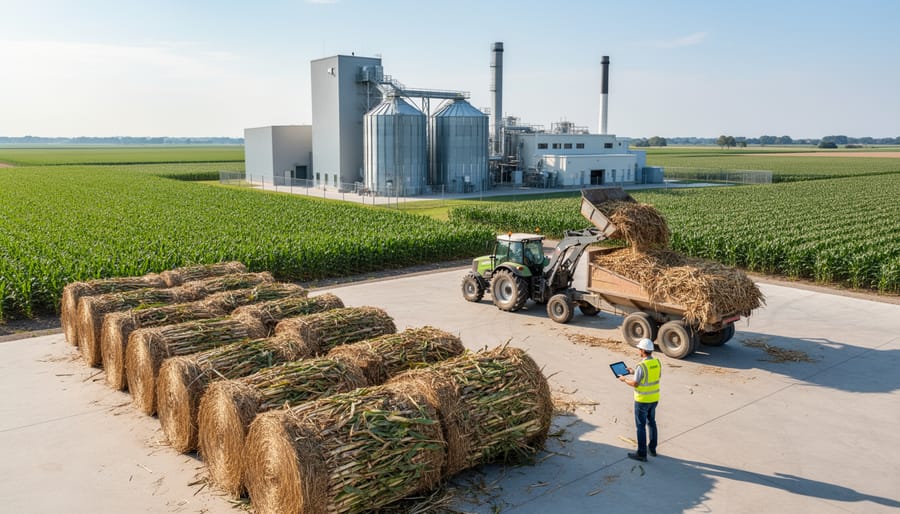
The true test of sustainability principles comes during market turbulence, when projects face price fluctuations, supply chain disruptions, or policy shifts. Successful bioenergy facilities build resilience through three key strategies: diversification of feedstock sources, securing long-term supply agreements, and maintaining operational flexibility.
A standout example is a South Australian biogas facility that weathered significant challenges by embracing diversification. Rather than relying solely on agricultural waste, they developed relationships with local food processors, councils managing green waste, and nearby dairy farms. When drought impacted one supply stream, alternative sources kept operations running smoothly. They also invested in adaptable processing equipment capable of handling different organic materials without major modifications.
This approach delivered remarkable results. During a period when several competing facilities shuttered operations, this project not only survived but expanded, creating additional local jobs and reducing the region’s reliance on fossil fuels. Their success demonstrates that sustainability principles aren’t just environmental considerations—they’re sound business strategy. By thinking long-term, staying flexible, and building strong community partnerships, bioenergy projects can thrive through market ups and downs while delivering consistent environmental and economic benefits for decades to come.
Principle 4: Transparency, Governance, and Continuous Improvement
What Good Governance Looks Like in Practice
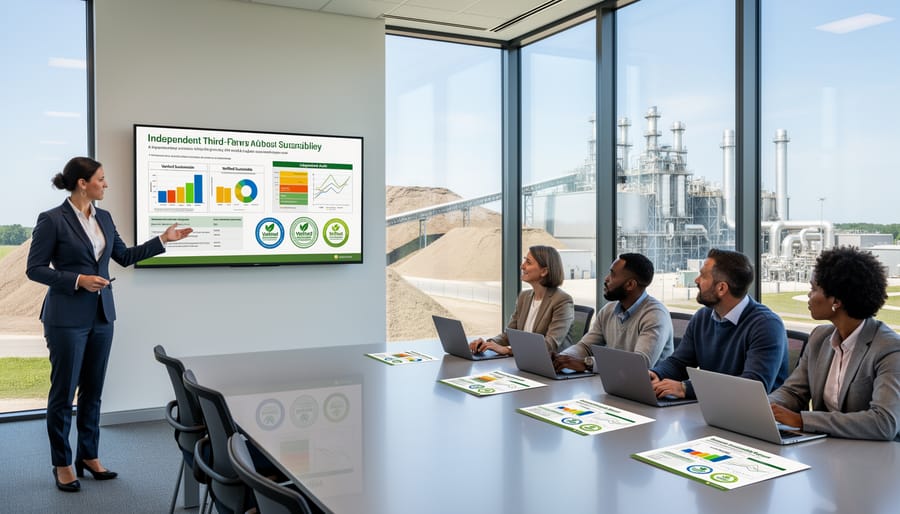
Good governance in bioenergy doesn’t happen by accident—it requires robust systems that create transparency and build trust. Three key practices make this real: chain of custody tracking, third-party verification, and meaningful stakeholder engagement.
Chain of custody tracking is like a detailed diary for biomass. Every step from forest or farm to power plant gets recorded, showing exactly where materials come from and how they’re handled. Take Queensland’s bagasse-to-energy operations, where sugar mills document each tonne of crushed sugarcane residue, proving it’s truly waste material rather than purpose-grown crops competing with food production.
Third-party verification adds an independent stamp of approval. Organizations like Responsible Wood or international certifiers audit bioenergy operations against strict sustainability standards. This independent oversight is crucial for securing investment and market confidence. When Victorian sawmills gained Forest Stewardship Council certification for their wood waste energy projects, they opened doors to premium markets and government contracts.
Stakeholder engagement brings everyone to the table—local communities, Traditional Owners, environmental groups, and industry partners. The Eden Renewable Energy Hub in New South Wales exemplifies this approach beautifully. Before launching their plantation forestry bioenergy project, they held extensive consultations with the Djiringanj and Yuin peoples, local farmers, and conservation groups. This dialogue shaped project design, ensured cultural heritage protection, and created local employment opportunities. The result? A project with genuine social license and community pride rather than opposition.
When these three practices work together, they transform good intentions into measurable, trustworthy outcomes.
The Power of Learning and Adapting
The most successful sustainability initiatives share a common trait: they never stop learning. Rather than setting rigid systems in stone, leading Australian bioenergy projects embrace feedback loops and continuous improvement as core operational principles. This adaptive approach recognises that sustainability isn’t a destination but an ongoing journey of refinement and innovation.
Take the story of a Victorian biomass facility that initially struggled with feedstock consistency. Instead of accepting the limitation, operators established monthly review sessions with local agricultural suppliers, analysing performance data and adjusting collection methods. Within eighteen months, they’d improved efficiency by 34 percent whilst reducing waste. This commitment to learning transformed potential failure into a blueprint for success.
Across Australia, bioenergy innovation flourishes where organisations treat challenges as opportunities. Queensland biogas producers regularly share learnings through industry networks, collectively raising standards. Western Australian researchers collaborate with operators to test new technologies in real-world conditions, ensuring academic insights translate into practical improvements.
The beauty of this principle lies in its accessibility. You don’t need massive resources to start learning loops. Begin with simple questions: What worked this month? What didn’t? How can we improve? Document changes, measure outcomes, and share discoveries with your team and broader community. This culture of curiosity and adaptation ensures your sustainability efforts remain relevant, effective, and genuinely transformative.
Bringing It All Together: How These Principles Work in Harmony
The beauty of sustainability lies not in following each principle in isolation, but in understanding how they create a powerful, reinforcing cycle when working together. Think of them as the four legs of a table – remove one, and the entire structure becomes unstable.
Take the Yarra Valley biomass facility in Victoria as a brilliant example of all four principles harmonising. This project takes agricultural waste that would otherwise decompose (eliminating toxic emissions), converts it into renewable energy for 40,000 homes (substituting fossil fuels), runs entirely on solar and biomass power (renewable resources), and operates at 85% efficiency with zero waste to landfill (resource efficiency). The facility’s success stems from addressing all principles simultaneously – creating both environmental benefits and economic viability that’s inspired five similar projects across regional Victoria.
When projects neglect even one principle, the consequences ripple outward. Consider Brazil’s early ethanol program, which initially seemed promising for substituting petroleum. However, by overlooking the elimination principle and failing to address deforestation impacts, the program sparked global controversy and required massive restructuring. Similarly, several European biomass plants that ignored efficiency principles burned through resources at unsustainable rates, ultimately closing after just a few years despite significant investment.
The interconnection becomes clearer when you trace the cycle: eliminating toxins creates cleaner feedstocks for efficient processing, which maximises renewable resource use, which then substitutes more fossil fuels, further reducing toxic emissions. Each principle amplifies the others.
Australian organisations that embrace this holistic approach consistently report stronger outcomes. They experience fewer regulatory hurdles, attract better investment terms, and build genuine community support. The lesson? Sustainability isn’t about picking your favourite principles – it’s about recognising how each one strengthens the others, creating resilient systems that benefit everyone involved. When all four work together, you’re not just building a project; you’re contributing to a genuinely sustainable future.
Your Next Steps: Applying These Principles
Understanding these four principles is just the beginning—the real impact comes from putting them into practice. Whether you’re a policymaker crafting energy regulations, an industry professional evaluating new projects, or a community advocate championing local solutions, you have a unique role to play in shaping Australia’s sustainable bioenergy future.
For policymakers and local government representatives, start by integrating these principles into planning frameworks and tender requirements. The Clean Energy Regulator offers comprehensive guidelines on renewable energy standards, while the Australian Renewable Energy Agency provides case studies showcasing successful implementations. Consider establishing community consultation processes that prioritize the social sustainability principle from the outset.
Industry professionals and project developers should familiarize themselves with certification schemes like the Roundtable on Sustainable Biomaterials or ISO 13065 standards for bioenergy sustainability. These frameworks provide clear benchmarks for measuring your projects against all four principles. Engage with organizations like Bioenergy Australia, which offers networking opportunities and technical resources to help you stay current with best practices.
Investors looking to support sustainable bioenergy have powerful tools at their disposal. Request comprehensive sustainability assessments that address all four principles before committing capital. The rise of ESG investing means there’s increasing demand for projects that demonstrate genuine sustainability credentials—not just greenwashing.
Community advocates can drive change by asking the right questions. When evaluating proposed bioenergy projects in your area, ask: Where does the biomass come from? What happens to existing land uses? How will local communities benefit? What safeguards exist for environmental protection? These questions ensure projects truly embody sustainable principles.
Remember, sustainable bioenergy isn’t about perfection—it’s about continuous improvement and honest evaluation. Each small step forward, from asking tougher questions to supporting genuinely sustainable projects, contributes to building Australia’s clean energy future while protecting what matters most.
The four principles of sustainability aren’t roadblocks to bioenergy development—they’re the foundations that make it stronger, smarter, and more successful. When we view environmental protection, social equity, economic viability, and good governance as enablers rather than obstacles, we unlock bioenergy’s true potential to transform Australia’s renewable energy landscape.
Right across the country, we’re already seeing how these principles work in practice. From Western Australian farms converting agricultural waste into clean energy, to Queensland communities benefiting from employment opportunities in bioenergy facilities, the evidence is clear: sustainable bioenergy isn’t just possible—it’s happening now. These success stories demonstrate that when projects are built on solid sustainability principles, everyone wins: the environment, local communities, and the economy.
The beauty of these four principles is that they work together, creating a framework that guides us toward better decisions and better outcomes. They help us ask the right questions, engage the right stakeholders, and build projects that stand the test of time.
The road ahead is bright with opportunity. Australia has abundant biomass resources, innovative technology developers, and growing policy support for renewable energy. What we need now is action—from industry leaders willing to champion sustainable practices, policymakers committed to supportive frameworks, and communities ready to embrace clean energy solutions. The transition to sustainable bioenergy isn’t just essential for our climate goals; it’s an investment in a prosperous, equitable, and environmentally responsible future. Let’s seize this moment and build the renewable energy systems Australia deserves.