
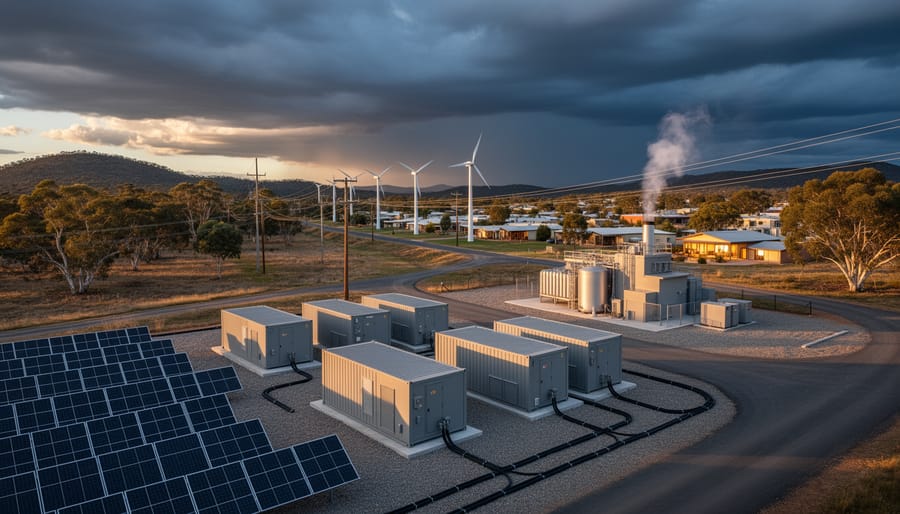
Australia’s renewable energy future depends on systems that don’t just generate clean power—they withstand cyclones, bushfires, grid failures, and global supply shocks. Resilience planning transforms renewable infrastructure from vulnerable to unshakeable, ensuring communities maintain power during the crises that matter most.
When Cyclone Yasi struck Queensland in 2011, diesel-dependent towns went dark for weeks. Today, forward-thinking regions are embedding resilience into their energy blueprints from day one. This means designing microgrids with multiple fuel sources, establishing local bioenergy production from agricultural waste, and creating backup systems that activate automatically when primary sources fail.
The approach differs fundamentally from traditional energy planning. Rather than optimizing solely for cost or capacity, resilience planning asks: What happens when the unexpected strikes? Can our system adapt? Do we have diverse energy sources ready to deploy? These questions matter enormously as extreme weather events intensify and energy security becomes non-negotiable.
Bioenergy emerges as a cornerstone of resilient systems because it offers what solar and wind cannot—dispatchable power stored in physical form. Sugar mills already demonstrate this advantage, converting bagasse into electricity that flows regardless of weather conditions. Combined with strategic fuel stockpiling, distributed generation sites, and interconnected backup systems, bioenergy creates the redundancy that keeps hospitals running, cold storage operational, and essential services functioning when communities need them most.
The transformation requires deliberate action today to safeguard tomorrow’s energy security.
What Resilience Planning Actually Means for Energy Policy
When summer bushfires swept through Victoria in 2009, they didn’t just devastate communities—they knocked out power lines, damaged substations, and left thousands without electricity for weeks. That catastrophic event revealed a crucial gap in how we think about energy systems. We’d focused heavily on keeping the lights on during normal conditions, but we hadn’t adequately prepared for when everything goes wrong.
Resilience planning fills that gap. Unlike traditional reliability measures that focus on preventing everyday outages, resilience planning asks a tougher question: what happens when the unexpected strikes? It’s about designing energy systems that can withstand shocks, adapt during crises, and bounce back quickly afterward.
Think of it this way: a reliable car starts every morning. A resilient car starts even after sitting through a cyclone, can run on alternative fuel if needed, and gets you home safely when roads are flooded. That’s the difference we’re talking about in energy terms.
For Australia’s energy grid, this means preparing for increasingly severe weather events—not just the occasional heatwave, but consecutive days above 45 degrees, category five cyclones, extended droughts affecting hydropower, and yes, more intense bushfire seasons. It means considering how coastal flooding might impact infrastructure or how prolonged heat affects solar panel efficiency.
Resilience planning goes beyond simply having backup generators on standby. It involves creating distributed energy systems where communities can island themselves from the main grid during emergencies. It means diversifying our energy sources so one extreme weather event doesn’t cripple the entire system. It requires incorporating local renewable resources like bioenergy from agricultural waste, which can provide power even when transmission lines are down.
Most importantly, resilience planning recognises that our energy future isn’t about preventing every possible disruption—that’s impossible. Instead, it’s about building systems smart enough to handle disruptions, minimize their impact, and recover rapidly, keeping communities safe and powered through whatever challenges climate change throws our way.
The Three Pillars of Energy Resilience
Diversification: Why Putting All Your Eggs in One Basket Fails
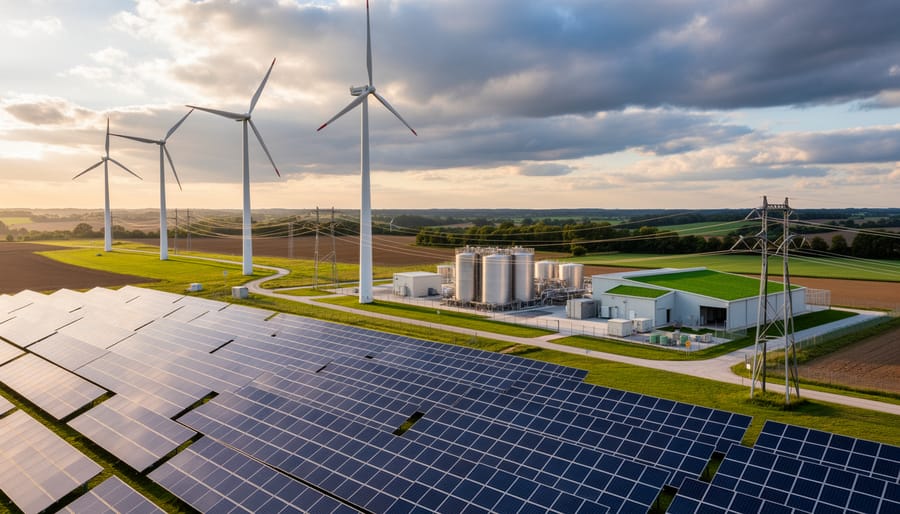
Relying solely on one energy source is like betting your entire farm on a single crop—when conditions turn, you’re left vulnerable. Diversification transforms this gamble into a strategic advantage, blending bioenergy with solar, wind, hydro, and battery storage to create systems that withstand whatever nature throws their way.
Consider South Australia’s experience during extreme weather events. While solar panels produce abundantly during summer days, their output drops dramatically during winter storms when demand peaks. Wind turbines face similar variability. By incorporating bioenergy from agricultural waste and forestry residues, the state maintains consistent baseload power regardless of weather conditions. When a 2022 heatwave sent electricity demand soaring while a high-pressure system stalled wind generation, bioenergy facilities ramped up production, filling the gap seamlessly.
Queensland’s sugarcane regions demonstrate this principle beautifully. Mills generate electricity from bagasse throughout crushing season, complementing the region’s growing solar capacity. When Cyclone Debbie damaged transmission infrastructure in 2017, communities with diversified local generation continued powering essential services while grid-dependent areas faced prolonged outages.
Western Australia’s remote mining operations have embraced this approach too, pairing solar arrays with bioenergy from organic waste. This combination slashes diesel dependency while ensuring 24-hour reliability—proving that diversification isn’t just smart policy, it’s practical insurance against disruption.
Decentralisation: Power That Can’t Be Knocked Out
When disaster strikes, centralised power grids become vulnerable single points of failure. One lightning strike at a major substation or a fallen tree across transmission lines can leave thousands without electricity for days. That’s why decentralized energy systems are revolutionising resilience planning across Australia.
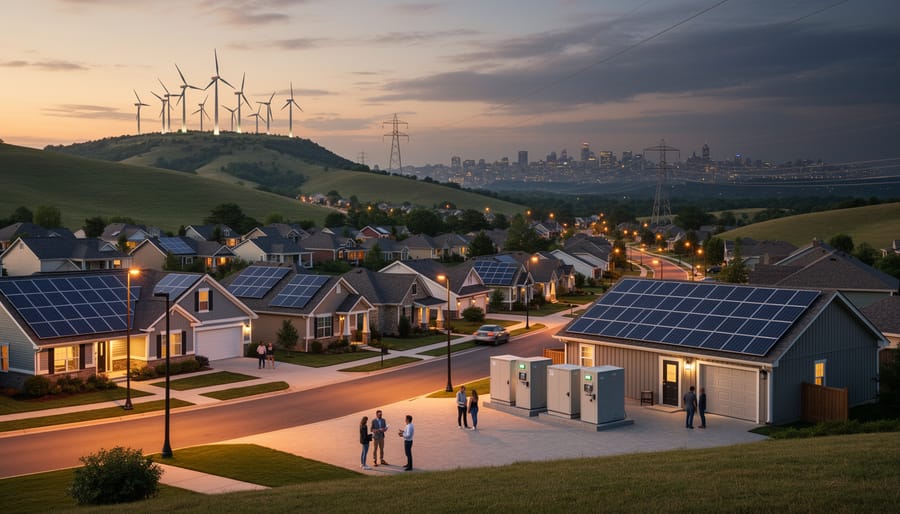
Microgrids and distributed energy networks keep power flowing locally, even when the broader grid goes down. These systems combine solar panels, battery storage, and bioenergy generators to create self-sufficient energy hubs that serve communities independently during emergencies.
Dalbeg in regional Victoria offers a brilliant example. When bushfires severed power lines in 2021, the town’s community microgrid kept running. Powered by local agricultural waste converted to bioenergy, alongside solar and battery storage, residents maintained electricity for essential services while neighbouring areas went dark for nearly a week. The local hospital continued operations, refrigeration preserved food supplies, and communication systems stayed online.
The beauty of distributed systems lies in their flexibility. Multiple smaller generation points mean if one fails, others compensate. Local bioenergy production using farm waste or forestry residues provides reliable baseload power that solar and wind alone can’t guarantee. Communities gain energy independence whilst supporting regional jobs and reducing transmission losses that plague centralised networks stretching across Australia’s vast distances.
Adaptability: Systems That Learn and Evolve
The most successful energy policies aren’t rigid blueprints—they’re living frameworks that evolve with changing conditions. Resilient systems incorporate flexibility mechanisms that allow them to respond when circumstances shift unexpectedly, whether that’s a sudden fuel shortage, extreme weather event, or technological breakthrough.
Queensland’s bioenergy sector demonstrates this adaptability beautifully. When drought conditions affected traditional feedstock supplies in 2019, operators quickly pivoted to alternative agricultural waste streams, maintaining energy output without missing a beat. This kind of flexibility stems from policies that encourage diversified fuel sources and adaptive management approaches.
Scenario planning plays a crucial role here. Forward-thinking policymakers regularly test their frameworks against various future possibilities—from climate impacts to market disruptions—then build in adjustment mechanisms. South Australia’s renewable energy strategy includes quarterly reviews that allow policy tweaks based on real-world performance data.
These adaptive systems acknowledge uncertainty rather than ignoring it. They establish clear triggers for policy adjustments, create feedback loops between industry and government, and maintain the agility to seize opportunities as they arise. This approach transforms potential vulnerabilities into competitive advantages, ensuring energy systems remain robust through whatever challenges tomorrow brings.
How Bioenergy Strengthens Resilience in Your Energy Mix
When the power grid goes down during extreme weather, solar panels stop producing after sunset and wind turbines fall silent when the breeze dies. But bioenergy systems keep the lights on. This fundamental difference makes bioenergy a cornerstone of resilient energy planning, particularly when combined with other renewable sources.
The magic lies in bioenergy’s dispatchability. Unlike solar and wind, which generate power only when nature cooperates, bioenergy facilities can produce electricity on demand. A biomass plant in regional Victoria proved this during the 2020 bushfire season, maintaining power supply to a local hospital when grid connections failed. The facility simply drew from its stored fuel reserves and kept generating throughout the crisis.
This brings us to bioenergy’s second superpower: storability. Agricultural waste, forestry residues, and purpose-grown energy crops can be stockpiled for months, creating an energy reserve that sits ready for emergencies. Think of it as a battery you can actually see and touch. A sugarcane mill in Far North Queensland maintains enough bagasse on-site to run for weeks independently, providing energy security during cyclone season when transmission lines often fail.
The local resource advantage strengthens resilience further. Communities generating bioenergy from nearby agricultural waste or forestry materials aren’t vulnerable to international fuel supply disruptions. When global energy markets experience shocks, these systems keep humming along using homegrown feedstock. Following strong bioenergy sustainability principles ensures this advantage doesn’t compromise environmental values.
Reduced transmission vulnerabilities add another layer of protection. Bioenergy facilities often operate closer to where energy is consumed, minimising reliance on long-distance power lines that become targets during storms, bushfires, or floods. A dairy farm in Gippsland converts manure to electricity on-site, eliminating transmission risks entirely while managing waste sustainably.
The optimistic reality is that bioenergy and intermittent renewables aren’t competitors but complementary partners. Solar and wind excel at clean, low-cost generation during favourable conditions. Bioenergy fills the gaps, providing stability when weather doesn’t cooperate. Together, they create genuinely resilient energy systems that harness nature’s diversity rather than depending on its consistency.
Building Resilience Into Policy: What Actually Works
Risk Assessment That Goes Beyond the Obvious
Effective resilience planning starts with looking beyond the obvious threats to identify vulnerabilities that might catch you off guard. Think of it like preparing your home for a bushfire season—you wouldn’t just focus on ember guards while ignoring dry vegetation or emergency water supplies.
For Australian energy systems, this means examining three key areas. First, climate risks go beyond extreme weather events to include gradual changes like shifting rainfall patterns that affect hydropower and biomass feedstock availability. Second, supply chain vulnerabilities matter—particularly for regional bioenergy projects that depend on agricultural waste streams or forestry residues. What happens if drought reduces crop yields or transport routes flood?
Third, and often overlooked, are social factors. Community acceptance, workforce availability, and knowledge gaps can derail even technically sound projects. A bioenergy facility in rural Victoria succeeded by mapping these elements early, engaging local farmers as feedstock suppliers and creating employment opportunities that built community buy-in.
Start with a simple three-question framework: What could disrupt our energy supply? Who depends on this system? What cascading effects might occur? Document answers with your team, then prioritise based on likelihood and impact. This practical approach reveals hidden vulnerabilities while identifying opportunities to strengthen connections within your community and supply networks.
Creating Redundancy Without Wasting Resources
True resilience doesn’t mean building two of everything. The smartest backup strategies serve multiple purposes simultaneously, making them cost-effective and resource-efficient.
Bioenergy facilities exemplify this intelligent redundancy brilliantly. A well-designed biogas plant doesn’t just generate electricity—it simultaneously manages organic waste that would otherwise burden landfills, reduces methane emissions, and produces nutrient-rich fertiliser for agriculture. When grid power falters during emergencies, these facilities continue operating independently whilst solving waste management challenges. That’s three critical services from one installation.
Australian examples prove this works. Agricultural operations across Victoria and Queensland have installed anaerobic digesters that process livestock waste into power, keeping their farms running during outages whilst eliminating disposal costs. Similarly, wastewater treatment plants with biogas capture maintain essential sanitation services during grid failures whilst feeding surplus electricity back to their communities.
The key is identifying systems where backup capacity creates value even when not needed for emergencies. financing resilient systems becomes more attractive when redundancy delivers ongoing benefits rather than sitting idle. This approach transforms resilience planning from an expensive insurance policy into a productive investment that pays dividends daily.
Community Engagement That Builds Local Resilience
When communities have a genuine voice in energy decisions, resilience planning transforms from a top-down directive into shared ownership. This community engagement in energy planning builds trust, ensures solutions meet real local needs, and creates networks of people invested in maintaining system reliability during disruptions.
The Hepburn Wind community cooperative in Victoria demonstrates this beautifully. When locals pooled resources to develop their own wind farm, they didn’t just generate clean electricity. They created a model where community members understand their energy system intimately, making them active participants rather than passive consumers during challenges.
Similarly, the Yackandandah community bioenergy initiative showcases how local involvement strengthens resilience. By establishing a wood-waste biomass facility powered by sustainable forestry resources, this small Victorian town reduced bushfire risk through fuel reduction while creating energy independence. Community members participated in planning, understood operational requirements, and developed emergency protocols together. When grid disruptions occurred, locals knew exactly how their backup systems worked because they’d helped design them.
This collaborative approach creates psychological resilience too. Communities that shape their energy future feel empowered rather than vulnerable, building the social cohesion essential for weathering any crisis together.
Real-World Wins: Resilience Planning in Action
When resilience planning shifts from theory to practice, the results can be transformative. Across Australia and similar regions, communities and industries are already reaping the benefits of well-designed energy systems that anticipate disruption rather than merely react to it.
In South Australia, the combination of battery storage, diversified renewable sources, and strategic bioenergy backup has created a compelling success story. Following the 2016 blackouts that affected 850,000 homes, the state invested heavily in resilience planning. Today, South Australia operates with over 70% renewable energy while maintaining grid stability through integrated systems that include biogas plants converting agricultural waste into reliable baseload power. The outcome? Over 1,200 new jobs in the renewable sector, a 40% reduction in energy-related emissions since 2017, and critically, zero major grid failures despite severe weather events that would have previously caused widespread outages.
Queensland’s sugarcane industry offers another practical example. Mills across the state have transformed bagasse, the fibrous residue left after crushing sugarcane, into a dependable energy source that powers operations year-round. When Cyclone Debbie disrupted conventional power supplies in 2017, facilities with bioenergy systems maintained operations, protecting jobs and ensuring critical processing continued. This wasn’t accidental; it resulted from deliberate resilience planning that identified supply chain vulnerabilities and created backup systems using locally available resources. The approach has since been replicated, with 24 mills now generating enough surplus electricity to power 250,000 homes while reducing waste disposal costs by 60%.
Denmark’s energy system demonstrates resilience planning at national scale. The country combines wind power with district heating systems fueled by biomass and biogas, creating redundancy across multiple pathways. During the 2021 European energy crisis, Denmark maintained stable prices and supply security while neighbouring countries struggled. The key lesson? Diversification paired with local production creates genuine energy independence.
These examples share common threads. Each began with honest vulnerability assessment, identifying what could go wrong before crisis struck. Each integrated multiple energy sources rather than betting everything on a single technology. Each utilized local resources, whether agricultural waste or regional biomass, reducing dependence on distant supply chains. And each created measurable benefits beyond just keeping the lights on – protecting jobs, cutting emissions, and building community confidence.
The practical takeaway is clear: resilience planning isn’t expensive insurance against unlikely disasters. It’s smart investment that delivers everyday returns while preparing for tomorrow’s challenges.
Your Next Steps Toward Resilient Energy Systems
The path toward resilient energy systems starts today, and every Australian has a role to play in this transformation.
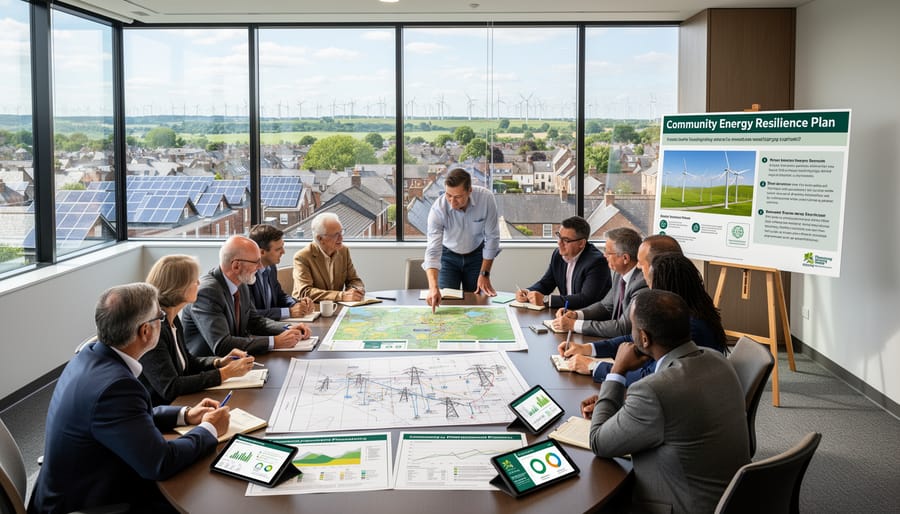
For policymakers, now is the time to embed resilience planning into every energy decision. Update regulatory frameworks to reward system flexibility, establish clear resilience standards for new infrastructure, and create incentives that recognise the triple value of renewable systems: clean energy, local jobs, and community security. Consider developing regional resilience roadmaps that identify vulnerabilities and coordinate solutions across councils and industries.
Industry professionals can champion resilience by designing projects with redundancy and flexibility built in from the start. Whether you’re developing bioenergy facilities, solar farms, or grid infrastructure, ask the hard questions: How does this perform during extreme weather? Can it operate independently if needed? Does it strengthen the broader system? Share your success stories and learnings with peers, because collective knowledge accelerates progress.
Community organisations are the connectors who make resilience real at the grassroots level. Advocate for local renewable projects, educate neighbours about energy preparedness, and push for community consultation in energy planning decisions. Your voice ensures that resilience benefits reach everyone, not just well-resourced suburbs.
This isn’t about fear or preparing for disaster. It’s about building energy systems that work better every single day while also protecting us when challenges arise. Imagine an Australia where bushfire season doesn’t mean power anxiety, where remote communities enjoy energy security, and where our clean energy transition actually strengthens reliability rather than testing it.
That future is achievable, and it starts with the choices we make now.