
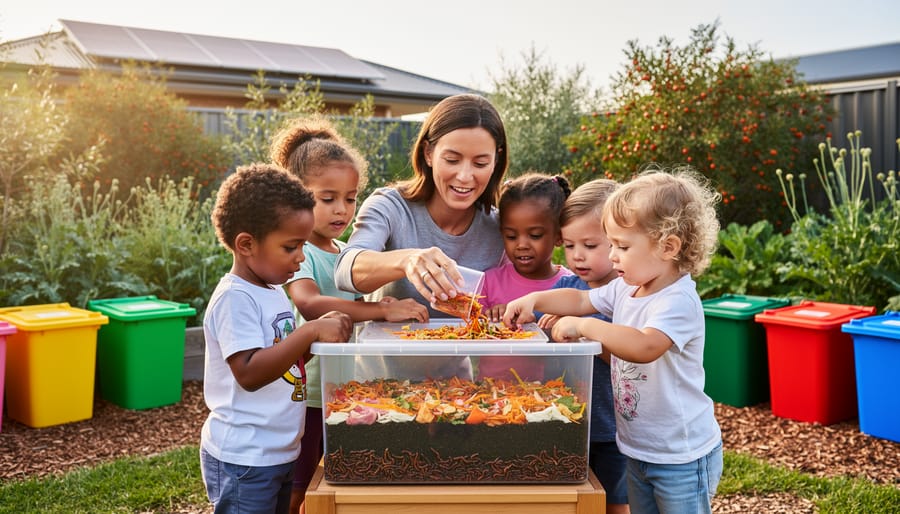
Transform your early learning centre into a sustainability hub by introducing hands-on workshops that teach kindergarteners the foundations of environmental stewardship through play-based activities. Start with simple concepts like composting food scraps in a dedicated worm farm, where children witness the natural recycling process firsthand and connect their daily actions to soil health. Create sensory gardens using native Australian plants like warrigal greens and bush tomatoes, allowing young learners to understand biodiversity while developing fine motor skills through planting and watering routines.
Design waste-sorting stations with colour-coded bins featuring pictures instead of words, enabling pre-readers to independently categorize materials and grasp the principles of resource recovery that underpin Australia’s renewable energy systems. Partner with local biomass facilities or community gardens to arrange age-appropriate excursions where children observe how organic waste transforms into energy or compost, making abstract concepts tangible. These experiences establish neural pathways for environmental thinking that research shows persist throughout life.
Kindergarten workshops deliver measurable outcomes beyond environmental awareness. Melbourne’s Kew Childcare Centre reported a 60% reduction in landfill waste within three months of implementing their sustainability program, while children demonstrated increased problem-solving abilities and collaborative skills. By empowering educators with practical frameworks and age-appropriate resources, we create generation-defining change that begins in sandpits and garden beds, ultimately contributing to Australia’s renewable energy future through citizens who inherently value resource efficiency and environmental responsibility.
Why Start Sustainability Education in Kindergarten?
The Science Behind Early Environmental Learning
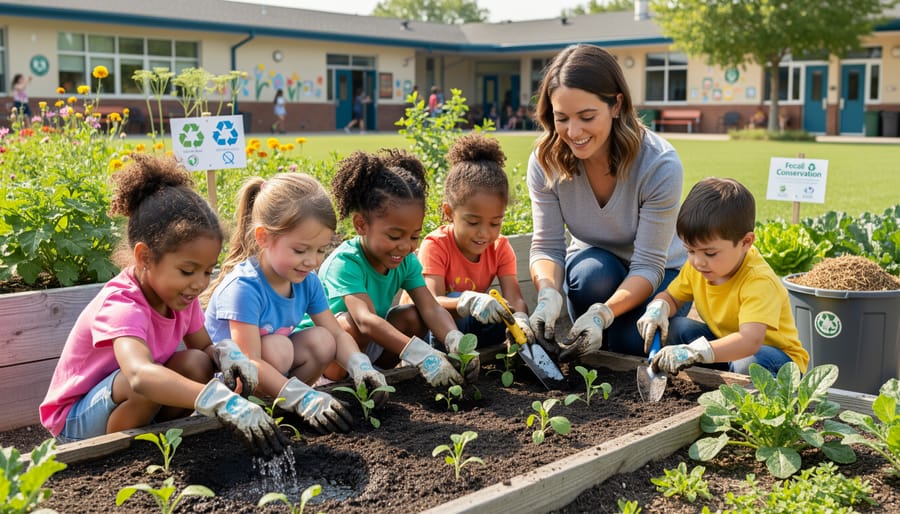
Young children are remarkable environmental learners, with brains wired to absorb knowledge through direct experience and sensory engagement. Research shows that environmental awareness developed during the early years creates lasting attitudes and behaviours that carry into adulthood. When kindergarteners plant seeds, explore composting, or learn about renewable energy through hands-on activities, they’re not just having fun—they’re building neural pathways that shape how they interact with the natural world.
Educational studies reveal that children aged 3-6 have a natural curiosity about their environment, making this the ideal window for introducing sustainability concepts. Real-world examples from Australian kindergartens demonstrate this beautifully. In Melbourne, one centre’s worm farm project didn’t just teach about decomposition—children became passionate advocates for reducing food waste at home, influencing entire families.
These early sustainability education programs work because they connect abstract environmental concepts to tangible experiences. When a child watches organic waste transform into rich soil or feels solar-warmed water, they develop an understanding that lasts a lifetime, creating tomorrow’s environmental champions today.
Real Impact: What Kindergarteners Can Achieve
The ripple effect from kindergarten sustainability workshops extends far beyond the classroom walls. At Bondi Beach Public School in Sydney, a simple worm farming workshop sparked a neighbourhood-wide composting movement when excited five-year-olds convinced 23 families to start their own systems at home. Teachers reported children policing household recycling bins and refusing plastic straws at cafes, demonstrating how early environmental values translate into lasting behaviour change.
In Melbourne’s western suburbs, Footscray Primary’s kindergarten program partnered with a local community garden to create a “green energy trail.” Young learners explored solar panels, compost heating systems, and rainwater collection, then became enthusiastic ambassadors. Parents noticed children turning off lights, monitoring water use during showers, and asking questions about renewable energy sources.
Perhaps most remarkable was a Brisbane kindergarten’s “Waste-Free Wednesday” initiative that reduced school canteen plastic waste by 67% within three months. The program spread to neighbouring schools after kindergarteners presented their findings at a community sustainability fair, proving that even our youngest citizens can drive meaningful environmental action.
These success stories demonstrate that age-appropriate sustainability education creates informed, engaged families who make practical changes today while nurturing tomorrow’s environmental leaders. When we invest in teaching kindergarteners about caring for our planet, we’re planting seeds for genuine, lasting community transformation.
What Makes an Effective Kindergarten Sustainability Workshop
Age-Appropriate Bioenergy and Renewable Energy Concepts
Teaching renewable energy to kindergarteners might sound ambitious, but these concepts become wonderfully accessible when broken down into their simplest forms. The key is connecting abstract ideas to tangible experiences children already understand.
Start with solar power by exploring how the sun makes us feel warm. A simple activity involves placing dark and light paper in the sunshine, then letting children touch both to discover which absorbed more heat. This naturally leads to conversations about how solar panels work similarly, capturing the sun’s energy to power homes and schools. You can create pretend solar panels from cardboard and foil, letting little ones “install” them on toy houses.
Bioenergy becomes relatable when you explain it as nature’s recycling system. Show children how food scraps, garden waste, and even animal manure can become energy instead of just rubbish. A practical demonstration involves setting up a small worm farm where kids witness decomposition firsthand. Explain that just as worms turn scraps into rich soil, special facilities in Australia transform organic waste into electricity and fuel that powers buses and trucks.
Wind energy sparks joy through pinwheel making. Children can decorate and construct their own pinwheels, then race outside to test them. This hands-on experience demonstrates how moving air creates power, just like the massive wind turbines they might spot on country drives.
The success of these workshops lies in keeping activities sensory and playful. When a five-year-old from a Melbourne kindergarten excitedly tells their parents about “sunshine power,” that’s genuine environmental literacy taking root. These early experiences plant seeds for Australia’s sustainable future.
Interactive Learning Tools Educators Actually Use
Bringing sustainability to life for kindergarten students requires hands-on tools that transform abstract concepts into tangible experiences. Educators across Australia have discovered brilliant resources that consistently capture young imaginations while building environmental awareness.
Classroom compost bins top the list of effective learning tools. These compact systems allow children to witness the magic of food scraps becoming nutrient-rich soil within weeks. Students love adding fruit peels from morning tea and watching worms work their transformative magic. Many kindergartens pair their compost bins with small veggie gardens, creating a complete cycle that demonstrates how waste becomes resource.
Solar-powered toys and simple renewable energy kits provide another engaging entry point. Wind-up torches, small solar panels that power toy cars, and hand-crank generators let children physically connect their actions with energy creation. One Brisbane kindergarten uses a miniature solar water heater demonstration that warms water for washing paintbrushes, showing how sunshine becomes useful energy.
Nature scavenger hunts with reusable collection bags teach observation skills while encouraging outdoor exploration. Educators often combine these with storytelling sessions under native trees, connecting children to Country and indigenous sustainability practices that have sustained Australia for millennia.
Recycled craft stations transform would-be waste into creative projects, demonstrating how materials gain new life through imagination. Cardboard boxes become cubby houses, bottle caps turn into counting tools, and egg cartons transform into caterpillars.
These practical tools succeed because they engage multiple senses, encourage active participation, and deliver immediate, observable results that resonate with how young children naturally learn about their world.
Essential Workshop Topics for Kindergarten Educators
Waste Reduction and Recycling Basics
Young children grasp waste reduction remarkably well when it becomes hands-on play. Start with colourful sorting games using clean recyclables—creating a “rubbish rescue station” where little ones become environmental heroes separating paper, plastic, and food scraps. This transforms bin management into an adventure rather than a chore.
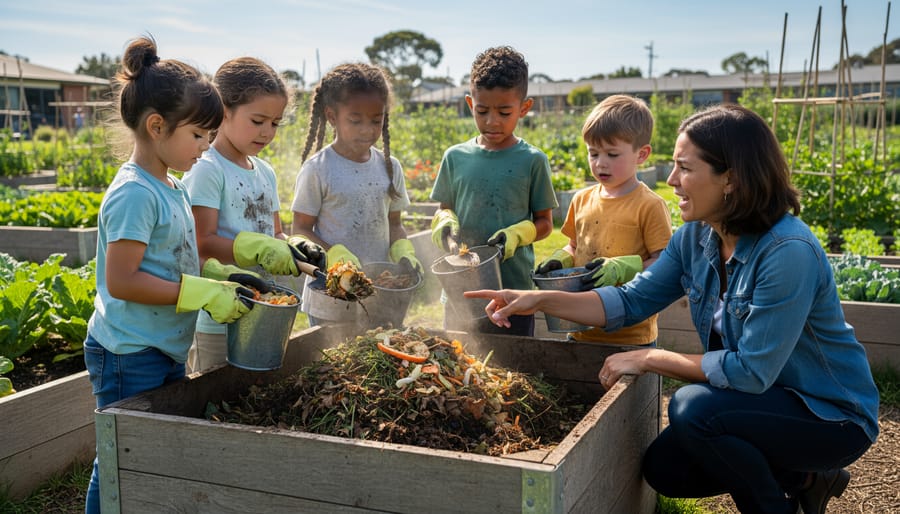
Composting offers magical learning opportunities. Establish a worm farm where children observe nature’s recyclers at work, feeding scraps and watching the transformation into rich soil for the kindy garden. This circular process becomes tangible and fascinating.
Introduce the circular economy through craft activities using “waste” materials—turning milk bottles into planters or cardboard into bird feeders. One Melbourne kindergarten’s “treasure box” initiative saw families contribute clean packaging for unlimited creative projects, reducing waste whilst building environmental awareness from the ground up.
Role-playing as composters, recyclers, or energy-saving champions helps concepts stick. These playful approaches create lifelong habits, with children often becoming the household champions who remind parents about proper sorting. Fair dinkum, they’re never too young to understand that today’s rubbish could be tomorrow’s resource.
Energy Awareness Through Simple Experiments
Introducing renewable energy to kindergarteners works beautifully through hands-on discovery that sparks natural curiosity. Start with solar power by placing solar-powered toys in sunny spots around your outdoor learning area – watching them spring to life demonstrates energy conversion in a way little ones can grasp immediately. Create simple pinwheels from recycled paper and take the children outside on a breezy day to explore wind energy. As they run with their pinwheels spinning, they’re experiencing firsthand how wind creates movement and power.
For bioenergy concepts, establish a small compost bin where children observe food scraps transforming over time. While the full decomposition process takes patience, linking this natural breakdown to energy creation makes abstract ideas tangible. One Melbourne kindergarten created a “power detectives” program where children identified different energy sources around their centre, from solar panels on the roof to the compost bin in the garden. The key is keeping demonstrations short, visual, and interactive – letting children touch, move, and question everything. These early experiences plant seeds of understanding that renewable energy is all around us, accessible, and utterly fascinating.
Growing Food and Understanding Agriculture
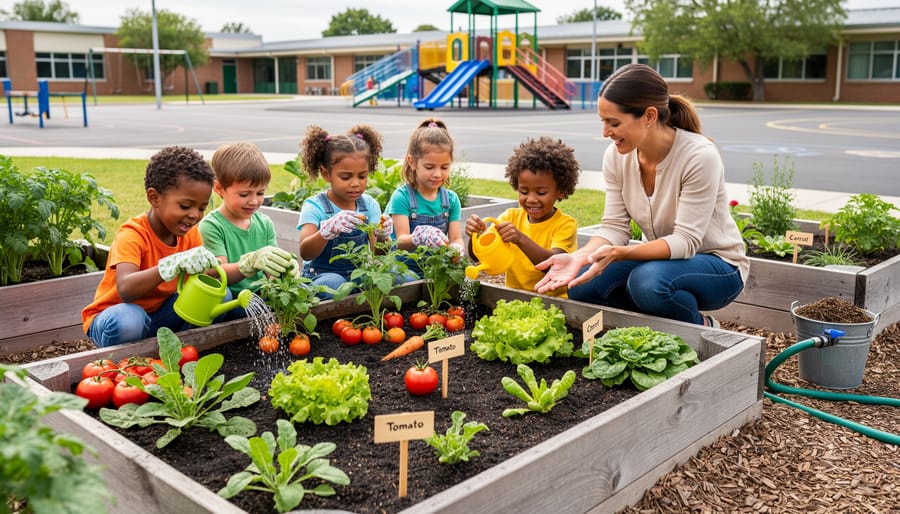
Kindergarten gardens offer a hands-on window into where our tucker actually comes from, transforming abstract concepts into tangible learning experiences. By planting seeds, nurturing seedlings, and harvesting vegetables, young children develop a personal connection to food production that shapes lifelong eating habits and environmental values.
These green learning spaces become living classrooms where kids discover the complete cycle of growth and renewal. When autumn leaves fall or vegetables go past their prime, educators can demonstrate how organic matter doesn’t simply become waste—it transforms into valuable compost that enriches the soil for next season’s crops. This practical introduction to biomass reuse plants the seeds for understanding sustainable agriculture and renewable resource management.
Several Australian childcare centres have reported remarkable outcomes, with children who were previously hesitant about vegetables eagerly sampling produce they’ve grown themselves. At a Brisbane kindergarten, youngsters now confidently explain composting to visiting parents, demonstrating how food scraps become “black gold” for their garden beds. These early experiences create environmental champions who understand that everything in nature has value and purpose.
Water Conservation and Natural Resources
Little ones grasp water conservation beautifully through playful, hands-on experiences that make sustainability feel like an adventure. Start with a simple water-saving detective activity where kindergarteners search for dripping taps around the learning centre, transforming them into environmental problem-solvers. Create a “water diary” using pictures instead of words, where children track their daily water use through drawings of brushing teeth, washing hands, and drinking.
Interactive games bring these concepts to life remarkably well. Try the bucket challenge, where kids transfer water using different sized containers to understand how much water everyday activities consume. A “magic garden” activity demonstrates how collecting rainwater can nurture plants, connecting water conservation to the natural cycle that powers Australia’s renewable resources.
Story time becomes educational with tales about water journeys from rainfall to rivers, helping children appreciate this precious resource. Melbourne’s Collingwood Children’s Farm runs successful workshops where kids learn composting, recycling, and water-wise gardening simultaneously. These real-world examples show how early environmental education creates lifelong stewards who understand sustainability isn’t just about conservation—it’s about respecting the natural resources that power our future, from hydroelectricity to sustainable agriculture practices across our sunburnt country.
Building Your Kindergarten Sustainability Program
Getting Started: First Steps for Educators
Starting your sustainability education journey with kindergarteners doesn’t require a hefty budget or specialist training. Begin by conducting a simple audit of your current classroom practices. Look around your learning space with fresh eyes—what natural materials are already available? Pinecones, leaves, and sticks from your playground can become treasured teaching tools without spending a dollar.
Create a classroom composting system using a repurposed ice-cream container. Children will be fascinated watching their apple cores and banana peels transform into rich soil over several weeks. This hands-on experience teaches the natural cycles that underpin renewable energy systems in Australia, planting seeds of understanding that will grow as they do.
Connect with your local council’s environmental education programs. Many Australian councils offer free or subsidised resources, from worm farms to visiting educators who bring sustainability stories to life. Melbourne’s ResourceSmart Schools program and similar initiatives across states provide ready-made lesson plans tailored to early learners.
Start small with one activity per week. Perhaps Monday becomes “Waste-Free Lunch Day” or Friday features “Nature Discovery Time” in your outdoor area. These consistent, manageable steps build momentum without overwhelming you or your students. Remember, every environmental educator started somewhere, and your enthusiasm will spark curiosity in young minds far more effectively than expensive equipment ever could. You’re not just teaching about sustainability—you’re living it together.
Connecting with Australian Sustainability Networks
Australia boasts a growing network of organisations dedicated to supporting kindergarten educators in bringing sustainability to life. The Early Childhood Australia Sustainability Hub provides free resources, workshop templates, and professional development opportunities specifically designed for early learning settings. These materials help educators connect environmental concepts with age-appropriate activities that spark genuine curiosity in young learners.
Government initiatives like the Sustainable Schools program, operating across most states and territories, offer grants and support for educators looking to establish green practices in kindergartens. Many local councils also run community workshops where early childhood educators can learn hands-on techniques for teaching composting, water conservation, and renewable energy basics through play-based learning.
The Australian Association for Environmental Education delivers targeted professional development, connecting educators with mentors who’ve successfully implemented sustainability programs. Their network showcases how Australian schools leading sustainability are creating pathways from kindergarten through primary education.
Community organisations like Landcare and Junior Landcare offer free workshop kits and expert facilitators who visit kindergartens, bringing real-world sustainability stories that resonate with little ones. These partnerships transform abstract concepts into tangible experiences, planting seeds of environmental stewardship that grow alongside the children themselves.
Success Stories: Kindergartens Leading the Way
Across Australia, forward-thinking kindergartens are demonstrating that early childhood sustainability education creates lasting change for children, families, and communities. These success stories prove that regardless of location or resources, every kindergarten can become a champion for environmental stewardship.
In Melbourne’s inner west, Yarraville Community Children’s Centre transformed their outdoor space into a thriving permaculture garden through weekly workshops focused on composting and plant care. Within twelve months, they diverted 400 kilograms of organic waste from landfill whilst growing vegetables that now feature in their morning tea program. Parents report that children who once refused vegetables now eagerly sample produce they’ve grown themselves, with one family starting their own backyard garden after their four-year-old insisted on composting at home.
The story is equally impressive in regional Queensland, where Toowoomba’s Willow Tree Kindergarten partnered with local renewable energy providers to create hands-on workshops exploring solar power and energy conservation. Their solar panel installation became a living classroom, with children monitoring energy production and learning how sunshine powers their favourite activities. The program sparked broader community interest, with three neighbouring schools adopting similar proven sustainability programs.
Remote communities are also leading the way. In Alice Springs, a kindergarten serving predominantly Indigenous families integrated traditional land management practices with contemporary sustainability education. Children learned about seasonal burning cycles, native plant propagation, and water conservation through storytelling and practical activities that honoured cultural knowledge whilst addressing modern environmental challenges.
These kindergartens share common threads: committed educators, engaged families, and age-appropriate hands-on activities that make sustainability tangible for young minds. Most importantly, they’ve documented measurable outcomes including reduced waste, lower energy consumption, improved nutrition, and enhanced family engagement. Their experiences demonstrate that sustainability workshops aren’t just educational exercises but catalysts for genuine environmental action that ripples outward from the kindergarten gate into homes and communities across Australia.
Kindergarten sustainability workshops create powerful ripple effects that extend far beyond classroom walls. When we equip our youngest Australians with environmental knowledge and renewable energy awareness, we’re not just teaching concepts—we’re nurturing future changemakers who will carry these values home, inspiring families and entire communities to embrace greener practices. These early learning experiences plant seeds that grow into lifelong environmental stewardship, directly contributing to Australia’s renewable energy transition and broader sustainability goals.
The beauty of starting young is undeniable. Children who understand where energy comes from and why caring for our environment matters become passionate advocates, influencing household choices from recycling habits to energy consumption. This grassroots approach to environmental education creates a multiplier effect, with each child potentially impacting dozens of people throughout their lifetime.
For educators and early childhood professionals, the opportunity to make a lasting difference has never been more critical or more achievable. By embracing sustainability training and integrating these workshops into your curriculum, you’re not simply ticking boxes—you’re shaping the environmental consciousness of an entire generation. The time to act is now. Equip yourself with the tools and knowledge to lead these transformative workshops, and watch as your efforts contribute to building a cleaner, more sustainable Australia for all.