
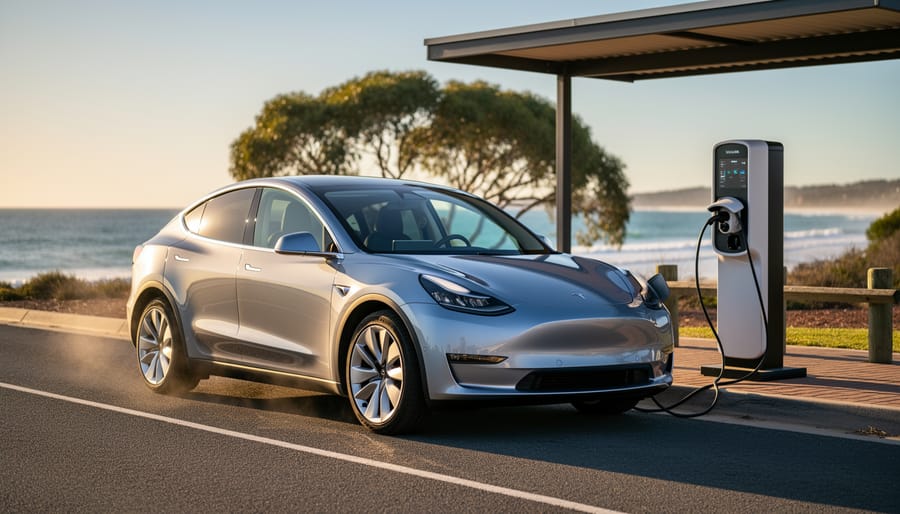
Picture this: You’re cruising down the Pacific Highway in your electric vehicle on a scorching 40-degree day, air conditioning blasting, when suddenly your range drops faster than expected. Or imagine a frosty Canberra morning where your battery refuses to charge at its usual speed. These scenarios aren’t glitches—they’re your EV’s thermal management system working overtime to protect one of the most sophisticated and expensive components in your vehicle.
Electric vehicle battery thermal management is the unsung hero keeping your EV running smoothly, safely, and efficiently across Australia’s extreme climate variations. This intricate system of cooling channels, heating elements, and intelligent software ensures your battery pack maintains optimal temperature—typically between 20 and 40 degrees Celsius—regardless of whether you’re navigating Tasmania’s winters or Queensland’s summers.
The stakes couldn’t be higher. Battery temperature directly impacts three critical factors: how far you can drive on a single charge, how quickly you can recharge, and whether your battery will last eight years or fifteen. Too hot, and you risk permanent capacity loss or even thermal runaway. Too cold, and chemical reactions slow to a crawl, dramatically reducing available power and charging speeds.
As Australia accelerates toward its renewable energy future, with electric vehicles becoming increasingly central to our transport landscape, understanding thermal management isn’t just technical curiosity—it’s essential knowledge for anyone considering an EV purchase or working in the sustainable transport sector. This technology represents the difference between electric vehicles being a practical solution for Australian conditions or merely an expensive experiment, making it fundamental to our clean energy transition.
Why Temperature Is Your EV Battery’s Biggest Enemy
The Heat Problem: When Batteries Get Too Hot
Just as we wouldn’t run a marathon in a sauna, EV batteries struggle when temperatures climb too high. Excessive heat creates real challenges that affect both performance and longevity, making thermal management crucial for Australia’s growing electric vehicle fleet.
When batteries overheat, the chemical reactions inside accelerate beyond their optimal range. Think of it like cooking – the right temperature creates something wonderful, but too much heat can ruin the dish. In batteries, excessive heat speeds up degradation processes that break down the internal components. This means your battery’s capacity diminishes faster, reducing how far you can travel on each charge.
The risks extend beyond performance. Overheated batteries can experience thermal runaway, where rising temperatures trigger further heat generation in a dangerous cycle. That’s why EV battery safety standards place such emphasis on temperature monitoring systems.
Australian conditions make this particularly relevant. During scorching summer days, parked EVs face significant heat stress. Without proper cooling, charging times increase, power output drops, and the battery ages prematurely. Some manufacturers report that operating consistently at 35°C versus 25°C can reduce battery lifespan by up to 20 percent – a considerable impact on your investment and the vehicle’s environmental credentials.
The Cold Challenge: Winter’s Impact on Range
Winter mornings in Melbourne or Canberra can be tough on electric vehicles, with battery performance taking a noticeable hit when the mercury drops. Cold temperatures essentially slow down the chemical reactions inside lithium-ion batteries, making them less efficient at storing and releasing energy. When you head out on a frosty 5°C morning, you might find your usual 400-kilometre range suddenly reduced to 320 kilometres or less.
Here’s what’s happening: cold batteries have higher internal resistance, meaning more energy is wasted as heat during discharge. Plus, your EV needs to warm the battery pack before it can operate optimally, drawing power that would otherwise go toward driving. Add cabin heating into the mix, and you’re looking at significant range reduction.
The good news? Modern thermal management systems are getting smarter. Many Australian EV owners have discovered practical workarounds: preconditioning their vehicles while still plugged in at home, parking in garages when possible, and planning slightly shorter trips during winter months. Tasmania’s EV fleet operators, for instance, report adapting their routes seasonally, demonstrating that understanding these limitations leads to successful electric vehicle adoption. With proper thermal management and realistic expectations, cold weather becomes manageable rather than prohibitive.
Inside the Cooling System: How Modern EVs Keep Their Batteries Happy
Liquid Cooling: The Gold Standard
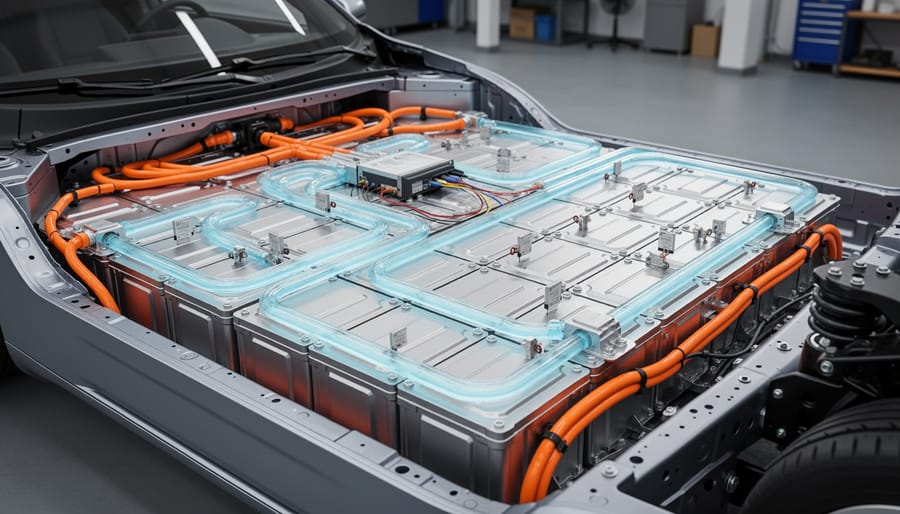
Liquid cooling has emerged as the premium choice for EV battery thermal management, and it’s easy to understand why when you see it in action. Picture a sophisticated network of cooling channels running through the battery pack, circulating coolant—typically a water-glycol mixture—that absorbs heat from cells and carries it away to a radiator or heat exchanger. This system operates much like the cooling in traditional vehicles, but with far more precision.
The advantages are compelling. Liquid cooling delivers exceptional temperature uniformity across the entire battery pack, typically maintaining variations within just two to three degrees Celsius between cells. This precision translates directly into extended battery life and consistent performance, even during fast charging or spirited driving through Australia’s diverse terrain. Premium manufacturers like Tesla, BMW, and Audi have adopted these battery cooling solutions because they enable faster charging speeds and better cold-weather performance—crucial for maintaining range in Tasmania’s winters or the Snowy Mountains.
While liquid systems add complexity and weight, they represent the gold standard for vehicles prioritizing longevity and performance. Australian fleet operators running premium EVs consistently report superior battery health after years of operation, demonstrating that this technology delivers tangible, long-term value for serious electric vehicle applications.
Air Cooling and Alternative Approaches
While liquid cooling often grabs headlines, air-based systems remain a practical choice for many EVs, particularly in moderate climates like much of coastal Australia. These systems work like your home air conditioner, circulating ambient or conditioned air around battery packs. They’re lighter, simpler to maintain, and cost less to manufacture—making electric vehicles more accessible to everyday Australians. Several popular EV models successfully use air cooling for city driving and regular commutes.
The real excitement lies in emerging technologies that could revolutionise battery temperature management. Heat pipes, which transfer thermal energy through phase transitions, offer passive cooling without pumps or fans. Meanwhile, phase-change materials absorb excess heat by melting, then release it gradually as they solidify—like a thermal battery within your battery. Australian researchers are contributing to this innovation, developing materials suited to our unique climate extremes.
These alternatives matter because they reduce energy consumption for cooling, extending driving range while lowering environmental impact. As these technologies mature, they’ll make EVs even more efficient and sustainable, supporting Australia’s transition to cleaner transport. The future of battery thermal management isn’t just about keeping batteries cool—it’s about doing so cleverly, sustainably, and affordably.
Smart Sensors and Control Systems
Modern EVs rely on sophisticated battery management systems that act as vigilant guardians of battery health. These smart sensors continuously monitor temperature across individual cells, measuring minute variations that could signal potential issues before they become problems. Think of it like having hundreds of tiny thermometers working together, feeding real-time data to an intelligent control system.
When temperatures rise during fast charging or extended highway driving, the system responds immediately—activating cooling pumps, adjusting coolant flow, or even temporarily reducing charge rates to protect battery longevity. Australian EV manufacturers are leading the charge in developing predictive algorithms that anticipate temperature changes based on driving patterns and ambient conditions. One Melbourne-based company recently showcased technology that extends battery life by 15% through smarter thermal responses. This clever integration of sensors and software doesn’t just protect your investment—it ensures consistent performance whether you’re navigating Sydney’s summer heat or Tasmania’s cooler climate, making electric driving more reliable and sustainable for every Australian journey.
From Factory to Road: Thermal Management in Battery Manufacturing
Manufacturing Quality: Getting It Right From Day One
Getting thermal management right from the very beginning makes all the difference in battery performance. Think of it like baking a cake—the temperature during mixing and baking determines whether you get a perfect sponge or a disappointing mess. The same principle applies during battery manufacturing.
During cell formation, which is essentially the battery’s first charge cycle, precise temperature control is crucial. Australian battery manufacturer Gelion discovered this firsthand when they optimised their formation processes. By maintaining cells within a narrow temperature window of 20-25 degrees Celsius during formation, they achieved remarkably consistent performance across their battery packs. Cells that experienced temperature variations during this critical phase showed up to 15% capacity degradation over their lifetime compared to those formed under controlled conditions.
The assembly process demands equal attention. When individual cells join together to create battery packs, any heat buildup can create weak spots that persist throughout the battery’s life. Modern facilities use climate-controlled clean rooms and sophisticated monitoring systems to track temperatures at every stage, ensuring each cell begins its working life in optimal condition.
This upfront investment in thermal management during manufacturing translates directly to better batteries on the road. Vehicles equipped with properly manufactured battery packs experience fewer warranty claims, maintain consistent range over time, and deliver the reliability Australian drivers expect. It’s a perfect example of how doing things properly from day one creates lasting benefits for everyone—manufacturers save on warranty costs, customers enjoy better performance, and the environment benefits from longer-lasting batteries that don’t need premature replacement.

Australia’s Battery Manufacturing Opportunity
Australia stands at the threshold of an exciting transformation in the electric vehicle sector, with thermal management expertise playing a crucial role in building a robust local battery industry. As Australian battery manufacturing gains momentum, companies are discovering that sophisticated cooling and heating systems aren’t just about performance—they’re a gateway to high-skilled jobs and technological innovation right here on home soil.
The good news? Thermal management systems require specialised engineering, precision manufacturing, and ongoing research and development—all areas where Australian workers excel. From designing advanced cooling plates in Melbourne to producing thermal sensors in Brisbane, these opportunities are creating pathways for engineers, technicians, and trades people across the country. One South Australian company recently expanded its workforce by 40 percent to meet growing demand for locally-made thermal management components.
Beyond employment, local production delivers tangible environmental benefits. Manufacturing batteries closer to where they’ll be used dramatically reduces shipping emissions—a win that environmentally conscious Australians can feel good about. Additionally, stricter local environmental standards ensure cleaner production processes compared to some overseas facilities.
By investing in thermal management expertise today, we’re not just supporting the EV revolution; we’re building a sustainable, self-reliant industry that keeps both jobs and environmental benefits close to home.
The Sustainability Connection: Better Thermal Management Means Greener EVs
When we talk about making electric vehicles truly sustainable, proper thermal management isn’t just a technical nicety—it’s an environmental game-changer. Here’s the thing: a well-managed battery system creates a ripple effect of environmental benefits that extends far beyond the vehicle itself.
Consider the battery lifespan first. An EV battery operating at optimal temperatures can last 8-10 years or more, whilst one subjected to thermal stress might need replacement in half that time. Each additional year of battery life means one less battery to manufacture, reducing the demand for lithium, cobalt, and nickel extraction. It’s estimated that extending battery life by just 20 percent through proper thermal management can reduce the carbon footprint of an EV by 15-18 percent over its lifetime. That’s equivalent to taking thousands of petrol vehicles off Australian roads.
The efficiency gains tell an equally compelling story. When batteries operate within their ideal temperature range, they convert stored energy to motion more effectively, losing less power to heat waste. This improved efficiency translates directly to reduced charging frequency and lower overall energy consumption. For Australia’s growing EV fleet, this means less strain on our electricity grid and greater capacity to integrate renewable energy sources like solar and wind.
There’s also the often-overlooked connection to battery recycling. Batteries that have been properly temperature-managed throughout their life retain better structural integrity, making them easier and more cost-effective to recycle. The materials recovered are of higher quality, creating a more viable circular economy for EV components.
This technology directly supports Australia’s commitment to reaching net-zero emissions by 2050. Transport accounts for roughly 18 percent of our national emissions, and widespread EV adoption is crucial to meeting our climate targets. But adoption hinges on performance and reliability—exactly what effective thermal management delivers.
Several Australian councils and fleet operators are already seeing these benefits firsthand. The City of Adelaide’s electric bus fleet, equipped with advanced thermal systems, has achieved 95 percent uptime whilst reducing per-kilometre costs by 40 percent compared to diesel alternatives. These aren’t just numbers on a spreadsheet; they’re proof that smart thermal management transforms EVs from promising technology into practical, planet-friendly transport that Australians can rely on.
Real-World Success: Australian EV Owners Share Their Stories
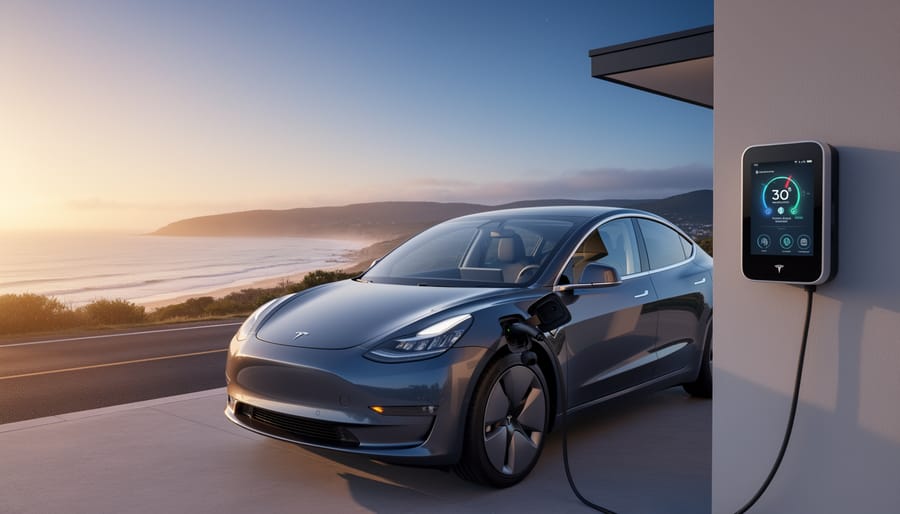
Sarah Mitchell from Brisbane never worried much about her EV’s battery until last summer’s heatwave pushed temperatures past 40 degrees for days on end. “I noticed my battery wasn’t charging as efficiently, and the range seemed shorter,” she recalls. After consulting with her dealer, she learned about thermal management and started implementing simple strategies. “Now I always park in the shade when possible, and I use the preconditioning feature while my car’s still plugged in. It’s made a real difference—my battery health metrics have actually improved over the past year.”
Down in Melbourne, James Cooper faces different challenges with his family’s EV. “Winter mornings can be brutal here, sometimes hitting below zero,” he explains. “I used to just jump in and drive, but I learned that preconditioning the cabin while charging not only makes it comfortable but protects the battery from cold stress.” James now schedules his charging to finish just before his morning commute, allowing the thermal management system to warm the battery optimally. “My winter range anxiety disappeared once I understood how the system works.”
Outback nurse Lucy Roberts drives long distances between remote Queensland communities, often in extreme heat. “The thermal management system is honestly a lifesaver out here,” she says. “I’ve learned to time my rapid charging sessions during cooler parts of the day when possible, and I always let the cooling system do its job after a long drive before shutting down.” Her practical approach has kept her EV running smoothly across harsh conditions that would challenge any vehicle.
These stories highlight a common thread: understanding your EV’s thermal management system transforms ownership experience. Simple habits like parking strategically, using preconditioning features, and allowing cooling cycles to complete can significantly extend battery life. Australian EV owners are discovering that working with their vehicle’s thermal management, rather than ignoring it, delivers the performance and longevity promised by manufacturers—regardless of whether they’re battling Darwin’s humidity or Canberra’s frost.
As we’ve explored throughout this article, effective thermal management isn’t just another feature in electric vehicles—it’s the foundation that makes everything else possible. From keeping batteries safe during a sweltering Sydney summer to ensuring reliable performance on a frosty Canberra morning, temperature control systems are quietly working behind the scenes to make EVs practical for Australian drivers.
The story of EV battery thermal management is fundamentally one of innovation solving real-world challenges. Advanced manufacturing techniques, sustainable cooling solutions using phase change materials, and intelligent thermal systems are transforming how we think about vehicle performance and longevity. These aren’t pie-in-the-sky concepts—they’re technologies already making a difference on Australian roads today, helping drivers get more range, longer battery life, and greater peace of mind.
For Australians embracing the clean energy transition, these thermal management advances represent something even bigger: proof that sustainable transport can genuinely work in our unique climate. Every improvement in battery cooling efficiency means fewer raw materials needed, less energy consumed, and vehicles that remain reliable for longer.
Looking ahead, the future is bright. As researchers develop even more efficient cooling systems and manufacturers refine their processes, EVs will become increasingly practical and environmentally beneficial. Australia’s role in this transformation—from our world-class battery research facilities to our growing EV adoption—positions us as genuine leaders in sustainable transport. The road ahead is not just electrified; it’s intelligently temperature-controlled.