
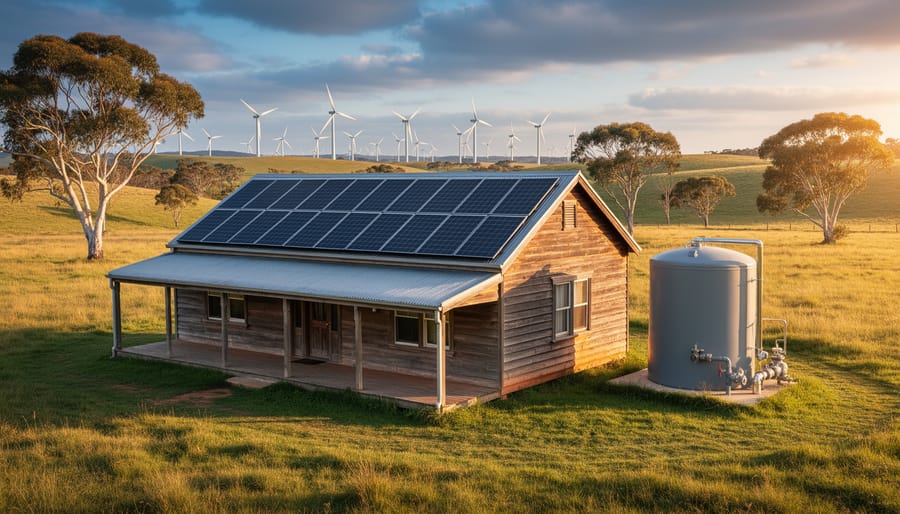
The lights flicker on, your kettle boils, and somewhere in the background, your phone charges—all powered by energy that leaves no carbon footprint behind. This is zero-carbon energy, and it’s rapidly transforming how Australians power their homes, businesses, and communities.
Zero-carbon energy refers to electricity and power generated without releasing carbon dioxide into the atmosphere. Unlike fossil fuels that emit greenhouse gases when burned, zero-carbon sources—including solar, wind, hydro, nuclear, and bioenergy—produce power while keeping our air clean and our climate stable. It’s the cornerstone of Australia’s renewable energy transition, offering a practical pathway from coal-dependent grids to sustainable systems that protect our environment without sacrificing reliability.
Understanding zero-carbon energy matters now more than ever. As extreme weather events intensify and energy costs fluctuate, Australians are increasingly seeking solutions that deliver both environmental and economic benefits. This isn’t just about distant climate targets—it’s about the choices you make today, from selecting energy providers to supporting local renewable projects that create jobs in regional communities.
Throughout this guide, you’ll discover how zero-carbon energy works in practical terms, why it differs from other renewable concepts, and how Australian innovations—particularly in bioenergy from agricultural waste—are pioneering solutions that turn yesterday’s problems into tomorrow’s power. More importantly, you’ll learn how this energy revolution connects directly to your daily life and the tangible steps you can take to participate in building a cleaner, more resilient energy future.
Understanding Zero-Carbon Energy: Beyond the Buzzwords
Zero-carbon energy represents the gold standard of clean power generation: energy produced without releasing carbon dioxide or other greenhouse gases into the atmosphere throughout its entire lifecycle. But here’s where it gets interesting and why understanding the distinction matters for making genuine progress on climate action.
When we talk about zero-carbon energy, we’re looking at the complete picture from cradle to grave. This means accounting for emissions from extracting raw materials, manufacturing equipment, transporting components, operating facilities, and eventually decommissioning them. It’s a thorough accounting system that prevents greenwashing and ensures we’re making real environmental progress, not just shifting emissions around.
This is quite different from low-carbon energy, which merely reduces emissions compared to fossil fuels but doesn’t eliminate them entirely. Think of natural gas as an example: it’s cleaner than coal, but it still releases carbon dioxide when burned. Carbon-neutral energy takes yet another approach, offsetting emissions through activities like tree planting or purchasing carbon credits, rather than preventing emissions in the first place.
The lifecycle assessment methodology has become crucial in determining whether energy sources truly qualify as zero-carbon. It’s like conducting a comprehensive health check on your energy system, examining every stage to identify hidden emissions that might otherwise slip through the cracks.
Here’s a practical example: solar panels generate electricity without emissions during operation, making them appear perfectly clean. However, manufacturing those panels requires energy and materials. Genuinely zero-carbon solar energy means ensuring the entire supply chain runs on renewable power and uses sustainable materials.
For Australian households and businesses, understanding these distinctions helps you make informed decisions about energy investments. When a provider claims their energy is “clean,” you’ll know to ask the right questions: Is it truly zero-carbon across its full lifecycle, or simply lower in emissions than conventional alternatives?
This knowledge empowers you to champion genuine solutions rather than settling for halfway measures. The good news? Australia’s abundant renewable resources and innovative bioenergy projects are making truly zero-carbon energy increasingly accessible and affordable across the country.
The Main Players: Types of Zero-Carbon Energy Sources
Bioenergy: Australia’s Hidden Champion
While solar and wind often steal the spotlight in renewable energy conversations, bioenergy quietly emerges as one of Australia’s most practical zero-carbon solutions. This often-overlooked champion converts organic materials like agricultural waste, forestry residues, and food scraps into clean energy, offering a brilliant way to tackle two challenges at once: waste management and energy production.
The magic of bioenergy lies in its circular nature. When biomass like sugarcane bagasse or timber offcuts is burned or converted to fuel, it releases carbon dioxide. However, this carbon was recently absorbed from the atmosphere during the plant’s growth, creating a closed loop. The carbon neutrality of biomass depends critically on sustainable management practices, ensuring new growth replaces what’s harvested and no additional land clearing occurs.
Australian innovators are leading the charge with impressive real-world applications. Sugar mills across Queensland have transformed operations by burning bagasse, the fibrous residue left after crushing sugarcane, to generate electricity. This surplus power often flows back into the grid, powering thousands of homes while eliminating waste that would otherwise rot in landfills.
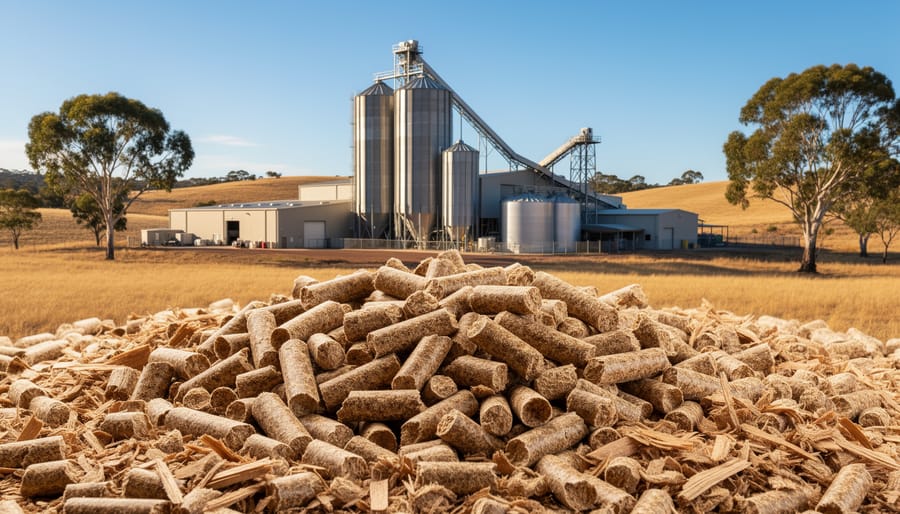
In regional Victoria, sawmills convert wood waste into energy pellets and on-site power generation, showcasing how forestry industries can achieve energy independence. Meanwhile, waste-to-energy systems in urban centres are turning food scraps and garden clippings into renewable gas, reducing methane emissions from landfills whilst generating clean electricity.
These success stories demonstrate bioenergy’s unique advantage: it’s available around the clock, unlike solar panels at night or wind turbines on calm days. For agricultural and forestry communities particularly, bioenergy represents not just environmental responsibility but economic opportunity, turning yesterday’s waste streams into tomorrow’s energy security.
How Zero-Carbon Energy Drives the Renewable Transition
Zero-carbon energy isn’t just a climate solution on paper – it’s the engine powering Australia’s renewable transition right now. Across the country, coal-fired power stations are closing their doors while wind farms, solar arrays, and bioenergy facilities are lighting up communities and industries alike. This transformation is reshaping how Australians generate, store, and consume electricity, creating opportunities that seemed impossible just a decade ago.
The numbers tell an encouraging story. According to renewable energy statistics, renewables now account for more than 35 percent of Australia’s total electricity generation, with that figure climbing steadily each year. South Australia regularly runs on 100 percent renewable electricity for extended periods, proving that ambitious targets are achievable. These milestones demonstrate that zero-carbon energy can reliably replace fossil fuels when properly integrated into our energy systems.
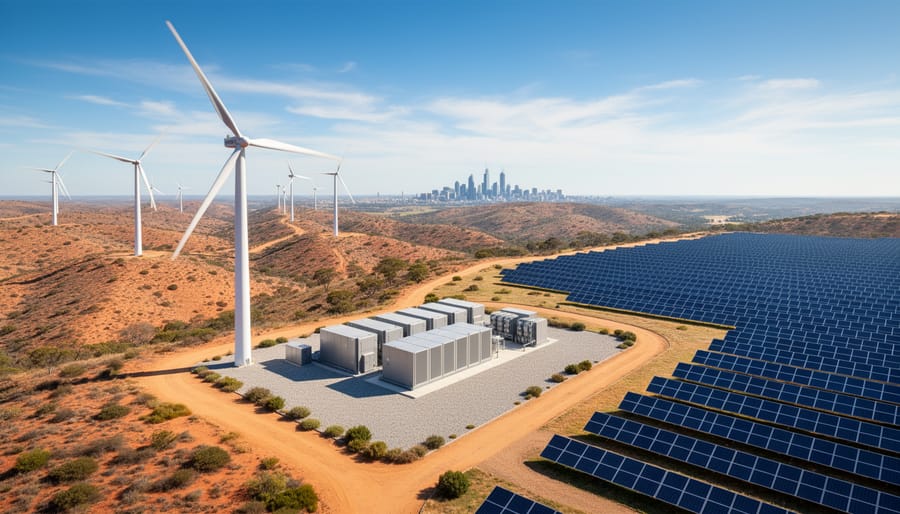
However, the transition isn’t without its growing pains. Grid stability remains a genuine challenge as intermittent sources like solar and wind replace the constant baseload power that coal once provided. When the sun sets and the wind drops, we need reliable alternatives – and that’s where diverse zero-carbon solutions become essential. Battery storage is expanding rapidly, with big batteries in Victoria and South Australia already smoothing out supply fluctuations. Meanwhile, bioenergy facilities provide dispatchable renewable power that can ramp up precisely when needed, filling gaps that batteries alone can’t manage economically.
Storage technology is advancing at remarkable speed. Beyond lithium batteries, Australia is exploring pumped hydro projects like Snowy 2.0, which essentially turns mountains into giant batteries by pumping water uphill during surplus generation periods. Communities are also embracing distributed energy systems, where rooftop solar combined with home batteries reduces pressure on transmission infrastructure while empowering households to take control of their energy future.
The pathway forward combines multiple zero-carbon technologies working together. Solar and wind provide abundant cheap electricity during optimal conditions. Bioenergy facilities convert agricultural and forestry waste into reliable power and heat. Batteries and pumped hydro store excess generation for later use. Green hydrogen is emerging as a solution for heavy industry and transport. Rather than searching for a single silver bullet, Australia’s renewable transition succeeds by embracing this diversity, creating a resilient energy system that’s cleaner, more affordable, and increasingly reliable. The momentum is undeniable, and the practical solutions are already proving themselves across the nation.
Carbon Offsetting: The Bridge to Zero
While the ultimate goal is achieving true zero-carbon energy systems, carbon offsetting plays a valuable role as a transitional tool. Think of it as a bridge that helps individuals and businesses balance their emissions while cleaner energy infrastructure develops. However, understanding the difference between genuine offset programs and greenwashing has never been more important.
Carbon offsetting works by compensating for emissions produced in one area by reducing them elsewhere. When a company invests in carbon offset projects, they’re essentially funding activities that remove or prevent greenhouse gases from entering the atmosphere. In Australia, this might include revegetation projects across degraded farmland, supporting renewable energy installations in developing communities, or protecting existing forests from clearing.
The Australian Carbon Credit Unit (ACCU) scheme, managed under the Emissions Reduction Fund, provides a framework for generating verified carbon credits. Each ACCU represents one tonne of carbon dioxide equivalent stored or avoided. Projects undergo rigorous assessment to ensure they deliver genuine environmental benefits, creating accountability in the market.
Tree planting initiatives represent one of the most visible offset approaches in Australia. When done properly, these projects deliver multiple benefits beyond carbon capture: improved soil health, habitat restoration for native wildlife, and enhanced water quality.
- Provides immediate action option while zero-carbon infrastructure develops
- Funds valuable environmental restoration and protection projects
- Creates accountability through verified credit schemes like ACCUs
- Supports regional communities through revegetation employment opportunities
- Cannot replace the need for actual emissions reduction at source
- Some projects lack permanence or genuine additionality
- Risk of greenwashing when offsets substitute rather than supplement reduction efforts
- Quality varies significantly between different offset providers
The key to ethical offsetting lies in viewing it as complementary to emission reduction, not a replacement. Progressive Australian businesses now embrace a hierarchy: first reduce emissions through zero-carbon energy adoption, then offset only unavoidable emissions through verified programs. This approach ensures offsetting serves its intended purpose as a bridge to true carbon neutrality, not a detour around it.
What This Means for Your Home and Business
The shift to zero-carbon energy isn’t just about massive wind farms or distant solar plants—it’s already transforming Australian homes and businesses in practical, money-saving ways. Understanding your options means you can start benefiting today while contributing to a cleaner energy future.
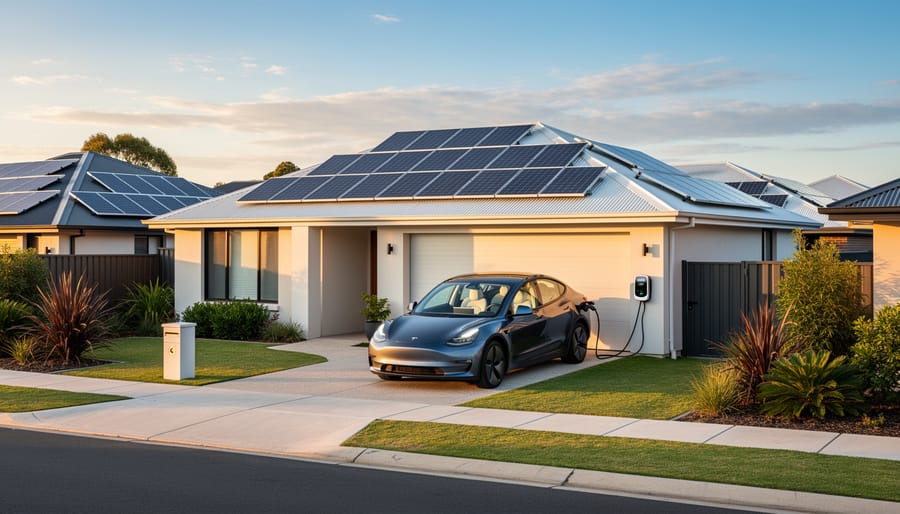
For homeowners, rooftop solar remains the most accessible entry point. Australian households continue leading the world in solar adoption, with over three million homes now generating their own zero-carbon electricity. A typical 6.6kW system costs between $4,000 and $8,000 after rebates and can slash electricity bills by 50-80%. Take the Henderson family in Brisbane, who installed solar panels in 2021 and now export excess energy back to the grid, earning credits that often bring their quarterly bills to zero during summer months.
If rooftop installation isn’t feasible—perhaps you’re renting or live in an apartment—green energy plans offer another pathway. Retailers like GreenPower-accredited providers source electricity from verified renewable sources including solar, wind, and hydro. While these plans typically cost 10-15% more than standard tariffs, you’re guaranteeing your consumption supports zero-carbon generation without any infrastructure changes to your property.
Electric vehicles represent the transport revolution underway. With Australia’s EV market growing rapidly, charging your car with rooftop solar or green grid electricity creates a completely zero-carbon transport solution. The running costs tell a compelling story: charging an EV costs roughly one-quarter the fuel expense of petrol vehicles, and maintenance requirements drop dramatically without engine oil changes or exhaust systems to service.
For businesses, opportunities expand considerably. Commercial-scale solar installations deliver even better returns on investment, particularly for energy-intensive operations. Agricultural producers are discovering bioenergy’s potential—converting organic waste into heat and power while simultaneously addressing waste management challenges. Poultry farms across NSW are now using manure to generate biogas for heating sheds, cutting energy costs while reducing methane emissions.
Heating and cooling systems also matter. Modern heat pumps run on electricity and deliver three to four times more heating or cooling energy than the electricity they consume. Paired with zero-carbon electricity sources, they’re transforming home comfort systems. For larger operations, bioenergy heating systems burning sustainably sourced wood pellets or agricultural residues provide carbon-neutral warmth.
Tracking your progress matters too. Businesses implementing zero-carbon energy can verify their impact using carbon accounting platforms that measure emission reductions and support sustainability reporting. These tools turn good intentions into quantifiable achievements, helping organizations communicate their environmental commitment to customers and stakeholders while identifying further opportunities for improvement.
The Road Ahead: Australia’s Zero-Carbon Future
Australia stands at an exciting crossroads, where the shift to zero-carbon energy isn’t just an environmental imperative—it’s becoming our greatest economic opportunity. From the sunburnt plains to coastal communities, the transformation is already underway, creating jobs, revitalising regional towns, and positioning Australia as a renewable energy powerhouse.
The Hunter Valley in New South Wales exemplifies this transition beautifully. Once synonymous with coal mining, the region is now emerging as a renewable energy hub, with former miners retraining as solar technicians and wind turbine specialists. Local training programs have already upskilled thousands of workers, proving that the shift to zero-carbon needn’t leave communities behind. Similarly, Collie in Western Australia is pioneering green hydrogen production, turning decades of energy expertise toward cleaner alternatives.
The job creation potential is staggering. Industry forecasts suggest Australia’s renewable energy sector could employ over 400,000 people by 2035, with roles spanning everything from bioenergy plant operators to grid engineers and sustainability consultants. These aren’t just city jobs either—many opportunities are sprouting in regional areas where solar farms, wind installations, and bioenergy facilities are being built.
Emerging technologies paint an even brighter picture. Advanced battery storage systems are solving intermittency challenges, while floating offshore wind farms promise to harness our vast coastal resources. Green hydrogen is attracting billions in investment, with projects from Port Kembla to Gladstone positioning Australia as a future exporter of clean energy. Bioenergy continues advancing too, with new gasification technologies converting agricultural waste into clean electricity more efficiently than ever.
Forward-thinking policies are accelerating this momentum. State and federal incentives are making renewable installations more accessible for businesses and households, while renewable energy zones are streamlining large-scale project approvals. The message is clear: Australia’s zero-carbon future isn’t a distant dream—it’s unfolding right now, creating prosperity while protecting the country we love for generations to come.
The shift to zero-carbon energy isn’t some distant dream—it’s happening right now across Australia, and you’re already part of this transformation. Every time you choose renewable energy for your home, support businesses embracing sustainable practices, or simply learn about these technologies, you’re contributing to a cleaner future. The beauty of zero-carbon energy lies in its accessibility; whether you’re a homeowner considering solar panels, a business leader exploring bioenergy solutions, or a community member advocating for change, there’s a role for everyone.
Australia’s abundant sunshine, strong winds, and innovative spirit position us perfectly to lead this energy revolution. Communities from Queensland to Tasmania are proving that zero-carbon energy works—not just environmentally, but economically too. The jobs being created, the energy bills being reduced, and the air quality improving in our cities tell a powerful story of progress.
Start where you are. Research your energy provider’s renewable options, investigate government incentives for clean energy installations, or join local sustainability groups. Small actions multiply into significant change when we move forward together. The zero-carbon future isn’t something to wait for—it’s something we’re building today, one decision at a time.