
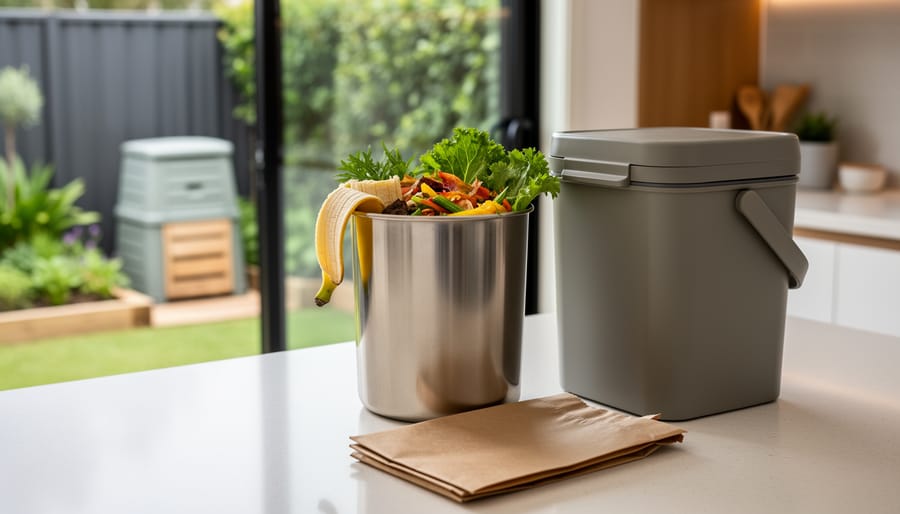
Sustainable waste solutions are methods of managing rubbish that keep valuable materials in use and turn what’s left into energy, instead of burying it in landfill. Food scraps, crop residue, timber offcuts and wastewater sludge all carry usable energy and nutrients. The right technology can unlock them.
The idea is simple. Organic waste is packed with carbon, and microbes, heat or pressure can convert it into biogas, electricity, heat, compost or even renewable fuels. Plastics, metals and glass can be sorted and reprocessed into new products. What once cost councils and businesses money to dispose of becomes a resource that pays its way.
Australia is already putting this into practice. Farms are capturing methane from manure and feeding it into on-site generators, and food processors are running boilers on their own waste streams. Treatment plants are powering their operations from the sludge they once paid to cart away. Each project cuts emissions, trims costs and keeps good material out of the ground.
This guide explains how waste conversion works, the main technologies behind it, and where they’re delivering results across the country. You’ll also find answers to the questions people ask most, so you can see what’s practical for your home, council or business.
What Sustainable Waste Solutions Really Mean
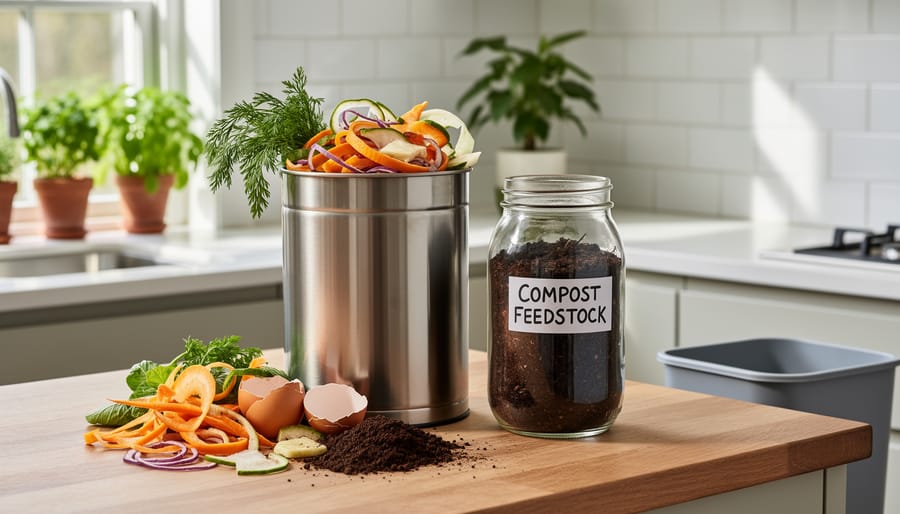
Sustainable waste solutions are ways of handling rubbish so that its energy, nutrients and materials get recovered instead of buried. That’s the big difference from simply “getting rid of” waste. Traditional disposal treats a banana peel, a pile of prunings or a tonne of cattle manure as a problem to be trucked away and dumped. A sustainable approach treats the same stuff as an ingredient for something else.
This is the shift from a take-make-dump model to a circular one. In the old way, resources get used once and end up in landfill, where food and garden waste rots and releases methane, a potent greenhouse gas. In the circular way, waste becomes an input: scraps turn into fuel, offcuts turn into compost, and the loop keeps going.
Here are a few terms you’ll see throughout this guide:
- Waste-to-resource
- Any process that turns discarded material into something useful, such as energy, fuel, fertiliser or building materials.
- Biomass
- Organic material from plants and animals, like crop residues, food scraps, woodchips and manure, that can be used as a renewable energy source.
- Circular economy
- A system where products and materials are reused, recycled and recovered for as long as possible rather than thrown away.
- Landfill diversion
- Keeping waste out of landfill by sending it to be recycled, composted or converted into energy.
This is where bioenergy comes in. Organic waste is full of stored energy, and capturing it lets us generate power and heat while cutting the carbon emissions that come from rotting waste and from burning fossil fuels. It’s a double win for the climate.
So where do Sustainable Waste-to-Resource Conversion Technologies fit? They’re the practical tools that make the circular idea real. From sealed digesters to composting systems and heat-based processors, they do the actual work of turning yesterday’s rubbish into tomorrow’s resource.
How Waste-to-Resource Conversion Works
Think of a conversion system as a stomach for the farm or the town. Waste goes in one end, gets broken down, and useful things come out the other. The journey follows four steps, and once you see them, most technologies start to make sense.
First comes collecting and sorting. Not all waste suits every process, so the starting material (called feedstock) needs to be separated. Food scraps, manure, crop offcuts and used cooking oil are wet or oily organic matter, while timber offcuts and straw are drier. A clean, well-sorted feedstock gives better results later, which is why a separate bin for kitchen scraps at home really does matter.
Next is breaking it down. There are two main ways to do this. The first is biological: tiny microbes munch through the organic material, much like the bugs in a cow’s gut, and release gas or turn it into compost. The second uses heat, where dry biomass is warmed in a controlled setting (often with little or no oxygen) until it turns into gas, oil or charcoal-like material.
Then comes capturing the outputs. This is where the magic happens. Depending on the process, the waste becomes biogas for power and heat, liquid fuels, nutrient-rich compost or digestate for soil, or biochar that locks carbon away.
Finally, those outputs go back to work. The gas runs a generator in the dairy shed, the fuel moves a truck, and the compost feeds the next crop. The loop closes, and what was once a disposal problem becomes an input.
Better still, each step can be scaled up or down, from a backyard compost bin to a large regional plant, so there’s an entry point for just about everyone.
Main Technologies Turning Waste Into Value
Anaerobic Digestion and Biogas
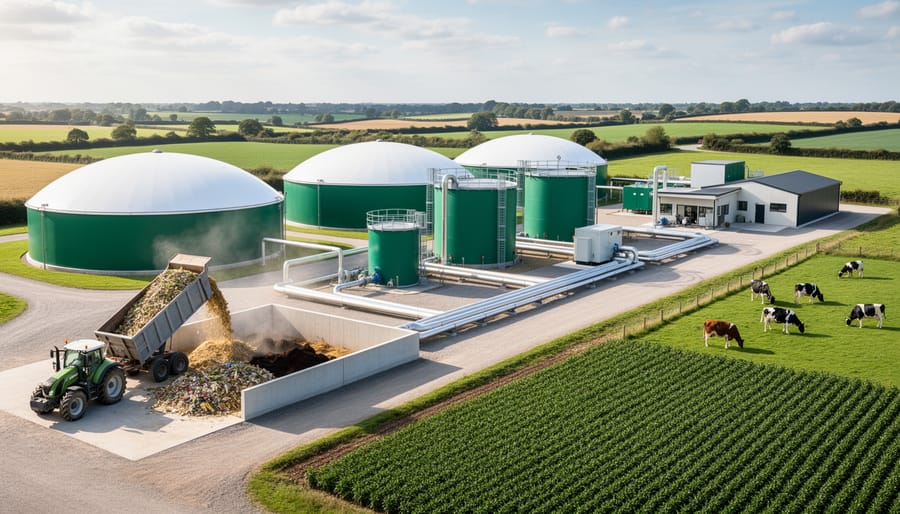
Anaerobic digestion is basically a stomach for your rubbish. Food scraps, manure and crop residues go into a sealed, oxygen-free tank, where hungry microbes break them down and release biogas, a mix of methane and carbon dioxide that can fire up generators or boilers for power and heat. Here’s a closer look at biogas from waste and manure and why feeding the tank a good mix of materials makes a real difference.
Here’s a quick scan of what each main technology makes:
- Anaerobic digestion: biogas for power and heat, plus digestate.
- Composting: nutrient-rich compost for soil.
- Pyrolysis and gasification: syngas, bio-oil and biochar.
- Biofuel production: liquid fuels for industry and vehicles.
- Material recycling: reusable raw materials for new products.
The leftover material, called digestate, isn’t waste at all. It’s packed with nutrients, so it can go straight back onto paddocks and gardens, closing the loop nicely.
Composting and Biochar
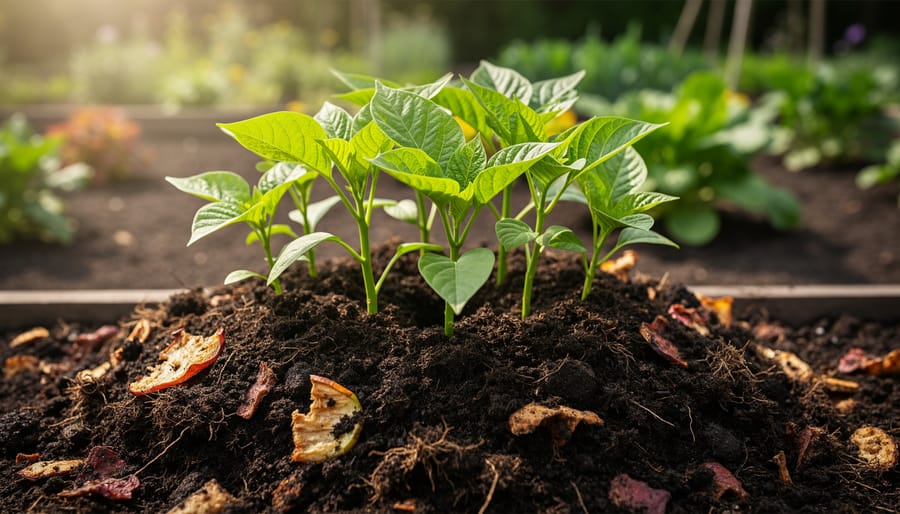
Composting is the simplest way to turn waste into a resource. Food scraps, garden clippings and farm residues break down with oxygen and microbes into dark, crumbly compost that feeds the soil. It works at every scale, from a backyard bin to long farm windrows turned by a tractor, and urban composting shows how even a balcony worm farm keeps scraps out of landfill.
Biochar takes a hotter path. Woody waste like orchard prunings or sawmill offcuts is heated with very little oxygen, a process called pyrolysis, leaving a porous, charcoal-like material. Worked into soil, it holds moisture and nutrients, and it locks carbon in the ground for a very long time instead of letting it drift off as carbon dioxide.
Thermal Conversion and Biofuels
Some waste is too dry or woody for microbes to chew through quickly. That’s where heat comes in.
Gasification heats dry biomass, such as sawdust, wood offcuts or crop stubble, to very high temperatures with only a little oxygen. Instead of burning, the material breaks down into syngas, a mix of hydrogen and carbon monoxide that can run engines, drive turbines or feed industrial boilers. Think of it as coaxing the energy out of the fuel without setting it alight.
Pyrolysis works in a similar way, but with no oxygen at all. The heat splits the material into three useful products: bio-oil, syngas and a stable, carbon-rich char. Bio-oil can be refined into fuel or chemicals, while the char loops back to the soil, tying this method neatly to the biochar story above.
Then there’s biofuel production, which often starts with something very familiar: used cooking oil from fish and chip shops, restaurants and food manufacturers. Through a chemical process called transesterification, that spent oil becomes biodiesel. Other feedstocks, such as grain waste or tallow, can become ethanol or renewable diesel through related processes.
The payoff is practical. These fuels can slot into existing trucks, tractors and industrial equipment, often with few or no changes. Heavy transport and manufacturing are hard to electrify, so turning yesterday’s waste into tomorrow’s fuel gives them a cleaner option while the broader shift to renewables continues.
Where These Solutions Are Making a Difference
On the Farm and in the Paddock
On many Australian farms, the biggest waste problem is also the biggest opportunity. Manure from dairy sheds, piggeries and feedlots, along with crop residues and food-processing offcuts, can feed a biogas digester that produces electricity and heat on site. That power can run milking machines, cool milk vats and warm sheds, trimming the energy bill and the cost of trucking waste away.
Then there’s the paddock itself. The leftover digestate is rich in nutrients, so it can go back onto the soil as a natural fertiliser, which means less bought-in product and healthier ground. Composting does a similar job for green waste and stable bedding, and woody offcuts can be turned into biochar to lock carbon into the soil.
The result is a tidy loop: waste becomes energy, energy runs the farm, and nutrients return to the land.
In Industry, Towns and Cities
Food processors, councils and city businesses are discovering that organic waste is far more valuable as an input than as landfill. A bakery, brewery or fruit packer can send its off-cuts and spent grain to a nearby digester, where they’re turned into biogas that helps run the plant itself. That cuts power bills and trims disposal costs at the same time.
Councils are getting in on the act too. Kerbside food and garden organics collections feed composting and digestion facilities, keeping a heavy, methane-producing material out of landfill. Many landfills also capture their own gas and burn it to generate electricity for the local grid.
The benefits ripple outward. Running these facilities takes operators, drivers, technicians and engineers, and much of that work lands in regional communities. It’s a practical way to keep energy, money and jobs circulating close to home.
Common Questions About Turning Waste Into Resources
Most readers have the same handful of questions before they trust a new idea, so let’s tackle them head-on. Each one points to a practical opportunity rather than a roadblock.
Is waste-to-energy the same as burning rubbish?
Not at all. Biological methods like anaerobic digestion use microbes in sealed tanks, no flames involved, and thermal methods like gasification and pyrolysis control heat and oxygen carefully to capture the useful gas, oil and char rather than simply incinerating everything.
What kinds of waste can be converted?
Food scraps, manure, crop residues, woody offcuts and used cooking oil are all strong candidates. Each feedstock suits a particular technology, which is why sorting well at the start makes such a difference.
Can households or small farms get involved?
Absolutely. A backyard compost bin is the simplest entry point, and small farms can explore on-site digesters or biochar. Pairing these steps with other upgrades, like power with renewables at home, builds a more self-reliant setup.
What are the first steps for a business?
Start by working out what organic waste you produce and what it costs to dispose of. From there, you can talk to local processors or technology providers about the best fit for your volumes.
Farmers often find that waste projects sit comfortably alongside other efficiency wins. Capturing energy from manure, for instance, goes hand in hand with smarter paddock management and farm water efficiency so the same property can trim costs on several fronts at once.
For towns and industries, the bigger picture is encouraging. Turning organic waste into local energy fits neatly with the broader renewable energy rise already reshaping how Australians power their lives. Every tonne kept out of landfill is a small but real step towards lower emissions, healthier soils and new regional jobs.
Every banana peel, paddock offcut and tub of used cooking oil carries something worth keeping. That’s the heart of sustainable waste solutions: seeing rubbish as a resource that simply hasn’t found its next job yet.
Sustainable waste-to-resource conversion technologies give it one. Anaerobic digesters turn food scraps and manure into biogas. Compost and biochar lock carbon and nutrients into healthier soils. Thermal processes and biofuels put dry biomass and spent oil back to work. The payoff is cleaner energy, fewer emissions, lower disposal costs and new jobs in regional towns.
You don’t need a digester in the backyard to be part of it. Start by sorting your organics properly, so more of them reach composting and energy projects instead of landfill. If you run a farm or small business, look into what on-site options could do with your own waste stream. And when a local project comes along, give it your backing. Small steps like these add up quickly.