

Electronic data interchange, or EDI, is the structured, computer-to-computer exchange of business information using agreed formats, so one organisation’s system can send data directly to another’s without anyone retyping, emailing a spreadsheet or posting a form. Think of it as a shared language that lets software talk to software. An invoice, a delivery notice or a sustainability record leaves one system, arrives in another, and is understood straight away.
Why does this matter for bioenergy and agriculture? Because the sector runs on records. Feedstock volumes, delivery dates, emissions figures and certification details all need to move between growers, processors, certifiers and regulators, and every manual handover is a chance for delay or error. Well-designed data exchange cuts that friction, which makes measurement, reporting and verification (MRV) faster, cheaper and easier to trust.
For Australian producers and organisations, that’s a genuinely hopeful story. Cleaner data flows mean less paperwork and more time spent growing, processing and generating renewable energy.
This article explains in plain language what EDI is, how a message travels from sender to receiver, the standards and components that hold it together, and where it’s already put to work in practical, real-world settings.
What Electronic Data Interchange Means for Digital MRV
Why a Shared Language Matters for Bioenergy
Picture a regional biomass cooperative, say a group of growers supplying crop residues to a small power plant. Every quarter, someone spends days pulling weigh-bridge tickets, fuel logs and meter readings into spreadsheets, then emailing PDFs to an auditor who types much of it back into their own system. One transposed digit, and the whole exercise stalls while everyone hunts for the mistake.
Now imagine the same cooperative after adopting a shared data language. The weigh-bridge, the plant’s meters and the growers’ records all describe the same things in the same structured way. Data flows straight to the auditor and the buyer, checked automatically as it arrives. Nobody re-keys a number, and mismatches get flagged within hours instead of weeks.
The practical wins are easy to spot. Staff get their time back for running the operation. Errors drop because fewer hands touch the figures, which does wonders for carbon data accuracy. And verified records can reach credit schemes and approval bodies sooner, so projects start earning recognition faster.
This is a hypothetical example, but it shows why agreeing on a common language matters so much for bioenergy.
How Electronic Data Interchange Works Behind the Scenes
Think of an electronic data exchange as a well-run relay race, where each handover has clear rules so the baton never gets dropped.
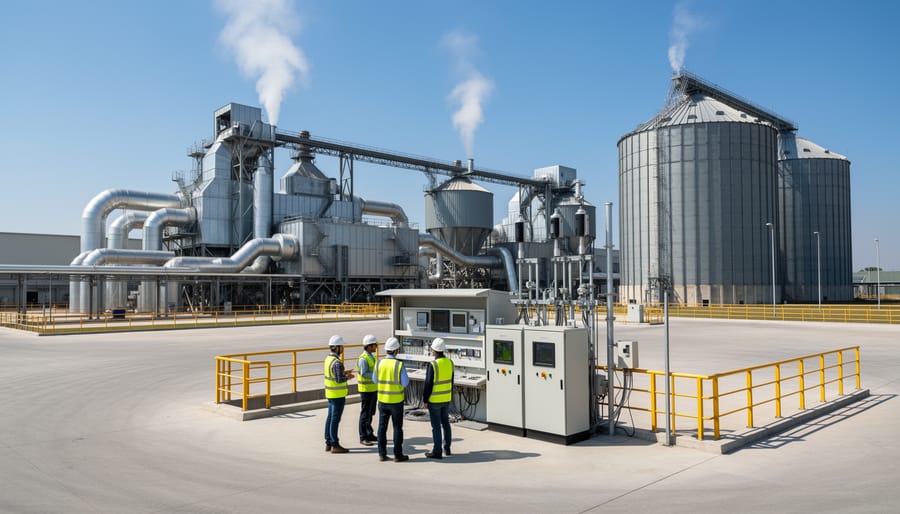
It starts at the source. A meter at a biomass plant, a weighbridge at a sawmill or a farmer’s harvest record captures the raw numbers: tonnes delivered, megawatt hours generated, litres of fuel used. Next, that information is formatted to an agreed structure. Everyone involved uses the same layout, so “moisture content” always sits in the same spot and means the same thing. This agreed layout is the standard, and it’s what stops one system from misreading another.
Each record also carries a unique identifier, a bit like a barcode on a parcel. It tells the receiver exactly which site, batch or reporting period the data belongs to, so nothing gets mixed up or counted twice.
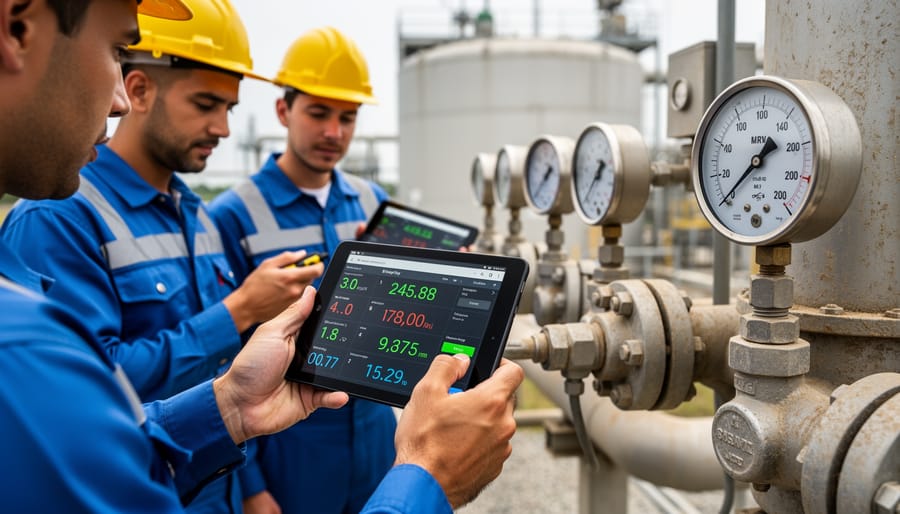
Then comes secure transmission. The data travels through an encrypted channel straight to the verifier, regulator or registry, with no re-typing along the way. On arrival, validation rules check it automatically. Is the date sensible? Are the units right? Is a required field missing? Modern tools are getting smarter here too, and AI data validation can flag unusual patterns that simple rules might miss, so a person only needs to look at the genuine exceptions.
Finally, every step is recorded in an audit trail, a time-stamped log showing who sent what, when it arrived and whether it passed its checks. That trail is what lets an auditor trust the numbers without chasing paperwork.
Put together, standards, identifiers, validation and audit trails turn a simple data transfer into something people can rely on. The result is faster verification, fewer errors and more confidence for everyone involved.
Types of Data Exchange and the Standards That Make Them Interoperable
Choosing Between Legacy EDI and Modern APIs
Neither approach is the “right” one for everyone. It comes down to who you’re exchanging data with, how much of it there is, and what systems you already run.
Legacy EDI messaging still earns its keep in established, high-volume relationships. If a large buyer, utility or registry already runs on EDI, with fixed message formats and strict rules, plugging into that setup is often the quickest way to get paid and stay compliant. It’s proven, predictable and well understood by the people on the other end.
Modern APIs suit projects that are growing or changing. An API is a web-based connection that lets two systems ask for and send data on demand, usually with far less setup. For a young biomass operation or a farm cooperative adding new sites, suppliers or reporting needs, that flexibility can save serious time and money. Updates are easier too, and smaller operators don’t need heavy infrastructure to take part.
A handy rule of thumb: match your partners first, then your scale. Plenty of organisations use both, keeping EDI where a partner requires it and adding APIs everywhere else. Start with what your key partners already accept, and build from there.
How Electronic Data Interchange Is Used Across Bioenergy, Farming and Carbon Reporting

Picture a load of cane trash or sawmill residue leaving a regional Queensland property. With electronic data interchange, the weight, moisture reading and source location can travel from the weighbridge to the power plant’s system without anyone retyping a thing. That same record then flows on to the auditor and the buyer. The paper trail that once took weeks to chase becomes a clean digital thread, and that’s the heart of how EDI is used across bioenergy, farming and carbon reporting.
Biomass supply chain tracking. From paddock or mill to power plant, structured records show where material came from, how much moved and when. That gives plant operators confidence in their fuel supply and gives farmers a simple way to prove their residues are genuine.
Emissions and energy output reporting. Industrial sites can send metered energy and emissions data straight into the formats regulators and auditors expect. It’s the same idea behind farm biogas reporting where gas output and energy generated can be logged once and reused for multiple purposes, rather than being rebuilt into a new spreadsheet for every request.
Certification and carbon credits. Sustainability schemes and credit programs rely on evidence. When that evidence arrives in a consistent, machine-readable format, checking it gets faster and less costly. This applies equally to carbon capture verification where measurements need to be traceable from the source through to the registry.
Sharing between producers, auditors, registries and government. Instead of emailing PDFs back and forth, each party receives the data it needs in a format its own system understands. Here’s a simple, hypothetical example: a farming cooperative supplies residues to a regional plant. Because both sides use the same data structure, the monthly report that once took days is assembled in minutes, and the auditor can check it almost straight away.
The real-world payoffs add up. There’s less paperwork, faster verification and stronger buyer confidence, because the numbers can be traced back to their source. And when the process is smooth, it’s easier for new players to enter the market, which means more opportunities for regional communities and local jobs to grow alongside the industry.
Getting Started: Practical Steps and Common Questions
Starting your digital MRV journey doesn’t need a big-bang overhaul. A few sensible steps will get you moving.
First, audit what you already have. List where your data lives today: meter readings, weighbridge tickets, farm records, spreadsheets, emailed PDFs. You can’t connect what you haven’t mapped.
Next, favour open, widely adopted standards. They keep you flexible and mean you’re not locked into one supplier. Then start small. Pick one reporting process, perhaps monthly energy output or biomass deliveries, and get that flowing cleanly before expanding.
Choose partners who genuinely support interoperability, and ask them plainly how their systems exchange data. Plan for security and privacy from day one, including who can see what and how access is tracked.
Here are a few questions we hear often.
What is the difference between EDI and an API?
Traditional EDI sends structured documents in agreed formats, often in scheduled batches. An API is a lighter, web-based doorway that lets systems request or send data on demand. Both move information between computers without re-typing.
Do small bioenergy operators need EDI?
Not necessarily the older style. Many smaller farms and operators do well with simple file uploads or modern APIs, and open standards are making it easier for them to join in.
How does interoperability help with verification and compliance?
When your data arrives in a consistent, structured form, auditors and regulators can check it faster and with fewer errors. That means less back-and-forth and a smoother path to approvals.
Where should an organisation start?
Map your current data sources, choose one reporting task, and check which standards your regulators and buyers already use. Frameworks evolve, so confirm current requirements with the relevant bodies.
Small, steady steps add up, and every connected process makes the next one easier.
Electronic data interchange might sound like back-office plumbing, but it’s the quiet enabler behind trusted digital MRV. When meters, farm records, plants and regulators all speak the same structured language, scattered spreadsheets and emailed PDFs become connected, checkable information that everyone can rely on.
For Australia’s bioenergy sector, that’s a big deal. Less paperwork means more time spent growing, generating and improving. Faster verification means projects can reach buyers and new markets sooner. Open, well-documented standards mean a small regional operator can join in just as readily as a major industrial player, which helps keep opportunity and jobs in our communities.
The best part is that you don’t need to overhaul everything overnight. Start with one reporting process, pick partners who value interoperability, and build from there. Take a look at the interoperable tools available today, and be part of the shift towards a cleaner, smarter, more sustainable energy system.