

Renewable and Sustainable Energy Reviews stands as one of the most influential peer-reviewed journals in the global energy transition, offering researchers and industry professionals a high-impact platform for comprehensive review papers and original research since 1997. Published by Elsevier under the guidance of Editor-in-Chief Emeritus Arindam Banerjee, PhD, this journal has carved out a unique niche by requiring that all submissions include a significant review component, whether they’re presenting new technology analyses, case studies, or groundbreaking research in renewable and sustainable power generation.
For Australian researchers working at the forefront of solar innovation, wind farm optimization, or emerging bioenergy solutions, getting published here means joining a conversation that shapes policy and industry practice worldwide. The journal’s scope bridges academic rigor with practical application, exactly what’s needed as Australia accelerates toward its renewable energy targets.
The submission process is rigorous but straightforward. Authors must confirm their work falls within the renewable or sustainable power-generation scope, prepare a comprehensive benchmark and validation package, and clearly state original-paper word counts and reference counts in their cover letter. This structured approach ensures every published article meets the journal’s exacting standards for quality and relevance.
What sets this publication apart is its focus on review-oriented content that synthesizes existing knowledge while pushing boundaries. Rather than isolated data points, readers find synthesized insights that connect technology breakthroughs to real-world deployment challenges. For practitioners evaluating which solar thermal system works best in Australia’s diverse climate zones or policymakers weighing storage solutions for grid stability, these comprehensive reviews cut through fragmented research to deliver actionable intelligence. The journal doesn’t just document the renewable revolution; it actively shapes how professionals and academics understand and implement sustainable energy solutions across industries and continents.
What Makes Renewable and Sustainable Energy Reviews Stand Out
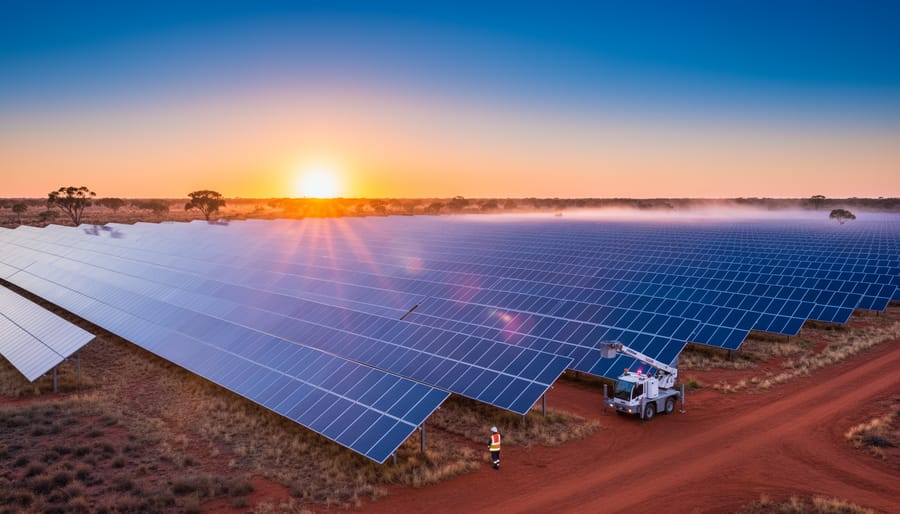
Renewable and Sustainable Energy Reviews has earned its reputation as a heavyweight in energy research publishing through decades of consistent quality and scope. Launched in 1997 by Elsevier, the journal has built a track record that spans nearly three decades of documenting the renewable energy sector’s evolution from niche technology to mainstream solution.
What sets this publication apart is its comprehensive approach to coverage. The journal doesn’t restrict itself to one type of content. It publishes review papers that synthesize existing research, original studies that break new ground, case studies documenting real-world implementations, and technology analyses that include significant review components. This breadth means researchers can find everything from meta-analyses of solar efficiency trends to granular case studies of biomass conversion projects, all in one trusted source.
The Elsevier backing matters more than many realize. It brings rigorous peer-review processes, global distribution networks, and indexing in major academic databases. When your research appears in an Elsevier journal, it gains visibility among decision-makers, funding bodies, and fellow researchers who rely on established publishers for credible information.
The journal’s scope centres on renewable and sustainable power generation, which aligns perfectly with Australia’s energy transition priorities. Whether you’re investigating next-generation biofuel production, comparing wind turbine efficiencies, or analyzing grid integration challenges, the journal’s editorial focus accommodates the full spectrum of renewable energy topics. The editorial board, led by Editor-in-Chief Emeritus Arindam Banerjee, maintains standards that balance academic rigour with practical relevance.
For Australian researchers, this combination of longevity, publisher credibility, and comprehensive scope creates a publication that’s both prestigious enough to advance careers and practical enough to influence real-world energy decisions. The journal has become a go-to reference precisely because it bridges theoretical research and applied solutions, publishing work that matters to both academia and industry.
How Australian Bioenergy Research Fits Into the Journal’s Scope
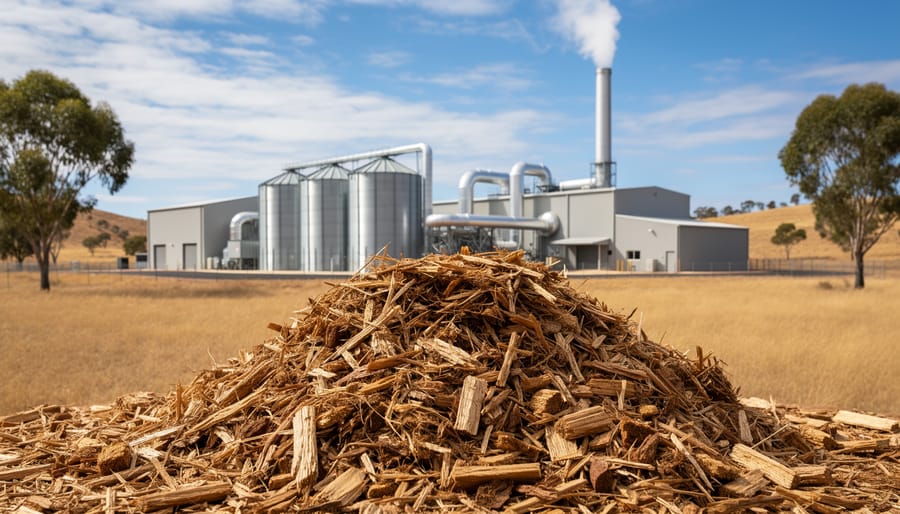
Australia’s thriving bioenergy sector offers researchers numerous opportunities to contribute to Renewable and Sustainable Energy Reviews, particularly as the nation explores practical pathways to reduce fossil fuel dependence. The journal’s focus on review papers, original research, case studies, and technology analyses creates space for the comprehensive biomass studies Australia needs.
Biomass conversion research aligns perfectly with the publication’s scope. Studies examining biofuel pathways from agricultural waste, municipal solid waste processing technologies, or anaerobic digestion optimization all fit the journal’s renewable power-generation mandate. Research comparing different biomass feedstocks for energy generation, whether sugarcane bagasse in Queensland or wheat straw in Victoria, represents exactly the kind of comparative analysis the publication values.
Carbon reduction studies present another strong match. Research quantifying greenhouse gas emissions reductions from switching coal-fired power plants to biomass co-firing, or life-cycle analyses of various bioenergy pathways, addresses both renewable energy and sustainability dimensions. Australia’s unique position with abundant agricultural residues and forest residues makes comparative studies between different feedstock sources particularly valuable for international readers facing similar decisions.
Practical implementation research also fits well. Case studies examining how regional councils have deployed biomass heating systems, techno-economic analyses of biomass power plants in rural communities, or policy reviews of state-level bioenergy incentives all contain the significant review component the journal seeks. Research addressing integration challenges, such as balancing intermittent solar and wind with dispatchable biomass power, tackles real-world problems the global renewable energy community faces.
The journal’s sustained focus since 1997 on comprehensive renewable energy solutions means Australian researchers have a receptive venue for work that bridges laboratory findings with commercial deployment. Whether examining native grass species for energy crops, wastewater treatment plant biogas optimization, or biomass supply chain logistics, the key is demonstrating how findings advance sustainable power generation knowledge.
Real-World Impact: Success Stories from Published Research

Research published in Renewable and Sustainable Energy Reviews doesn’t just sit in academic archives, it shapes how we generate and use renewable energy in the real world. The journal’s emphasis on review papers with practical applicability means published studies often bridge the gap between laboratory findings and commercial deployment, particularly in sectors where Australia has significant potential.
One clear example comes from bioenergy conversion efficiency research. Studies examining the optimal conditions for converting agricultural residues into usable energy have directly informed the design of Australian biomass facilities. When researchers publish validated data on temperature ranges, feedstock moisture content, and conversion rates, project developers can skip years of trial-and-error testing. The result is faster project rollout and lower capital risk for investors entering the bioenergy market.
Waste-to-energy technology has particularly benefited from published case studies that document successful implementations in similar climates and regulatory environments. Australian councils considering organic waste processing systems now have access to peer-reviewed analyses of overseas projects, including operational costs, energy yields, and emission profiles. This evidence base helps secure funding and community support by demonstrating proven outcomes rather than untested concepts.
The journal’s international scope creates valuable knowledge transfer opportunities. A study on solar thermal integration with biomass combustion published by European researchers might spark interest from Australian operators looking to improve baseload stability. Conversely, research on handling eucalyptus feedstock characteristics becomes reference material for similar hardwood biomass projects in South America and Asia.
Policy decisions also trace back to journal publications. When governments evaluate renewable energy targets or design support mechanisms, they rely on comprehensive reviews that synthesize multiple studies into clear recommendations. A well-cited review paper on the lifecycle carbon benefits of different bioenergy pathways, for instance, can influence whether certain technologies receive favourable treatment in emissions reduction schemes.
For industry professionals, published research reduces commercial risk. Before committing millions to new technology, companies examine peer-reviewed validation data. If multiple independent studies confirm a technology’s reliability and economic viability, investment committees gain the confidence needed to proceed. This process accelerates the transition from pilot projects to commercial-scale renewable energy generation across Australia’s regions.
What Researchers Need to Know Before Submitting
Submitting to Renewable and Sustainable Energy Reviews requires thorough preparation, but understanding the journal’s expectations upfront saves time and increases your chances of acceptance. Whether you’re sharing breakthrough bioenergy research or comprehensive sustainability analyses, following these submission essentials will set you up for success.
The journal’s submission guide emphasizes three critical steps that form the foundation of every strong submission:
- Confirm your research fits the renewable or sustainable power-generation scope. The journal publishes review papers, original research, case studies and new technology analyses that include a significant review component. If your work examines biomass conversion efficiency, grid connection frameworks for renewable systems, or sustainable energy policy impacts, you’re likely on target.
- Prepare your benchmark and validation package before submission. This documentation demonstrates the rigour of your methodology and allows reviewers to assess the reliability of your findings. Include detailed descriptions of your data sources, validation methods, and comparative benchmarks that situate your research within existing literature.
- Check your original paper’s word count and reference count, then clearly state both figures in your cover letter. This transparency helps editors quickly assess whether your manuscript meets journal parameters and shows attention to submission requirements.
Beyond these core requirements, successful submissions share common characteristics. Your cover letter should articulate why your research matters now and how it advances the field beyond existing publications. Be specific about your contribution rather than offering generic statements about renewable energy’s importance.
Australian researchers often find success by highlighting regional innovations with global applicability. If your work addresses unique challenges in Australia’s energy landscape, such as biomass resource assessment in arid climates or integration strategies for distributed renewable systems, explain how these insights translate to broader contexts.
Review the journal’s published articles from the past year to understand current editorial priorities and formatting conventions. Pay attention to how successful papers structure their review components, present data, and balance technical depth with accessibility. This Elsevier publication, active since 1997, maintains high standards but rewards well-prepared submissions that genuinely advance renewable energy knowledge.
Take time with your abstract. It’s often the deciding factor in whether your manuscript receives full review consideration, so make every word count.
Why This Journal Matters for Australia’s Energy Future
Australia’s renewable energy sector stands at a crossroads. While the country boasts some of the world’s best solar and wind resources, peer-reviewed research remains the backbone of turning potential into practical, scalable solutions. Renewable and Sustainable Energy Reviews serves as a critical bridge between laboratory discoveries and the policy decisions that shape our energy landscape.
Quality research publications accelerate innovation by documenting what works, what fails, and why. When bioenergy researchers share validated findings on biomass conversion efficiency or carbon reduction methods, they save countless hours and resources for teams across the country. Industry professionals gain access to proven methodologies rather than reinventing approaches that others have already refined. This collective knowledge sharing transforms individual experiments into sector-wide progress.
Policy decisions carry more weight when backed by rigorous academic evidence. State and federal energy ministers regularly reference peer-reviewed studies when designing incentive programs, setting renewable energy targets, or allocating research funding. The comprehensive review papers published since 1997 in this journal provide exactly the kind of synthesis policymakers need, distilled insights from multiple studies rather than isolated findings. When government officials can cite validated research on sustainable power generation, they build stronger cases for investment in emerging technologies like advanced biofuels or hybrid renewable systems.
For Australia’s bioenergy sector specifically, academic publishing closes critical knowledge gaps. The country’s current renewable energy contribution lags behind nations with comparable resources, partly because proven international approaches haven’t been adapted to Australian conditions. Published case studies that examine local biomass sources, regional climate factors, and domestic supply chains give industry developers the confidence to move forward with projects. Each well-documented success story in renewable energy research becomes a blueprint others can follow, compressing the timeline from concept to commercial deployment and bringing us closer to genuine energy independence.
Australia’s renewable energy future depends on the quality of research guiding our decisions today. Renewable and Sustainable Energy Reviews stands as a vital resource for researchers, industry professionals, and policymakers committed to accelerating our transition to sustainable power generation. Whether you’re developing bioenergy solutions, evaluating emerging technologies, or shaping energy policy, engaging with peer-reviewed research at this level strengthens your contribution to the field.
The journal’s rigorous standards ensure Australian stakeholders can trust the insights driving innovation. For researchers ready to share their findings, submitting work that advances renewable energy knowledge creates ripples far beyond academic circles. For professionals seeking evidence-based solutions, staying current with published research sharpens your competitive edge.
Action starts with informed decisions. Explore the latest review papers. Consider how your research might contribute. Share valuable findings with colleagues working toward similar goals. Every engagement with quality publications moves Australia closer to our renewable energy targets while supporting the sustainable living principles that benefit all Australians. The transition to clean energy isn’t just happening around us, it’s a challenge we’re actively shaping through knowledge, collaboration, and commitment to evidence-based progress.