
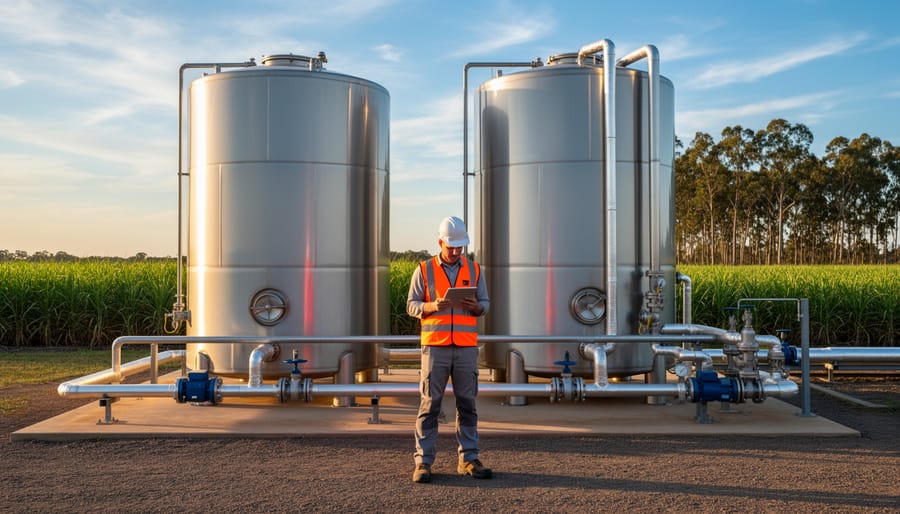
Bioresource engineers in Australia earn between $65,000 and $110,000 annually, with experienced professionals commanding salaries exceeding $130,000—figures that reflect the critical role these specialists play in transforming organic waste into clean energy. Graduate positions typically start around $65,000 to $75,000, while mid-career professionals with five to eight years of experience earn $85,000 to $100,000, and senior engineers or project managers regularly surpass six figures as they lead major bioenergy initiatives across agricultural regions and urban centers.
The compensation reflects more than just technical expertise. Bioresource engineers design anaerobic digesters that convert dairy farm waste into electricity, develop biorefinery systems processing sugarcane bagasse, and create circular economy solutions for food manufacturers—work that delivers measurable environmental impact alongside competitive pay. Unlike traditional engineering roles, these positions combine hands-on fieldwork with cutting-edge technology, offering variety that keeps the work engaging while supporting Australia’s renewable energy transition.
Career progression happens rapidly in this emerging field. Engineers who demonstrate strong project management skills and understand both the technical and commercial aspects of bioenergy systems advance quickly, often moving into consultancy roles or leadership positions within five to seven years. The demand continues growing as agricultural industries, local councils, and manufacturers seek expertise to meet emissions reduction targets, making bioenergy career salaries increasingly competitive with petroleum and mining sector compensation, but with the added benefit of building Australia’s sustainable energy future.
Understanding the Bioresource Engineer Role
Core Responsibilities and Daily Work
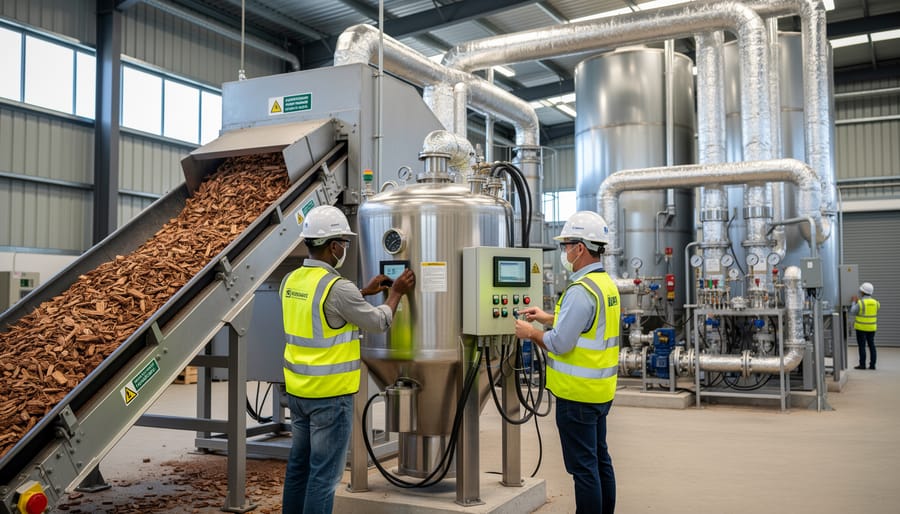
A day in the life of a bioresource engineer is refreshingly varied and purposeful. You might start your morning analysing data from anaerobic digestion systems at a dairy farm in Gippsland, where cattle waste transforms into renewable electricity powering 800 homes. By afternoon, you could be optimising feedstock ratios at a sugarcane processing facility in Queensland, ensuring maximum bioethanol yield while minimising environmental impact.
These engineers work hands-on with biomass processing equipment, conducting efficiency tests and troubleshooting issues when systems underperform. Take Sarah, a bioresource engineer in Western Australia, who recently redesigned waste collection protocols at a timber mill, increasing their bioenergy output by 23 percent whilst reducing disposal costs significantly.
Daily tasks blend laboratory work with field visits. You’ll collaborate with agronomists to identify suitable energy crops, meet with facility managers to discuss system upgrades, and prepare technical reports for stakeholders. Computer modelling features prominently too, as engineers simulate different scenarios to predict performance outcomes before implementing changes.
The role particularly appeals to problem-solvers who enjoy tangible results. When you optimise a biogas system or develop a more efficient conversion process, you’re directly contributing to Australia’s renewable energy targets whilst creating genuine environmental benefits for communities.
Skills That Set You Apart
What makes a bioresource engineer truly valuable in today’s market? It’s the unique blend of technical expertise and forward-thinking problem-solving that sets successful professionals apart.
At the foundation, you’ll need solid engineering fundamentals combined with environmental science knowledge. Understanding biological systems, chemical processes, and mechanical design principles allows you to develop innovative solutions for converting organic waste into renewable energy. Think of Sarah, a bioresource engineer in regional Victoria, who used her chemistry background to optimize a dairy farm’s biogas production, increasing energy output by 40 percent while solving the farm’s waste management challenges.
Data analysis skills have become increasingly critical as well. Modern bioresource projects rely on monitoring systems and efficiency metrics, so being comfortable with software tools and interpreting technical data gives you a competitive edge.
The soft skills matter just as much. Communication abilities help you explain complex concepts to farmers, business owners, and community stakeholders who might not have technical backgrounds. Project management expertise ensures you can deliver solutions on time and within budget. Creativity and adaptability prove essential when facing real-world challenges where textbook solutions don’t always apply.
Finally, genuine passion for sustainability drives career longevity. Employers recognize that engineers who truly care about environmental outcomes bring dedication that translates into better results and industry innovation.
The Numbers: Bioresource Engineer Salaries Across Australia
Entry-Level to Senior Positions
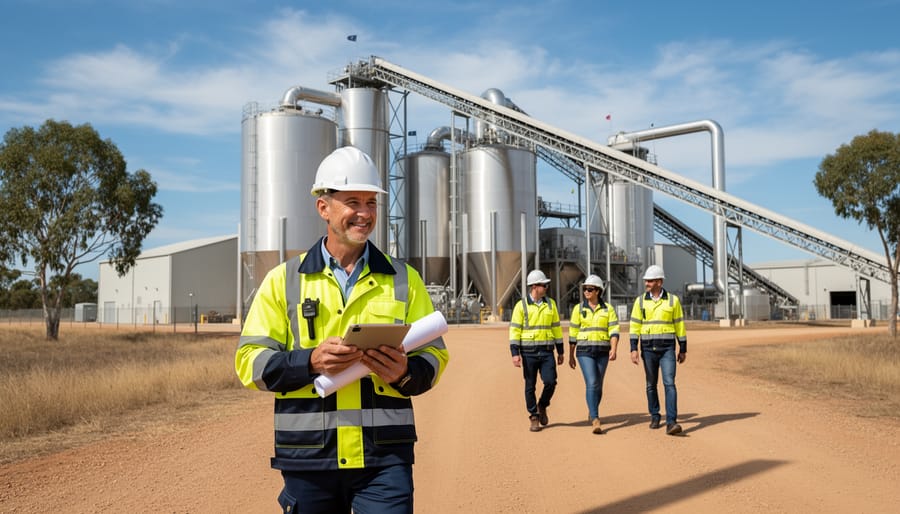
Starting your journey as a bioresource engineer in Australia typically means entering at a graduate level with salaries ranging from $65,000 to $75,000 annually. At this stage, you’re building foundational knowledge while contributing to practical projects like waste-to-energy systems or biomass assessments. This entry-level salary comfortably covers living expenses in regional areas and provides a solid start in major cities, particularly when you consider you’re launching a career that genuinely benefits the environment.
As you progress to mid-level positions with three to five years experience, your salary jumps significantly to between $85,000 and $110,000. Here’s where career trajectory becomes exciting. Engineers at this level often lead project components, manage technical assessments, and develop innovative solutions for converting agricultural waste into renewable energy. Take Sarah from regional Queensland, who progressed from graduate to mid-level engineer in four years while working on sugarcane bagasse energy projects, increasing her salary by nearly 50 percent while staying in her home community.
Senior bioresource engineers with extensive experience command salaries from $120,000 to $150,000-plus, with some reaching beyond $180,000 in specialized consultancy or management roles. These professionals drive strategic decisions, mentor emerging engineers, and shape Australia’s renewable energy landscape. The purchasing power at this level means financial security, investment opportunities, and the satisfaction of knowing your work accelerates Australia’s transition to sustainable energy systems. This career path demonstrates clear progression with meaningful financial rewards alongside environmental impact.
Regional Variations That Matter
Where you work significantly shapes your earning potential as a bioresource engineer in Australia. The major metropolitan centres of Sydney and Melbourne typically offer the highest base salaries, ranging from $85,000 to $110,000 for mid-level positions, reflecting higher living costs and concentrated demand for specialized expertise in these bustling markets.
However, regional opportunities present compelling advantages that savvy professionals shouldn’t overlook. Queensland’s expanding bioenergy sector, particularly around agricultural hubs processing sugarcane waste and forestry residues, offers competitive packages between $75,000 and $95,000, often sweetened with relocation assistance and lower housing costs. In South Australia, where innovative bioenergy facilities are transforming organic waste into renewable power, engineers can expect salaries from $70,000 to $90,000 while enjoying significantly reduced living expenses compared to capital cities.
The real win comes from looking beyond the base figure. Regional positions frequently include attractive perks like company vehicles, housing subsidies, and direct involvement in groundbreaking projects from conception to operation. Take Sarah, who moved from Melbourne to regional Queensland and discovered her purchasing power actually increased despite a nominally lower salary. She’s now leading a community-scale biogas project, gaining hands-on experience that would take years to access in a metropolitan role. Location choice becomes less about chasing the highest number and more about maximizing your total lifestyle and career satisfaction.
Industry Sector Comparisons
Bioresource engineers are carving out a competitive position in Australia’s evolving energy landscape. While traditional petroleum engineers might command higher starting salaries—often between $95,000 and $120,000—bioresource specialists benefit from stronger long-term growth potential as industries pivot toward sustainability. The real advantage? Job security in a sector that’s expanding rather than contracting.
Compared to conventional agricultural engineers earning $70,000 to $85,000, bioresource engineers typically command a 15-20% premium due to their specialized knowledge in renewable systems. Environmental consultants with similar experience levels earn comparable salaries, ranging from $75,000 to $95,000, though bioresource engineers working in commercial production facilities often see faster progression to senior roles.
Take Sarah Chen’s experience at a Victorian biogas facility. After five years in coal seam gas, she transitioned to bioresource engineering and found her salary matched her previous role while gaining access to emerging technologies and international opportunities. The agricultural waste-to-energy sector particularly values engineers who bridge traditional farming knowledge with renewable innovation.
What sets bioresource engineering apart isn’t just the numbers—it’s the trajectory. While mining engineering graduates face uncertain futures, bioresource specialists are entering an industry with government backing, increasing private investment, and genuine environmental impact that resonates with Australia’s sustainability goals.
Beyond the Paycheck: Job Quality in Bioenergy

Career Growth and Advancement Opportunities
The bioresource engineering field offers exceptional career transformation opportunities as Australia accelerates its renewable energy transition. Starting in technical roles, engineers can advance to senior positions within 5-7 years, with project management and R&D leadership pathways offering salaries exceeding $130,000 annually.
Specialisation options are diverse and rewarding. Some engineers focus on anaerobic digestion systems for agricultural waste, while others develop cutting-edge biofuel technologies or design large-scale biomass power facilities. Take Emma Chen, who began as a graduate engineer at a Queensland waste-to-energy plant and now leads a team developing innovative algae-based biofuel systems, tripling her initial salary within eight years.
The expanding sector also creates opportunities in consulting, policy development, and entrepreneurship. Many professionals establish their own bioenergy consultancies or join government agencies shaping Australia’s renewable future. Regional positions often include relocation incentives and faster advancement due to skills shortages.
Cross-industry mobility strengthens career resilience. Bioresource engineers transition smoothly between agriculture, manufacturing, local government, and energy sectors. Professional development through organisations like Engineers Australia and specialised training in emerging technologies keeps skills relevant and marketable, ensuring long-term career security in this growing field.
Work Conditions and Lifestyle Benefits
Bioresource engineers typically enjoy diverse work environments that keep the role engaging and dynamic. You might split your time between laboratory settings conducting research, outdoor fieldwork at agricultural sites or processing facilities, and office environments developing project plans. Many positions offer genuine flexibility, with hybrid arrangements becoming increasingly common as companies recognize the value of work-life balance.
The real drawcard for many professionals is the deep sense of purpose that comes with this career. Take Sarah Chen, a bioresource engineer in regional Queensland, who transformed a struggling sugarcane community by developing an innovative bagasse-to-energy system. “I wake up knowing my work directly reduces carbon emissions while supporting local farmers,” she shares. “That’s worth more than any paycheck alone could provide.”
Most bioresource engineers report high job satisfaction, driven by tangible environmental impact and collaborative team cultures. You’ll often work alongside passionate colleagues who share your commitment to sustainability. The role also offers excellent opportunities for continuous learning, with employers frequently supporting professional development through conferences, workshops, and specialized training. While fieldwork occasionally requires travel to remote locations, this variety appeals to those who appreciate hands-on problem-solving rather than desk-bound routines. The combination of competitive compensation, meaningful work, and supportive conditions makes bioresource engineering an increasingly attractive career pathway for environmentally minded professionals.
Job Security in a Growing Sector
Bioresource engineers are entering a profession with exceptional job security, thanks to Australia’s ambitious renewable energy commitments. The federal government’s target of 82% renewable electricity by 2030 has accelerated investment in bioenergy projects nationwide, creating sustained demand for skilled professionals who can design and optimize biomass systems. This Australia’s bioenergy jobs boom isn’t just a short-term trend—it represents a fundamental shift in how we generate power and manage organic waste.
Regional areas are particularly benefiting, with agricultural communities establishing bioenergy facilities that convert farm waste into electricity. These projects require long-term engineering expertise, offering stable positions in growing regional centers. For environmentally conscious professionals seeking meaningful work with financial stability, bioresource engineering delivers both purpose and security in an expanding sector.
Real Stories from the Field
Meet Sarah Chen, who traded her corporate engineering desk in Melbourne for hands-on work designing waste-to-energy systems across regional Victoria. “I started at $72,000 fresh out of uni, but within four years I’m earning $95,000 and genuinely excited about Monday mornings,” she shares. Sarah’s projects transform agricultural waste into renewable energy for farming communities, combining technical challenge with tangible environmental impact. “The salary’s competitive, but watching a dairy farm become energy-independent? That’s priceless.”
In Queensland’s sugar cane country, James Mitchell took an unconventional path into bioresource engineering. After completing a trade certificate and working five years as a technician, he pursued formal engineering qualifications while employed. “My employer supported my study because skilled bioresource engineers are hard to find,” James explains. Now earning $88,000 in a regional role, he enjoys lower living costs and meaningful work. “I’m designing systems that turn bagasse into bioethanol. The sugar industry’s becoming a renewable energy powerhouse, and I’m part of making that happen.”
Perth-based Priya Sharma leads a team developing algae-based biofuel projects, earning $125,000 as a senior engineer. “The salary reflects the specialized knowledge required, but also the growing investment in this sector,” she notes. Priya appreciates the variety in her role, from laboratory research to stakeholder consultation with Indigenous communities interested in sustainable land management practices.
These engineers share common themes: competitive compensation that improves steadily with experience, work that aligns with personal values, and genuine optimism about their industry’s future. They’re not just earning good livings; they’re building Australia’s renewable energy infrastructure while enjoying strong job security and diverse opportunities. Whether in bustling cities or regional communities, bioresource engineers consistently report high job satisfaction, driven by the combination of fair pay and purposeful work that addresses climate challenges head-on.
What’s Driving Wages Higher
The rising demand for bioresource engineers reflects Australia’s accelerating shift toward renewable energy, and employers are backing this up with increasingly attractive pay packets. Several key factors are pushing salaries higher across the sector, creating genuine opportunity for professionals entering this field.
The most significant driver is a critical skills shortage. Universities simply aren’t producing enough qualified bioresource engineers to meet industry needs. Companies developing biomass energy projects, agricultural waste conversion facilities, and sustainable fuel solutions are competing for a limited pool of talent. When demand outstrips supply, wages naturally climb. Many organisations are offering signing bonuses and enhanced benefits packages to secure the right candidates.
Government investment is another powerful force. Federal and state initiatives supporting renewable energy infrastructure have injected billions into the sector. Queensland’s Biofutures 10-Year Roadmap and similar programs across Australia are funding projects that require specialist engineering expertise. This public backing provides industry stability while creating new positions that didn’t exist five years ago.
The corporate world is also stepping up. Major agricultural processors and energy companies are establishing dedicated bioenergy divisions, recognising that biomass solutions aren’t just environmentally responsible but commercially viable. Take the success of sugar mills converting bagasse into electricity, or dairy operations transforming waste into biogas. These practical applications are proving profitable, encouraging further investment and expansion.
Technology advancement plays its part too. As bioresource engineering becomes more sophisticated, incorporating AI-driven optimisation and advanced conversion processes, the specialised knowledge required commands premium compensation. Engineers who can navigate both traditional engineering principles and cutting-edge biotech innovation are particularly valued.
Climate commitments from both government and industry ensure this upward salary trend will continue. Australia’s pathway to net-zero emissions requires thousands more bioresource engineers, positioning current professionals for sustained career growth and financial rewards.
Breaking Into the Field: Pathways and Expectations
Getting your foot in the door as a bioresource engineer starts with the right educational foundation. Most positions require at least a bachelor’s degree in chemical engineering, environmental engineering, agricultural engineering, or a related field. Several Australian universities now offer specialized programs in renewable energy and bioresource engineering, with institutions like the University of Queensland and RMIT leading the way in course development. These four-year degrees typically blend traditional engineering principles with modern sustainability science, preparing graduates for the unique challenges of converting organic materials into valuable resources.
For those already holding degrees in related fields, postgraduate qualifications or specialized certificates in bioenergy can open doors. Many professionals transition into bioresource engineering from backgrounds in chemistry, agriculture, or environmental science by complementing their existing knowledge with targeted training. Breaking into bioenergy often involves starting with internships or graduate programs at biofuel facilities, waste management companies, or renewable energy firms.
Starting salaries for recent graduates typically range between $60,000 and $75,000 annually, depending on location and company size. Metro areas like Melbourne and Brisbane tend to offer higher entry-level compensation, whilst regional positions might include relocation assistance or housing benefits. Most employers seek candidates with practical experience, so university projects involving biomass processing, fermentation systems, or waste-to-energy technologies can significantly strengthen applications.
The good news? Graduate programs in this sector are expanding rapidly. Major companies actively recruit at university career fairs, and many offer structured development pathways that fast-track talented graduates into project management roles within three to five years, making the initial investment in education particularly worthwhile.
The future of bioresource engineering in Australia shines brightly, offering a rare combination of competitive salaries, genuine environmental impact, and robust career growth. With average earnings ranging from $75,000 for emerging professionals to well over $130,000 for experienced engineers, this field rewards both your expertise and your passion for sustainability. As Australia accelerates its renewable energy transition, bioresource engineers stand at the forefront of innovation, transforming agricultural waste into clean energy, developing carbon-neutral solutions, and building the infrastructure our nation needs for a sustainable tomorrow.
For those contemplating this career path, the opportunities extend far beyond attractive pay packets. You’ll join a community of forward-thinking professionals solving real-world challenges, from powering remote communities with biogas to helping farmers turn crop residues into valuable energy resources. The work is tangible, the impact measurable, and the satisfaction profound.
Australia’s commitment to renewable energy means bioresource engineering positions will only increase in demand and value. Whether you’re a recent graduate, a career changer seeking purpose, or an experienced professional looking for your next challenge, this sector welcomes you. Step into a career where your skills genuinely matter, your contributions shape Australia’s energy landscape, and your salary reflects the vital role you play in building a cleaner, greener future for all Australians.