
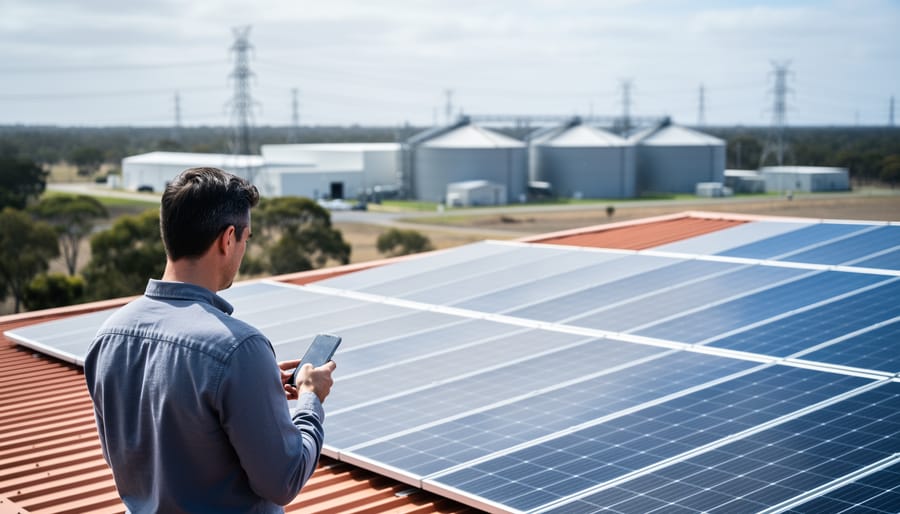
Changing how Australians think about bioenergy requires more than good intentions. It demands six proven digital marketing strategies that connect renewable energy solutions to real behavioral shifts. These tactics work because they meet audiences where they already spend their time online, transform abstract sustainability concepts into compelling stories, and make bioenergy adoption feel achievable rather than overwhelming.
The challenge facing bioenergy advocates in 2026 isn’t awareness alone. Most Australians understand climate change matters. What’s missing is the emotional connection and practical pathway that turns passive agreement into active support. Digital platforms offer unprecedented tools to bridge this gap, from targeted social campaigns that reshape perceptions to community-driven content that builds trust through peer influence.
Success in this space comes down to strategic selection. The six approaches outlined here weren’t chosen randomly. Each strategy addresses a specific barrier to behavioral change, whether that’s misconceptions about bioenergy reliability, uncertainty about personal impact, or simple lack of engaging information. Together, they form a cohesive framework that moves audiences from curiosity to conviction.
What makes these strategies particularly effective for promoting sustainable energy is their grounding in real results. Australian bioenergy projects have already demonstrated how the right digital approach can transform skeptics into advocates and casual supporters into active participants. The key lies in matching each tactic to your audience’s readiness stage, measuring what actually drives action, and refining your approach based on outcomes rather than assumptions.
The difference between campaigns that spark genuine behavioral change and those that simply generate likes comes down to implementation.
Why Digital Marketing Matters for Australia’s Renewable Energy Future
Australia’s energy transition faces a perception problem, not a technology problem. While bioenergy and other renewable solutions have proven their viability, many Australians remain unaware of their benefits or uncertain about making the switch. Digital marketing bridges this awareness gap by meeting people where they already spend their time, on search engines, social media feeds, and in email inboxes, and transforming passive scrolling into active consideration of sustainable energy choices.
Traditional advertising can’t match the precision and cost-efficiency of digital platforms when it comes to shifting energy consumption behaviors. A targeted Facebook campaign can reach rural farmers interested in converting agricultural waste to power for a fraction of what a television ad costs, while SEO-optimized content ensures that someone searching “renewable energy options Victoria” finds bioenergy information instead of outdated coal narratives. This matters because behavioral change doesn’t happen through one-off messages; it requires repeated exposure, trusted sources, and social norms that make sustainable choices feel normal rather than radical.
The unique challenge for bioenergy lies in its complexity, it’s not as immediately intuitive as solar panels on a roof. Strategic digital marketing cuts through this complexity by using storytelling, data visualization, and community-based social marketing techniques to make bioenergy tangible and relevant. When a Queensland dairy farmer shares a video of their waste-to-energy system on LinkedIn, or a local council posts about their renewable heat project on Instagram, they’re not just informing, they’re normalizing bioenergy as a practical, achievable choice for other Australians facing similar energy decisions.
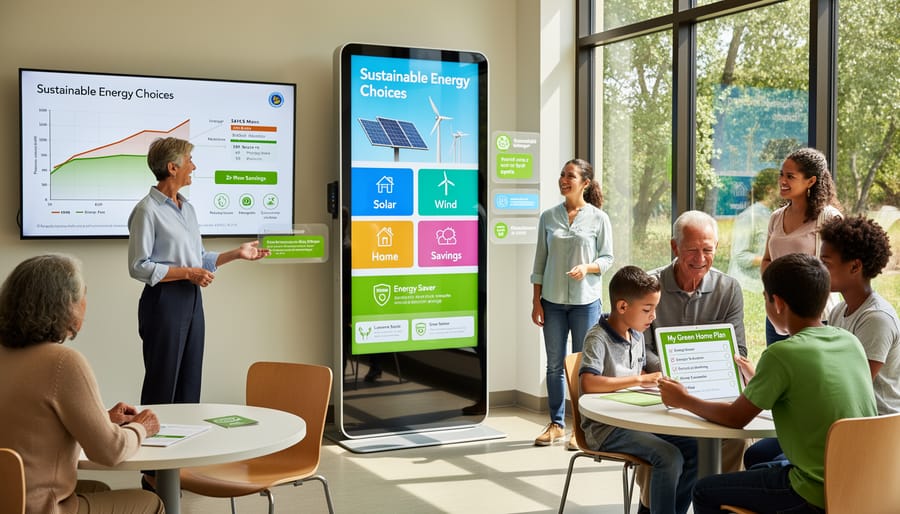
How We Selected These Strategies
We didn’t pull these strategies from thin air. Each one earned its place through rigorous evaluation against criteria that matter for real-world implementation in Australia’s renewable energy sector.
Every strategy in this guide meets these five standards:
- Proven effectiveness in driving renewable energy adoption, backed by measurable results from campaigns in Australia and comparable markets
- Accessibility for organizations of all sizes, from community bioenergy projects to large-scale renewable operators, without requiring massive budgets
- Demonstrable impact on behavioral change, not just awareness, strategies that move people from interest to action
- Relevance to Australian market conditions, including our unique geography, energy landscape, and cultural approach to sustainability
- Clear alignment with genuine sustainability goals rather than greenwashing tactics that undermine long-term trust
This framework ensures you’re investing time and resources in approaches that actually work. We’ve seen too many organizations scatter efforts across every digital platform without strategic focus, burning budgets while their message gets lost. The six strategies ahead passed this test because they consistently deliver results for sustainable energy promotion, whether you’re a grassroots advocate or an established renewable energy company. They bridge the gap between digital presence and tangible shifts in how Australians think about and adopt bioenergy solutions.
6 Digital Marketing Strategies for Sustainable Energy Success
1. Content Marketing Through Educational Storytelling
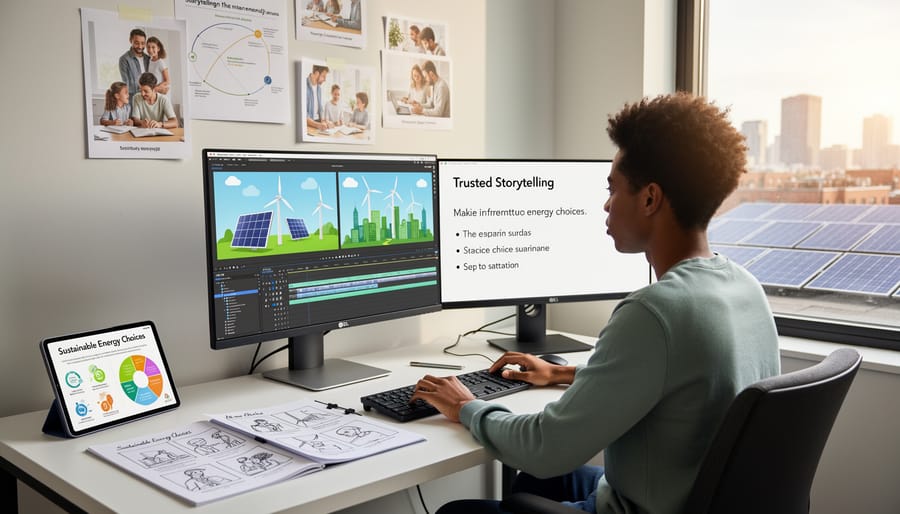
Educational storytelling transforms abstract bioenergy concepts into relatable narratives that drive behavioral change. Instead of leading with technical specifications or carbon calculations, effective content marketing shows real Australians solving real problems through sustainable energy.
Start with success stories that demonstrate tangible outcomes. A Queensland sugarcane farm converting harvest waste into electricity that powers 400 homes creates a more compelling narrative than generic renewable energy statistics. Video tours of biogas facilities, blog posts profiling farmers who’ve reduced their energy costs by 60%, and case studies documenting community energy projects all build trust through specificity rather than claims.
The most shareable content focuses on transformation, the “before and after” that audiences can visualize in their own contexts. Document a dairy operation’s journey from waste management challenges to energy self-sufficiency. Show a regional town’s progression from diesel dependence to locally-produced bioenergy. These narratives work because they frame bioenergy as a practical solution rather than an ideological choice.
Make technical information accessible through formats that match how Australians consume content. Short videos explaining how agricultural waste becomes electricity perform better than dense whitepapers. Infographics showing local bioenergy potential resonate more than research abstracts. Some organizations even incorporate game-like learning elements into their digital content to increase engagement with complex sustainability concepts.
Consistency matters more than volume. Publishing one well-researched farm profile monthly builds more credibility than sporadic content bursts. Focus on stories that answer the questions your audience actually asks: How much does it cost? How long until results appear? Who else has done this successfully? Answer these through real examples rather than theoretical frameworks.
2. Social Media Engagement for Community Building
Social media transforms passive audiences into active communities ready to champion bioenergy. Australian organizations are building these communities by treating platforms as conversation spaces, not broadcast channels.
Facebook groups work exceptionally well for localized bioenergy projects. The Gippsland Renewable Energy Hub uses a private group where farmers share farm waste conversion experiences, post photos of their biogas systems, and answer questions from neighbors considering similar installations. This peer-to-peer dialogue shifts perceptions faster than any corporate messaging could, potential adopters see real people achieving real results.
Instagram’s visual storytelling suits bioenergy perfectly. Time-lapse videos of organic waste becoming energy, before-and-after transformations of properties powered by biofuel, and infographics breaking down carbon savings grab attention. Queensland-based Southern Oil posts weekly “Waste Wednesday” content showing how cooking oil becomes biodiesel, regularly attracting thousands of engaged followers who share posts with sustainability-minded friends.
LinkedIn reaches the decision-makers. Share white papers on bioenergy economics, comment on renewable energy policy discussions, and publish thought leadership articles positioning your organization as an authority. Tag relevant industry groups and sustainability professionals to expand reach.
The secret to community building lies in responsiveness and authenticity. Reply to every comment, ask questions that spark discussion, and share user-generated content. community research shows that engaged online communities translate directly into offline action, members attend events, advocate for policy changes, and adopt sustainable practices themselves. Create polls asking followers about their energy concerns, host live Q&A sessions with bioenergy experts, and celebrate community milestones publicly.
3. Search Engine Optimization for Visibility
When someone in Brisbane searches “renewable energy options for my home” or a Shepparton farmer types “agricultural waste to energy,” your bioenergy content needs to appear at the top of their results. That’s where search engine optimization transforms passive information into active discovery.
Start with keyword research that reflects how Australians actually search for sustainable solutions. Tools like Google’s Keyword Planner reveal that phrases like “bioenergy projects Australia,” “renewable energy grants NSW,” and “farm waste conversion” generate consistent monthly searches. Build content around these terms, but write naturally, Google rewards helpful information, not awkward keyword stuffing.
Local SEO proves particularly powerful for regional bioenergy projects. Create location-specific pages for each project area, claim your Google Business Profile, and encourage community members to leave reviews about site visits or educational workshops. When someone searches “renewable energy Toowoomba” or “sustainable power solutions Gippsland,” your locally optimized content should dominate those results.
Technical optimization ensures search engines can find and rank your pages effectively. Simple fixes make substantial differences: fast-loading pages (compress images, enable caching), mobile-responsive design (70% of energy-related searches happen on phones), clear page titles and meta descriptions that include your target keywords, and proper heading structure that helps both readers and search algorithms understand your content hierarchy.
Link relevant pages together with descriptive anchor text, and earn backlinks from reputable Australian environmental organizations and industry associations. Each quality link signals credibility to search engines, boosting your visibility when Australians seek renewable energy answers.
4. Email Marketing Campaigns for Sustained Engagement
Email remains one of the most effective channels for turning initial interest into committed action, particularly for decisions as significant as energy choices. Unlike social media posts that disappear in feeds, email lands directly in inboxes and can deliver sustained, personalized messaging over the months it takes for most organizations and households to shift toward bioenergy solutions.
Start by building your list through strategic lead magnets: a downloadable guide to calculating carbon savings, a bioenergy feasibility calculator for farms, or an exclusive webinar on government renewable energy incentives. These tools attract genuinely interested subscribers rather than passive browsers.
Segmentation transforms generic messages into relevant conversations. Group subscribers by interest (residential solar, agricultural waste-to-energy, commercial applications), location (different states have different bioenergy opportunities), and engagement level. Someone who clicks links about farm biogas digesters shouldn’t receive the same messages as an urban resident interested in renewable electricity.
Create sequences that mirror the energy decision journey. An initial welcome series introduces bioenergy fundamentals through success stories. Follow-up emails address common concerns (cost, reliability, logistics) with evidence-based answers. Later messages incorporate behavior feedback principles, showing subscribers how their interest connects to broader community impact and practical next steps.
Behavioral triggers drive action: send a case study when someone downloads a feasibility guide. Share regional project updates to subscribers in specific areas. Celebrate milestones with subscribers who’ve been on your list for six months. This sustained, relevant contact keeps bioenergy top-of-mind during long consideration periods.
5. Data-Driven Advertising on Digital Platforms
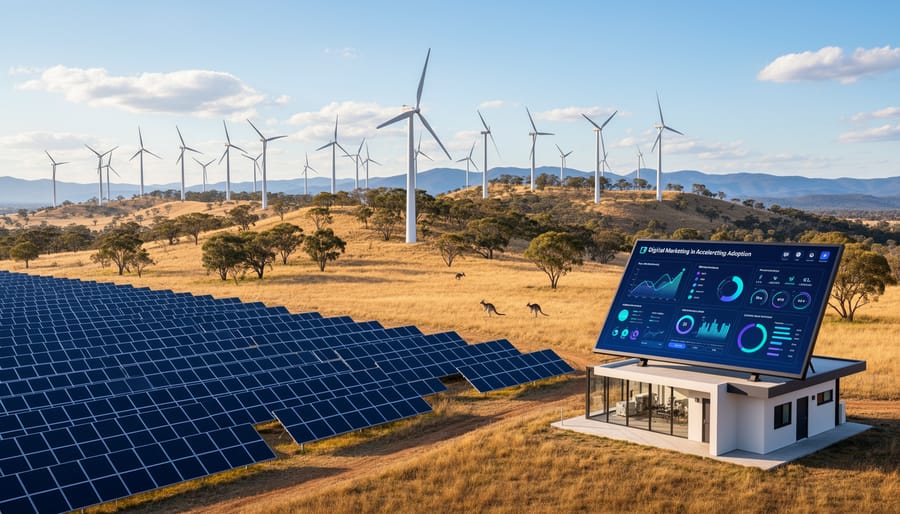
Digital advertising transforms bioenergy promotion from broad awareness campaigns into precision tools that reach Australians at the exact moment they’re ready to act. Rather than hoping your message finds the right audience, platforms like Google Ads and Facebook let you target grain farmers researching waste management, local councils exploring renewable options, or suburban homeowners investigating carbon reduction, then measure whether they actually enquire, download guides, or attend project briefings.
Start with Google Search ads focused on high-intent keywords: terms like “agricultural waste solutions Victoria” or “renewable energy grants NSW” catch people actively seeking information. Your ads appear when they’re already problem-solving, making conversion far more likely than passive brand awareness. Set modest daily budgets (as little as $20-30) and track not just clicks but form completions and phone calls to calculate your true cost per lead.
Facebook and Instagram excel at demographic and interest targeting. Create separate campaigns for distinct audiences: show farmers case studies of livestock operations generating revenue from manure-based biogas; show urban professionals infographics about household carbon footprints and community bioenergy projects. Combine this targeting with smart rewards in your landing pages, downloadable calculators, free consultation offers, or exclusive project updates that motivate immediate sign-ups.
The real power lies in retargeting: serving follow-up ads to people who visited your site but didn’t act. Someone who read about bioenergy but left gets a success story ad the next day, then a limited-time webinar invitation the week after. This persistent, relevant presence shifts passive interest into committed exploration, turning digital spend into measurable adoption steps.
6. Influencer Partnerships and Advocacy Networks
Partnering with trusted voices who already have the ear of environmentally conscious Australians can accelerate bioenergy awareness faster than any solo campaign. When a respected sustainability influencer shares your bioenergy success story or an established environmental advocate speaks at your community event, they bring immediate credibility and access to audiences who value their recommendations.
Start by identifying voices that align naturally with your message. Look for Australian sustainability bloggers who cover renewable energy, environmental scientists active on social media, farmers successfully using bioenergy who share their journey online, and regional community leaders championing climate action. These partners don’t need millions of followers, micro-influencers with 5,000 to 50,000 engaged followers often drive better conversion rates because their audiences trust them deeply.
Approach potential partners with clear value propositions. Offer exclusive access to your bioenergy facilities for behind-the-scenes content, provide data and expert interviews that enhance their own storytelling, or propose collaborative projects like webinar series or research reports. Queensland’s collaboration between bioenergy producers and farm advocacy groups demonstrates this perfectly, rural influencers toured facilities, shared genuine reactions with their farming communities, and drove tangible interest in agricultural waste-to-energy systems.
Build formal advocacy networks by connecting multiple voices around shared goals. Create ambassador programs where passionate individuals receive training, resources, and platforms to speak about bioenergy in their own communities. Western Australia’s renewable energy advocates have successfully used this model, turning individual supporters into coordinated voices that reach diverse audiences across the state.
Measuring Impact: From Digital Engagement to Real-World Change
Digital metrics mean nothing if they don’t lead to real change. Your marketing success hinges on connecting online engagement to actual bioenergy adoption, and tracking that connection requires measuring both digital activity and behavioral outcomes.
Start with standard digital analytics, website traffic, social media engagement rates, email open rates, and ad click-throughs. These show reach and interest. But then bridge to behavioral indicators: contact form submissions from farmers asking about waste-to-energy systems, downloads of implementation guides, attendance at bioenergy information sessions, and direct inquiries to project developers. Track these conversion points as your first behavioral signal.
The most meaningful metrics come from real-world outcomes. Partner with bioenergy providers to track adoption rates among your audience, monitor government program applications from communities you’ve reached, and measure carbon reduction commitments from organizations engaging with your content. When possible, survey your audience about their energy choices before and after exposure to your campaigns, techniques like motivational interviewing can reveal decision-making shifts that pure numbers miss.
Create a simple dashboard that connects your digital metrics to action metrics to impact metrics. For example: 10,000 blog readers led to 200 guide downloads, which resulted in 15 farm consultations and 3 new bioenergy installations preventing 450 tonnes of carbon annually. That’s the story that proves your digital work drives Australia’s renewable energy future.
Your Digital Marketing Action Plan
You now have six powerful strategies to shift Australia’s energy conversation from fossil fuels to bioenergy. Educational storytelling builds trust, social media creates communities, SEO puts sustainable solutions in front of searchers, email nurtures long-term relationships, targeted advertising reaches decision-makers, and influencer partnerships amplify your message. Together, these digital tools transform passive awareness into active adoption.
Start small but start today. Pick one strategy that matches your resources and audience. A regional bioenergy project might begin with educational blog posts and local SEO, while a national advocacy group could launch with social media engagement and influencer outreach. Test, measure, adjust. Digital platforms give you real-time feedback that traditional marketing never offered.
How much budget do I need to start digital marketing for bioenergy promotion?
You can begin with zero budget using organic content and social media, though a modest monthly investment of $500-$2,000 for targeted ads and tools accelerates results significantly. Focus spending on the platforms where your target audience already engages.
How long before digital marketing drives measurable behavioral change?
Expect initial engagement metrics within weeks, but meaningful behavioral shifts typically emerge after three to six months of consistent effort. Building trust and changing energy decisions takes sustained visibility across multiple touchpoints.
Can small organizations compete with large energy companies in digital marketing?
Absolutely. Digital platforms level the field by rewarding authentic storytelling and community engagement over big budgets. Local bioenergy projects often outperform corporate campaigns because they connect genuinely with their communities.
The behavioral change Australia needs won’t happen through policy alone. It requires millions of individual conversations, decisions, and actions. Digital marketing puts those conversations within reach. Whether you’re promoting a community bioenergy project, advocating for policy change, or simply trying to shift how your neighbors think about renewable energy, these strategies work.
Australia’s renewable energy future depends on public understanding and adoption. You have the tools. The platforms are waiting. The audience is searching for sustainable solutions right now. Start your digital marketing journey today and become part of the behavioral shift toward a cleaner, bioenergy-powered Australia.
items
Looking at the six digital marketing strategies we’ve covered, here’s your quick reference guide for implementing each approach in your sustainable energy initiatives:
Content Marketing Through Educational Storytelling creates trust by showcasing real bioenergy success stories through blogs, videos, and case studies that resonate with Australian audiences.
Social Media Engagement for Community Building turns passive observers into active participants through platforms like Facebook, Instagram, and LinkedIn, fostering two-way conversations about renewable energy.
Search Engine Optimization for Visibility ensures Australians searching for sustainable solutions discover bioenergy information first through strategic keyword targeting and local SEO.
Email Marketing Campaigns for Sustained Engagement maintains long-term relationships with subscribers through targeted sequences that educate and inspire action on renewable energy adoption.
Data-Driven Advertising on Digital Platforms reaches specific demographics most likely to embrace bioenergy through budget-efficient targeted ads on Google and social platforms.
Influencer Partnerships and Advocacy Networks amplifies your message by collaborating with environmental advocates and sustainability leaders who already have established, engaged audiences.
Each strategy works independently but delivers maximum impact when combined as part of your comprehensive digital marketing approach to drive Australia’s renewable energy transition.