
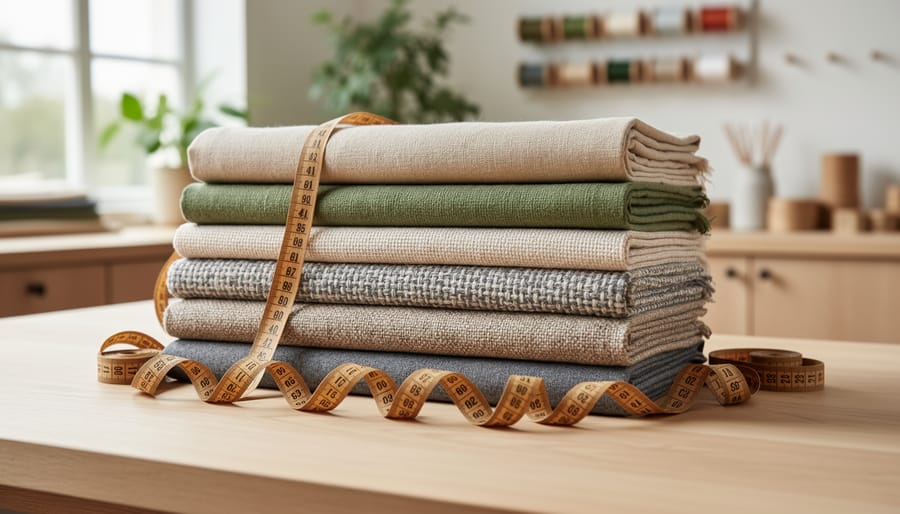
Sustainable fabrics by the yard offer designers, crafters, and small business owners an accessible pathway to reduce their environmental footprint while creating beautiful, durable products. These eco-friendly textiles, ranging from organic cotton and hemp to recycled polyester and Tencel, are grown or manufactured using methods that minimize water consumption, eliminate toxic chemicals, and significantly reduce carbon emissions compared to conventional fabric production. You can source them directly from specialty retailers, sustainable textile wholesalers, and increasingly from Australian suppliers who prioritize transparency in their supply chains.
The textile industry accounts for roughly 10% of global carbon emissions, much of it tied to energy-intensive manufacturing processes. Choosing sustainable fabrics tackles this challenge head-on. Every yard of organic linen or recycled cotton you purchase represents a tangible step toward cleaner production systems, and many Australian mills are now integrating renewable energy into their operations, creating a circular economy where responsible sourcing meets clean power.
For conscious consumers and creative professionals across Australia, the shift to sustainable fabrics isn’t simply an ethical choice. It’s a practical one. These materials often outperform their conventional counterparts in durability and comfort, while supporting local businesses pioneering low-impact textile production. Whether you’re launching a fashion label, crafting home furnishings, or testing new design ideas, buying sustainable fabrics by the yard gives you control over quality, quantity, and environmental impact without the compromises of mass production. The key lies in understanding which certifications matter, what production methods genuinely reduce harm, and where to find trustworthy Australian suppliers ready to support your creative vision.
What Makes a Fabric Sustainable
A sustainable fabric isn’t defined by a single characteristic, it’s judged across its entire lifecycle, from the field or factory where raw materials originate to what happens when you’re done with it. The most eco-friendly textiles share four core traits: they come from renewable or recycled sources, they’re produced using methods that minimize pollution and waste, they consume far less water and energy than conventional options, and they break down safely or can re-enter the manufacturing cycle at end-of-life.
Renewable raw materials form the foundation. Plant-based fibres like organic cotton, hemp, and linen grow year after year without depleting soil health, especially when farmed regeneratively. Lyocell derives from wood pulp sourced from responsibly managed forests, while recycled polyester diverts plastic bottles from landfill and gives them a second life as wearable textiles. Each choice shifts the industry away from petroleum-based synthetics and resource-intensive monocultures.
Production methods matter just as much as the raw material. Low-impact processes avoid toxic dyes, heavy metals, and harsh bleaches. They use closed-loop systems that recapture and reuse water and chemicals rather than dumping them into rivers. This is where smart water solutions become essential, textile mills adopting water recycling and efficient dyeing techniques can cut consumption by eighty percent or more.
Energy use ties directly to carbon emissions. Fabrics processed with renewable electricity or bioenergy generate a fraction of the greenhouse gases compared to mills running on coal-fired power. Finally, biodegradability and recyclability ensure fabrics don’t linger in landfill for centuries. Natural fibres decompose into soil nutrients, while properly designed synthetics can be melted down and respun into new yarns, closing the loop entirely.
Popular Sustainable Fabric Types Available by the Yard
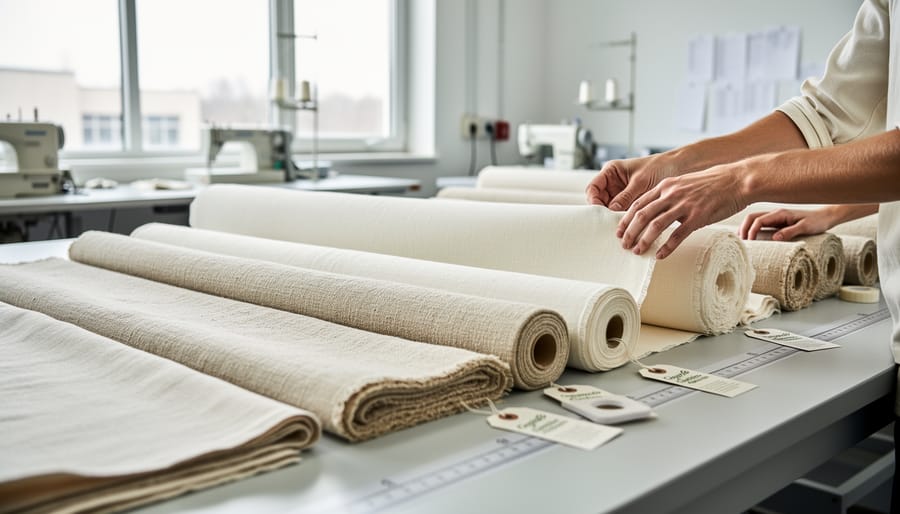
When you shop for sustainable fabrics by the yard, you’ll encounter several standout options that balance environmental responsibility with practical performance. Each material brings distinct advantages, and understanding these differences helps you choose the right fabric for your project, whether you’re launching a clothing line, designing home textiles, or creating custom pieces.
Organic cotton remains one of the most versatile sustainable fabrics available. Unlike conventional cotton (which accounts for roughly 16% of global insecticide use despite covering only 2.5% of agricultural land), organic varieties grow without synthetic pesticides or fertilizers. The fabric breathes beautifully, accepts natural dyes well, and suits everything from everyday clothing to bedding. Australian suppliers increasingly stock organic cotton in weights from lightweight voile to heavyweight canvas.
Hemp fabric offers exceptional durability with minimal environmental impact. Hemp plants naturally suppress weeds, require little water compared to cotton, and regenerate soil health between harvests. The resulting fabric softens with each wash while maintaining strength, making it ideal for workwear, upholstery, and bags that need to withstand heavy use. You’ll find both pure hemp and hemp-cotton blends, the latter offering added softness for apparel.
Linen sourced from flax plants represents one of humanity’s oldest sustainable textiles. Flax thrives in temperate climates without extensive irrigation or chemical inputs, and every part of the plant finds use in various industries. The fabric’s natural temperature-regulating properties and crisp texture make it perfect for Australian conditions, think summer clothing, table linens, and lightweight curtains that encourage airflow.
Tencel and lyocell (often used interchangeably, though Tencel is a branded version) derive from wood pulp processed in a closed-loop system that recycles 99% of solvents. These cellulosic fibers drape elegantly, resist wrinkles better than linen, and wick moisture efficiently. Fashion designers favor them for flowing garments, while their antimicrobial properties suit activewear and bedding.
Recycled polyester diverts plastic bottles and textile waste from landfills, transforming them into durable fabric. While it still sheds microplastics during washing (a challenge researchers continue addressing), recycled versions use significantly less energy and water than virgin polyester, the Textile Exchange LCA study quantifies these reductions across the production cycle. It works well for outdoor gear, sportswear, and technical applications where synthetic performance matters.
Wool from regenerative agriculture rounds out the sustainable fabric landscape. When sheep graze using holistic management practices, rotating pastures, building soil carbon, supporting biodiversity, their wool becomes part of a restorative system rather than an extractive one. Australian producers lead this shift, particularly in Tasmania and regional New South Wales, offering wool that’s traceable from specific farms practicing regenerative methods.
| Fabric Type | Key Sustainability Features | Best Uses | Australian Availability |
|---|---|---|---|
| Organic Cotton | No synthetic pesticides, better soil health, lower water use than conventional | Apparel, bedding, everyday textiles | Widely stocked, local and imported |
| Hemp | Minimal water, natural pest resistance, soil regeneration | Workwear, bags, upholstery | Growing selection, mostly imported |
| Linen | Low input crop, biodegradable, long-lasting | Summer clothing, homewares, curtains | Readily available, European sources |
| Tencel/Lyocell | Closed-loop production, renewable wood pulp, biodegradable | Flowing garments, activewear, bedding | Increasing availability through specialty suppliers |
| Recycled Polyester | Diverts waste, lower energy than virgin, durable | Outdoor gear, sportswear, technical textiles | Good selection from eco-focused distributors |
| Regenerative Wool | Carbon sequestration, biodiversity support, traceable sourcing | Knitwear, suiting, blankets | Excellent, local producers with verified practices |
Each fabric carries trade-offs. Organic cotton needs more land than hemp; Tencel production remains energy-intensive despite its closed-loop chemistry; recycled polyester still contributes to microplastic pollution. The “most sustainable” choice depends on your specific application, local availability, and which environmental priorities matter most for your project. Australian suppliers now provide detailed information about fiber origins and processing methods, making it easier to align your fabric choices with your values and design requirements.
The Energy Connection: How Bioenergy Can Transform Textile Production
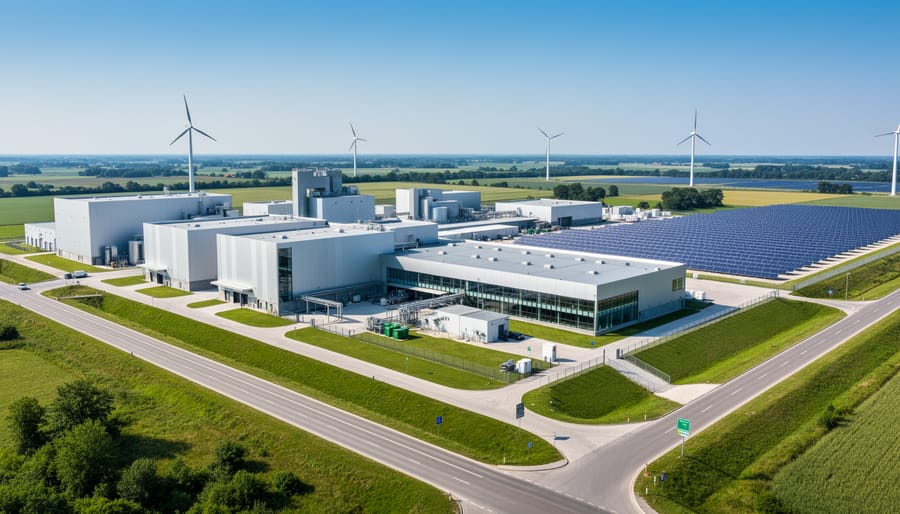
Textile production is notoriously energy-intensive. Dyeing alone accounts for roughly 60% of a fabric mill’s total energy consumption, with heat required to set colours and finish materials. Weaving, spinning, and processing raw fibres into finished cloth all demand substantial power input. Traditionally, Australian textile facilities have relied on fossil-fuel-derived electricity and natural gas boilers, contributing significantly to the industry’s carbon footprint. Yet the same renewable energy revolution transforming Australia’s green power grid offers textile manufacturers a pathway to slash emissions while maintaining production quality.
Bioenergy fits textile operations particularly well. Mills generate organic waste throughout production, cotton lint, fabric scraps, natural sizing agents, that can be converted into biogas or burned directly for process heat. Agricultural textile fibres like hemp and flax often come with field residues perfect for biomass boilers. Several forward-thinking Australian facilities have installed combined heat and power systems fuelled by agricultural waste pellets, capturing both electricity and steam in a single efficient process. The steam heats dye baths and washing cycles, while the electricity runs looms and finishing equipment. This closed-loop approach can cut facility emissions by 70% compared to grid power and gas heating.
Solar thermal systems are gaining traction for pre-heating water used in dyeing and rinsing, reducing the load on boilers. A wool processing mill in regional Victoria installed rooftop solar panels paired with biomass heating in 2024, achieving carbon-neutral operations within eighteen months. The facility now markets its fabrics as “renewable-powered” to eco-conscious fashion brands, commanding a 15% price premium. That commercial advantage demonstrates how adopting renewable energy isn’t just environmental housekeeping, it creates market differentiation.
For smaller fabric suppliers without capital for full biomass systems, grid-supplied renewable electricity offers a simpler entry point. As Australia’s grid shifts toward wind and solar, mills can power with renewables through green tariffs or power purchase agreements, effectively decarbonising operations without on-site generation. The key is transparency: documenting energy sources and calculating true carbon reductions allows textile producers to credibly claim sustainability credentials buyers increasingly demand.
Where to Source Sustainable Fabrics by the Yard in Australia
Australia’s sustainable fabric market has expanded significantly since 2024, with several specialist suppliers now offering eco-textiles by the yard to designers, small businesses, and conscious consumers. The most reliable vendors maintain clear supply-chain transparency and third-party certifications that verify their environmental and ethical claims.
When evaluating suppliers, look beyond marketing language and examine their credentials. The Global Organic Textile Standard (GOTS) remains the gold standard for organic fabrics, covering everything from fibre harvesting through environmentally and socially responsible manufacturing. OEKO-TEX certification guarantees that fabrics have been tested for harmful substances, while Fair Trade certification ensures workers receive fair wages and safe conditions. Some Australian suppliers also carry the Australian Certified Organic mark for domestically-produced materials.
- GOTS certification for organic fibres and processing
- OEKO-TEX Standard 100 for chemical safety testing
- Fair Trade or Ethical Clothing Australia accreditation
- Supplier’s energy sources: Do they use renewable power or bioenergy in production?
- Water recycling and waste management practices at manufacturing facilities
- Carbon footprint data or climate commitments from the supplier
- Minimum order quantities and whether they accommodate small businesses
Don’t hesitate to ask suppliers directly about their production methods. Reputable vendors will readily share information about the mills they work with, renewable energy adoption in their supply chain, and specific steps they’ve taken to reduce environmental impact. Request details about where fabrics are dyed and finished, since these processes consume significant energy and water.
Melbourne, Sydney, and Brisbane now host several stockists specializing in sustainable textiles, with many offering online ordering and fabric swatches. Regional suppliers have also emerged, particularly in areas with strong agricultural sectors producing organic cotton or wool. The market continues growing as Australian designers and manufacturers increasingly prioritize local, sustainable sourcing that aligns with national carbon reduction targets. Prices typically run 15-30% higher than conventional fabrics, reflecting the true cost of ethical production, though bulk purchasing often reduces this premium.
Practical Applications: From Agriculture to Fashion
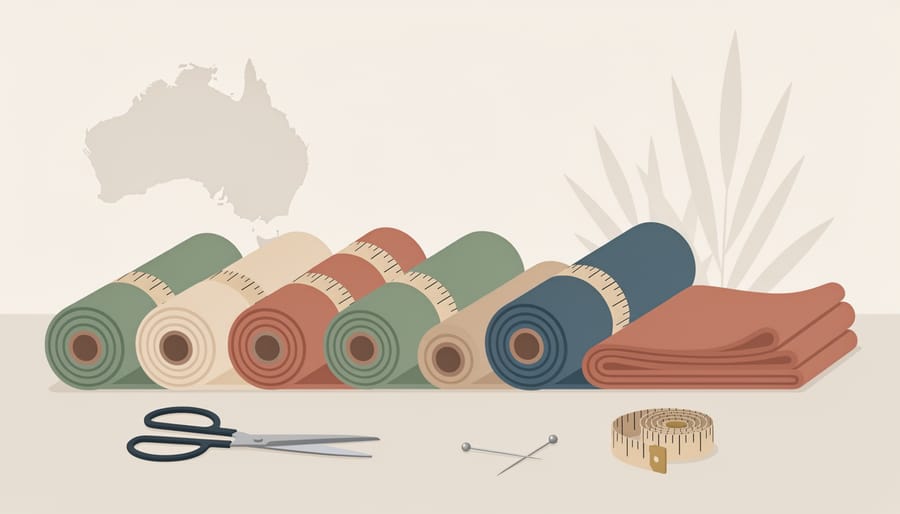
Across Australia, sustainable fabrics are moving from concept to commercial reality, creating new industries and breathing life into regional communities. In New South Wales, several farms are partnering with textile innovators to convert hemp stalks and cotton gin waste into fibre, closing the loop between agriculture and apparel. These farm-to-fashion initiatives reduce landfill burden while generating additional income streams for growers who previously burned or buried crop residues.
Melbourne’s design quarter has seen a surge in small-scale clothing manufacturers embracing zero-waste pattern cutting with organic linen and Tencel. One Brunswick studio reports cutting fabric waste by 87% through clever pattern design, then composting remaining scraps for urban gardens for urban gardens. The business employs six local seamstresses and has tripled revenue since 2024, demonstrating that sustainable practices strengthen rather than hinder profitability.
Industrial applications are equally promising. A Queensland upholstery manufacturer switched to hemp canvas and recycled polyester for commercial seating, winning contracts with Brisbane public transport and three major hotel chains. The durability surprised sceptics, hemp-backed seats outlast conventional synthetic options by an estimated 40%, reducing replacement frequency and long-term costs.
In Tasmania, wool from regenerative sheep stations is being woven into performance outdoor fabrics, creating premium products that command higher prices while sequestering carbon through improved grazing practices. The initiative has added twelve jobs to rural processing facilities and sparked interest from mainland outdoor brands seeking genuinely sustainable materials.
These eco-friendly fabrics aren’t just reducing environmental impact, they’re building resilient local economies. By keeping production onshore and utilizing regional resources, Australian businesses are proving that sustainability creates value at every stage, from paddock to wardrobe. The shift represents genuine economic opportunity, particularly for rural areas seeking alternatives to traditional extractive industries.
Common Questions About Sustainable Fabrics
Are sustainable fabrics more expensive? Yes, they typically cost 15-30% more than conventional alternatives, but prices are dropping as production scales up across Australia. The higher upfront investment often pays off through longer-lasting garments and reduced environmental cleanup costs that conventional textiles impose on communities.
How do I care for sustainable fabrics? Most eco-friendly textiles are surprisingly low-maintenance. Organic cotton and linen can be machine-washed in cold water, hemp becomes softer with each wash, and Tencel requires gentle cycles but dries quickly. Skip harsh detergents and high heat, both shorten fabric life and waste the energy used in production.
Do sustainable fabrics last as long as conventional ones?
In most cases, they outlast synthetic alternatives. Natural fibres like hemp and organic cotton maintain structural integrity through hundreds of washes, while recycled polyester performs comparably to virgin material.
Can I really find these fabrics easily in Australia?
Availability has improved dramatically since 2024, with major cities now hosting dedicated eco-textile suppliers and online retailers shipping nationwide within days.
How much environmental impact do sustainable fabrics actually prevent?
Switching from conventional cotton to organic varieties cuts water use by roughly 90% and eliminates pesticide runoff. When paired with renewable energy in production, carbon emissions drop by 60-80% per metre.
Are certifications really necessary?
They provide verification that marketing claims match reality. Look for GOTS or OEKO-TEX labels to confirm sustainable practices throughout the supply chain.
The environmental difference becomes tangible when you consider the full lifecycle. A single metre of conventionally-produced polyester releases emissions equivalent to driving 6 kilometres, whereas the same amount of hemp fabric grown and processed with renewable energy produces minimal carbon output. For those committed to zero-waste living choosing sustainable textiles aligns purchasing decisions with broader environmental goals. The fabrics biodegrade naturally at end-of-life rather than persisting in landfills for centuries.