
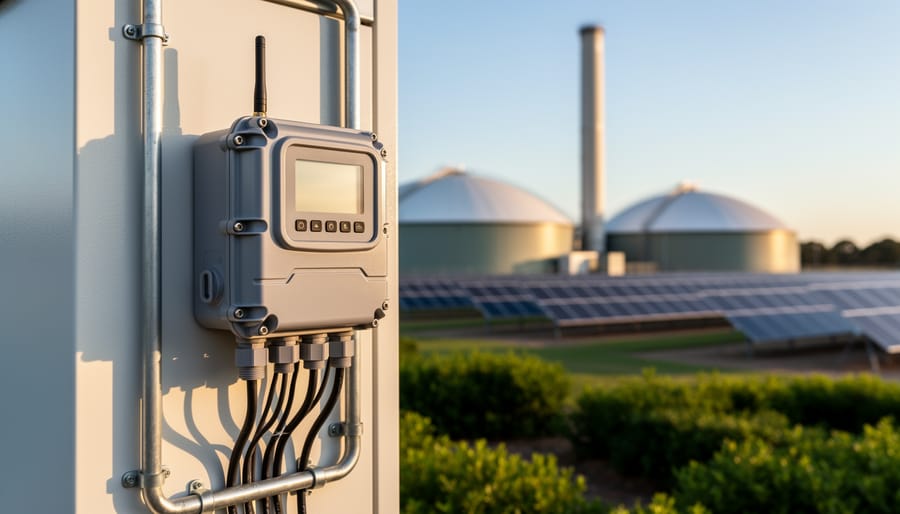
Monitor energy consumption in real-time by installing smart meters that transmit data every 15 minutes instead of monthly, allowing bioenergy facility managers to identify inefficiencies immediately and adjust operations before wastage compounds. A Queensland biomass plant reduced fuel consumption by 18% within three months simply by spotting overnight power drains through their smart meter dashboard.
Integrate IoT devices in bioenergy operations to automate demand response, where smart meters communicate directly with processing equipment to shift energy-intensive tasks to off-peak periods when grid electricity costs less and renewable supply peaks. This isn’t futuristic thinking—it’s happening right now across Australian bioenergy facilities, cutting operational costs by up to 30% while maximizing renewable energy utilization.
Track multiple parameters simultaneously, as modern smart meters measure not just electricity but also thermal energy, biogas flow rates, and grid export volumes in a single integrated system. This comprehensive visibility transforms decision-making from guesswork into precision management, particularly crucial for optimizing combined heat and power systems where efficiency gains directly impact profitability.
The transformation these devices enable extends beyond mere measurement. Smart meters create a digital nervous system for bioenergy operations, connecting production data with market signals, weather forecasts, and maintenance schedules. For Australian facilities navigating the renewable energy transition, this technology represents the difference between surviving and thriving in an increasingly competitive landscape where efficiency determines economic viability.
What Makes IoT Smart Meters Different from Traditional Energy Meters
Traditional energy meters have served us well for decades, simply recording how much energy flows through a point—much like an odometer tracking kilometres travelled. But they’re essentially one-way devices, passively counting kilowatt-hours without offering insights into how, when, or why that energy is being used.
IoT smart meters represent a genuine leap forward, transforming energy measurement from a basic accounting task into an intelligent management system. The key difference lies in their ability to collect and transmit data in real-time, creating a continuous conversation between your bioenergy system and monitoring platforms.
Think of it this way: a traditional meter is like receiving your bank statement once a quarter, showing only what you’ve spent. An IoT smart meter is like having a banking app that shows every transaction instantly, helping you understand spending patterns and make smarter decisions on the spot.
These intelligent devices feature two-way communication capabilities, meaning they don’t just send information outward—they can also receive instructions remotely. For a biogas facility in regional Queensland, this meant operators could adjust system parameters from Brisbane without driving three hours to the site, saving time, fuel, and money.
The real-time data collection aspect proves particularly valuable for bioenergy operations where conditions change constantly. Whether you’re monitoring methane production from agricultural waste or tracking energy output from biomass combustion, IoT smart meters capture granular data every few seconds rather than monthly averages. This enables operators to spot inefficiencies immediately, optimise performance continuously, and respond to issues before they become costly problems.
Remote monitoring capabilities mean you’re no longer flying blind between meter readings. You can access comprehensive energy data from your smartphone, desktop, or tablet—anywhere, anytime—making informed decisions that improve both environmental outcomes and operational efficiency.
How Smart Meters Transform Bioenergy Operations
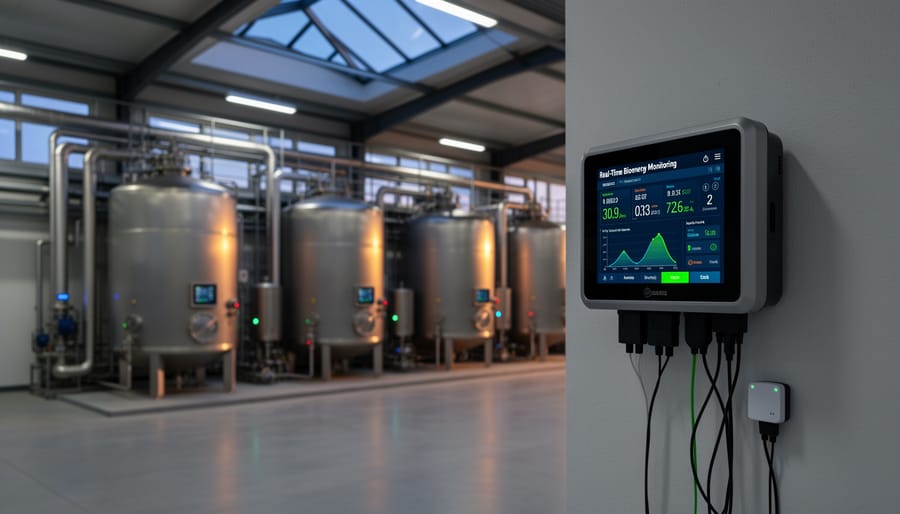
Real-Time Monitoring That Actually Saves Money
The real game-changer with IoT smart meters isn’t just collecting data—it’s what you can do with instant access to that information. Traditional meters might tell you what happened yesterday or last week, but IoT-enabled systems give bioenergy operators a live window into their facilities, transforming how they manage everything from biogas digesters to biomass boilers.
Take the experience of a Victorian dairy farm that installed smart meters across their biogas digester system. Within the first month, they spotted an unusual drop in gas production during specific hours. The real-time alerts prompted immediate investigation, revealing a temperature control issue that would have otherwise gone unnoticed for weeks. By addressing it straight away, they prevented an estimated 15% loss in energy production—translating to thousands of dollars in potential waste.
Smart meters excel at catching these inefficiencies before they become costly problems. A Queensland biomass facility discovered through their monitoring system that one boiler was consuming 22% more fuel than identical units. The data pointed operators toward a maintenance issue that, once resolved, brought consumption back in line and saved roughly $18,000 annually.
The beauty of this technology lies in pattern recognition. By tracking consumption and production data continuously, operators can identify optimal operating temperatures, feeding schedules for digesters, and maintenance windows. One South Australian food waste facility used their smart meter insights to adjust digester feeding times, achieving an 11% improvement in biogas yield without any infrastructure changes—just smarter operations based on real-time data.
Predictive Maintenance Before Things Break Down
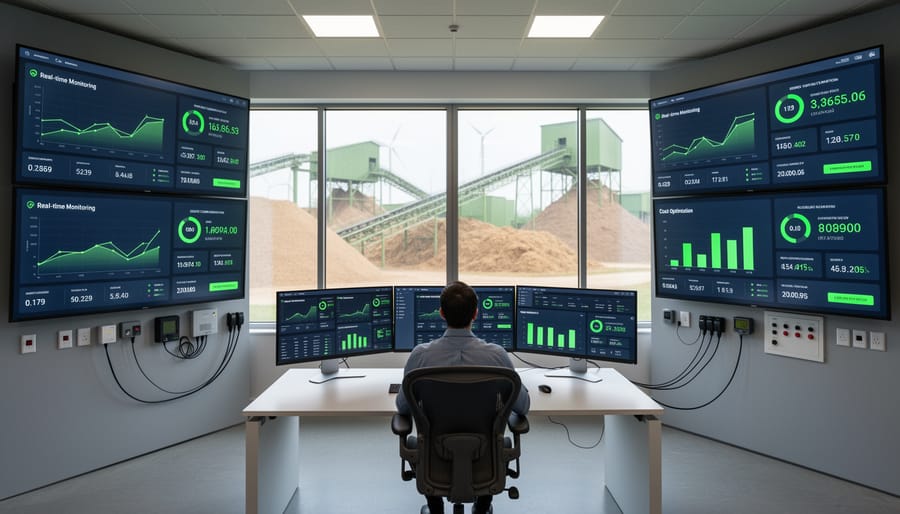
Think of IoT smart meters as vigilant guardians constantly watching over your bioenergy equipment. These intelligent devices monitor performance patterns 24/7, learning what normal operation looks like and spotting subtle changes that signal trouble ahead.
When a biogas digester’s temperature starts fluctuating slightly outside normal ranges, or when pressure readings from a biomass boiler begin creeping upward, smart meters detect these anomalies immediately. They compare real-time data against historical patterns, identifying issues often weeks before they’d cause a breakdown.
At a Victorian waste-to-energy facility, smart meters flagged unusual vibration patterns in a generator bearing. The maintenance team investigated and discovered early-stage wear that would have led to catastrophic failure within days. By replacing the bearing during scheduled downtime, they avoided $80,000 in emergency repairs and prevented three days of lost production.
These systems work by analyzing multiple data streams simultaneously. When one parameter shifts, the meter checks if related measurements follow expected correlations. If not, operators receive instant alerts with specific details about the anomaly’s location and likely cause.
This predictive capability transforms maintenance from reactive firefighting into proactive planning. Bioenergy facilities schedule repairs during convenient times, order parts in advance, and keep operations running smoothly. The result? Less downtime, lower maintenance costs, and equipment that lasts significantly longer.
Grid Integration Made Simple
IoT smart meters are transforming how Australian bioenergy producers interact with the electricity grid, turning what was once a complex technical challenge into a straightforward opportunity. These intelligent devices automatically manage the flow of excess power back into the grid when your bioenergy system produces more than you need, making smart grid integration seamless and efficient.
For Australian producers, this means real financial benefits. When your biogas plant or biomass facility generates surplus electricity during off-peak hours, smart meters facilitate automatic export, potentially earning you feed-in tariff credits. During peak demand periods, these meters help manage load distribution intelligently, reducing strain on the grid while maximising your revenue opportunities.
Take the example of a Victorian dairy farm using anaerobic digestion. Their IoT smart meter system now automatically adjusts power exports based on real-time grid demand signals, earning them an additional 15,000 dollars annually through strategic timing of electricity sales. The meter handles all the complex calculations and switching automatically, requiring no manual intervention.
This technology also supports Australia’s renewable energy targets by enabling better coordination between distributed energy sources, making every bioenergy installation a valuable contributor to grid stability and resilience.
Success Stories: Australian Bioenergy Sites Using Smart Meters
Across Australia, innovative operations are proving that IoT smart meters aren’t just another piece of technology—they’re genuine game-changers for bioenergy production. Let’s explore how real Aussie enterprises are reaping remarkable rewards.
In regional Victoria, a family-run dairy farm transformed their waste management challenge into an energy goldmine. The McKenzie family installed IoT smart meters to monitor their anaerobic digester, which converts dairy waste into biogas. Within six months, the meters revealed their peak biogas production occurred two hours earlier than anticipated. By adjusting their energy usage schedule accordingly, they reduced grid electricity purchases by 42 percent and now sell surplus power back through local bioenergy networks. “We were literally burning money without realizing it,” shares Tom McKenzie. “The smart meters gave us eyes on our operation 24/7. Now we’re saving roughly $3,200 monthly—that’s school fees sorted!”
Queensland’s Sunshine Coast Regional Council provides another compelling example. Their waste treatment facility serves 180,000 residents, processing organic waste into biogas for electricity generation. After implementing IoT smart meters throughout their system, operators discovered methane leaks were reducing efficiency by 18 percent. The real-time monitoring pinpointed exact locations, enabling swift repairs. The environmental impact speaks volumes: they’ve prevented 2,400 tonnes of CO2-equivalent emissions annually while generating enough renewable electricity to power 850 homes. Facility manager Sarah Chen notes, “The meters paid for themselves within 14 months through improved gas capture alone. But the environmental benefit? That’s priceless for our community.”
Meanwhile, a sugarcane processing facility in northern New South Wales turned bagasse—the fibrous residue after juice extraction—into reliable energy. Their IoT system monitors combustion efficiency, steam production, and power generation simultaneously. The interconnected data revealed optimal moisture content for maximum energy output, boosting their renewable energy generation by 31 percent. They’ve achieved complete energy independence during crushing season and eliminated $180,000 in annual fossil fuel costs.
These success stories share common threads: immediate visibility into previously hidden inefficiencies, rapid return on investment, and significant environmental benefits. The technology transforms abstract data into actionable insights, empowering operators to make informed decisions that benefit both bottom lines and the environment. For Australian bioenergy operations considering smart meters, these examples demonstrate the technology delivers measurable results while advancing our nation’s renewable energy future.
The Technology Behind the Magic
Sensors and Data Collection
Smart meters in bioenergy systems work as sophisticated digital scouts, continuously monitoring multiple parameters that traditional meters simply can’t capture. These clever devices measure electrical output in real-time, tracking exactly how much power your biogas generator or biomass facility produces moment by moment. But that’s just the beginning of their capabilities.
Temperature sensors embedded within smart meters monitor heat levels throughout bioenergy processes, ensuring optimal combustion efficiency in biomass boilers or tracking fermentation temperatures in biogas digesters. Pressure gauges keep tabs on system integrity, alerting operators before minor issues become costly breakdowns. For biogas operations, composition sensors analyse methane concentrations and detect impurities, helping operators fine-tune their processes for maximum energy yield.
The real beauty lies in how this data gets captured. Modern IoT smart meters use wireless connectivity to transmit information every few seconds to cloud-based platforms, creating a continuous stream of actionable insights. A dairy farm in regional Victoria recently installed these meters across their biogas system, discovering they could boost methane production by 18 percent simply by adjusting feeding schedules based on temperature and composition data. This automated data collection eliminates manual readings, reduces human error, and provides the detailed intelligence bioenergy operators need to optimise performance and demonstrate their environmental impact with confidence.
Connectivity and Cloud Analytics
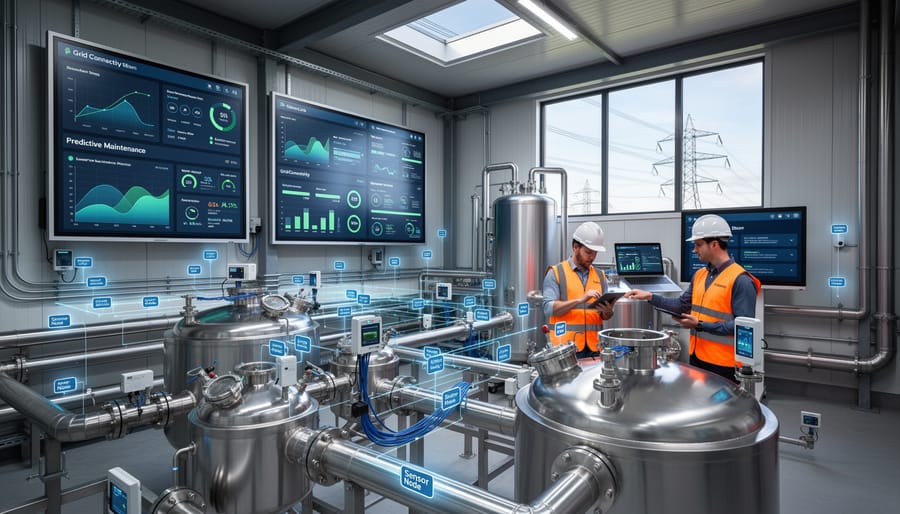
Once your smart meter collects energy data, the real magic happens in how that information travels and transforms into meaningful insights. Modern IoT meters transmit data through various networks—cellular connections like 4G and 5G, WiFi, or dedicated low-power wide-area networks designed specifically for IoT devices. This connectivity means bioenergy operators can monitor their systems from anywhere, whether they’re checking anaerobic digester performance from the office or reviewing biomass combustion efficiency from home.
The raw data streams to cloud platforms where sophisticated algorithms get to work. These systems analyse patterns, spot anomalies, and generate reports that highlight opportunities for improvement. For example, a biogas facility in regional Victoria uses cloud analytics to compare energy output across different feedstock combinations, identifying which organic waste types deliver the best returns. The platform automatically alerts operators when performance dips below optimal levels, enabling quick corrective action.
What makes this technology genuinely transformative is its integration with AI-powered analytics that can predict maintenance needs and optimise operations in real-time. Rather than drowning in spreadsheets, operators receive clear visualisations and actionable recommendations that drive efficiency improvements and reduce downtime, turning data into practical competitive advantages.
Integration with Control Systems
The real magic happens when IoT smart meters integrate seamlessly with automated control systems, creating a responsive bioenergy ecosystem. These intelligent connections enable facilities to adjust operations on the fly, responding to everything from energy demand fluctuations to biomass feed quality variations.
At a Queensland sugarcane mill, smart meters communicate directly with processing equipment, automatically adjusting combustion rates and steam generation based on real-time energy output data. When the system detects efficiency dips, it triggers immediate adjustments, maintaining optimal performance without human intervention. This responsive approach has increased their overall energy efficiency by 18 percent while reducing waste.
The integration works through secure data protocols that connect meters with programmable logic controllers and supervisory systems. These systems analyse incoming data streams and make split-second decisions about operational parameters. For a Western Australian wood waste facility, this means their biogas generators automatically modulate output to match grid demand, maximizing revenue during peak pricing periods while maintaining stable operations.
The beauty of this integration is its accessibility. Modern systems use standardised communication protocols, making implementation straightforward even for smaller operations. Australian bioenergy facilities are discovering that this connected approach transforms their operations from reactive to proactive, anticipating issues before they impact performance.
Getting Started: What You Need to Know
Considering IoT smart meters for your bioenergy operation? You’re making a smart move, but knowing where to start makes all the difference between a smooth transition and unnecessary headaches.
First up, assess your current metering situation honestly. What gaps exist in your data collection? Are you struggling to track energy generation patterns, missing inefficiencies in fuel consumption, or finding it difficult to demonstrate your renewable energy credentials? Understanding these pain points helps you choose meters with the right capabilities. Not every operation needs the most sophisticated system—a regional South Australian biomass facility might need different features than a large-scale Queensland bagasse plant.
When selecting your smart meters, prioritise compatibility with your existing systems. The beauty of IoT technology lies in its ability to integrate, but this only works if your meters can communicate with your current infrastructure. Look for devices with proven track records in Australian bioenergy contexts and ensure they comply with local regulations and industry standards.
Budget realistically for both hardware and ongoing costs. While the meters themselves represent the visible investment, factor in installation, staff training, data management platforms, and maintenance. The good news? Most Australian bioenergy operators report seeing returns within 18-24 months through improved efficiency and reduced waste alone.
Implementation works best as a phased approach rather than a complete overnight overhaul. Start with critical measurement points—perhaps your primary biogas digesters or biomass boilers—then expand as you gain confidence and demonstrate results. This staged rollout lets your team adapt gradually and provides early wins that build organisational support.
Partner with suppliers who offer solid training and ongoing support. The technology is only as effective as the people using it, and having expert guidance during those first few months proves invaluable. Several Australian suppliers now specialise in renewable energy applications and understand the unique challenges facing bioenergy operations.
Remember, implementing IoT smart meters isn’t just about installing devices—it’s about embracing data-driven decision making that transforms how your operation performs and contributes to Australia’s renewable energy future.
Australia stands at the crossroads of an energy revolution, and IoT smart meters represent more than just technological advancement—they’re a catalyst for meaningful change in how we generate, distribute, and think about clean energy. For bioenergy operations across the country, these intelligent devices offer a clear pathway toward greater efficiency, reduced emissions, and stronger economic performance. The data speaks for itself: facilities implementing smart meter technology consistently report improved output, lower operational costs, and enhanced ability to contribute to Australia’s ambitious climate targets.
The beauty of this technology lies in its accessibility. Whether you’re running a large-scale biomass facility in regional Queensland or exploring small-scale biogas production in suburban Melbourne, smart meters can transform your operation from reactive to proactive, from guesswork to precision. The success stories emerging from early adopters demonstrate that these benefits aren’t theoretical—they’re happening right now, creating ripples of positive change throughout Australia’s renewable energy landscape.
As we work toward net-zero emissions and genuine energy independence, bioenergy innovation powered by smart metering will play an increasingly vital role. The question isn’t whether to embrace this technology, but how quickly we can implement it. If you’re committed to sustainability and operational excellence, now is the time to explore smart meter solutions for your facility. The future of Australian bioenergy is being written today—and you have the opportunity to be part of that story.