
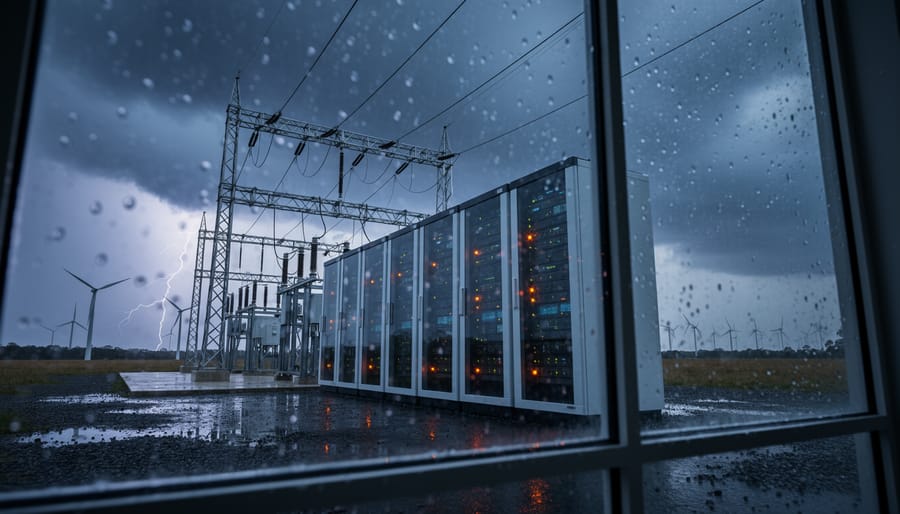
A resilient ecosystem, in the context of energy systems, is a network of infrastructure, resources, and data that can withstand disruptions, adapt to changing conditions, and maintain reliable power supply even when challenged by extreme weather, equipment failures, or unexpected demand spikes. Think of it as the difference between a power grid that collapses during a heatwave and one that flexes, responds, and keeps your lights on.
For Australia’s energy sector in 2026, resilience isn’t just a nice-to-have feature. It’s become essential. Our communities face longer bushfire seasons, more intense storms, and the complexity of integrating renewable sources that don’t always produce power on demand. Data analytics has emerged as the backbone of this resilience, transforming how we predict failures, balance supply, and recover from disruptions.
What makes an energy ecosystem truly resilient goes beyond backup generators and redundant lines. Modern systems use real-time data to anticipate problems before they cascade, machine learning to optimize energy flows across distributed sources, and predictive models that help operators make split-second decisions during crises. Australian energy providers are already demonstrating this in practice: from microgrids in regional Queensland that rode out recent storms to sophisticated monitoring systems in South Australia that balance wind and solar variability.
This article breaks down what resilient ecosystems actually look like in practice. You’ll discover the core components that enable resilience, how data analytics turns raw information into protective action, and the specific applications already strengthening Australia’s energy security.
What Is a Resilient Energy Ecosystem?
A resilient energy ecosystem is an integrated network of power generation, distribution, and management systems designed to withstand and recover quickly from disruptions while maintaining essential services. Unlike traditional centralized grids that can fail catastrophically when a single point breaks down, resilient ecosystems use distributed resources, smart technology, and data analytics to keep energy flowing even when parts of the system face challenges.
- Resilient Ecosystem
- An energy network that maintains functionality during stress events and bounces back rapidly after disruptions, using diverse resources and intelligent coordination.
- Energy Ecosystem
- The interconnected web of power sources, storage systems, transmission infrastructure, and end users that work together to deliver electricity reliably.
- System Resilience
- The capacity of an energy system to absorb shocks, adapt to changing conditions, and continue operating effectively despite external pressures or internal failures.
- Adaptive Capacity
- The ability of energy infrastructure to adjust operations in real time based on changing conditions, using data and automation to optimize performance during challenges.
- Recovery Time
- The period required for an energy system to restore full functionality after a disruption, with resilient systems aiming for minutes or hours rather than days or weeks.
In Australia, resilience is not just a technical concept but a practical necessity. Our energy systems face unique pressures that test their strength regularly. Bushfires can destroy transmission lines and cut power to entire regions within hours. Cyclones batter northern infrastructure with destructive force. Extended heatwaves push demand to record highs while solar panels lose efficiency in extreme temperatures. Even routine challenges like equipment aging and maintenance needs can threaten stability in a grid stretched across vast distances.
Traditional energy systems struggle with these pressures because they rely on centralized generation and long transmission networks. When a major power station fails or a bushfire damages key infrastructure, thousands of customers lose power until crews can physically access and repair the damage. Resilient energy ecosystems take a different approach, spreading generation across many smaller sources, storing energy locally, and using data to predict and prevent failures before they cascade through the network.
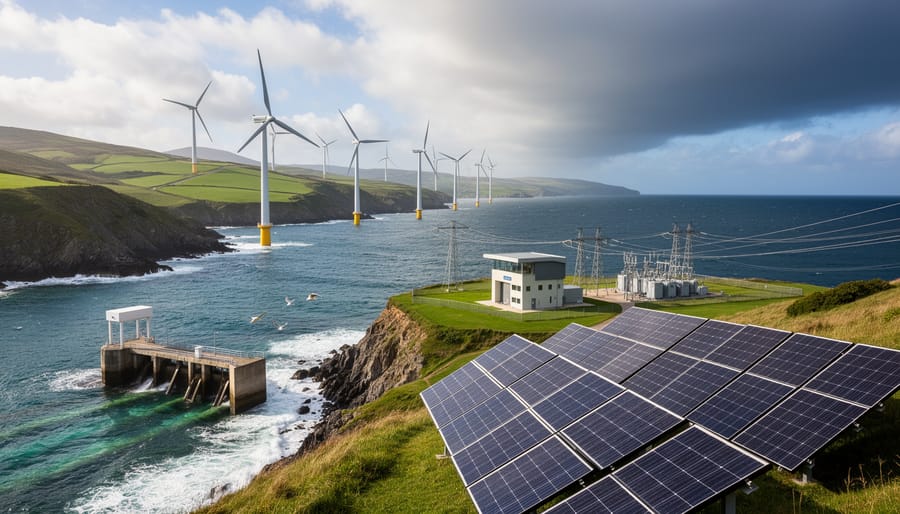
How Resilient Energy Ecosystems Work
The Role of Data Analytics in Building Resilience
Data analytics transforms raw energy information into actionable intelligence that keeps systems running when challenges strike. Real-time monitoring platforms track power generation, consumption patterns, and grid conditions across thousands of sensors, spotting anomalies before they cascade into failures. When a wind farm in South Australia detected unusual vibration patterns through predictive analytics, maintenance crews replaced a failing component two weeks before projected breakdown, avoiding a 40-megawatt capacity loss during peak summer demand.
Predictive maintenance extends equipment lifespan while slashing downtime costs. Analytics algorithms learn normal operating signatures for transformers, inverters, and battery systems, then flag deviations that signal impending issues. Queensland’s bioenergy facilities now schedule repairs during low-demand periods rather than scrambling when critical equipment fails unexpectedly.
Demand forecasting powered by machine learning anticipates consumption spikes hours or days ahead, allowing operators to activate backup generation, shift loads, or deploy storage reserves strategically. This capability proves vital for managing decentralized power grids where multiple renewable sources feed into the network simultaneously.
When disruptions hit, analytics platforms coordinate rapid responses across distributed assets. During Tasmania’s 2023 storm season, automated systems rerouted power through alternate pathways within seconds, maintaining supply to hospitals and emergency services while isolating damaged sections. The same technology enables smart energy demand shifts temporarily reducing non-essential loads to prevent broader outages.
Western Australia’s agricultural sector demonstrates this convergence beautifully. Farms equipped with bioenergy generators and analytics dashboards maintained refrigeration, irrigation, and processing operations through three separate grid failures last year, protecting millions in perishable crops and livestock.
Integration with Renewable Energy Sources
Renewable energy sources form the backbone of resilient energy ecosystems by distributing power generation across multiple locations and technologies rather than relying on a single centralised plant. When one source underperforms, solar panels during cloudy days or wind turbines in still conditions, others can compensate, maintaining steady power supply even during disruptions.
Bioenergy plays a particularly valuable role in this mix because it delivers dispatchable power that fills gaps left by variable sources. Unlike solar and wind, bioenergy facilities can generate electricity on demand by converting agricultural waste, food processing byproducts, or purpose-grown crops into reliable energy. A Queensland sugar mill running a cogeneration plant demonstrates this perfectly: it produces power from bagasse year-round, supporting the grid when other renewables dip and keeping operations running if external supply fails.
The decentralisation that renewables enable strengthens resilience further. Instead of power traveling hundreds of kilometres from distant coal stations, communities can generate energy locally through rooftop solar, small wind installations, and bioenergy systems processing regional agricultural waste. This reduces vulnerability to transmission line failures during storms or bushfires, events that have historically left Australian towns without power for days.
Combining multiple renewable technologies creates redundancy that single-source systems can’t match. A Western Australian farm might use solar panels for daytime operations, battery storage for evening peaks, and a biogas digester converting livestock waste for backup power and heating. This diversified approach means no single weather event or equipment failure can knock out the entire system, keeping essential services running when resilience matters most.
Key Components of a Resilient Energy Ecosystem
A truly resilient energy ecosystem isn’t built on a single technology or solution. It relies on multiple interconnected components working together, each strengthening the overall system while compensating for vulnerabilities in others. Think of it as a well-designed safety net, where if one strand fails, the surrounding structure keeps everything stable.
The core components that make energy systems resilient include:
- Distributed energy resources (DERs) like rooftop solar panels and small-scale bioenergy generators that spread power generation across many locations
- Battery storage systems that capture excess energy and release it when needed, bridging gaps between supply and demand
- Microgrids that can operate independently from the main grid during disruptions while reconnecting seamlessly when stability returns
- IoT sensors placed throughout the network to monitor everything from equipment temperature to power flow in real-time
- AI-powered analytics platforms that process sensor data, predict problems before they occur, and optimize system performance continuously
- Demand management systems that adjust energy consumption automatically based on availability and grid conditions
Distributed energy resources form the foundation of resilience by eliminating single points of failure. When power generation comes from hundreds or thousands of smaller sources rather than a handful of massive plants, a problem at one location doesn’t cripple the entire system. A Queensland manufacturing facility might combine rooftop solar with an on-site biomass generator, ensuring operations continue even when grid power drops.
Energy storage acts as the system’s shock absorber. Solar energy storage systems, whether lithium batteries or emerging alternatives, capture surplus electricity during high-generation periods and dispatch it during shortfalls. This buffering capacity prevents sudden fluctuations from cascading into broader failures.
Smart infrastructure ties everything together through sophisticated communication networks. These systems need protection, which is where smart grid cyber defenses become essential for maintaining operational integrity against digital threats. Sensors continuously feed data to analytics platforms that identify patterns humans might miss, spotting a transformer running hot or detecting unusual demand spikes that signal potential issues.
What makes these components truly powerful is their integration. Data analytics platforms don’t just monitor; they coordinate responses across all other components, automatically rerouting power, activating backup systems, or adjusting demand to maintain stability. This orchestrated approach transforms individual technologies into a unified, adaptive ecosystem that becomes stronger than the sum of its parts.
Real-World Applications in Australia
Agricultural Applications
Australian farms are pioneering energy resilience through on-site bioenergy generation combined with smart data systems. When severe weather knocks out grid power, properties running biogas digesters or biomass generators keep critical operations online, cooling milk, running irrigation pumps, and maintaining livestock facilities without interruption.
A dairy operation in Gippsland now converts cow manure into electricity through anaerobic digestion, with sensors monitoring gas production and energy demand in real time. During the 2024 Victorian storms that left surrounding areas dark for days, their system automatically ramped up biogas generation to cover essential loads. The farm stayed operational while neighbours lost product.
Grain growers are pairing solar arrays with biomass backup fueled by crop residues. Data analytics track weather patterns, harvest schedules, and energy prices to optimize when they draw from the grid versus their own generation. This dual approach slashes energy costs during peak harvest periods when drying equipment runs constantly.
Remote stations hundreds of kilometres from transmission lines have achieved complete energy independence by combining wind, solar, and bioenergy from agricultural waste. Predictive analytics help them balance intermittent renewables with reliable biomass generation, ensuring power flows regardless of conditions.
Industrial and Commercial Uses
Australian manufacturers and commercial operations are turning to resilient energy ecosystems to protect their bottom line and maintain productivity when the grid falters. A food processing plant in regional Victoria cut its annual downtime by 78% after installing a bioenergy system fed by agricultural waste, coupled with battery storage and predictive analytics that forecast demand spikes. The facility now maintains operations during grid outages that previously cost thousands per hour in lost production.
Shopping centers across Queensland have adopted microgrids combining solar, battery storage, and natural gas backup, with data platforms monitoring energy flow in real time. When severe weather threatens supply, these systems automatically shift loads and draw from stored reserves, keeping refrigeration, lighting, and climate control running without interruption.
Manufacturing facilities handling temperature-sensitive materials see particular value in resilience. A pharmaceutical company in South Australia uses data analytics to optimize its combined heat and power system, which runs on biogas from wastewater treatment. The system delivers reliable energy at 30% lower cost than grid power alone, while meeting strict regulatory requirements for uninterrupted cold chain storage. These installations pay for themselves through avoided downtime, reduced insurance premiums, and lower energy bills.
Community and Regional Energy Networks
Several Australian communities have taken the lead in developing energy systems that maintain power supply when the main grid fails. The Tyalgum microgrid in New South Wales combines solar panels, battery storage, and bioenergy generators to keep essential services running during storms and bushfires that regularly threaten the region. When Cyclone Debbie hit Queensland in 2017, communities with distributed renewable energy networks maintained critical infrastructure while grid-connected areas faced extended blackouts.
Regional centres like Yackandandah in Victoria have achieved near 100% renewable energy supply through community-owned solar installations paired with sophisticated monitoring systems that predict and respond to demand fluctuations. These networks demonstrate how local energy independence strengthens the power grid during disasters while reducing reliance on fossil fuels. Data analytics platforms track generation patterns, storage levels, and consumption trends, enabling operators to balance supply across the community network and share surplus energy with neighbouring regions when needed.
Building Your Own Resilient Energy Strategy
Building a resilient energy strategy doesn’t require massive upfront investment or wholesale system replacement. Start where you are, identify the vulnerabilities that matter most to your operations, and build capacity progressively.
Begin by mapping your current energy profile. Which processes absolutely cannot stop? What happens during a two-hour outage versus a two-day one? Understanding these realities shapes every decision that follows. A dairy farm prioritizes refrigeration and milking equipment. A data center focuses on server continuity. A community hall might need lighting and communication during emergencies.
- Assess current vulnerabilities by documenting past outages, identifying critical loads, and analyzing seasonal demand patterns that expose weak points in your existing system.
- Identify critical energy needs through detailed load analysis, determining which operations require uninterrupted power and which can tolerate brief interruptions or scheduled reductions.
- Evaluate renewable options suited to your location and needs, considering bioenergy systems for baseload reliability, solar for daytime peak demand, and battery storage to bridge gaps.
- Implement monitoring systems that provide real-time visibility into generation, consumption, and system health, enabling data-driven decisions and early warning of potential issues.
- Develop response protocols that define clear actions when disruptions occur, assign responsibilities, and establish communication channels to coordinate recovery efforts efficiently.
Technology choices flow from this foundation. A manufacturing facility might pair biogas generation from organic waste with battery storage and smart load management. A regional community could establish a microgrid connecting multiple renewable sources with coordinated control systems.
Data analytics transforms these components into an adaptive system. Start simple with consumption tracking and basic alerts, then expand to predictive maintenance and demand forecasting as capabilities grow. The goal isn’t perfection from day one but continuous improvement anchored in real operational data.
Plan for expansion. Leave capacity in your infrastructure for additional generation or storage. Choose systems with open protocols that integrate new technologies as they emerge. Resilience builds over time through deliberate, incremental steps rather than single dramatic gestures.
Types or components
Australia’s most effective resilient energy ecosystems combine five interconnected elements that work together to maintain reliable power supply.
Distributed Energy Resources (DERs) form the foundation, spreading generation across multiple sites rather than relying on single large plants. Solar arrays, wind turbines, and biogas generators create redundancy, if one source fails, others compensate.
Energy Storage Systems act as the ecosystem’s buffer, absorbing excess generation and releasing power during shortages. Battery installations, pumped hydro, and thermal storage smooth out renewable energy’s natural variability.
Smart Grid Infrastructure provides the nervous system, using sensors and automated controls to detect issues instantly and reroute power around problems. This technology has kept Australian communities online during bushfire threats and extreme weather.
Advanced Analytics Platforms process real-time data from across the system, predicting failures before they occur and optimizing energy flows continuously. These platforms turn raw data into actionable intelligence.
Communication Networks tie everything together, enabling instant coordination between components. When disruptions hit, these networks ensure all parts of the ecosystem respond as one integrated system rather than isolated pieces.
Frequently Asked Questions
What makes an energy ecosystem resilient?
A resilient energy ecosystem combines diverse power sources, distributed generation, energy storage, and smart technology that can detect and respond to disruptions quickly. The system’s ability to continue operating during challenges comes from built-in redundancy, real-time data monitoring, and adaptive responses that automatically reroute power or adjust supply.
How does data analytics improve energy system resilience?
Data analytics provides real-time visibility into system performance, predicts potential failures before they occur, and enables rapid automated responses to disruptions. By analysing patterns across thousands of data points, these systems can forecast demand shifts, identify weak points, and optimize energy distribution to maintain stability during stress events.
Can small businesses benefit from resilient energy systems?
Absolutely. Small businesses can implement scaled-down resilient systems using solar panels with battery storage, smart energy management software, and backup bioenergy generators. These solutions reduce vulnerability to grid outages, lower energy costs through optimized usage, and provide business continuity during disruptions that might otherwise force closures.
These questions reflect common concerns from Australian businesses and communities exploring energy resilience options. The technology has become increasingly accessible, with solutions now available at scales ranging from individual premises to entire regional networks, making resilient energy systems a practical choice rather than an exclusive option for large organizations.
Australia’s energy resilience journey is well underway, and the path forward is both clear and achievable. Resilient energy ecosystems powered by data analytics and renewable sources like bioenergy aren’t futuristic concepts, they’re working solutions already making a difference in farms, factories, and communities across the country.
The combination of distributed generation, smart technology, and predictive analytics gives us tools to build energy systems that withstand disruptions while accelerating our transition to clean power. Every solar panel installed, every bioenergy system commissioned, and every data-driven grid improvement strengthens our collective resilience against whatever challenges come next.
Whether you manage a farm, run a business, or represent a community organization, you have opportunities to enhance energy resilience in your own context. Start with an energy audit, explore renewable options suited to your needs, and consider how data analytics can optimize your operations.
Australia’s energy future depends on thousands of individual decisions adding up to systemic change. The technology exists, the business case is proven, and the environmental imperative is undeniable. By embracing resilient energy ecosystems now, we’re not just preparing for tomorrow’s challenges, we’re creating a cleaner, more secure energy landscape for generations to come.