
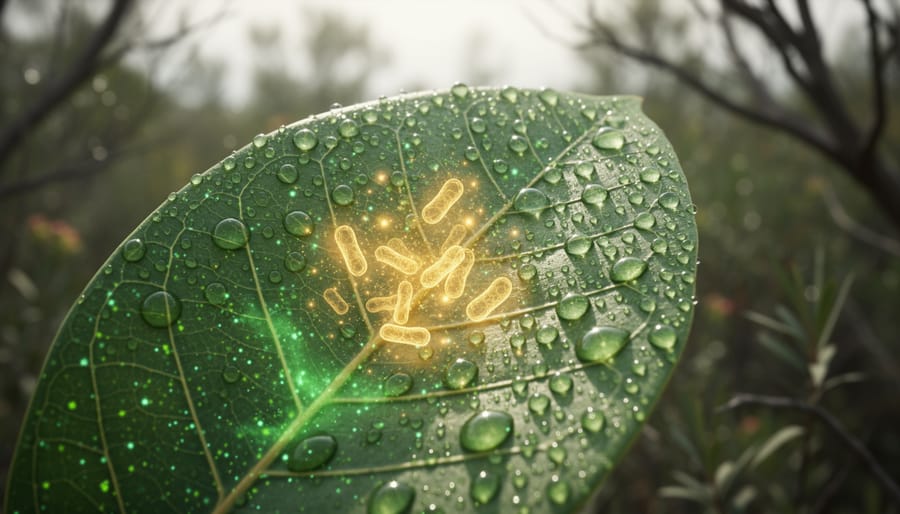
Harvesting energy for cellular functions refers to the biological processes by which living organisms capture and convert energy from their environment into a chemical form that powers life itself, primarily through the production of adenosine triphosphate (ATP) within cells. Every breath you take, every step you take, every thought that crosses your mind depends on this fundamental energy conversion happening billions of times per second inside your cells.
Understanding how nature perfected this energy harvest over billions of years isn’t just academic curiosity. It’s the blueprint for some of Australia’s most promising renewable energy technologies. From microbial fuel cells converting organic waste into electricity to algae-based biofuels that could power transport fleets, researchers and innovators are learning to harness the same biological pathways that keep us alive to create clean, sustainable energy solutions.
The science behind cellular energy harvesting bridges two worlds that matter to Australia’s energy future. On one side sits the elegant biological machinery of photosynthesis and cellular respiration, processes that capture sunlight and extract energy from nutrients with remarkable efficiency. On the other, practical applications are emerging in waste treatment facilities across Victoria, agricultural bioenergy projects in Queensland, and research labs developing next-generation biotechnologies.
This article explains the mechanisms cells use to harvest energy, from the chloroplasts capturing sunlight in plants to the mitochondria powering animal cells. You’ll discover how different organisms approach energy conversion, why these processes achieve efficiency levels that engineers still struggle to match, and how bioenergy applications are translating cellular energy harvesting into real solutions for sustainable power generation in 2026 and beyond.
What Cellular Energy Harvesting Means
Cellular energy harvesting is the fundamental process by which living organisms convert raw materials, nutrients, sugars, sunlight, into a usable fuel that powers every biological function. Think of it as nature’s own power grid: cells transform energy from their environment into a universal currency called ATP (adenosine triphosphate), which drives everything from muscle movement to brain activity to the growth of new tissue.
This biological marvel operates through two main pathways. In animals and most microorganisms, cells break down glucose and other molecules through cellular respiration, extracting stored chemical energy step by step. Plants and algae add another layer: they capture light energy through photosynthesis, building energy-rich molecules from sunlight, water, and carbon dioxide. Both processes rely on specialized cellular structures that act like miniature power stations, constantly producing ATP to keep the organism alive.
- ATP (Adenosine Triphosphate)
- The energy currency of all cells, a molecule that stores and releases chemical energy when needed for cellular work.
- Mitochondria
- The cell’s power plants where most ATP is produced through cellular respiration, found in nearly all animals and plants.
- Chloroplasts
- Specialized structures in plant and algae cells that capture sunlight and convert it to chemical energy through photosynthesis.
- Cellular Respiration
- The process of breaking down glucose and oxygen to produce ATP, water, and carbon dioxide, the reverse of photosynthesis.
- Photosynthesis
- The process plants and algae use to harvest light energy and convert it into glucose and oxygen, the foundation of most life on Earth.
Understanding these natural energy systems matters because they’re the blueprint for advanced bioenergy technologies. When scientists cultivate algae to produce biofuels or design microbial fuel cells that generate electricity from waste, they’re harnessing the same energy-harvesting principles that evolved over billions of years. Australia’s bioenergy sector builds directly on this biological foundation, scaling up nature’s efficiency to create sustainable alternatives to fossil fuels.
How Cells Harvest Energy: The Natural Process
Breaking Down Glucose: Cellular Respiration
Cellular respiration is how your cells turn the food you eat into usable energy packets called ATP. Think of ATP as tiny rechargeable batteries that power everything from muscle movement to brain function.
The process starts with glycolysis, which breaks down glucose (a simple sugar) into smaller molecules in the cell’s main compartment. This initial step doesn’t need oxygen and releases a small amount of ATP, enough to get things started. It’s like cracking open a walnut to access the energy-rich kernel inside.
Next, those broken-down molecules enter the mitochondria, the cell’s power plants, where the Krebs cycle takes over. Here, the molecules are dismantled further, releasing carbon dioxide as waste and capturing high-energy electrons. These electrons are the real prize.
Finally, the electron transport chain acts like a microscopic hydroelectric dam. As electrons flow through a series of proteins embedded in the mitochondrial membrane, they pump hydrogen ions across that membrane. When those ions rush back through, they spin an enzyme called ATP synthase, which assembles ATP molecules.
From one glucose molecule, this three-stage process generates roughly 36 ATP units. That’s a remarkably efficient conversion that keeps every cell in your body running. Understanding this natural mechanism has helped researchers design bioenergy systems that mimic these same principles at larger scales.
Capturing Sunlight: Photosynthesis in Action
Photosynthesis is how green plants turn sunlight into stored chemical energy, the biological blueprint for all biomass energy systems. Inside chloroplasts, pigments called chlorophyll capture light photons, triggering a cascade that splits water molecules and releases oxygen as a byproduct. The harvested energy drives a process that converts carbon dioxide from the air into glucose, a simple sugar that stores energy in its chemical bonds. This glucose fuels the plant’s growth and becomes the biomass we harvest for bioenergy, whether burning wood pellets or fermenting crops into ethanol.
The efficiency of natural photosynthesis averages around 1-2% for most plants, though scientists are working to improve this through selective breeding and genetic techniques. Researchers developing artificial photosynthesis aim to replicate and enhance this light-to-fuel conversion, potentially achieving higher yields without needing arable land. For bioenergy producers in Australia, understanding photosynthesis clarifies why fast-growing plants in sunny climates offer such promise. The more efficiently a crop captures sunlight and converts it to biomass, the greater its energy potential per hectare.
Fermentation: Energy Without Oxygen
When oxygen is scarce or absent, many organisms switch to fermentation, a simpler way to harvest energy that doesn’t require an electron transport chain. Yeast cells, for instance, break down glucose into ethanol and carbon dioxide, releasing just two ATP molecules per glucose (far less efficient than aerobic respiration’s thirty-plus). Bacteria use similar pathways, producing lactic acid or other organic acids instead.
This oxygen-free process is what makes biogas production possible. In sealed digesters, bacteria ferment agricultural waste, food scraps, and manure, releasing methane as a byproduct. Australian farms increasingly capture this methane for heating and electricity, turning waste into a reliable renewable fuel. While fermentation yields less energy per molecule than respiration, its ability to work in oxygen-free environments makes it invaluable for sustainable waste management and energy generation.
Types of Bio-Organisms That Power Advanced Energy Systems
Microalgae and Photosynthetic Powerhouses
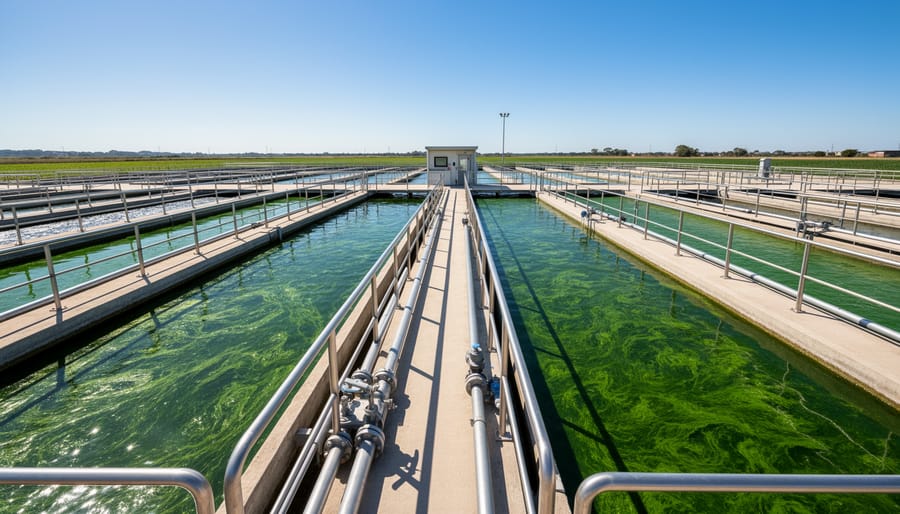
Microalgae stand out as nature’s most efficient solar energy harvesters, converting sunlight into chemical energy at rates that put land plants to shame. These microscopic organisms can double their biomass in as little as 24 hours, capturing CO₂ from the atmosphere while producing lipids, proteins, and carbohydrates that serve as raw materials for biofuels and other valuable products.
What makes algae particularly powerful for bioenergy is their simplicity. Unlike crops that invest energy in roots, stems, and flowers, algae dedicate nearly all their resources to photosynthesis and growth. They harvest light through chlorophyll and other pigments, then channel that captured energy directly into producing the oils and starches we can convert to biodiesel, bioethanol, and biogas.
Australian researchers have made significant advances with local algae strains adapted to harsh sunlight and variable water conditions. These species thrive in saltwater or wastewater, meaning they don’t compete with agriculture for freshwater or arable land. Some strains produce oil concentrations exceeding 50% of their dry weight, making them viable candidates for commercial-scale biofuel production that could complement solar and wind energy in Australia’s renewable portfolio.
Bacteria and Microbial Fuel Cells
Certain bacteria possess a remarkable ability to harvest energy from organic matter and transfer electrons directly to external surfaces, creating what scientists call a bacteria fuel cell. These microorganisms, known as exoelectrogens, break down sugars, wastewater contaminants and agricultural waste through their normal cellular respiration process, but instead of keeping all the energy for themselves, they dump excess electrons onto electrodes placed in their environment.
The process mirrors how your own cells harvest energy, except these bacteria evolved to breathe metals and conductive materials rather than oxygen. As they consume organic waste, they strip electrons from the molecules and shuttle them through their cell membranes to an external anode. This electron flow creates measurable electrical current that can power small devices or contribute to the grid.
Australian researchers have demonstrated this technology in sewage treatment plants, where bacteria simultaneously clean wastewater and generate electricity. The dual benefit transforms waste facilities from energy consumers into potential power producers, showing how nature’s energy harvesting mechanisms can solve two problems at once.
Plant Biomass and Agricultural Crops
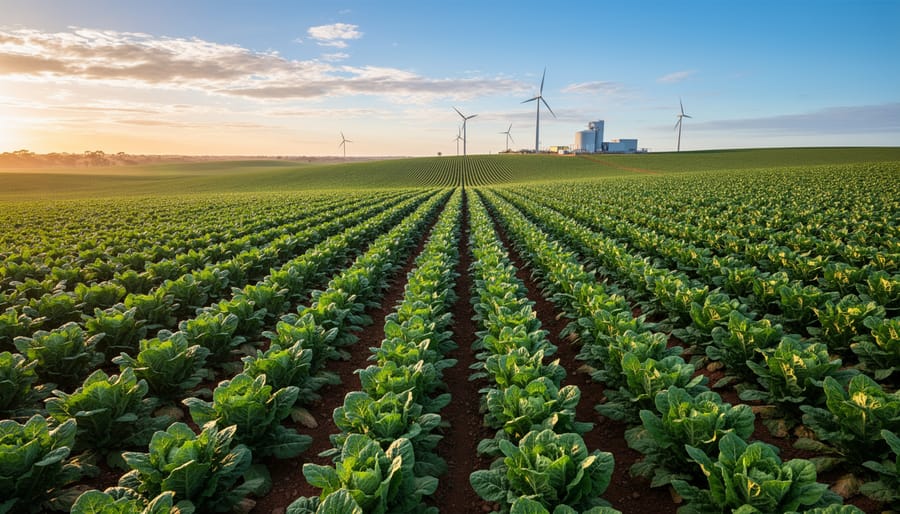
Plants are nature’s original solar batteries, storing harvested sunlight as chemical energy in their tissues. In Australia, sugarcane bagasse, the fibrous residue left after crushing, powers several sugar mills and feeds excess electricity back to the grid. Wheat and barley straw, once burned in paddocks, now fuel regional biomass plants. Emerging crops like switchgrass and miscanthus offer higher energy yields per hectare than traditional food crops, thriving on marginal land without competing for prime agricultural space. These perennial grasses require minimal fertiliser and harvest solar energy year after year, making them particularly suited to broadacre farming. The cellulose and lignin in plant cell walls, built through photosynthesis, break down during combustion or fermentation to release stored energy, converting months of accumulated sunlight into heat, electricity, or liquid fuels.
How This Natural Process Powers Modern Bioenergy
Microbial Fuel Cells: Electricity from Bacteria
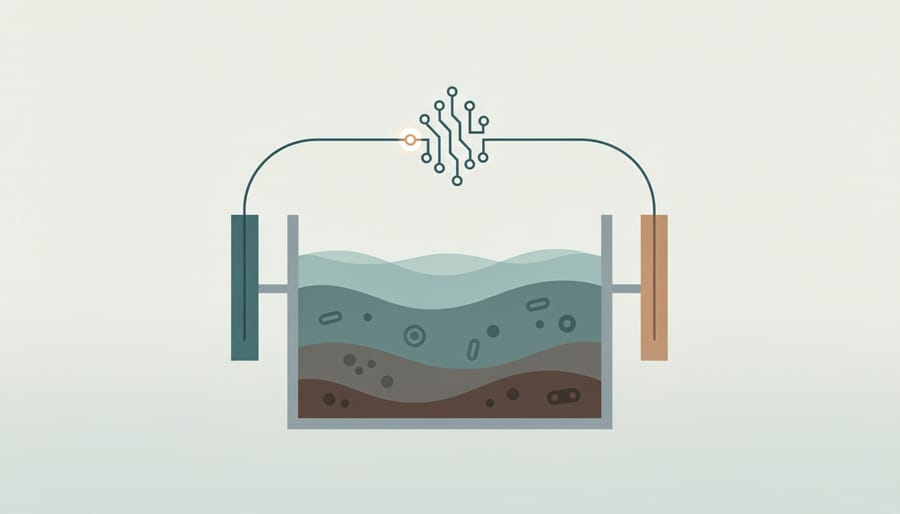
Bacteria don’t just break down organic matter, they can generate electricity while doing it. Microbial fuel cells (MFCs) harness the natural metabolic processes of bacteria as they consume organic waste from sewage, agricultural runoff, or food processing facilities.
Here’s how it works: certain bacteria species transfer electrons to an external electrode as they break down organic compounds for energy. These electrons flow through a circuit to create usable electrical current. The bacteria essentially become living batteries, continuously producing power as long as they have organic material to consume.
Australian wastewater treatment facilities are testing MFCs to turn sewage processing from an energy consumer into an energy producer. The Foster Brewery in Melbourne piloted an MFC system that generated electricity while treating wastewater from beer production, demonstrating how industrial sites can offset energy costs.
While current MFCs generate modest power outputs compared to solar or wind, they offer unique advantages: they operate continuously regardless of weather, treat waste simultaneously, and work in remote locations where grid connection is impractical. Researchers at the University of Queensland are improving bacterial strains and electrode materials to boost efficiency, bringing commercial viability closer.
Algae Bioreactors: Scaling Up Photosynthesis
Commercial algae farms take the photosynthetic process happening in microscopic cells and scale it to industrial levels. These facilities grow algae in shallow ponds or closed tube systems called bioreactors, where the organisms convert sunlight and carbon dioxide into lipid-rich biomass at rates up to ten times faster than land crops. The algae harvest energy continuously, doubling their mass in hours rather than weeks.
Australian facilities are testing strains that thrive in our climate and produce oils suitable for biodiesel or jet fuel. Some systems integrate with power stations, feeding algae the CO₂ from flue gas while producing biofuel, turning emissions into energy. The process mirrors the efficiency gains researchers pursue with solar-powered hydrogen technologies that also aim to replicate natural photosynthesis at scale.
The challenge lies in maintaining ideal growing conditions, temperature, nutrients, light penetration, across large volumes. Closed bioreactors offer more control but cost more to build and operate. Open ponds are cheaper yet vulnerable to contamination and weather. Despite these hurdles, algae’s rapid growth and ability to use non-arable land make bioreactors a promising avenue for amplifying nature’s cellular energy harvesting into commercial fuel production.
Biogas Systems: Fermentation at Industrial Scale
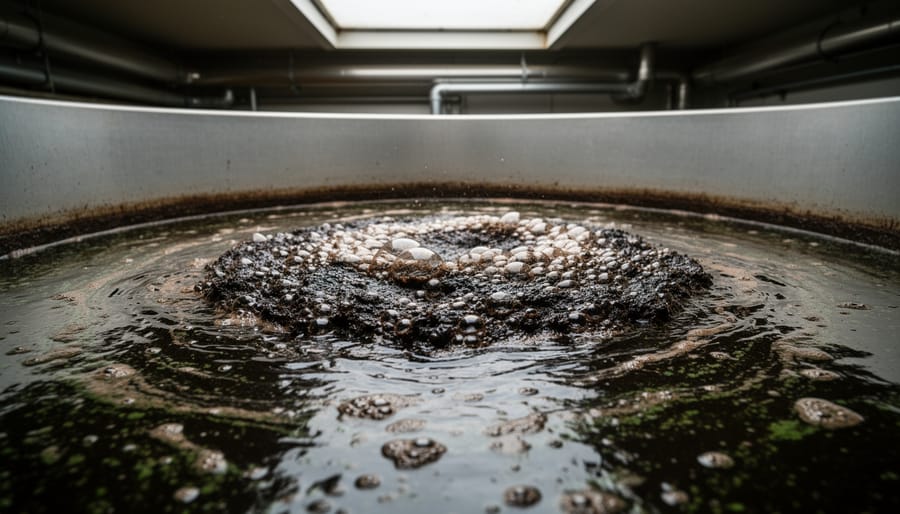
Agricultural waste that once sat decomposing in landfills now fuels thousands of Australian homes, thanks to industrial biogas systems that replicate the oxygen-free fermentation happening inside bacterial cells. These large-scale digesters create the same anaerobic conditions microbes prefer, allowing bacteria to break down organic matter, crop residues, livestock manure, food processing waste, and harvest energy just as they would naturally.
Inside a typical biogas facility, organic material enters sealed tanks where temperature and moisture levels mirror the ideal cellular environment. Bacteria begin their work, converting complex carbohydrates into simpler sugars through the same glycolysis pathway that occurs in fermentation. Without oxygen present, these microorganisms produce methane and carbon dioxide as metabolic byproducts rather than fully oxidizing the material. The methane becomes captured biogas, burned to generate electricity or refined into renewable natural gas for the grid.
Queensland’s agricultural sector leads this application, with dairy farms and sugar mills operating digesters that process tonnes of waste daily. The leftover digestate returns to fields as nutrient-rich fertilizer, completing a circular system. Industrial biogas demonstrates cellular fermentation scaled up, billions of bacteria performing the same energy-harvesting chemistry they’ve perfected over millennia, now powering communities across regional Australia.
Australian Success Stories in Bio-Energy Harvesting
Australia has become a testing ground for innovative bioenergy projects that turn cellular energy principles into commercial reality. From Queensland’s tropical coast to Victoria’s dairy heartland, these facilities demonstrate how biological processes can power communities and reduce emissions.
The University of Queensland’s algae research facility in Brisbane stands out as a leader in photosynthesis-based energy harvesting. Researchers there cultivate microalgae strains that convert sunlight to lipids with remarkable efficiency, producing oils suitable for biodiesel production. The facility collaborates with local councils to treat wastewater while simultaneously generating biomass, a dual benefit that addresses both pollution and energy needs. This work has attracted international partnerships and positions Australia at the forefront of algae biofuel development.
In regional Victoria, dairy farms have embraced anaerobic digestion systems that mirror cellular fermentation processes. The Gippsland region hosts several large-scale biogas plants where bacteria break down cow manure and organic waste, producing methane that powers generators. One facility near Traralgon converts waste from 2,000 dairy cows into enough electricity for 200 homes, while reducing methane emissions that would otherwise escape into the atmosphere. The nutrient-rich digestate left over becomes valuable fertiliser, closing the loop on farm waste.
Western Australia’s Muradel project has pushed the boundaries of algae cultivation in saline conditions. Using seawater and non-arable land near Whyalla, the operation grows algae for both biofuel and animal feed. This approach doesn’t compete with food production or freshwater resources, addressing two common concerns about biomass energy.
These success stories illustrate how understanding cellular energy harvesting translates into practical solutions. The same ATP production and fermentation pathways that power individual cells now drive industrial-scale energy systems. As Australia develops bio-inspired storage technologies alongside these generation methods, the potential for biological energy systems continues to expand across the renewable energy landscape.
How Cellular Energy Harvesting From Bio Organisms Works
Think of cellular energy harvesting as a three-stage production line running constantly in every living cell. First, organisms capture raw energy, plants grab sunlight through chlorophyll molecules in their leaves, while animals and bacteria take in chemical energy from food or organic matter. This initial capture converts external energy into a form the cell can process.
The second stage breaks down these energy-rich molecules through controlled chemical reactions. During cellular respiration, enzymes systematically dismantle glucose molecules, releasing energy in small, manageable bursts rather than one explosive reaction. This stepwise breakdown happens across different cellular compartments, each optimized for specific tasks, like an assembly line where each station performs one precise function.
The final stage stores this released energy in ATP molecules, nature’s battery that powers everything from muscle contractions to nerve signals. When a cell needs energy, it splits ATP back into ADP, releasing the stored power on demand. This ATP-ADP cycle turns over constantly, with your body recycling its own weight in ATP every single day.
What makes this process brilliant for bioenergy applications is its efficiency under normal conditions. Cells extract roughly 38% of glucose’s chemical energy as usable ATP, far better than early steam engines. Modern bioenergy systems replicate these natural mechanisms, using live organisms or their enzymes to harvest energy from waste streams and biomass at similar conversion rates.
Common Questions About Cellular Energy and Bioenergy
How does bioenergy efficiency compare to solar panels?
Algae bioreactors typically convert 3-5% of sunlight to stored energy, while modern solar panels achieve 15-22% efficiency. However, bioenergy produces liquid fuels suitable for transport and industrial processes, whereas solar generates electricity requiring storage solutions.
Can bio-organism energy systems really scale up to meet national demand?
Scaling remains a challenge, but agricultural biogas facilities across Australia already process thousands of tonnes of organic waste annually. The technology works commercially, though bioenergy is best suited as part of a diverse renewable mix rather than a sole solution.
What are the main environmental benefits beyond reducing carbon emissions?
Bio-organism energy systems close waste loops by converting agricultural residues and wastewater into fuel, reducing landfill methane and water pollution. Algae cultivation can also capture CO₂ from industrial exhaust streams before converting it to biomass.
Is bioenergy from organisms cost-competitive with fossil fuels yet?
Biogas from waste is already cost-competitive in many applications, especially when factoring in waste management savings. Algae biofuels remain more expensive than petroleum, though costs continue falling as cultivation and extraction methods improve.
How long until bio-organism energy becomes mainstream in Australia?
Biogas is mainstream now, with hundreds of operational facilities. Microbial fuel cells and algae biofuels are still emerging technologies, likely requiring another decade of research and infrastructure development before widespread commercial deployment.
These questions reflect genuine uncertainty about whether bioenergy can compete with established renewables. The reality is nuanced. Bio-organism systems harvest energy differently than solar panels or wind turbines, producing forms of energy suited to different uses. A biogas digester at a dairy farm solves waste problems while generating power and heat, creating value solar panels alone can’t match.
Environmental benefits extend beyond simple carbon accounting. When bacteria harvest energy from wastewater, they’re simultaneously treating pollution. When algae capture CO₂, they’re producing protein-rich biomass for animal feed alongside biofuel. These integrated benefits make direct cost comparisons tricky, because the systems deliver multiple outputs from waste inputs.
Australia’s advantage lies in abundant agricultural residues, strong sunlight for photosynthetic organisms, and existing expertise in biotechnology. The path forward isn’t choosing between bio-organism energy and other renewables, but rather deploying each technology where it performs best within a resilient, diversified energy system.
Understanding how cells harvest energy reveals nature’s blueprint for sustainable power generation. The same elegant processes that fuel every living organism, from photosynthesis in algae to fermentation in bacteria, now inspire Australia’s transition to renewable energy. These biological mechanisms, refined over billions of years, offer proven pathways to capture and convert energy efficiently without fossil fuels.
Australia stands at a unique crossroads. Our abundant sunlight, diverse agricultural landscapes, and advanced research capabilities position us perfectly to lead in bio-organism energy systems. The success stories already emerging across the country, from algae bioreactors in Queensland to agricultural biogas plants transforming farm waste, demonstrate that this isn’t distant possibility. It’s happening now.
The shift from traditional energy to bio-based systems doesn’t require waiting for breakthrough inventions. Nature has already solved the engineering challenges. Our task is harnessing these cellular processes at scale, turning organic waste into electricity, sunlight into biofuels, and agricultural byproducts into clean-burning biogas.
Every biogas digester installed on an Australian farm, every microbial fuel cell treating wastewater, and every research breakthrough in algae cultivation moves us closer to energy independence and carbon neutrality. The biological world has been harvesting energy sustainably since life began. Now it’s our turn to learn from it, invest in it, and build an energy future that works with nature rather than against it.